Powerlifting is more than just lifting heavy weights. It’s a sport that demands strength, power, and endurance. But behind every successful lift is a solid nutrition plan. The right foods help powerlifters build muscle, recover faster, and perform at their best. If you’re a powerlifter or want to get stronger, understanding nutrition is as important as your training routine.
Many beginners think eating more is enough. But that’s only part of the story. Quality matters as much as quantity. Food is fuel, and the wrong fuel can slow your progress. A well-structured nutrition plan can help you gain lean muscle, stay energized, and avoid injuries.
Let’s dive deep into what nutrition is recommended for powerlifters, including what to eat, when to eat, and why it matters.
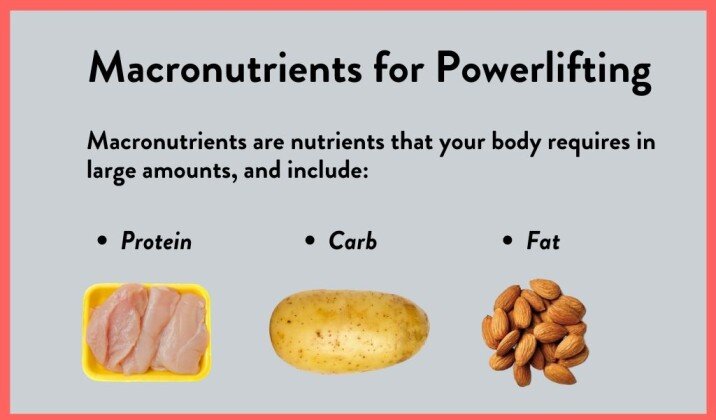
Macronutrients: The Foundation For Powerlifters
Protein: Muscle Building Block
Protein is essential for muscle repair and growth. Powerlifters put their muscles under stress, so eating enough protein is non-negotiable. Most experts recommend 1.6–2.2 grams of protein per kilogram of body weight each day. For a 90 kg lifter, this means 144–198 grams daily.
Good sources include:
- Lean meats (chicken, turkey, beef)
- Eggs
- Fish
- Greek yogurt
- Plant-based options (tofu, lentils, beans)
Spreading protein intake across the day, not just at dinner, helps maximize muscle protein synthesis. Research shows that 20–40 grams per meal is a sweet spot for most adults.
Carbohydrates: The Power Source
Carbs are the main fuel for heavy lifting. They refill muscle glycogen, which is your body’s energy reserve for intense activity. Powerlifters need more carbs than the average person, especially on training days. Aim for 4–7 grams per kilogram of body weight daily.
Best choices:
- Rice, oats, pasta, bread
- Potatoes, sweet potatoes
- Fruits and vegetables
A common mistake is cutting carbs too low. This can lead to sluggish workouts, slower recovery, and even muscle loss.
Fats: Hormones And Joint Health
Fats are often misunderstood. They’re crucial for hormone production, especially testosterone, which supports muscle growth and recovery. About 20–35% of total calories should come from fat.
Healthy fat sources:
- Olive oil, avocado
- Nuts and seeds
- Fatty fish (salmon, mackerel)
- Egg yolks
Avoid trans fats and limit processed foods. Too little fat can lower hormones, hurt performance, and increase injury risk.
Micronutrients: The Overlooked Essentials
While macros get most of the attention, micronutrients are just as important. These vitamins and minerals keep your body running smoothly and prevent problems down the road.
Key Vitamins And Minerals For Powerlifters
- Calcium and Vitamin D: Support strong bones, crucial for heavy lifting.
- Iron: Delivers oxygen to muscles. Low iron means less stamina.
- Magnesium: Helps muscles contract and relax, reducing cramps.
- Potassium and Sodium: Balance fluids and prevent dehydration.
- B Vitamins: Convert food into energy.
Eating a variety of colorful fruits and vegetables, plus dairy or fortified alternatives, covers most needs. Some lifters may need a supplement, especially for vitamin D in winter.
Example: Micronutrient Comparison
Here’s how some popular foods stack up for key micronutrients:
| Food | Calcium (mg) | Iron (mg) | Magnesium (mg) |
|---|---|---|---|
| Spinach (100g) | 99 | 2.7 | 79 |
| Chicken breast (100g) | 13 | 0.9 | 29 |
| Greek Yogurt (100g) | 110 | 0.1 | 11 |
Including a mix of these foods can help you hit your targets.
Meal Timing And Frequency
When you eat can be as important as what you eat. Powerlifters benefit from spreading meals across the day. Most aim for 4–6 meals or snacks daily to keep energy levels steady and support muscle repair.
Pre-workout Nutrition
Eating 1–3 hours before training is ideal. This meal should be rich in carbs for energy, moderate in protein, and low in fat for easy digestion. For example, chicken with rice and a banana works well.
Post-workout Nutrition
After lifting, your body needs nutrients to recover. A mix of protein and carbs within 60 minutes helps muscles rebuild and refuels glycogen. A protein shake with fruit or a turkey sandwich is a good choice.
Example: Simple Pre- And Post-workout Meals
| Meal | Protein (g) | Carbs (g) | Fat (g) |
|---|---|---|---|
| Pre-workout: Chicken, rice, banana | 30 | 60 | 7 |
| Post-workout: Protein shake, oats, berries | 35 | 50 | 5 |
Hydration: The Unsung Hero
Many lifters overlook hydration, but even mild dehydration can reduce strength by 2–3%. Powerlifters should aim for at least 3–4 liters of water daily. If you sweat a lot or train in heat, you’ll need more.
A good check: your urine should be pale yellow. Darker means you need more fluids. Including electrolytes (like sodium and potassium) helps maintain balance, especially during long or sweaty sessions.

Supplements: What’s Worth It?
Supplements can help, but they’re not magic. Whole foods should be the base of your diet. Still, a few supplements have solid evidence for powerlifters.
Protein Powder
Whey protein is convenient, especially if you struggle to eat enough protein from food. It’s fast-digesting and supports muscle growth.
Creatine Monohydrate
Creatine is one of the most studied supplements. It helps boost strength, power, and muscle size. The usual dose is 3–5 grams daily. It’s safe for most people and works best when taken consistently.
Caffeine
Caffeine can increase focus and energy. 3–6 mg per kilogram of body weight before training can give a noticeable boost. Don’t overdo it, and avoid late-day caffeine to protect your sleep.
Other Helpful Supplements
- Fish oil: Supports joints and reduces inflammation.
- Vitamin D: Useful if you don’t get much sun.
- Multivitamins: Fill minor gaps in your diet.
Beware of unproven products. Always check for quality and safety. Research and consult a coach or dietitian before trying new supplements.
Calorie Needs And Weight Management
Powerlifters often want to gain muscle or lose fat while keeping strength. Your calorie needs depend on your size, age, activity, and goals.
Calculating Maintenance Calories
A simple way is to multiply your body weight (in kg) by 30–35 for maintenance. Adjust up or down based on weight changes and performance.
- To gain muscle: Add 250–500 calories per day.
- To lose fat: Cut 250–500 calories per day, but keep protein high.
Don’t drop calories too low, or you risk losing strength and muscle.
Sample Calorie Comparison
Here’s an example for a 90 kg powerlifter:
| Goal | Calories per Day | Protein (g) | Carbs (g) | Fat (g) |
|---|---|---|---|---|
| Maintenance | 2,900 | 180 | 380 | 80 |
| Muscle gain | 3,400 | 200 | 440 | 95 |
| Fat loss | 2,400 | 180 | 280 | 70 |
Remember, these numbers are starting points. Adjust based on progress and how you feel.
Common Nutrition Mistakes Powerlifters Make
Even experienced lifters make nutrition mistakes. Here are some traps to avoid:
- Ignoring meal timing: Skipping breakfast or eating huge dinners can hurt energy and recovery.
- Not tracking intake: Guessing how much you eat often leads to under- or overeating.
- Focusing only on protein: Carbs and fats matter too. Don’t neglect them.
- Overusing supplements: Pills and powders can’t fix a poor diet.
- Not adjusting for training: Eat more on hard training days and less on rest days.
A non-obvious tip: Don’t ignore stress and sleep. Both affect how your body uses food and recovers from training.
Nutrition For Competition Day
On meet day, nutrition is all about energy and focus. Here’s how to plan:
- Before the event: Eat a familiar, carb-rich meal 2–3 hours before. Avoid high-fat or spicy foods that can upset your stomach.
- During the event: Bring easy snacks like bananas, rice cakes, or energy bars. Sip water and sports drinks to stay hydrated.
- After the event: Have a balanced meal with protein, carbs, and some fat to support recovery.
Many lifters forget to practice their competition-day nutrition in training. Don’t try new foods on the big day. Stick with what works for you.

Advanced Tips For Serious Lifters
- Track your macros: Use an app or a food diary to monitor intake. This helps spot gaps and adjust for progress.
- Plan for travel: If you compete away from home, pack familiar snacks and supplements. Airport food is rarely ideal.
- Monitor body weight: Weigh yourself at the same time daily. Small changes can help fine-tune your diet.
- Adjust for injuries: If you’re hurt, cut calories slightly, but keep protein high to maintain muscle.
- Consult professionals: A sports dietitian can help design a plan for your needs and goals.
Frequently Asked Questions
What Is The Best Protein Source For Powerlifters?
There is no single best source. Lean meats, dairy, eggs, and plant proteins all work well. Mix them to get a wide range of nutrients.
How Much Water Should A Powerlifter Drink Daily?
Aim for 3–4 liters per day, more if you sweat a lot. Adjust based on urine color and training intensity.
Are Supplements Like Creatine Safe For Powerlifters?
Yes, creatine monohydrate is safe and effective for most people when taken at recommended doses. Always choose trusted brands.
Should Powerlifters Avoid Carbohydrates?
No, carbohydrates are vital for performance and recovery. Cutting carbs can harm strength and make workouts feel harder.
Can I Build Muscle Without Eating Meat?
Yes, plant-based powerlifters can thrive with careful planning. Focus on beans, lentils, tofu, tempeh, and whole grains. Consider a B12 supplement if you avoid animal products.
Powerlifting is a demanding sport. But with the right nutrition, you can lift heavier, recover faster, and feel better both in and out of the gym. Building good habits now pays off for years to come. For more science-backed guidance, check out resources from National Institutes of Health. Remember, what you eat is as important as how you train—fuel your lifts with purpose, and your results will follow.