
Vegan protein powders are becoming more popular every year. Many people use them to boost their daily protein intake, whether for fitness, weight management, or to support a plant-based diet. But have you ever wondered what vegan protein powder is actually made of?
The answer is not as simple as “plants. ” There are many sources, processes, and ingredients that go into making vegan protein powders. Some are common, like peas and rice, while others might surprise you. Understanding what’s inside your protein powder can help you choose the right one for your needs, avoid allergens, and get the best results from your nutrition plan.
In this article, you’ll learn about the main sources of vegan protein powder, the steps used to process these ingredients, the additional components mixed in for taste and nutrition, and how vegan options compare to animal-based proteins. You’ll also discover some important facts that many beginners miss, such as how different plant proteins affect absorption and how additives can impact your health goals.
By the end, you’ll feel confident about what you’re putting into your body and how to make smart choices when shopping for vegan protein powder.
What Makes A Protein Powder “vegan”?
A protein powder is labeled vegan if it contains no ingredients from animals. That means no dairy (like whey or casein), no eggs, no honey, and no hidden animal-derived additives. Vegan protein powders must use only plant-based sources for their protein. They also avoid using animal-based flavorings, sweeteners, or coloring agents.
However, not all vegan protein powders are created equal. The source of the protein, the processing method, and the added ingredients can vary a lot. Some powders are made from a single plant source, while others use blends to improve the amino acid profile. Labels like “100% plant-based,” “cruelty-free,” or “non-GMO” are common, but always check the ingredient list to be sure.
Main Sources Of Protein In Vegan Powders
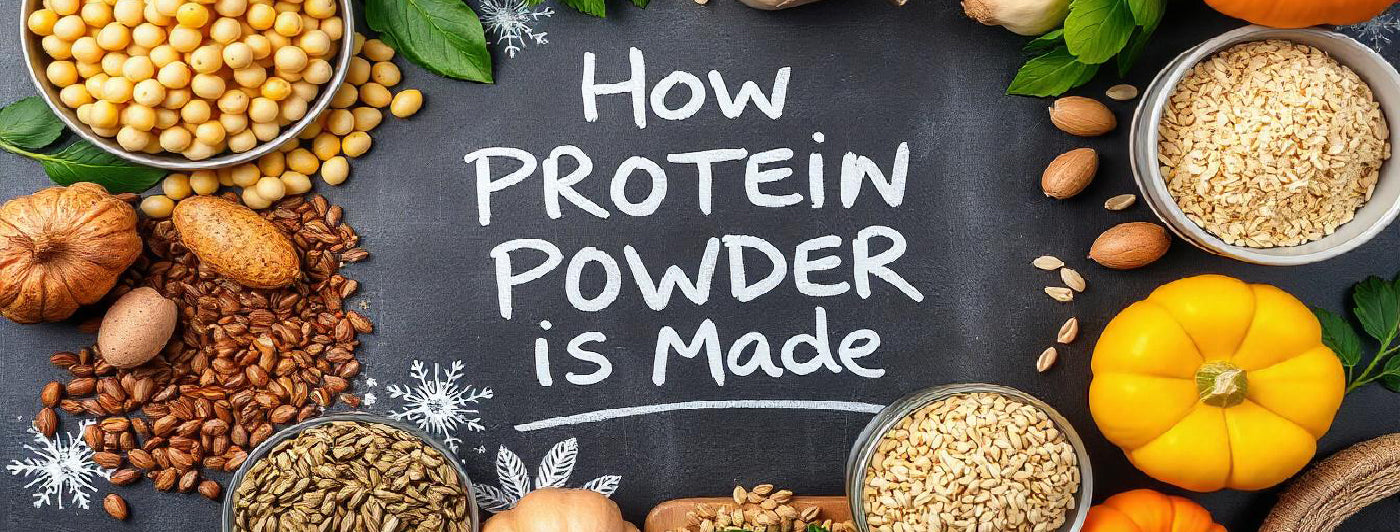
Vegan protein powders use a variety of plants to extract protein. Each source has unique benefits, flavors, and nutritional profiles. Here are the most common types you’ll see:
1. Pea Protein
Pea protein is made from yellow split peas. It is one of the most popular plant protein sources because it is high in protein, hypoallergenic, and easy to digest. A typical serving contains about 20-25 grams of protein. Pea protein is also rich in iron and contains a good balance of amino acids, though it is lower in methionine.
Many athletes choose pea protein because it supports muscle growth. It blends well with other proteins to create a more complete amino acid profile. One non-obvious benefit is that pea protein is less likely to cause bloating compared to some other plant proteins.
2. Brown Rice Protein
Brown rice protein is made from sprouted brown rice. After sprouting, the rice is treated with enzymes to separate protein from carbohydrates. This powder is naturally gluten-free and easy to digest.
While rice protein is rich in cysteine and methionine, it is lower in lysine. For this reason, it’s often blended with pea protein. Brown rice protein usually has a mild flavor, making it good for mixing into smoothies or recipes.
3. Hemp Protein
Hemp protein comes from the seeds of the hemp plant. It contains about 15 grams of protein per serving, plus a healthy amount of fiber and omega-3 fatty acids. Hemp protein is a complete protein, meaning it contains all nine essential amino acids.
One thing beginners often miss: hemp protein is less processed than many other types, so it tends to have a gritty texture and earthy taste. However, its high fiber content can help with digestion and keep you feeling full.
4. Soy Protein
Soy protein is one of the oldest and most researched plant-based proteins. It’s made from defatted soybeans and is used in many vegan and vegetarian products. Soy protein isolate can contain up to 90% protein by weight.
Soy is a complete protein and contains isoflavones, which may have health benefits. However, some people avoid soy due to allergies or concerns about hormone-like effects. Most research shows that moderate soy intake is safe for most people.
5. Pumpkin Seed Protein
Pumpkin seed protein is growing in popularity. It is made by cold-pressing pumpkin seeds to remove oil, then grinding the leftover cake into a powder. This protein is rich in magnesium, zinc, and healthy fats.
Pumpkin seed protein has a unique, nutty flavor and offers about 18-20 grams of protein per serving. It’s often used in blends to add minerals and a smooth texture.
6. Sunflower Seed Protein
Sunflower seed protein is made from de-fatted sunflower seeds. It is naturally free from common allergens like soy, gluten, and dairy. Sunflower protein is a good source of B vitamins and contains all essential amino acids, though it is lower in lysine.
This type of protein is less common but is a good option for those with multiple food allergies. It has a mild, slightly nutty flavor.
7. Quinoa Protein
Quinoa protein is extracted from the quinoa grain, which is known as a complete protein source. Quinoa protein powder is less common and tends to be more expensive, but it contains all essential amino acids.
One overlooked benefit: quinoa protein is rich in antioxidants and micronutrients like iron and magnesium. It’s often used in premium blends.
8. Chia Seed Protein
Chia seed protein is made by removing the oil from chia seeds and grinding the remaining cake. It’s high in fiber, omega-3 fatty acids, and provides about 10-12 grams of protein per serving.
Chia protein is not usually used alone but added to blends for its nutritional benefits. Its high fiber content can cause the powder to thicken quickly in liquids.
9. Sacha Inchi Protein
Sacha Inchi protein comes from the seeds of a plant native to the Amazon. These seeds are high in protein and healthy fats. Sacha Inchi protein is considered hypoallergenic and has a unique, nutty taste.
This protein is less common, but some brands use it for its impressive omega-3 content and easy digestibility.
10. Mixed Plant Protein Blends
Many vegan protein powders use blends of several plant proteins. This helps balance the amino acid profile and improves taste and texture. For example, a blend of pea, rice, and hemp proteins can provide a more complete source of protein than any single one alone.
Blended powders often add small amounts of chia, pumpkin, or quinoa protein for extra nutrients. Blends are a smart choice if you want the benefits of several plants in one scoop.
Common Processing Steps
After the plant source is chosen, several steps are used to turn it into a fine, digestible powder. The main processing steps include:
Cleaning And Preparation
Raw plant materials are cleaned to remove dirt, debris, and contaminants. For seeds and grains, this step also removes husks or shells.
Milling And Grinding
The cleaned plant material is milled into a coarse meal. For seeds like hemp or pumpkin, oil is often pressed out first, leaving behind a protein-rich cake.
Protein Extraction
This is the key step. Enzymes, water, or mechanical methods are used to separate protein from carbohydrates and fats. For example, pea protein is separated from starch using water and sometimes mild acids or enzymes.
Purification And Drying
The extracted protein is filtered to remove unwanted components. It’s then dried, usually with air or spray-drying, to create a fine powder.
Flavoring And Blending
Finally, the plain protein powder may be blended with other plant proteins, flavorings, sweeteners, or stabilizers. This step improves taste, texture, and nutritional value.
One insight many overlook: the more processed a protein powder is, the higher the protein concentration but the lower the fiber and micronutrient content.
Additional Ingredients In Vegan Protein Powders
Most vegan protein powders contain more than just protein. Here are some common additives:
Natural And Artificial Flavors
These make the powder taste better. Vanilla, chocolate, and berry are the most popular. Natural flavors come from plants, while artificial ones are made in a lab.
Sweeteners
To improve taste, many powders use sweeteners. Common options include stevia, monk fruit, and coconut sugar. Some cheaper brands use artificial sweeteners like sucralose or aspartame.
Thickeners And Stabilizers
Ingredients like xanthan gum, guar gum, and acacia gum are added to make the powder mix smoothly in liquids.
Vitamins And Minerals
To boost nutrition, some brands add vitamin B12, iron, calcium, and other micronutrients. This is helpful for people on a vegan diet who may lack certain nutrients.
Probiotics And Enzymes
Some high-quality powders include probiotics or digestive enzymes to help with absorption and gut health.
Anti-caking Agents
Small amounts of silicon dioxide or calcium phosphate prevent the powder from clumping.
It’s important to read the label carefully. Some additives, especially artificial sweeteners, can cause stomach upset in sensitive people. Also, more ingredients often mean a higher chance of allergies or sensitivities.
Typical Nutritional Profile
Here’s how the main vegan protein sources compare in protein content and other key nutrients per 30g serving:
| Protein Source | Protein (g) | Fiber (g) | Fat (g) | Notable Nutrients |
|---|---|---|---|---|
| Pea | 22 | 2 | 2 | Iron, Arginine |
| Brown Rice | 20 | 1 | 1 | Cysteine, Methionine |
| Hemp | 15 | 7 | 3 | Omega-3, Magnesium |
| Soy | 24 | 2 | 1 | Isoflavones, Calcium |
| Pumpkin Seed | 18 | 2 | 3 | Magnesium, Zinc |
This table shows that protein content and nutrient density can vary a lot between sources.
Amino Acid Completeness: Why Blends Matter
Unlike animal proteins, not all plant proteins have every essential amino acid in high amounts. For example, rice protein is low in lysine, while pea protein is low in methionine. By combining different plant proteins, manufacturers create a powder with a more complete amino acid profile.
This is important because your body needs all essential amino acids to build muscle, repair tissues, and stay healthy. A well-designed vegan protein blend will have a similar amino acid profile to whey protein.
Here’s a quick comparison of how single-source and blended vegan proteins stack up against whey:
| Protein Type | Complete Protein? | PDCAAS Score (0-1) | Digestibility |
|---|---|---|---|
| Whey | Yes | 1.00 | High |
| Pea | No | 0.89 | High |
| Rice | No | 0.53 | High |
| Soy | Yes | 1.00 | High |
| Pea + Rice Blend | Yes | 0.97 | High |
PDCAAS stands for Protein Digestibility Corrected Amino Acid Score, a measure of protein quality.

How Vegan Protein Powders Compare To Animal-based Powders
When choosing a protein powder, many people wonder how vegan options compare to whey or casein. Here are some key points:
- Digestibility: Vegan protein powders are usually easy to digest, especially for people who are lactose intolerant.
- Amino Acid Profile: Single-source plant proteins may lack some essential amino acids, but blends can match animal proteins.
- Allergens: Vegan powders are free from dairy, making them safe for people with milk allergies.
- Environmental Impact: Plant-based proteins use less water and land, and have a smaller carbon footprint than animal-based proteins.
- Taste and Texture: Some vegan proteins have an earthy or gritty texture, but newer blends are much smoother.
A non-obvious insight: many beginners expect all vegan powders to taste “healthy” or bland, but some brands have developed flavors and textures that rival whey, thanks to improved processing and blending.
Potential Allergens And Sensitivities
Although vegan protein powders are free from dairy and eggs, they can still cause reactions in sensitive individuals. Here are common issues to watch for:
- Soy Allergy: Soy protein is a top allergen. Check labels if you are allergic.
- Gluten: Most vegan powders are gluten-free, but always check for cross-contamination.
- Pea or Legume Sensitivity: Some people react to peas, lentils, or other legumes.
- Tree Nut Cross-Contact: Powders made in facilities that process nuts could have traces.
To reduce risk, choose products that are certified allergen-free and always read the ingredient list.
Environmental Impact Of Vegan Protein Powders
One major benefit of vegan protein powders is their reduced impact on the planet. Producing plant protein uses less water, creates fewer greenhouse gases, and requires less land than raising animals for whey or casein.
For example, producing 1 kg of pea protein uses about 6 times less water and nearly 20 times less land compared to the same amount of whey protein. This makes vegan powders a smart choice for people who want to lower their environmental footprint.
Common Myths About Vegan Protein Powders
There are several myths about vegan protein powders. Here are the facts:
- Myth: They are not complete proteins. In reality, many blends are complete, and even single sources like soy and quinoa are naturally complete.
- Myth: They do not build muscle as well as whey. Studies show that plant-based blends can support muscle growth just as well as whey, especially when the total protein intake is the same.
- Myth: All vegan powders taste bad. Flavor and texture have improved a lot in recent years, and many brands offer great-tasting options.

How To Choose The Best Vegan Protein Powder For You
With so many options, how do you pick the right vegan protein powder? Here are some tips:
- Check the protein source: If you have allergies, avoid soy or other common allergens. Blends usually offer the best nutrition.
- Look for complete amino acids: Blends of pea and rice or added quinoa/chia are best for muscle-building.
- Read the ingredient list: Fewer, simpler ingredients are often better. Avoid powders with artificial sweeteners if you are sensitive.
- Consider added nutrients: Some powders include vitamins and minerals, which can be helpful for vegans.
- Taste and texture: Try single-serving packets before buying a full tub. Texture and flavor can vary.
- Check for certifications: Look for labels like “organic,” “non-GMO,” or “certified vegan” if these matter to you.
A practical tip: If you are new to vegan protein, start with a blend that uses pea and rice as the base. These are the most balanced and best-tasting for most people.
Best Uses For Vegan Protein Powder
Vegan protein powder is versatile. Here are some common ways people use it:
- Post-workout shakes: For muscle recovery and growth.
- Meal replacement: Mixed with fruit, oats, or nut butter for a filling breakfast or lunch.
- Baking: Added to pancakes, muffins, or energy bars for extra protein.
- Smoothie bowls: Blended with frozen fruit for a thick, nutritious snack.
- Soups and stews: Neutral flavors can be added to savory dishes.
One insight: heating vegan protein powder for baking can slightly reduce its amino acid content, but not enough to make a big difference for most people.
Price Comparison: Vegan Vs. Animal-based Protein
How do vegan protein powders compare in price to animal-based ones? Here’s a general comparison based on typical prices per kilogram:
| Protein Type | Average Price (USD/kg) | Notes |
|---|---|---|
| Whey | $18–$28 | Most common, many options |
| Pea | $20–$30 | Popular, usually blended |
| Rice | $22–$32 | Often used in blends |
| Soy | $15–$25 | Usually less expensive |
| Premium Vegan Blends | $28–$45 | Includes added nutrients, superfoods |
Vegan protein powders can be a bit more expensive than basic whey, especially for blends with added nutrients. However, prices are coming down as demand grows.
Frequently Asked Questions
What Is The Main Difference Between Vegan Protein Powder And Whey Protein?
The main difference is the source: vegan protein is made from plants (peas, rice, soy, etc.), while whey comes from milk. Vegan powders are dairy-free and often hypoallergenic, while whey offers a complete amino acid profile but may cause digestive issues for some people.
Can I Build Muscle With Vegan Protein Powder?
Yes, you can. As long as you get enough total protein and all essential amino acids, vegan protein powders (especially blends) can support muscle growth as well as whey. Many athletes and bodybuilders use vegan protein with great results.
Is Vegan Protein Powder Safe For People With Food Allergies?
Vegan protein powders are free from dairy and eggs, but some contain soy, peas, or nuts. Always check the ingredient list and look for allergen-free certifications. If you have multiple allergies, sunflower or pumpkin seed protein may be a good option.
How Much Vegan Protein Powder Should I Use Per Day?
This depends on your goals, body weight, and overall diet. Most people use 1–2 scoops per day (20–40g protein) to supplement meals or after workouts. Too much protein can strain the kidneys, so don’t overdo it—balance with whole foods.
Are There Any Side Effects Of Vegan Protein Powder?
Most people tolerate vegan protein powders well. Some may experience bloating or gas, especially with high-fiber powders like hemp or chia. If you’re sensitive, start with a small amount and choose blends with added digestive enzymes. Always consult a doctor if you have any health concerns.
Choosing the right vegan protein powder can make a big difference in your nutrition and how you feel each day. Understanding what goes into these powders helps you pick the best option for your body and your goals. If you want more detailed nutrition data and research, check out this comprehensive guide from Healthline. Remember: the best protein powder is the one that fits your lifestyle, tastes good, and supports your health naturally.

