
Powerlifting is a sport built on three core lifts: the squat, bench press, and deadlift. At first glance, it might seem that powerlifting is all about raw strength. But as any experienced lifter will tell you, technique is just as important—sometimes even more important—than brute force. Proper technique can mean the difference between a personal best and a failed attempt. It can also be the line between staying injury-free and ending up sidelined. So, what exactly is the role of technique in powerlifting? Let’s break it down, step by step.
Why Technique Matters More Than Most Beginners Realize
Many beginners believe that lifting heavier weights quickly is the main goal. They often focus only on adding weight to the bar, thinking that more weight equals more progress. But without good technique, progress can stall or even reverse. Here are some reasons why:
- Efficiency: Good technique allows your body to move weight in the most effective way. This means you use less energy and can lift more over time.
- Safety: Poor form increases the risk of injuries like muscle strains, joint problems, or even long-term damage.
- Consistency: Correct technique helps you lift the same way every time. Consistency is key for tracking progress and avoiding setbacks.
A world-class powerlifter will often spend years refining their technique, making small changes for big results. Even small details—like foot placement or bar path—can have a major impact.
The Three Lifts And Their Technical Demands
Each of the three competition lifts in powerlifting has its own technical requirements. Understanding these is critical for both performance and safety.
Squat
The squat demands balance, core stability, and precise movement. Key technical points include:
- Bar Position: High-bar or low-bar placement changes how the weight is distributed.
- Stance Width: Feet too close or too wide can affect depth and knee safety.
- Depth: A legal squat requires the hip crease to go below the knee.
- Knee Tracking: Knees should move in line with the toes to avoid strain.
Common mistakes in the squat include letting the knees cave in (valgus collapse), not reaching full depth, or rounding the back at the bottom. Good technique ensures that the strongest muscles—glutes, quads, and hamstrings—do most of the work.
Bench Press
The bench press is more than just pushing weight off your chest. Technical mastery involves:
- Grip Width: A wider grip shortens the distance, but too wide can risk shoulder injury.
- Arch: Creating a controlled arch in your back improves stability and reduces range of motion.
- Foot Placement: Planting feet firmly gives more power and prevents loss of balance.
- Bar Path: The bar should move in a slight arc, not straight up and down.
Mistakes like bouncing the bar off the chest or flaring the elbows can lead to poor performance or shoulder pain. A precise setup and controlled movement are essential.
Deadlift
The deadlift is all about picking weight off the ground, but the setup is crucial:
- Stance: Feet should be hip-width apart for conventional, wider for sumo.
- Grip: Double overhand, mixed grip, or hook grip all have pros and cons.
- Back Position: A straight (neutral) spine protects against injury.
- Hip and Shoulder Timing: Hips and shoulders should rise together; otherwise, the lower back takes too much strain.
Rounding the back or jerking the bar can lead to injuries. Efficient technique means the legs, hips, and back work together smoothly.
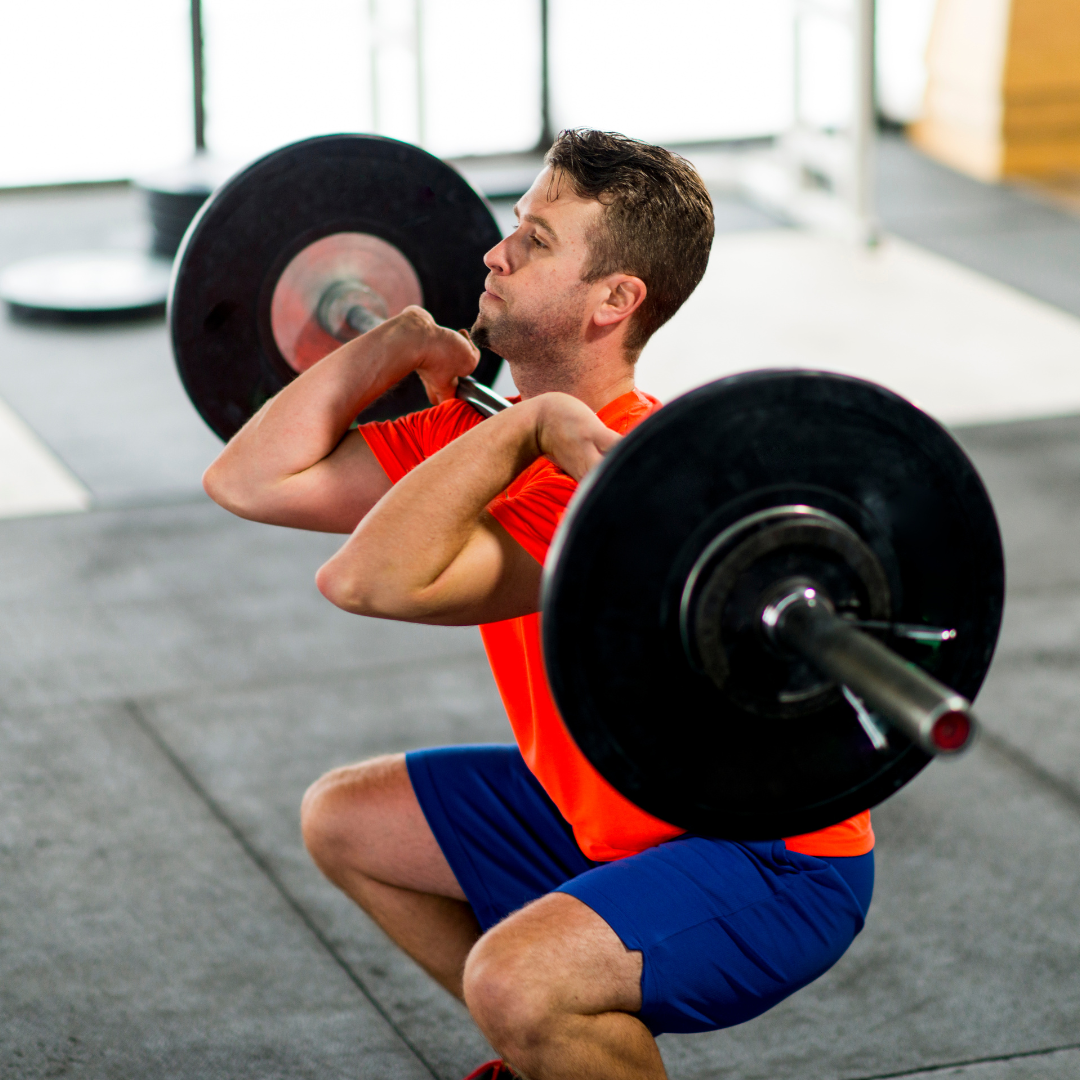
How Technique Impacts Powerlifting Performance
Good technique does more than prevent injury. It actually allows you to lift more weight. Here’s how:
Leverage And Biomechanics
Your body is like a machine. The way you set up for a lift—your stance, grip, and posture—changes your leverage. Better leverage means you can use your muscles more efficiently.
For example, in the squat, a lifter with a long femur (thigh bone) might need a wider stance to stay balanced. In the deadlift, starting with your hips too high or too low can waste energy.
Maximizing Muscle Involvement
Proper form ensures that the right muscles are doing most of the work. For instance, a good bench press setup engages the chest, triceps, and shoulders together, while a poor setup might overload just the shoulders.
Consistency And Progress Tracking
When your technique is consistent, you can accurately measure progress. If your form changes every session, it’s hard to know if you’re really getting stronger or just changing the way you lift.
Competition Standards
In powerlifting, each lift must follow strict rules. Lifts that break form—like squats that aren’t deep enough—don’t count. Practicing proper technique ensures your lifts will be accepted in competition.
Common Technical Mistakes And Their Consequences
Many lifters, especially beginners, fall into some common traps. Recognizing these can save months, or even years, of frustration.
- Rushing the Setup: Not taking time to get into the right position leads to poor lifts and higher injury risk.
- Neglecting Warm-ups: Jumping into heavy sets without practicing form increases the chance of mistakes.
- Using Momentum: Swinging or bouncing the bar turns a controlled lift into a risky one.
- Ignoring Weak Points: If you always fail at the same part of a lift, it’s often a sign of technical weakness, not just lack of strength.
- Copying Others Blindly: Everyone’s body is different. Just because a lift works for someone else doesn’t mean it’s best for you.
A lifter who fixes these mistakes will usually see fast improvements, even without adding weight.
The Role Of Coaching And Feedback
Even experienced lifters need another set of eyes. A coach or training partner can spot errors you might not notice. Video analysis is also helpful—recording your lifts and watching them in slow motion can reveal details you miss in real time.
Some lifters use apps or software that track bar path, speed, and technique. These tools help identify technical flaws and measure progress more accurately.
Technique Vs. Strength: Which Comes First?
This is a common debate. Should you focus on getting stronger or getting better technique first? The answer is almost always: technique comes first.
Building strength on top of poor technique is like building a house on a weak foundation. Eventually, something will break down. Once you have solid technique, you can safely add weight and build strength much faster.
How Elite Lifters Use Technique To Their Advantage
Top-level powerlifters don’t just rely on muscle. They study and refine every detail of their lifts. Sometimes, changing a grip by just 1–2 centimeters can add several kilograms to a lift.
For example, in the 2023 IPF World Championships, multiple lifters broke records by making small adjustments to their technique rather than just focusing on brute force. These changes included adjusting bar path, timing breathing, or modifying stance width.
Elite lifters also rehearse the commands used in competition—like “squat,” “press,” and “rack”—to make sure their technique matches the rules. Practicing under these conditions reduces the chance of mistakes on the platform.
Practical Steps To Improve Technique
Want to get better at powerlifting? Here’s a simple plan:
- Record Your Lifts: Use your phone to film from the side and front.
- Review and Compare: Watch your videos and compare your form to top lifters or official guidelines.
- Get Feedback: Ask a coach or experienced lifter for advice.
- Drill the Basics: Practice technique with lighter weights. Don’t rush to go heavy.
- Use Cues: Simple phrases like “chest up” or “push through heels” help you remember key details.
- Progress Slowly: Only add weight when your form is solid.
How Technique Affects Longevity And Injury Risk
Powerlifting can be tough on the body. But the main reason lifters get injured is not the weight—it’s poor form. Here are some statistics:
- A study in the Journal of Strength and Conditioning Research found that lifters with poor squat technique were three times more likely to suffer knee or lower back injuries.
- Consistent bad form can lead to overuse injuries, especially in the shoulders, lower back, and knees.
Using good technique not only helps you lift more now—it helps you stay healthy and active for years.
Technique And Training Accessories
Many lifters use gear like belts, knee sleeves, or wrist wraps. These can help, but they’re not a substitute for good form. Using a lifting belt, for example, only helps if you know how to brace your core correctly.
Lifting shoes can improve squat technique by providing a stable base and better ankle support. But again, they won’t fix poor mechanics.
Technique In Different Powerlifting Styles
There are a few different styles in powerlifting, and each requires its own technical adjustments:
- Raw Lifting: No special suits or shirts, just a belt and maybe knee sleeves. Technique is crucial because you can’t rely on equipment.
- Equipped Lifting: Special suits and shirts add support, but also change how you move. Lifters need to learn new techniques for these lifts.
- Classic vs. Sumo Deadlift: The sumo stance reduces range of motion but requires more hip mobility. Conventional is more straightforward but tougher on the lower back.
Choosing the right style and perfecting its technique can add kilos to your total and reduce injury risk.
Data: Technique Vs. Strength Progression
Here’s a comparison showing how two different lifters progress over time—one focusing on technique, the other only on adding weight.
| Week | Lifter A (Focus: Technique) | Lifter B (Focus: Weight Only) |
|---|---|---|
| 1 | Squat: 60kg (good form) | Squat: 60kg (sloppy form) |
| 6 | Squat: 80kg (solid form) | Squat: 85kg (shaky, knee pain) |
| 12 | Squat: 100kg (injury-free) | Squat: 70kg (reduced due to injury) |
This example shows that lifters who focus on technique progress more safely and steadily.

Non-obvious Insights About Powerlifting Technique
- Technique Can Change Over Time: As you get stronger or your body changes, your best form might change too. Regularly reassess your stance, grip, and bar path.
- Mental Practice Helps: Visualizing perfect lifts—called “mental reps”—can improve your technique even when you’re not in the gym.
- Breathing Matters: How you breathe during a lift (using the Valsalva maneuver) makes a big difference in stability and power.
- Mobility Affects Technique: Tight hips or shoulders can limit your form. Regular mobility work can unlock better technique and more strength.
Technique And Powerlifting Programming
A good training program doesn’t just tell you how much to lift—it includes time for technique work. Some lifters spend the first part of each session doing “technique sets” with lighter weight, focusing on perfect form before moving to heavier sets.
Coaches often use “pause reps,” “tempo reps,” or “partial reps” to fix specific technical weaknesses. For example, pausing at the bottom of a squat builds control and confidence.
Comparing Technical Demands: Squat Vs. Bench Vs. Deadlift
Each lift has unique technical challenges. Here’s a summary:
| Lift | Main Technical Focus | Common Mistake | Injury Risk (if done poorly) |
|---|---|---|---|
| Squat | Depth, knee tracking, core stability | Shallow depth, knees caving in | Knees, lower back |
| Bench Press | Grip, bar path, arch | Elbows flared, bouncing bar | Shoulders, wrists |
| Deadlift | Back position, hip/shoulder timing | Rounding back, jerking bar | Lower back, hamstrings |
Real-world Example: How Technique Changes Results
Consider two lifters, both aiming for a 150kg deadlift. The first uses perfect form, keeping a straight back and driving with the legs. The second rounds his back and yanks the bar. The first lifter will likely succeed and feel strong afterward.
The second might get the weight up, but risks back pain or injury, and will struggle to improve.
Frequently Asked Questions
What Is The Most Important Technical Tip For Beginners In Powerlifting?
Focus on form before weight. Master the correct movement pattern with lighter loads. This builds a strong foundation and makes it easier to add weight safely later.
Can Poor Technique Limit My Strength Gains In Powerlifting?
Absolutely. Bad form not only risks injury but also prevents you from using your muscles efficiently. Over time, this limits how much weight you can lift.
How Can I Tell If My Powerlifting Technique Needs Work?
Look for signs like pain in joints, repeated failed lifts at the same point, or differences between your form and that of experienced lifters. Recording your lifts and asking for feedback helps spot issues.
Is It Possible To Improve Powerlifting Technique On Your Own?
Yes, but it’s often slower. Video analysis and online resources help, but a coach or experienced lifter can provide faster, more accurate feedback. For official rules and standards, check the Wikipedia Powerlifting page.
Do Powerlifting Accessories Improve Technique?
They can help, but only if you already have solid technique. Belts, shoes, or sleeves support your body, but they don’t fix poor form. Always focus on technique first, then add accessories as needed.
Powerlifting is a journey of strength, but also of skill. Perfecting your technique is the surest way to lift heavier, stay healthy, and enjoy long-term progress in the sport. Whether you’re a beginner or a seasoned lifter, never stop working on your form.
It’s the secret weapon behind every great powerlifter’s success.

