
If you are setting up a home gym or looking to improve your upper body strength, you have probably noticed two popular tools: dip bars and dip stations. At first glance, they might look similar, but they are not the same. Understanding the difference is important for your safety, training goals, and how you use your workout space. Many people buy the wrong equipment because they don’t know what each one offers. This article will break down all you need to know about dip bars and dip stations, from their design and uses to the small details that can affect your workout.
What Are Dip Bars?
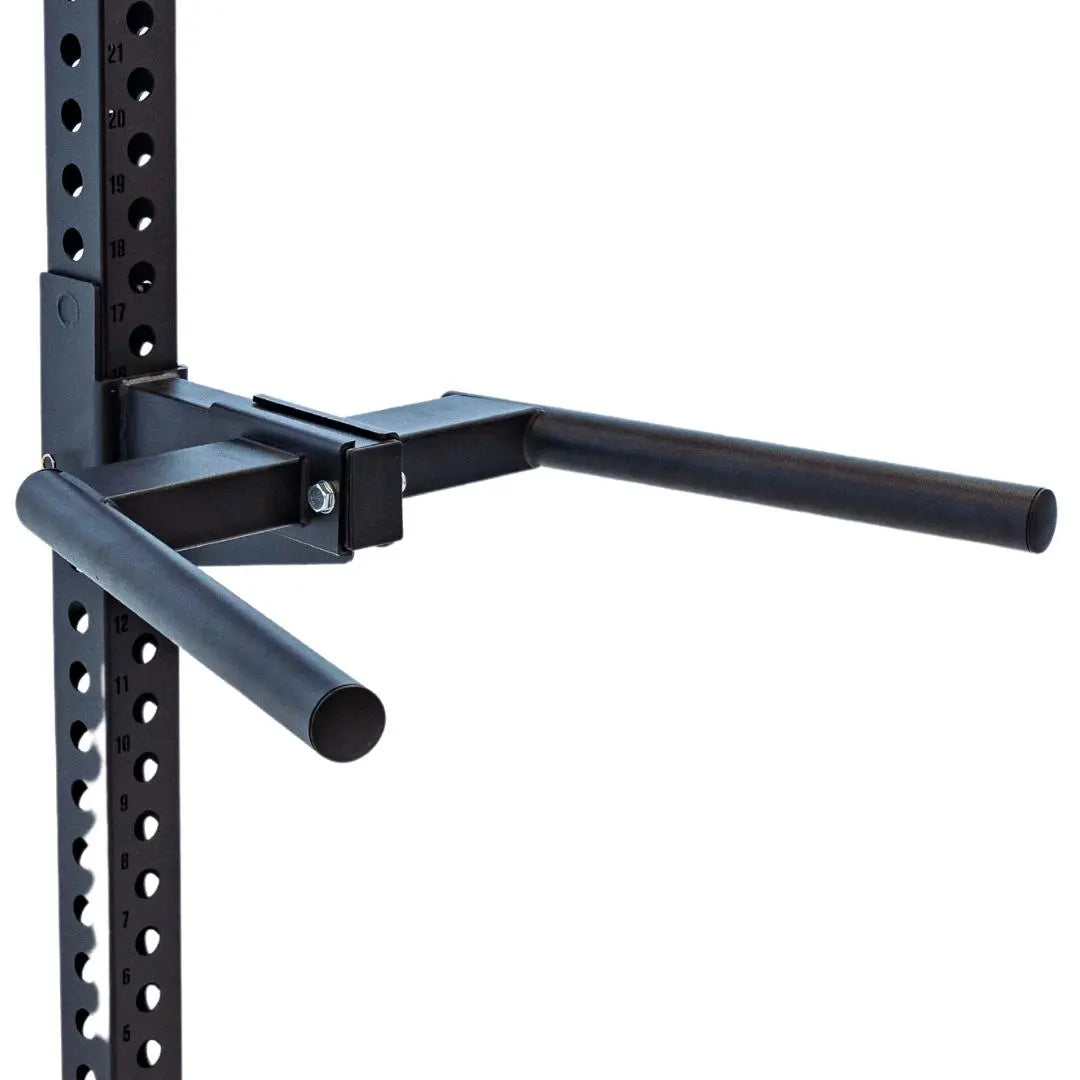
Dip bars are a basic piece of exercise equipment. They usually come as two parallel bars, set at a fixed height, which you can use to perform dips. Dips are a bodyweight exercise where you support yourself on the bars and lower your body by bending your arms, then push back up.
Dip bars are simple, compact, and often portable.
Most dip bars are made from steel or heavy-duty metal. Some have rubber grips or padding for comfort, but many are just bare metal. They are usually not connected to each other, so you can move or store them easily.
The space between the bars is fixed, but some brands allow a small range of adjustment.
Dip bars are often used for:
- Triceps dips
- Chest dips
- L-sits
- Knee or leg raises
Their main advantage is simplicity. You can place them anywhere with a flat surface. They are lightweight, so you can use them at home, in a gym, or even outdoors.
What Are Dip Stations?
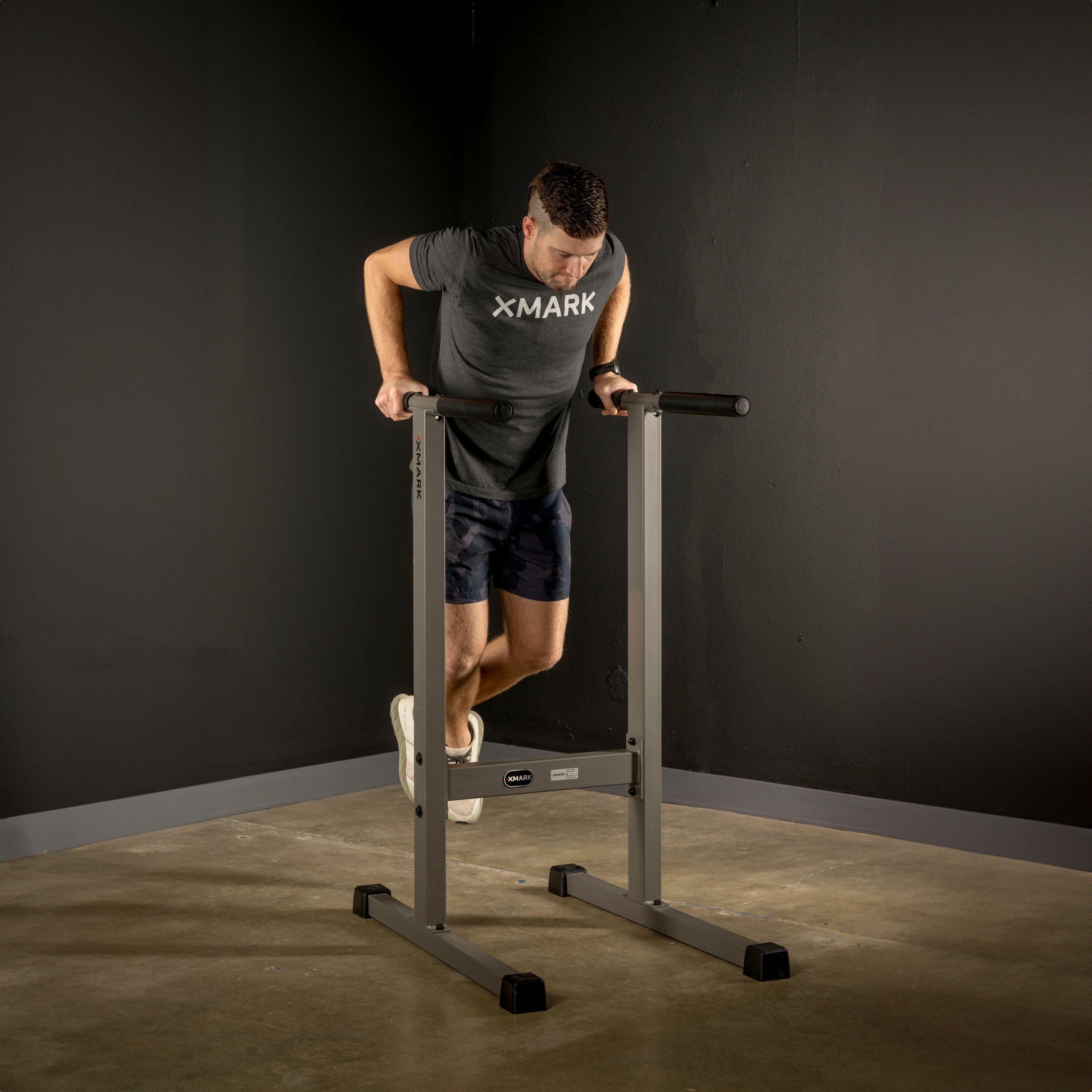
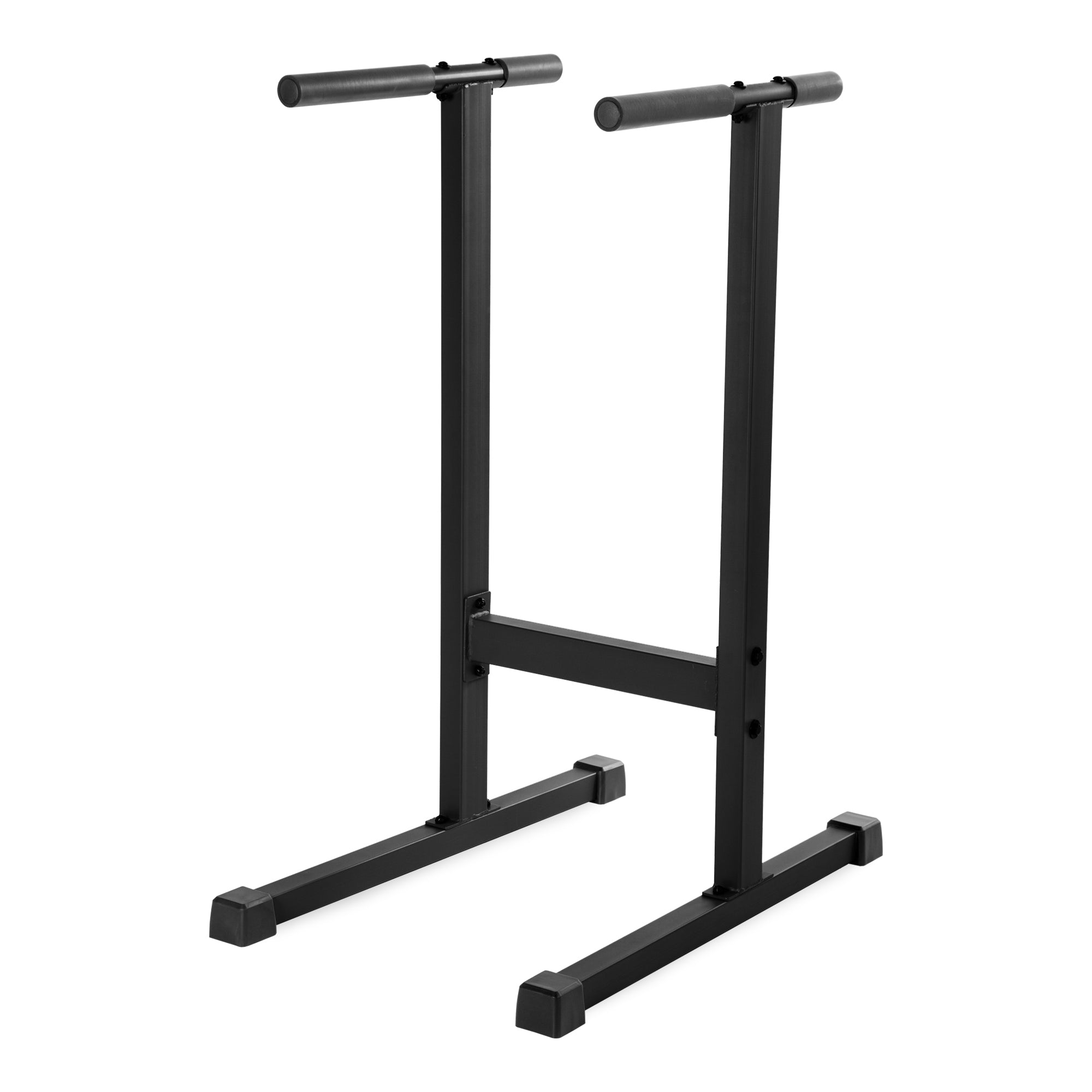
A dip station is a more advanced and stable piece of equipment. It usually has two parallel bars, but these are connected to a larger frame. The frame can have a base that sits on the floor or even be attached to a wall.
Dip stations are built for stability and often support more types of exercises.
Many dip stations include extra features, such as:
- Pull-up bars
- Push-up handles
- Back and arm pads
- Adjustable height settings
- Step-up platforms
Dip stations are larger and heavier than dip bars. They are not as easy to move, and they take up more space. But they are also safer, especially for heavy users or more intense workouts. They do not tip over easily and often have rubber feet to protect your floor.
Besides dips, you can use dip stations for:
- Pull-ups
- Chin-ups
- Vertical knee raises
- Hanging leg raises
- Bodyweight rows
Some dip stations are multi-functional, designed to be a complete upper body workout station.
Key Differences At A Glance
To help you see the main differences quickly, here is a comparison:
| Feature | Dip Bars | Dip Stations |
|---|---|---|
| Structure | Two separate bars | Bars fixed to frame |
| Portability | Portable & lightweight | Heavy & stationary |
| Stability | Can wobble or tip | Very stable |
| Exercise Options | Limited | Wide variety |
| Space Required | Minimal | More space needed |
| Price | Cheaper | More expensive |
Design And Construction
Dip Bars
Most dip bars are designed for simplicity and ease of use. The bars are usually:
- 30 to 40 inches long
- 18 to 24 inches apart
- About 24 to 36 inches high
The material is often powder-coated steel. Some have rubber end caps for safety. Because they are not connected, you can adjust the distance between the bars a little, which is helpful for different body sizes. However, this also means they can shift if you don’t place them carefully.
Dip bars rarely have advanced features. They are not meant for pull-ups or exercises that require a lot of vertical support. Their main focus is bodyweight dips.
Dip Stations
Dip stations are larger and sturdier. The frame is made from thick steel tubing and can support more weight (often up to 400–500 lbs). The bars are fixed to the frame, so the distance between them cannot be adjusted. The frame usually stands on a wide base to prevent tipping.
Some dip stations have:
- Adjustable bar height
- Padded grips
- Back and arm supports
- Multiple handles for different grips
A few models can be folded, but most stay in one place. The frame also allows for more complex exercises without fear of movement.
Safety And Stability
One of the main reasons people choose between dip bars and dip stations is safety.
Dip Bars: Safety Concerns
Because dip bars are separate pieces, they can move if you are not careful. If you put more weight on one bar, it may tip. They work best on a flat, non-slippery floor. Heavy users or those doing explosive movements might find dip bars less safe unless they are weighted down or placed against a wall.
Dip Stations: Secure And Reliable
Dip stations are built for stability. The frame spreads your weight evenly. Even if you use a lot of force, the station won’t move or tip. This is especially important for beginners or anyone who trains alone. Some stations have rubber or silicone feet to prevent slipping, even on smooth floors.
If you want to do advanced moves (like swinging L-sits or weighted dips), a dip station is much safer.
Exercise Variety
What You Can Do On Dip Bars
Dip bars are mainly for dips. But creative users also do:
- L-sits: Hold your body up with straight arms and legs extended.
- Knee raises: Hang from the bars and lift your knees.
- Incline push-ups: Place your hands on the bars and do push-ups at an angle.
- Australian pull-ups: If the bars are low enough.
However, their use is limited by their height and the lack of a frame. You cannot do pull-ups unless you balance the bars on something else.
What You Can Do On Dip Stations
Dip stations give you more options. Besides regular dips, you can do:
- Pull-ups and chin-ups: If the station has a top bar.
- Vertical knee raises: Stand inside the frame and lift your knees.
- Bodyweight rows: Use lower handles if available.
- Leg raises: Hang from the bar.
- Push-ups and incline push-ups: Some stations have handles at the base.
Some dip stations even have attachments for resistance bands or weights. This flexibility makes them a good choice for full upper body training.
Space And Portability
Dip Bars: Best For Small Spaces
Dip bars are small and light. You can move them out of the way when not in use. Many people store them under the bed or behind a door. If you train outside, you can carry them to a park. This makes them perfect for:
- Apartments
- Dorm rooms
- Traveling athletes
Dip Stations: Need More Room
Dip stations are bigger and heavier. You need a dedicated space in your home or garage. They can’t be moved easily, and some require assembly. However, the stability and exercise options are worth it if you have the space.
Cost And Value
The price difference between dip bars and dip stations can be big. Here is an example of typical prices:
| Equipment Type | Average Price Range | Common Features |
|---|---|---|
| Dip Bars | $40 – $100 | Basic, portable, no extras |
| Dip Stations | $100 – $300+ | Sturdy frame, extra handles, padding |
Dip bars are a good value if you only want to do dips or have a low budget. Dip stations cost more, but offer much more variety and stability.
Who Should Choose Dip Bars?
Dip bars are best for:
- Beginners on a budget: If you are new to calisthenics or bodyweight training, dip bars give you a cheap way to start.
- People with limited space: You can store them easily and move them around.
- Travelers: If you want to keep training on the road, dip bars fit in your car.
- People who only want to do dips: If dips are your main focus, you don’t need a full station.
But dip bars have limits. If you gain strength and want to try advanced moves, you might outgrow them.
Who Should Choose Dip Stations?
Dip stations are ideal for:
- Intermediate and advanced users: If you want to train dips, pull-ups, and core, a dip station gives you more options.
- People with dedicated home gyms: If you have space, the station can be the center of your upper body training.
- Those who need extra safety: Heavy users, people training alone, or those doing weighted dips will appreciate the stability.
- Families or multiple users: The station is more durable and can be used by people of different sizes.
The higher price is balanced by more exercise options and safety.
Common Mistakes When Choosing
Many buyers make mistakes because they don’t understand the difference. Here are the most common ones:
- Buying dip bars for advanced workouts: If you plan to do explosive dips, weighted dips, or other dynamic moves, dip bars might not be stable enough.
- Getting a dip station for small spaces: Some people buy a large station, then realize it won’t fit in their room.
- Ignoring weight limits: Always check the maximum user weight. Some cheap dip bars are not strong enough for heavier users.
- Choosing by price only: Low-cost dip bars sometimes use thin steel and can bend.
- Not thinking about exercise variety: If you want to do pull-ups, make sure the station has a top bar.
Non-obvious Insights
Many beginners miss these important points:
- Grip thickness matters: Some dip bars have thin grips that hurt your hands during long sets. Thicker handles are more comfortable and reduce wrist strain.
- Bar spacing affects your shoulders: If the bars are too far apart, you can hurt your shoulders. People with narrow shoulders need bars that are closer together.
- Floor surface changes everything: Dip bars can slide on smooth floors. If you have tile or wood, look for bars with rubber feet or use a mat underneath.
- Assembly quality varies: Some dip stations require complicated assembly. Read reviews to see if the frame feels solid once built.
- Resale value: Dip stations often keep their value better than dip bars, especially if they have extra features.
How To Choose: Key Factors
When choosing between dip bars and dip stations, consider these questions:
- How much space do I have? Measure your area. Make sure you have enough room for the equipment and for your body during the exercise.
- What exercises do I want to do? If you want only dips, bars are enough. For more variety, choose a station.
- What is my budget? Dip bars are cheaper, but a station gives more options for a higher price.
- Do I move often? If you need to move your gym or travel, dip bars are better.
- How important is safety? For heavy or advanced users, stability is key.
Real-world Examples
Let’s look at two typical users:
Emily is a college student with a small apartment. She buys a set of portable dip bars for $60. She does dips and L-sits, and stores the bars under her bed. After a year, she decides to do more advanced moves. She sells her dip bars and upgrades to a dip station.
Mike is a fitness enthusiast with a garage gym. He buys a dip station for $200. He uses it for dips, pull-ups, and leg raises. The station stays in place, and his whole family uses it. The station is still solid after years of use.
Maintenance And Durability
Both dip bars and dip stations need some basic care:
- Check bolts and screws: Over time, these can loosen, especially with frequent use.
- Clean grips and pads: Sweat can cause rust or damage. Wipe down after workouts.
- Inspect for cracks or bends: Cheap dip bars can bend under heavy weight. Check the structure regularly.
Dip stations tend to last longer, but both can serve you well if cared for.
Dip Bars Vs. Dip Stations For Home Gyms
Many people wonder which is better for a home gym. The answer depends on your goals and space.
- Dip bars are best if you want a simple, small, and affordable tool. They are enough for basic strength training and can be stored easily.
- Dip stations are better if you want to build a full upper body workout space. The extra stability and options make your workouts safer and more effective.
For some, the ideal setup is both: start with dip bars, and upgrade to a station as you get stronger.
Popular Brands And Models
When shopping, you’ll see many brands. Here are some of the most trusted:
Dip Bars:
- Lebert Fitness Equalizer: Very popular, portable, and sturdy.
- ProsourceFit Dip Stand: Adjustable and affordable.
- Ultimate Body Press Parallettes: Designed for stability.
Dip Stations:
- Sportsroyals Power Tower: Strong, with many grip options.
- XMark VKR Power Tower: Durable, with back and arm supports.
- Stamina Power Tower: Compact but still sturdy.
Always check the weight capacity and reviews before buying. For more detailed comparisons, see Wikipedia’s Parallel Bars page.
How To Use Dip Bars And Dip Stations Safely
- Warm up before every workout to protect your shoulders.
- Start with bodyweight only, then add weight as you get stronger.
- Use proper form: Keep your shoulders down and elbows close to your body.
- Don’t rush: Controlled movement is safer and more effective.
- If you feel pain, stop. Shoulder and wrist injuries are common with poor form.
Frequently Asked Questions
What Muscles Do Dips Work?
Dips mainly work the triceps, chest, and shoulders. They also use muscles in your core, back, and forearms for stability. Changing your body angle can shift the focus more to the chest or triceps.
Can Dip Bars Be Used For Pull-ups?
Most dip bars are not high or stable enough for pull-ups. You might use very tall dip bars for limited pull-up work, but for safety and range of motion, a dip station with a pull-up bar is much better.
Are Dip Stations Worth The Higher Price?
If you want a safer and more complete upper body workout, dip stations are usually worth the extra money. They last longer, support more exercises, and are better for families or advanced users.
How Much Weight Can Dip Bars And Dip Stations Hold?
Weight capacity depends on the model. Good dip bars can usually hold 250–400 lbs. Quality dip stations often support 400–500 lbs or more. Always check the manufacturer’s specs before buying.
Which Is Better For Small Apartments: Dip Bars Or Dip Stations?
Dip bars are better for small apartments. They are smaller, lighter, and can be stored easily. Dip stations require more space and are harder to move.
Choosing the right equipment makes a big difference in your fitness journey. Whether you start with dip bars or invest in a dip station, focus on safety, quality, and your training goals. With the right choice, you can build real strength and enjoy your workouts for years to come.

