
What Is A Squat In Powerlifting?
The squat is one of the most recognized and respected lifts in powerlifting. It is not just a movement for building muscle—it’s a test of full-body strength, technique, and mental focus. When people talk about the squat in powerlifting, they mean a specific way to perform this lift that follows strict rules and standards. Understanding the squat’s role in powerlifting will help you see why it is so important for athletes and why it has become a benchmark for strength worldwide.
The Squat: Powerlifting’s Foundation
In powerlifting, the squat is one of the three main lifts, along with the bench press and the deadlift. These three exercises are used to measure an athlete’s total strength. The squat is usually the first lift performed in a powerlifting competition. This is not by accident; the squat sets the tone for the meet. It is a compound movement, meaning it works many muscle groups at once.
A powerlifting squat is not just about how much weight you can move. It requires precise technique and follows strict competition rules. Judges watch every repetition to make sure lifters go deep enough and follow safety standards. Missing these details can mean a failed attempt, no matter how strong you are.
Anatomy Of A Powerlifting Squat
To understand what a squat is in powerlifting, you need to look at the movement step-by-step. Here’s how a powerlifting squat works:
- Setup: The lifter stands under a barbell that sits on a squat rack. The bar is usually placed across the upper back, either high or low, depending on the lifter’s style.
- Unracking: The lifter lifts the bar off the rack and takes a few steps backward to clear the rack.
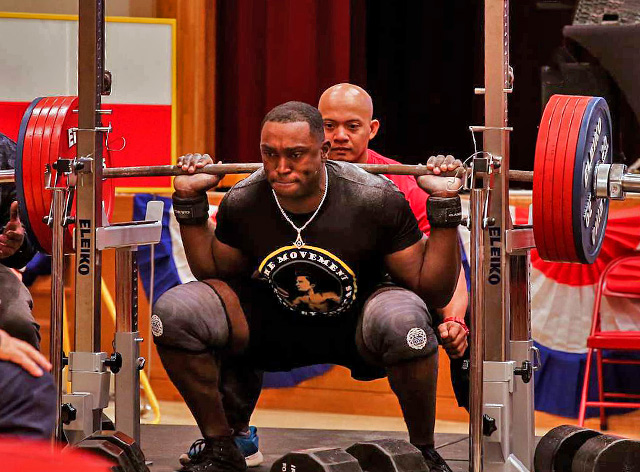
- Descent: The lifter bends the hips and knees, lowering the body until the top of the hip joint is lower than the top of the knee—a position called “breaking parallel.”
- Ascent: The lifter pushes up through the feet, standing back up to the starting position, with the knees and hips fully locked.
This movement is simple in theory, but in practice, it requires balance, mobility, and strength. Many beginners do not realize how much practice it takes to master the squat. For example, keeping your back straight, knees out, and core tight are all necessary for a safe and strong squat.
Key Muscles Used In The Squat
The squat is a full-body exercise, but some muscles do more work than others. The main muscles involved are:
- Quadriceps (front of the thigh)
- Gluteus maximus (buttocks)
- Hamstrings (back of the thigh)
- Adductors (inner thigh)
- Calves
- Lower back
- Core (abdominals and obliques)
These muscles work together to lower and raise the body under heavy weight. The squat also trains stabilizer muscles, which help you control the bar and keep your balance.
Powerlifting Squat Vs. Other Squat Variations
Many people are familiar with squats from fitness classes or sports training. However, the powerlifting squat has unique features. Here’s a comparison to help you see the differences:
| Type | Bar Position | Depth Requirement | Purpose |
|---|---|---|---|
| Powerlifting Squat | High or low on upper back | Hip crease below knee | Max strength, competition |
| Olympic Squat | High bar | Often deeper (ass to grass) | Explosive power, mobility |
| Bodyweight Squat | No bar | Varies | General fitness |
Powerlifters often use a “low-bar” position, where the bar sits lower on the back. This helps lift heavier weights by engaging more hip and back muscles. In contrast, Olympic lifters use a “high-bar” squat for better upright posture and mobility.

Powerlifting Squat Rules
Official powerlifting competitions have strict rules for the squat. Here are the most important ones:
- Depth: The top of the hip must go below the top of the knee (breaking parallel).
- Bar Placement: The bar must be held on the back, not the neck.
- Movement: The lifter must move down and up in one smooth motion. No stopping or reversing partway.
- Knees and Hips: At the end, both must be fully locked out.
- Rack Command: You cannot rack the bar until the judge gives a signal.
If you miss the depth or break any rule, your lift will not count. Competitions often have three judges watching from different angles to check for mistakes.
Equipment Used In Powerlifting Squats
Powerlifters use special equipment to lift safely and lift more weight. Some common items include:
- Squat rack or monolift: Holds the bar at the right height.
- Barbell: Usually 20 kg for men, 15 kg for women.
- Weight plates: Added to the bar for resistance.
- Squat shoes: Have a raised heel for better balance.
- Lifting belt: Supports the core and lower back.
- Knee sleeves or wraps: Protect the knees and add support.
- Wrist wraps: Help keep the wrists firm.
This equipment is allowed in most competitions, but rules vary depending on the powerlifting federation. For example, some federations do not allow knee wraps, while others do.
How Squats Are Judged In Powerlifting
Each squat attempt in a competition is watched by three judges. They look for:
- Proper depth (hip crease below knee)
- No downward movement after starting to stand up
- Full control throughout the lift
- Waiting for the judge’s commands
If two out of three judges agree the lift was good, it counts. If not, the lift is “red-lighted” and does not count for the total.
A common mistake is “cutting depth”—not going low enough. Some lifters also lose balance or rack the bar too early. Practicing with competition standards is the best way to avoid these errors.
Squat Records And Statistics
Squat records are some of the most impressive feats in strength sports. Here are a few examples to show the level of strength elite powerlifters have reached:
| Lifter | Weight Class | Squat (kg) | Squat (lbs) | Year |
|---|---|---|---|---|
| Ray Williams | Super Heavyweight | 490 | 1,080 | 2019 |
| Stefi Cohen | Under 56 kg (Women) | 202.5 | 446 | 2019 |
| Andrey Malanichev | 140+ kg | 485 | 1,069 | 2016 |
These lifts are done under strict competition rules. Most lifters never reach these numbers, but they show what is possible with years of training.

Training For The Powerlifting Squat
Training for a powerlifting squat is more than just lifting heavy. It involves:
- Technique work: Practicing good form with lighter weights.
- Strength training: Using low repetitions and high weight.
- Accessory exercises: Strengthening weak points, like the lower back or core.
- Mobility drills: Improving flexibility in the hips and ankles.
- Recovery: Resting enough to let muscles heal and grow.
A common beginner mistake is to focus only on lifting heavier, not on improving technique. Another is to skip mobility training, which can limit squat depth and increase injury risk.
Common Mistakes In The Powerlifting Squat
Even experienced lifters make errors. Here are some problems to watch for:
- Not reaching depth: Failing to break parallel is the most frequent mistake.
- Knees caving in: This can cause injury and a failed lift.
- Rounded back: Losing back tension can lead to serious injury.
- Heels lifting off the floor: This shows poor balance or ankle mobility.
- Not using core tightness: A loose core reduces power and increases risk.
Recording your squats or having a coach watch can help you spot and fix these mistakes. Practicing with lighter weights until your form is solid will help you lift more safely in the long run.
The Mental Side Of Squatting
Many lifters focus only on physical strength, but the mental side of squatting is just as important. Heavy squats require confidence and focus. Lifters use mental cues such as “chest up” or “knees out” to remind themselves of good technique. Visualization—imagining yourself completing the lift—can also help performance.
One non-obvious insight: Many beginners do not realize how much nerves can affect a squat. At a competition, the pressure can make even easy weights feel heavy. Practicing with a group or at mock meets helps build confidence for the real event.
Why The Squat Matters In Powerlifting
The squat is often called the “king of lifts” for a reason. It is the first lift in most meets, and a strong squat can set you up for a good total score. It is also a good measure of general lower body strength, which carries over to other sports and daily life.
Another insight: The squat tests more than just the legs. It challenges your back, core, and even your grip on the bar. Being strong in the squat helps you in the bench press and deadlift, making it the foundation of a good powerlifting program.
Squat Variations In Powerlifting Training
While the competition squat follows strict rules, training often includes other types of squats to build strength and fix weaknesses. Common variations include:
- Pause squat: Pausing at the bottom builds strength out of the hole.
- Box squat: Sitting on a box teaches control and depth.
- Front squat: Shifts focus to the quads and upper back.
- Tempo squat: Slowing down the descent improves control.
Using these variations helps lifters avoid plateaus and address problem areas. For example, if you struggle to stand up from the bottom, pause squats can help.
How To Progress Your Powerlifting Squat
Improving your squat takes patience. Here are practical steps:
- Track your lifts: Write down weights, sets, and reps.
- Use proper warm-up: Start with light sets to prepare muscles and joints.
- Add weight slowly: Increase by small amounts to avoid injury.
- Rest and recover: Overtraining leads to setbacks.
- Get feedback: Use video or a coach to check your form.
Many beginners try to add weight too quickly and stall or get hurt. Slow, steady progress is the secret to big numbers over time.
Powerlifting Federations And Squat Standards
Different powerlifting organizations have their own standards for the squat. The most well-known are the International Powerlifting Federation (IPF), United States Powerlifting Association (USPA), and World Powerlifting Congress (WPC). Each federation may have slightly different rules for equipment, depth, or commands.
If you plan to compete, always check the rules of your federation. For example, the IPF is known for strict depth requirements and limited equipment, while other federations might allow more supportive gear.
For more details on powerlifting rules and records, visit the Wikipedia Powerlifting page.
Frequently Asked Questions
What Is The Minimum Depth For A Powerlifting Squat?
The top of your hip joint must go below the top of your knee. This is called “breaking parallel. ” If you do not reach this depth, your lift will not count in competition.
Can You Use Knee Wraps Or Sleeves In Powerlifting Squats?
It depends on the federation. Some allow knee sleeves or wraps, while others do not. Always check your federation’s rules before using supportive gear.
How Is The Squat Different In Powerlifting Compared To Bodybuilding?
Powerlifting squats focus on lifting the most weight with strict depth, while bodybuilding squats may use different depths or stances to target specific muscles for growth.
How Often Should You Squat To Get Stronger?
Most lifters squat 1 to 3 times per week, depending on their program and recovery. Beginners might start with once per week, while advanced lifters may squat more often.
What Happens If You Fail A Squat In Competition?
You have three attempts. If you fail all three, you are “bombed out” and cannot continue in the meet. If you make at least one good lift, you can continue to the next event.
The squat in powerlifting is more than just a lift—it is a test of strength, skill, and determination. Whether you are a beginner or an experienced athlete, understanding the rules, technique, and training methods will help you become a better lifter.
Remember, progress comes from consistent practice, smart training, and learning from every rep.

