
CrossFit is more than just a workout—it’s a global movement. People from all backgrounds join CrossFit gyms, or “boxes,” to challenge themselves with new exercises, build strength, and improve overall fitness. But if you’re new to CrossFit, you might wonder: What equipment do you need for CrossFit? The truth is, CrossFit workouts use a mix of traditional and specialized gear. Knowing what you need helps you get the best results, whether you train at a gym or set up a space at home. This article breaks down essential CrossFit equipment, optional items for advanced athletes, and tips for making smart choices as you start your CrossFit journey.
Essential Crossfit Equipment
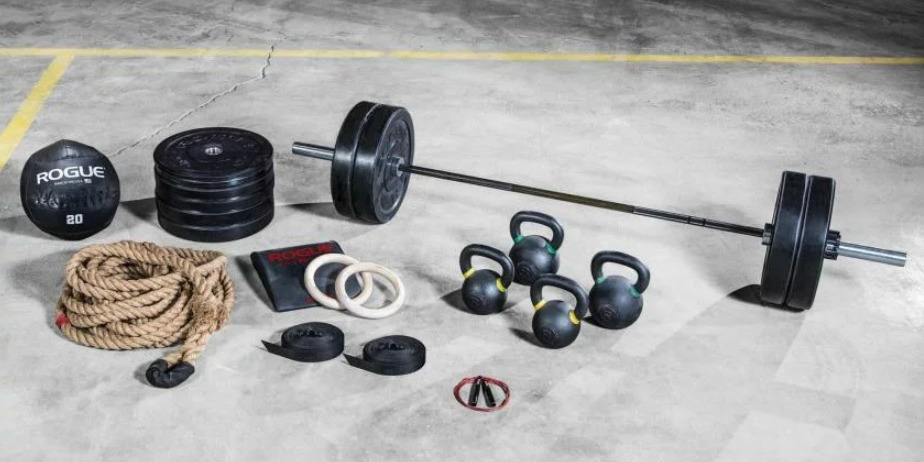
CrossFit uses “constantly varied” workouts, which means you’ll see lots of different movements. But some tools are used almost every day. These core items are found in every CrossFit gym and are the foundation of most WODs (Workouts of the Day).
Barbells
The barbell is the heart of CrossFit strength training. It’s used for squats, deadlifts, presses, cleans, snatches, and more. Most gyms have both men’s (20 kg/44 lbs) and women’s (15 kg/33 lbs) bars. A good CrossFit barbell should spin smoothly and handle repeated drops. If you buy one for home, look for a bar with a medium knurl (grip texture) and strong steel that resists bending.
Bumper Plates
Regular weight plates can break if dropped. Bumper plates are made of dense rubber, so you can drop them safely during Olympic lifts. They come in standard colors and sizes, usually 10, 15, 25, 35, and 45 lbs (or their kilogram equivalents). These plates protect your floor and your barbell.
Pull-up Bar
A sturdy pull-up bar is critical for CrossFit. You’ll use it for pull-ups, toes-to-bar, bar muscle-ups, and even for attaching gymnastic rings. At home, make sure your pull-up bar is anchored securely—cheap doorway versions are not safe for kipping movements.
Kettlebells
Kettlebells add variety to CrossFit WODs. You’ll swing, snatch, clean, press, and carry them in many workouts. Common weights are 16 kg (35 lbs) for women and 24 kg (53 lbs) for men. Choose a kettlebell with a smooth handle and flat bottom for stability.
Plyometric Box
Box jumps are a CrossFit classic. A plyometric box is used for jumps, step-ups, and even some strength movements. Most boxes are made of wood or soft foam and have three usable heights (20″, 24″, and 30″) depending on which side you set on the ground.
Jump Rope
Double-unders—jumping rope so it passes under your feet twice per jump—are a CrossFit staple. A fast, adjustable jump rope is a must. Look for a rope with a steel cable and comfortable handles. Your rope should be sized for your height; usually, handles should reach your armpits when you step on the middle of the rope.
Medicine Ball
The medicine ball is used for wall balls, core exercises, and more. Standard CrossFit wall balls weigh 20 lbs for men and 14 lbs for women. Choose a ball with a tough cover and balanced weight, so it’s easy to catch and throw.
Gymnastic Rings
Rings are used for ring dips, muscle-ups, and other upper-body moves. They add instability, forcing you to use more muscles. Look for rings made of wood (preferred for grip) and sturdy straps that are easy to adjust.
Rowing Machine
A rowing machine (like the Concept2) appears in many CrossFit workouts. It works your whole body and builds both strength and endurance. Most gyms use air-resistance rowers, which mimic the feel of real rowing and track your distance and pace.
Optional But Useful Crossfit Equipment
Once you master the basics, some extra tools can help you get even more from your training. These aren’t required for beginners, but they’re common in advanced workouts and competitions.
Dumbbells
CrossFit often uses dumbbells for presses, snatches, lunges, and thrusters. They train each side of your body independently and add variety. If you’re building a home gym, adjustable dumbbells save space.
Weighted Vest
A weighted vest adds intensity to bodyweight moves like pull-ups, push-ups, and running. The CrossFit Hero WOD “Murph” is famous for using a 20 lb (9 kg) vest. Make sure your vest fits snugly and doesn’t bounce while you move.
Ab Mat
The ab mat is a small, curved pad that supports your lower back during sit-ups. It allows for a full range of motion and prevents discomfort, especially on hard floors.
Parallettes
Parallettes are low bars used for L-sits, handstand push-ups, and other gymnastic skills. They help build wrist and shoulder strength. Good parallettes are stable, with non-slip feet.
Concept2 Bikeerg Or Skierg
These machines—BikeErg and SkiErg—are used for endurance training, similar to the rowing machine. They target different muscle groups and are excellent for cardio work without high impact on the joints.
Resistance Bands
Resistance bands are useful for warming up, stretching, and scaling exercises. Beginners use them for assisted pull-ups; advanced athletes use them to add resistance to squats or presses.
Climbing Rope
The climbing rope is a test of grip and upper-body strength. Rope climbs are a common CrossFit skill, but you need a high ceiling and strong anchor point. Most home gyms skip this unless they have enough space.

What To Look For When Choosing Crossfit Equipment
Not all equipment is equal. Here’s how to choose gear that will last—and keep you safe.
- Durability: CrossFit involves high-intensity, repetitive movements. Choose equipment designed for heavy use. For example, bumper plates should withstand thousands of drops, and pull-up bars should support kipping and swinging.
- Safety: Never compromise on safety. Make sure boxes have non-slip surfaces, jump ropes don’t fray, and gymnastic rings hold your weight. Cheap gear can break and cause injuries.
- Space: Measure your workout area before buying big items. Some equipment, like rowing machines or climbing ropes, need more space. Foldable or stackable gear can save room.
- Budget: Quality gear costs more upfront but lasts longer. If you’re on a tight budget, start with a barbell, bumper plates, and a pull-up bar—these cover most CrossFit movements.
- Versatility: Some equipment, like kettlebells and dumbbells, can be used in dozens of ways. Prioritize multi-purpose items if you have limited space or money.
Crossfit Equipment For Home Vs. Gym
If you train at a CrossFit gym, most equipment is provided. But many people build home gyms for convenience. Here’s how needs differ:
At The Gym
- All major equipment provided
- Large, open space for movements like barbell cycling and running
- Access to coaching and spotters for safety
- Usually has specialty gear (rowers, SkiErg, GHD machines)
At Home
- Space is often limited—choose versatile, compact items
- Start with essentials: Barbell, bumper plates, pull-up bar, jump rope
- Add items over time as budget allows
- Consider noise (dropping weights can disturb neighbors)
Here’s a quick comparison of basic home gym vs. full CrossFit gym setups:
| Equipment | Home Gym Essentials | CrossFit Gym |
|---|---|---|
| Barbell & Bumper Plates | ✔️ | ✔️ |
| Pull-Up Bar | ✔️ | ✔️ |
| Kettlebells | ✔️ | ✔️ |
| Plyo Box | ✔️ (optional) | ✔️ |
| Rowing Machine | ❌ (space/cost) | ✔️ |
| Climbing Rope | ❌ (space) | ✔️ |
| Specialty Machines | ❌ | ✔️ |
Apparel And Accessories
What you wear and small accessories can make your workouts safer and more comfortable.
Crossfit Shoes
CrossFit shoes need to be stable for lifting but flexible for jumping and running. Brands like Nike Metcon and Reebok Nano are designed for CrossFit. Running shoes are too soft for heavy lifts, while weightlifting shoes are too stiff for running.
Hand Grips And Wrist Wraps
Hand grips protect your palms during pull-ups and bar work. Wrist wraps give support during heavy lifts or handstand push-ups. These items prevent blisters and wrist pain, especially during high-rep workouts.
Weightlifting Belt
A weightlifting belt supports your lower back during heavy lifts. It’s not for every lift, but useful when lifting near your max. Beginners should focus on core strength before using a belt.
Chalk
Chalk keeps your hands dry for better grip. It’s useful for pull-ups, kettlebell swings, and deadlifts. Some gyms only allow liquid chalk to reduce mess.
Water Bottle And Timer
A large water bottle keeps you hydrated, and a timer (or gym clock) is essential for interval workouts. Many CrossFit WODs are “for time” or “every minute on the minute” (EMOM), so a clear timer helps you stay on track.
Equipment Maintenance And Storage
Good gear lasts longer with proper care. Here’s how to keep your equipment in top shape:
- Clean regularly: Wipe sweat off barbells, dumbbells, and pull-up bars after use. Sweat can cause rust and wear.
- Store properly: Stack plates safely, hang jump ropes to prevent kinks, and keep medicine balls off wet floors.
- Check for damage: Inspect straps, bands, and handles for signs of wear. Replace anything that’s fraying or cracked.
- Lubricate moving parts: Keep barbell sleeves and rowing machines moving smoothly with oil as recommended.
Here’s a quick guide to equipment maintenance frequency:
| Equipment | Maintenance Task | Recommended Frequency |
|---|---|---|
| Barbell | Wipe & oil sleeves | Weekly |
| Jump Rope | Check cable for frays | Monthly |
| Plyo Box | Inspect for cracks | Monthly |
| Kettlebell | Check handle for chips | Monthly |
| Rowing Machine | Clean chain/track | Monthly |
Two Insights Many Beginners Miss
First, scaling is not weakness. Many new CrossFitters think they must use the heaviest weights or most advanced gear right away. In reality, scaling movements and using lighter equipment helps build good technique, reduces injury risk, and leads to better long-term progress.
Second, recovery tools matter. Items like foam rollers, lacrosse balls, and massage guns are not just extras—they help your muscles recover, prevent soreness, and keep you training consistently. Don’t ignore your recovery just because it’s not part of the workout.
Common Mistakes When Choosing Crossfit Equipment
- Buying too much, too soon: Start with essentials. Don’t waste money on specialty items you might never use.
- Overlooking safety: A cheap pull-up bar or unstable box can cause serious injuries.
- Ignoring your space: Some equipment, like GHD machines, takes up a lot of room.
- Choosing the wrong sizes: Jump ropes that are too long or short, or kettlebells that are too heavy, make workouts less effective.

Frequently Asked Questions
What Is The Most Important Piece Of Crossfit Equipment?
For most people, the barbell is the most important. It’s used for squats, deadlifts, presses, and Olympic lifts, which are key to CrossFit. If you can only buy one item, start here.
Can I Do Crossfit At Home With Minimal Equipment?
Yes. With just a pull-up bar, jump rope, and some dumbbells or kettlebells, you can follow many CrossFit workouts. Bodyweight movements like push-ups, squats, and burpees require no gear at all.
How Do I Know What Weight To Use For Crossfit?
Start light and focus on good technique. For barbells, men often begin with just the bar (20 kg/44 lbs), and women with the 15 kg (33 lbs) bar. Increase weight slowly as you become more confident and skilled.
Are Crossfit Shoes Necessary?
Regular running shoes are not ideal for CrossFit. CrossFit shoes provide a stable base for lifting and enough flexibility for jumping or running. Investing in a pair can improve your performance and reduce injury risk.
Where Can I Learn More About Crossfit Equipment Standards?
You can find official equipment standards and recommendations on the CrossFit website. They provide details on sizes, weights, and safe use.
CrossFit is about challenging yourself and having fun. Start with the essentials, choose gear that fits your needs, and focus on good form. With the right equipment, you’ll be ready for any workout—at home or in the gym.

