Protein powder is everywhere today. You see it in gyms, health food shops, and even in regular supermarkets. Athletes, busy workers, and even older adults are adding it to their daily routine. But why is it so popular? And are the benefits as good as people say?
Understanding the real advantages of protein powder can help you decide if it’s right for you. Whether you want to build muscle, lose weight, or just stay healthy, knowing what protein powder does for your body can make a big difference.
What Is Protein Powder?
Protein powder is a concentrated source of dietary protein. It usually comes from milk (like whey or casein), eggs, plants (like soy, pea, or rice), or even beef. The powder is easy to mix with water, milk, or smoothies. Most products contain between 15 and 30 grams of protein per serving. Some also include vitamins, minerals, or extra ingredients to support health or fitness goals.
There are several main types of protein powder:
- Whey protein (from milk, fast-digesting)
- Casein protein (from milk, slow-digesting)
- Soy protein (plant-based, complete protein)
- Pea protein (plant-based, hypoallergenic)
- Rice protein (plant-based, often blended with other sources)
Each type has its own benefits and is suitable for different needs or dietary restrictions.
Key Benefits Of Protein Powder
Protein powder is not just for athletes. It can help many people in different ways. Here are the main benefits, explained in detail.
1. Supports Muscle Growth
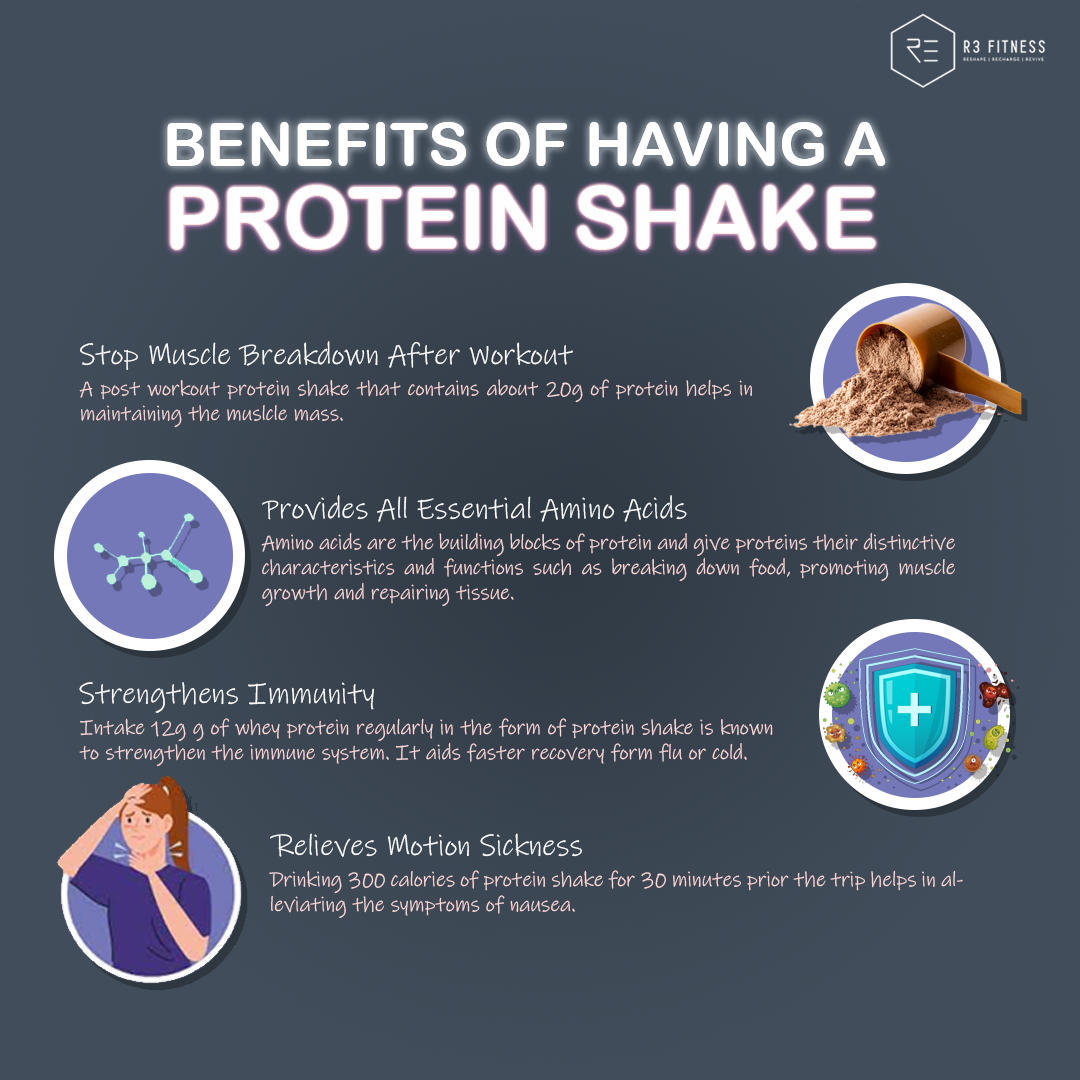
The most well-known use of protein powder is for muscle building. When you exercise, especially with weights, your muscles get tiny tears. Protein helps repair and rebuild these muscles, making them stronger and bigger over time.
- Scientific evidence: A review in the British Journal of Sports Medicine found that supplementing with protein increases gains in muscle mass and strength in both younger and older adults, especially when combined with resistance training.
- Practical example: Drinking a whey protein shake after a workout gives your body the building blocks it needs for muscle recovery.
2. Helps With Weight Management
Protein powder can also support weight loss and healthy weight control.
- Keeps you full: Protein is more filling than carbohydrates or fats. When you eat more protein, you feel less hungry and are less likely to snack on unhealthy foods.
- Boosts metabolism: Digesting protein uses more energy, so your body burns a few more calories.
- Supports fat loss, not muscle loss: If you’re dieting, extra protein helps you lose fat while keeping your muscles.
Example: Replacing a high-calorie snack with a low-calorie protein shake can reduce your daily calorie intake and help with weight loss.
3. Convenient Source Of Protein
In today’s busy world, preparing high-protein meals can be hard. Protein powder is a quick and easy way to add more high-quality protein to your diet.
- Time-saving: Just mix with water or milk—no cooking required.
- Portable: Easy to carry to work, school, or the gym.
- Flexible: Can be added to smoothies, oatmeal, yogurt, or baked goods.
Many people find it difficult to eat enough protein from food alone, especially vegetarians, vegans, or those with food allergies. Protein powder solves this problem.
4. Aids Recovery After Exercise
After intense exercise, your muscles are tired and broken down. Getting enough protein right after your workout helps your body repair muscles faster and reduces soreness.
- Faster recovery: Studies show that consuming protein within 30-60 minutes after exercise speeds up muscle repair and reduces muscle soreness.
- Less injury risk: Faster recovery means you can train more often with less risk of injury.
Whey protein is especially good for post-workout recovery because it digests quickly.
5. Supports Immune Function
Protein is not just for muscles. It’s also essential for a healthy immune system. Antibodies, which fight off viruses and bacteria, are made from protein.
- Prevents illness: If you don’t get enough protein, your body can’t make enough antibodies, making you more likely to get sick.
- Faster healing: Protein also helps your body heal wounds and recover from illness.
Some protein powders even contain extra immune-boosting ingredients, like vitamins or probiotics.
6. Promotes Healthy Aging
As people get older, they naturally lose muscle (called sarcopenia). This can lead to weakness, falls, or loss of independence. Extra protein helps slow down muscle loss and keep older adults strong.
- Easier to eat: Many older adults eat less or have trouble chewing meat. Protein powder is easy to swallow and digest.
- Supports bones: Some protein powders, especially those with added calcium, help maintain strong bones.
Research insight: Studies show that older adults who consume more protein have better muscle strength and physical function.
7. Helps Meet Daily Protein Needs
The recommended daily intake of protein is 0.8 grams per kilogram of body weight (for most adults), but active people or those with certain health needs may require more. Many people, especially women, older adults, or those on certain diets, do not get enough protein.
- Bridges the gap: Protein powder makes it easier to reach your daily protein target.
- Customizable: You can adjust the amount to suit your needs.
Example: If you weigh 70 kg, you need about 56 grams of protein per day. Just two scoops of protein powder can provide more than half of this.
8. Versatile In Recipes
Protein powder is not only for shakes. You can use it in many recipes:
- Add to pancakes or waffles for a high-protein breakfast.
- Mix into oatmeal or yogurt.
- Bake into muffins or energy bars.
This makes it easy to enjoy more high-protein foods without changing your eating habits too much.
9. Plant-based Options For Special Diets
Not everyone can or wants to eat dairy or animal products. There are now many plant-based protein powders available, like pea, soy, or brown rice.
- Good for vegans and vegetarians
- Hypoallergenic options for those with dairy or nut allergies
- Environmentally friendly choices
Plant-based powders are often blended to provide all the essential amino acids your body needs.
10. May Support Blood Sugar Control
Protein slows down the absorption of sugar from food. Adding protein powder to meals or snacks can help stabilize blood sugar levels.
- Helpful for people with diabetes or prediabetes
- Prevents energy crashes after meals
For example, drinking a protein shake with fruit instead of just juice can keep your blood sugar steady.
11. Supports Healthy Hair, Skin, And Nails
Protein is a major building block for hair, skin, and nails. If you don’t get enough, these can become weak or brittle.
- Beauty benefit: Adequate protein intake supports healthy, shiny hair and strong nails.
- Collagen powders: Some protein powders are made from collagen, which can help maintain skin elasticity and hydration.
12. Easy To Digest For Some People
Some forms of protein powder, like hydrolyzed whey, are already broken down into smaller pieces. This makes them easier to digest, especially for people with sensitive stomachs or those who cannot tolerate whole foods after surgery or illness.
- Lactose-free options for those with lactose intolerance
- Low-FODMAP choices for those with digestive issues
13. Can Be Cost-effective
Getting enough protein from meat, fish, or specialty foods can be expensive. Protein powder is often a cost-effective way to add more protein to your diet.
Here’s a quick comparison of protein cost per serving:
| Source | Grams of Protein | Average Cost |
|---|---|---|
| Chicken breast (100g) | 31g | $1.00 |
| Greek yogurt (200g) | 18g | $1.20 |
| Whey protein (1 scoop) | 24g | $0.70 |
Protein powder provides a lot of protein for the price compared to some other sources.
14. May Help With Hormone Balance
Protein is needed for the production of hormones. These chemical messengers control many body functions, including mood, energy, and metabolism.
- Examples: Insulin (controls blood sugar), growth hormone (muscle growth), and leptin (hunger control) all require amino acids from protein.
- Balanced diet: Getting enough protein helps keep hormones working properly.
15. Helps With Injury Recovery
If you’ve had surgery or an injury, your body needs extra protein to heal. Protein powder can make it easier to get enough, especially if your appetite is low.
- Supports tissue repair
- Speeds up wound healing
Many hospitals use protein supplements to help patients recover faster.
16. Useful For Athletic Performance
Athletes need more protein than the average person. Protein powder helps them train harder, recover faster, and avoid injury.
- Endurance athletes: Runners, cyclists, and swimmers use protein powder to reduce muscle breakdown after long workouts.
- Strength athletes: Weightlifters and bodybuilders use it to build muscle and strength.
17. Reduces Unhealthy Snacking
Replacing a low-protein snack (like chips or cookies) with a protein shake or bar can help reduce cravings and keep you satisfied until your next meal.
- Supports healthy habits
- Easier to stick to diet goals
Making a tasty, filling protein smoothie can be a smart way to avoid unhealthy temptations.
18. Supports Bone Health
Protein is important for bone strength. Some research shows that people who eat more protein have stronger bones, especially when they also get enough calcium and vitamin D.
- Protein + calcium: Many protein powders include added calcium, which is good for bones.
- Older adults: Protein powder can help prevent osteoporosis (weak bones) in older people.
19. May Help Lower Blood Pressure
Some studies suggest that whey protein can slightly reduce blood pressure in people with high blood pressure (hypertension).
- Bioactive peptides: These are small pieces of protein that can help relax blood vessels.
- Small but helpful effect: Not a replacement for medicine, but can be part of a healthy lifestyle.
20. Easy To Personalize
Protein powder comes in many flavors, types, and formulas. You can choose what fits your taste, diet, and health needs.
- Flavored or unflavored
- With or without sweeteners
- Extra vitamins, minerals, or fiber
This makes it easy to find a protein powder that works for your body and your goals.
Comparing Protein Powders
With so many choices, how do you pick the right one? Here’s a look at the differences between the most popular types:
| Type | Source | Best For | Notes |
|---|---|---|---|
| Whey | Milk | Muscle gain, recovery | Fast digesting, not for lactose intolerant |
| Casein | Milk | Nighttime use, slow release | Slow digesting, thick texture |
| Soy | Soybeans | Vegetarians, heart health | Complete protein, plant-based |
| Pea | Yellow peas | Allergies, vegans | Hypoallergenic, blends well |
| Rice | Brown rice | Blends, gluten-free | Low in lysine, often mixed with pea |
Common Misunderstandings About Protein Powder
Many people think protein powder is just for bodybuilders. This is not true. It is helpful for anyone who needs more protein, including:
- Older adults trying to stay strong
- Busy workers who skip meals
- People recovering from injury or illness
- Vegetarians or vegans
Another mistake is thinking more protein is always better. Your body can only use a certain amount at a time. Too much protein powder can upset your stomach or put stress on your kidneys if you already have kidney problems.
How To Use Protein Powder Safely
Protein powder is generally safe for most people, but here are some tips for safe and effective use:
- Read the label: Check for added sugars, artificial ingredients, or allergens.
- Stick to your needs: Most people do well with 20–30 grams per serving, once or twice a day.
- Mix with real food: Use protein powder to supplement, not replace, a healthy diet.
- Stay hydrated: Drink plenty of water, as high protein intake increases your need for fluids.
- Watch for side effects: Some people may experience bloating or stomach upset, especially with large amounts or certain types.
When Should You Take Protein Powder?
The best time depends on your goals:
- After exercise: For muscle recovery, drink a shake within 30–60 minutes after training.
- In the morning: If you skip breakfast, a protein shake can start your day right.
- Between meals: As a snack, protein powder can curb hunger and prevent overeating.
- Before bed: Casein protein is digested slowly, making it a good choice before sleep for overnight muscle repair.
Non-obvious Insights About Protein Powder
Many beginners overlook these important facts:
- Not all proteins are created equal. The amino acid profile matters. For example, whey and soy are “complete” proteins, while some plant proteins are not unless blended.
- Absorption rate is important. Whey protein is absorbed quickly, making it ideal for post-workout recovery. Casein is slow, which is better for nighttime.
- Check for third-party testing. Some protein powders may contain contaminants. Look for products tested by groups like NSF or Informed Choice.
- Protein powder is not a magic bullet. It works best when combined with exercise and a balanced diet.
Who Should Consider Protein Powder?
Protein powder is useful for:
- Athletes and active people who need extra protein for muscle repair
- Vegetarians and vegans who have limited protein sources
- Older adults who need to prevent muscle loss
- People with medical needs, like after surgery or during recovery
But if you already get enough protein from food, you may not need a supplement.
Possible Downsides And Cautions
Most people can use protein powder safely, but there are a few risks:
- Too much protein: Over-supplementing can stress your kidneys, especially if you have kidney disease.
- Added sugars: Some powders contain a lot of sugar or artificial flavors.
- Allergies: Read labels if you have allergies to milk, soy, or other ingredients.
- Contaminants: Some low-quality products may contain heavy metals or banned substances.
Choose reputable brands and talk to a doctor or dietitian if you have health concerns.
Protein Powder Vs. Whole Foods
Is protein powder better than whole foods? Not always. Whole foods give you more vitamins, minerals, and fiber. Protein powder is great for convenience, but try to get most of your protein from foods like:
- Lean meats (chicken, turkey)
- Fish
- Eggs
- Dairy (milk, yogurt, cheese)
- Beans and lentils
- Nuts and seeds
Use protein powder as a supplement—not a replacement for real food.
Here’s a quick look at how protein powder compares to whole foods:
| Protein Source | Prep Time | Protein per Serving | Other Nutrients |
|---|---|---|---|
| Whey Protein | 1 min (shake) | 24g | Few |
| Chicken Breast | 15 min (cook) | 31g | B vitamins, iron |
| Greek Yogurt | Ready to eat | 18g | Calcium, probiotics |
Finding Reliable Information
There’s a lot of hype and marketing around protein powder. For trustworthy advice, check science-backed sources like the National Institutes of Health.
Frequently Asked Questions
What Is The Best Type Of Protein Powder For Muscle Gain?
Whey protein is often considered the best for muscle growth because it contains all essential amino acids and is quickly absorbed. However, plant-based blends (like pea and rice together) can also be effective for those who avoid dairy.
Can Protein Powder Help With Weight Loss?
Yes, protein powder can help with weight loss by keeping you full, reducing cravings, and supporting muscle maintenance while you lose fat. Remember to combine it with healthy eating and exercise for best results.
Is Protein Powder Safe For Kids And Teens?
Most healthy children and teens can get enough protein from food. Protein powder is usually safe in small amounts, but it’s best to check with a doctor before giving it to young people.
How Much Protein Powder Should I Take Per Day?
Most people do well with one or two scoops (20–40 grams) per day, depending on their needs and protein intake from food. Too much is not better and may cause stomach discomfort.
Can Protein Powder Cause Kidney Damage?
For healthy people, protein powder is safe when used as directed. If you have kidney disease or other health problems, talk to a doctor before using protein supplements.
Protein powder is a powerful and flexible tool for anyone who needs a convenient, high-quality protein source. It supports muscle growth, weight management, recovery, and overall health. But remember, it works best as part of a balanced diet and healthy lifestyle.
Choose quality products, use them wisely, and enjoy the benefits they can bring to your body and life.