
Many people think of powerlifting as a sport only for men or those who want to build massive muscles. But this idea is fading. More women are stepping into the gym, gripping barbells, and discovering a new sense of strength. Powerlifting, which focuses on three main lifts—squat, bench press, and deadlift—is gaining popularity among women of all ages. The benefits go far beyond just physical appearance.
Women who powerlift often experience changes not just in their bodies, but also in their confidence, health, and mindset. Even beginners, or those who have never touched a barbell before, can benefit. If you’re curious about what powerlifting can do for women, this guide explains it all.
Let’s explore the true advantages, with practical details and data, so you can decide if this sport is right for you.
What Makes Powerlifting Special For Women?
Powerlifting is not just another gym routine. It’s a sport that focuses on strength training using heavy weights in three core moves. Unlike bodybuilding, the goal isn’t to look a certain way, but to get stronger and lift heavier over time.
Many women worry about getting too “bulky. ” In reality, women have lower levels of testosterone, so it’s hard to build large muscles quickly. Instead, powerlifting helps create a toned, strong body. But the benefits go much deeper.
Physical Benefits: Stronger, Healthier Bodies
1. Increased Muscle Strength
One of the most obvious outcomes is muscle strength. Powerlifting requires you to lift heavy weights, which forces your muscles to grow stronger. Over time, everyday tasks—like carrying groceries or picking up kids—feel much easier. Strong muscles also protect your joints, which is important as we age.
2. Improved Bone Density
Women are at higher risk of osteoporosis as they get older. Powerlifting puts stress on your bones in a good way, signaling your body to make them denser and stronger. Studies show that women who do resistance training have higher bone mineral density and lower risk of fractures.
3. Better Body Composition
Many women want to lose fat and tone up. Powerlifting helps with both. When you lift weights, you build muscle, which increases your resting metabolism. That means you burn more calories even when you’re not working out. It’s possible to lose fat and gain muscle at the same time, leading to a leaner, firmer body—not just a smaller one.
4. Enhanced Posture And Core Stability
Powerlifting isn’t just about your arms or legs. The big lifts require your whole body, especially your core muscles. The squat and deadlift build a strong lower back and abs. This leads to better posture, less back pain, and stronger movement in daily life.
5. Boosted Athletic Performance
Many female athletes use powerlifting as a base for their main sport. Stronger muscles mean better performance, whether you run, play tennis, or swim. Powerlifting teaches your body to move with power, speed, and control.
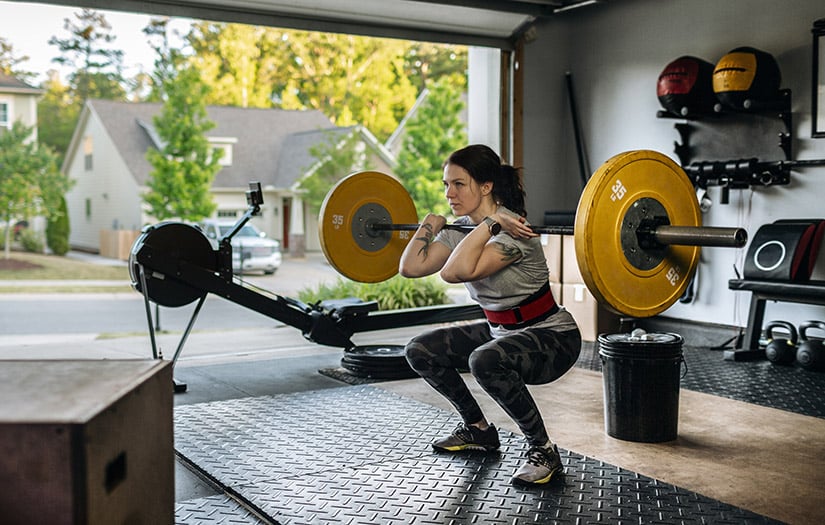
Mental And Emotional Benefits
1. Greater Confidence And Self-esteem
There’s something powerful about setting a goal—lifting a certain weight—and achieving it. Each time you add more weight to the bar, you prove to yourself what you’re capable of. This feeling carries into other parts of life, building confidence and a positive self-image.
2. Stress Relief
Lifting heavy weights demands focus. For many women, training sessions become a break from daily worries. Physical activity also triggers the release of endorphins, the body’s natural “feel good” chemicals, helping to reduce stress and anxiety.
3. Goal-oriented Mindset
Powerlifting is about progress, not perfection. You learn to set goals, track your results, and work step by step. This “growth mindset” helps in the gym and beyond—at work, in school, and in relationships.
4. Resilience And Grit
Sometimes you fail a lift. Sometimes progress is slow. But powerlifting teaches you to keep going, try again, and not give up. This mental toughness is valuable in all areas of life.
Health Improvements Beyond The Gym
1. Reduced Risk Of Chronic Disease
Strength training has been linked to a lower risk of many diseases. Powerlifting can help reduce blood pressure, improve cholesterol, and lower the risk of Type 2 diabetes. Women who lift weights have better insulin sensitivity and healthier hearts.
2. Hormonal Balance
Powerlifting can improve hormonal health, especially for women. Regular strength training helps balance estrogen and progesterone, reduces symptoms of PMS, and may make menstrual cycles less painful. It’s also helpful during menopause, as it combats muscle and bone loss.
3. Injury Prevention
Strong muscles and joints are less likely to get hurt. Powerlifting teaches you how to move safely and with control. Many women find that old aches and pains fade as their bodies get stronger.
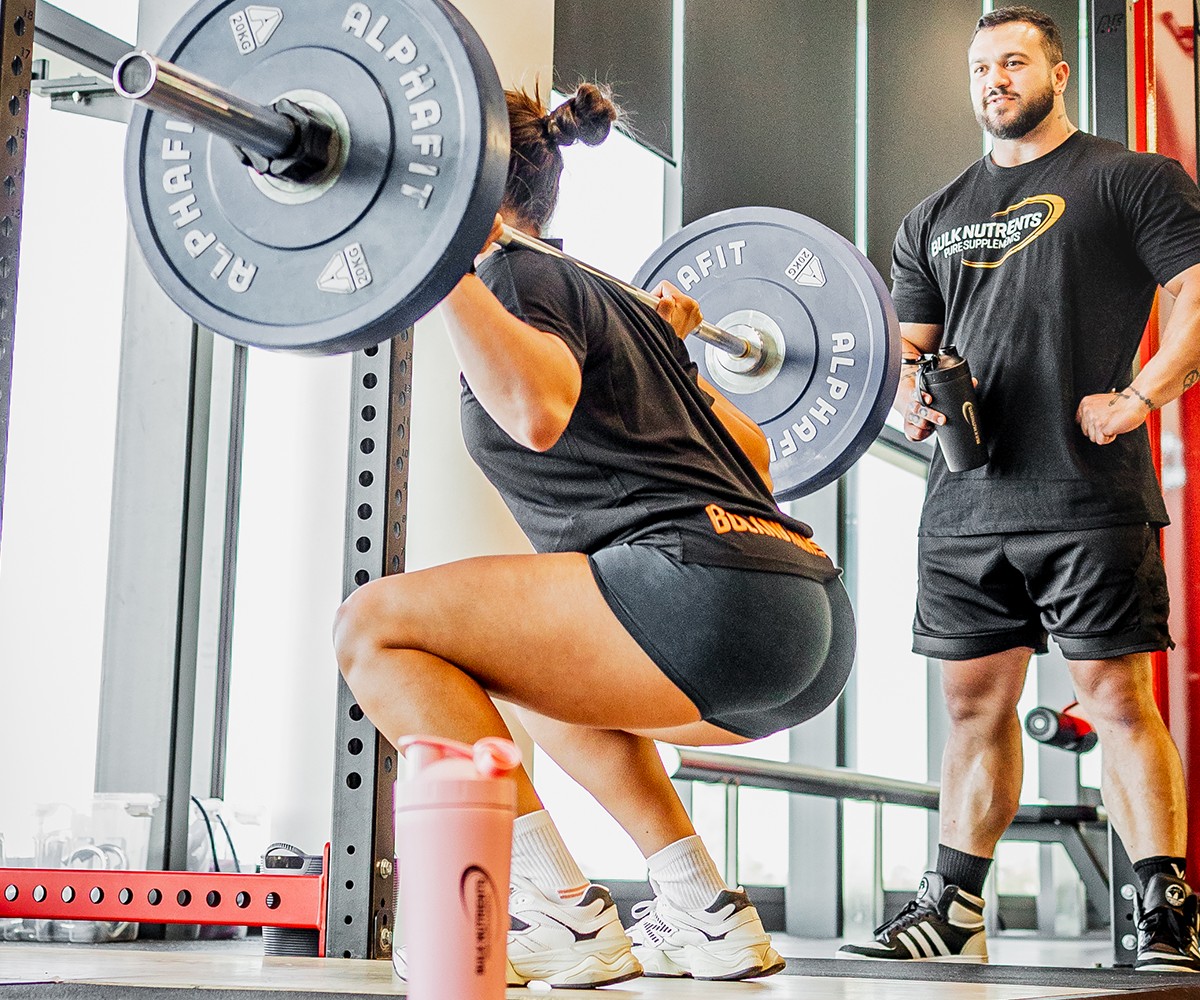
Social And Community Benefits
1. Supportive Community
Powerlifting has a unique culture. Women often find a welcoming, encouraging group in their gym or club. People celebrate each other’s successes—no matter how big or small. This support makes it easier to stick with your training.
2. Breaking Stereotypes
By powerlifting, women challenge old ideas about what women “should” do. This inspires others and helps create a more equal, open-minded society. Many women say the respect they earn in the gym follows them into daily life.
3. Opportunities For Competition And Recognition
If you love challenges, there are many local and national competitions for women. Competing is not required, but it’s an option for those who want to test themselves and be recognized for their hard work.
Powerlifting Vs. Other Fitness Activities
Many women wonder how powerlifting compares to running, yoga, or typical gym workouts. Here is a practical comparison:
| Activity | Main Benefit | Calorie Burn (per hour) | Muscle Gain | Bone Health |
|---|---|---|---|---|
| Powerlifting | Strength, muscle, bones | 200-400 | High | High |
| Running | Cardio, endurance | 500-700 | Low | Low |
| Yoga | Flexibility, balance | 180-300 | Very low | Low |
| Bodyweight Training | General fitness | 250-400 | Moderate | Moderate |
Common Myths About Powerlifting For Women
Many women hesitate to try powerlifting because of myths. Here are the most common—and the truth behind them.
1. “i’ll Get Too Bulky”
As mentioned, women do not have enough natural testosterone to build large muscles easily. Powerlifting builds a lean, strong body—not a bulky one.
2. “it’s Dangerous”
With proper coaching and technique, powerlifting is very safe. Most injuries happen because of poor form or lifting too heavy, too soon. Working with a certified coach helps you learn the right way.
3. “it’s Only For Young People”
Women of all ages—20s to 60s and beyond—can start powerlifting. In fact, many older women use it to improve bone health and independence.
4. “i Need To Be Strong To Start”
Everyone starts somewhere. Many women begin with just the bar (20 kg or 45 lbs) and progress slowly. The key is consistency, not starting strength.
Getting Started: A Beginner’s Guide
If you’re interested in powerlifting, here’s how to begin safely and effectively.
- Find a Qualified Coach: Look for someone with experience teaching beginners. They will help you learn good form and avoid injuries.
- Start with the Basics: You don’t need fancy equipment. Most gyms have everything you need—a barbell, plates, and a squat rack.
- Learn the Three Lifts:
- Squat: Builds your legs and core.
- Bench Press: Works your chest, shoulders, and arms.
- Deadlift: Strengthens your back, glutes, and hamstrings.
- Use Proper Warm-Ups: Always warm up your muscles before lifting. This can include 5-10 minutes of light cardio and dynamic stretching.
- Progress Slowly: Add weight in small steps. Focus on form, not just lifting heavier.
- Track Your Progress: Write down your weights and reps. Celebrate small victories.
Sample Beginner Powerlifting Progress
Here’s an example of how a beginner woman’s lifts might improve over six months:
| Lift | Starting Weight | 6 Months Later |
|---|---|---|
| Squat | 20 kg (bar only) | 60 kg |
| Bench Press | 15 kg (bar + light plates) | 35 kg |
| Deadlift | 25 kg | 70 kg |
Results will vary, but most women see steady strength gains.
Nutrition And Recovery
Powerlifting is demanding, so nutrition and recovery matter.
- Eat Enough Protein: Protein helps your muscles repair and grow. Aim for about 1.2 to 2 grams per kilogram of body weight.
- Stay Hydrated: Drink plenty of water, especially before and after training.
- Rest Is Key: Muscles need time to recover. Make sure to get 7-9 hours of sleep and take rest days.
- Don’t Skip Carbs and Fats: Carbohydrates fuel your workouts. Healthy fats support hormones.
Comparison: Powerlifting Calories Vs. Diet Needs
| Body Weight (kg) | Daily Calories Needed* | Protein (g) |
|---|---|---|
| 60 | 1,800 – 2,100 | 72 – 120 |
| 70 | 2,000 – 2,400 | 84 – 140 |
| 80 | 2,200 – 2,700 | 96 – 160 |
*Numbers are estimates for active women. Adjust based on your age, activity level, and goals.
Two Non-obvious Insights For Beginners
- Grip Strength Matters: Many new lifters are surprised by how important grip strength is, especially for deadlifts. Training your grip will help you lift more and prevent injuries. Simple tools like grip trainers or even hanging from a pull-up bar can help.
- Rest Between Sets Is Crucial: Unlike cardio, powerlifting requires longer rests—sometimes 2-5 minutes between heavy sets. This allows your muscles and nervous system to recover, so you can lift safely and with power.
Real-world Stories
Many women have changed their lives with powerlifting. For example, a 45-year-old mother of two started powerlifting to fight back pain. After a year, she could deadlift 80 kg, her pain was gone, and she felt stronger than ever. Another woman in her 60s used powerlifting to keep her independence and now inspires younger women at her gym.
These stories are common, showing that age, background, and fitness level don’t matter. What counts is starting and staying consistent.
Resources For Further Learning
If you want to learn more, check out organizations like the International Powerlifting Federation or educational guides on Strong Women Project. These offer tips, training programs, and community support.

Frequently Asked Questions
What If I’ve Never Lifted Weights Before?
You don’t need any experience to start powerlifting. Many women begin with light weights, focusing on form. A coach can help you build confidence and teach you step by step.
How Often Should Women Powerlift Each Week?
Most beginners see good results with 2-3 sessions per week. This allows for enough rest and recovery. As you progress, you can add more days or split your training.
Can Powerlifting Help With Weight Loss?
Yes. Powerlifting increases muscle mass, which boosts your metabolism. Combined with a healthy diet, it’s effective for reducing body fat while keeping your body strong.
Is Powerlifting Safe For Pregnant Women?
With medical approval and guidance from a qualified coach, many women can continue strength training during pregnancy. However, it’s important to adapt workouts and avoid heavy max lifts. Always consult your doctor first.
Where Can I Find Powerlifting Competitions For Women?
Many countries have national powerlifting federations with events for all ages and levels. You can also check the Wikipedia page on Powerlifting for more resources and competition listings.
Women who powerlift are rewriting the story about strength. The benefits go far beyond the gym—changing bodies, minds, and lives. If you’re ready to feel strong, confident, and empowered, powerlifting could be your next best step.

