Is Protein Powder Safe During Pregnancy?
Pregnancy brings many questions about what you can and cannot eat. If you’re expecting, you may be more careful about your diet than ever before. You want the best for your baby, but sometimes the advice is confusing—especially when it comes to supplements like protein powder. With so many brands, types, and opinions out there, is protein powder safe during pregnancy? Can it help you, or could it cause harm? This article answers these questions clearly, using reliable data and practical examples. You will learn how protein powder works, its benefits and risks, and how to make the best choices for you and your growing baby.
Why Protein Matters During Pregnancy
Your body needs more protein when you are pregnant. Protein helps build the baby’s tissues, organs, and muscles. It also supports your own body as it changes and grows. According to the National Institutes of Health (NIH), pregnant women need about 71 grams of protein each day, compared to 46 grams for non-pregnant women.
For example, one egg has about 6 grams of protein, and a cup of milk has about 8 grams. Meeting the daily goal through food alone can be hard, especially if you have morning sickness, food aversions, or follow a vegetarian or vegan diet.
Some women look to protein powders as a simple way to add more protein. But is this a good idea?
What Is Protein Powder?
Protein powder is a concentrated source of protein. It usually comes from whey, casein, soy, pea, or other sources. Manufacturers dry and process the protein into a fine powder. People mix it with water, milk, or add it to smoothies and recipes for a protein boost.
There are many kinds of protein powders:
- Whey protein: Made from milk, quickly absorbed.
- Casein protein: Also from milk, slower to digest.
- Soy protein: Plant-based, suitable for vegetarians/vegans.
- Pea protein: Plant-based, good for allergies.
- Rice protein: Plant-based, hypoallergenic.
Some powders have extra ingredients like vitamins, sweeteners, or flavors. Not all are safe for pregnancy.
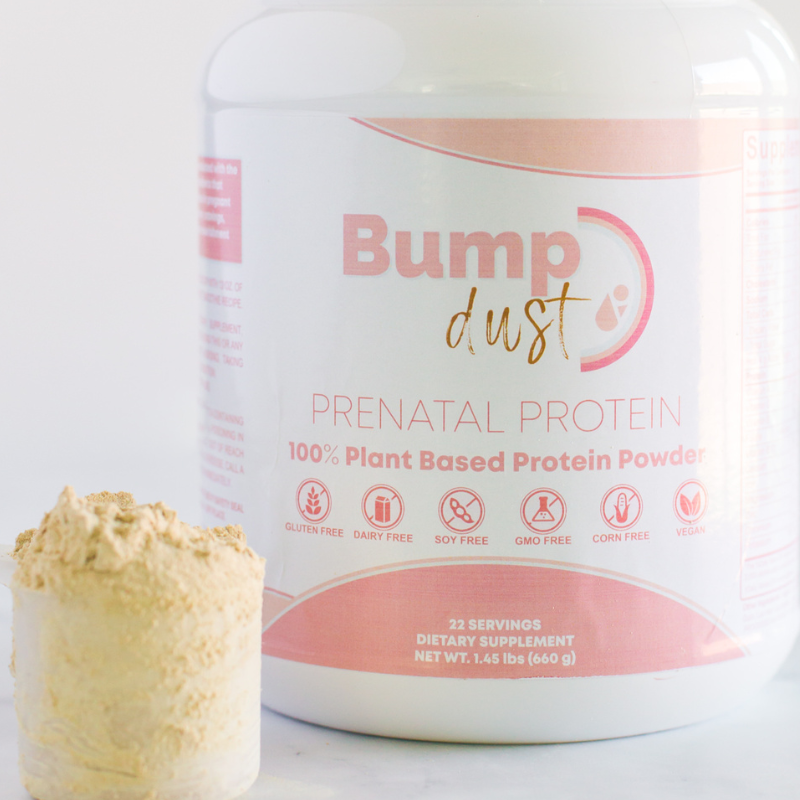
How Protein Powder Is Used During Pregnancy
Many pregnant women try protein powder for different reasons. Some use it to fill protein gaps, others for convenience. If you are busy or feel sick, a shake can be easier than cooking a full meal. Some women with twins or more need even more protein.
However, not all protein powders are created equal. Some have safe, simple ingredients. Others contain artificial sweeteners, herbs, or additives that might not be safe for your baby.
Are All Protein Powders Safe For Pregnancy?
The simple answer: Not all protein powders are safe during pregnancy. Safety depends on:
- Type of protein
- Quality of ingredients
- Added substances
- How much you use
Let’s break these down.
Protein Source
Whey, casein, soy, and pea proteins are common. If you have allergies, lactose intolerance, or follow a vegan diet, you might avoid some types. Most experts agree that high-quality, pure protein sources are safer.
Quality And Cleanliness
Supplements are not as tightly regulated as medicines. Some powders may contain heavy metals, pesticides, or unsafe bacteria. In 2018, a study from the Clean Label Project found that many protein powders had traces of lead, arsenic, or BPA. These are dangerous, especially in pregnancy.
Added Ingredients
Some protein powders have:
- Artificial sweeteners like sucralose or aspartame
- Herbal blends (which may not be tested for pregnancy safety)
- Extra vitamins/minerals (risk of getting too much)
- Caffeine (from chocolate, green tea, etc.)
These extras can cause problems. For example, too much vitamin A can harm a baby’s development. High caffeine may increase miscarriage risk.
How Much You Use
Too much protein is not helpful. High protein intake (over 100 grams per day) can stress the kidneys, especially if you are not drinking enough water. Balance is key.
Comparing Protein Needs And Food Sources
How does a protein shake compare to real food? Here’s a look:
| Food/Drink | Protein (g) per serving |
|---|---|
| Chicken breast (100g) | 31 |
| Greek yogurt (1 cup) | 20 |
| Lentils (1 cup, cooked) | 18 |
| Egg (1 large) | 6 |
| Milk (1 cup) | 8 |
| Protein powder (1 scoop) | 15-25 |
A scoop of protein powder can give as much protein as a serving of meat or beans. But you also miss the extra nutrients found in whole foods, like fiber, vitamins, and healthy fats.
Benefits Of Protein Powder In Pregnancy
There are times when protein powder can be helpful during pregnancy.
- Convenience: Quick to prepare when you are tired or nauseous.
- Meeting protein needs: Helpful if you have dietary restrictions or a small appetite.
- Support for vegetarian/vegan diets: Plant-based powders can fill gaps.
- Recovery from illness: If you cannot eat solid food, shakes are gentle.
- Multiple pregnancies: Twins or triplets need more protein.
A good-quality, plain protein powder, used in moderation, can make life easier. For example, a pregnant woman who cannot eat meat may blend pea protein into a fruit smoothie for breakfast.
Risks And Concerns Of Protein Powder During Pregnancy
While there are benefits, there are also risks. These are important to understand.
1. Contamination
Some powders have unsafe levels of heavy metals like lead, mercury, or arsenic. Even small amounts can be harmful to a developing baby, affecting their brain and nervous system.
2. Artificial Additives
Sweeteners, flavors, and colors may not be tested for safety in pregnancy. For example, aspartame is not recommended if you have a rare condition called PKU.
3. Excess Protein
More is not always better. Very high protein diets may increase the risk of low birth weight. The body can only use so much.
4. Hidden Caffeine
Some “energy” or “meal replacement” powders add caffeine. Too much caffeine can lead to miscarriage or low birth weight.
5. Unlisted Ingredients
Some powders have hidden herbs or unlisted substances. Always read the label and choose products with simple, clear ingredients.
6. Overlapping Nutrients
If your protein powder has added vitamins and you also take a prenatal vitamin, you may get too much of certain nutrients. This can be unsafe for you and your baby.
How To Choose A Safe Protein Powder During Pregnancy
If you and your doctor decide that protein powder is right for you, choose carefully. Here is a checklist to help.
- Check the label: Look for minimal, simple ingredients.
- Choose reputable brands: Prefer companies that test for safety.
- Avoid extra ingredients: Say no to herbs, sweeteners, and “energy blends.”
- Pick the right type: Whey, pea, or soy is usually safe if you are not allergic.
- Look for third-party testing: “NSF Certified,” “Informed Choice,” or “USP Verified” logos show extra safety checks.
- Check for allergens: If you have food allergies, double-check the source.
- Limit added vitamins: Avoid powders with high amounts of vitamin A, iron, or other nutrients you already get in your prenatal supplement.
Here’s a quick visual comparison of common protein powder types:
| Type | Source | Suitable for | Common Allergens |
|---|---|---|---|
| Whey | Dairy | Most (not lactose-intolerant/vegan) | Lactose |
| Casein | Dairy | Most (not lactose-intolerant/vegan) | Lactose |
| Soy | Plant (soybean) | Vegetarian/Vegan | Soy |
| Pea | Plant (pea) | Vegetarian/Vegan, allergies | Rarely allergenic |
| Rice | Plant (rice) | Vegetarian/Vegan, allergies | Rarely allergenic |
When To Avoid Protein Powder In Pregnancy
There are times when it is best to avoid protein powder completely.
- If you can meet your protein needs with whole foods
- If you have kidney disease or other health issues
- If you cannot verify the powder’s safety
- If the powder has added caffeine, herbs, or unapproved additives
- If you have a history of allergies to the powder’s source
If you are unsure, ask your doctor or a registered dietitian.
Non-obvious Insights For Pregnant Women
Many articles focus on basic safety, but here are some key points that many beginners miss:
1. Protein Needs Change By Trimester
In early pregnancy, your needs are only a little higher than normal. By the third trimester, your baby is growing fast, and your protein needs rise the most. You may not need extra protein powder in the first months, but you might benefit later on.
2. Texture And Flavor Can Affect Nausea
During pregnancy, your sense of taste and smell changes. Some protein powders taste or smell strange, and this can make nausea worse. If you try a powder and it upsets your stomach, try a different type or add it to a flavored smoothie.
3. Homemade Protein Shakes Can Be Safer
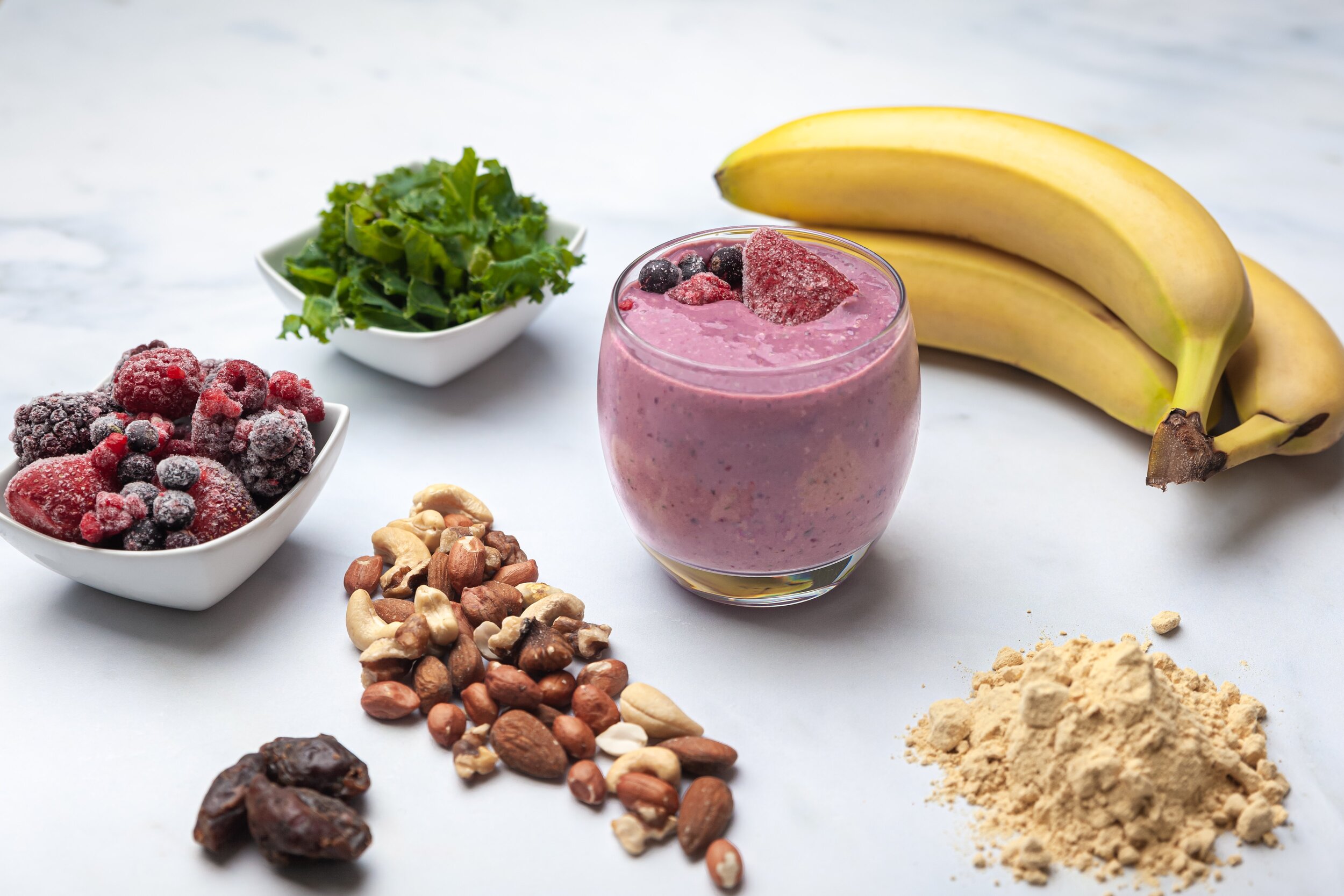
Instead of store-bought powder, you can blend your own high-protein shake at home. For example, try yogurt, peanut butter, milk, and fruit. This way, you control all the ingredients.
4. “natural” Does Not Always Mean Safe
Some protein powders are labeled “natural” or “organic. ” This does not guarantee they are free of heavy metals or unsafe herbs. Always check for third-party testing.
5. Watch For Digestive Side Effects
Some protein powders can cause bloating, gas, or constipation. This is more common with lactose-based powders or those with added fiber. If you notice these symptoms, switch to a different type.
Real-life Example: Using Protein Powder Safely
Maria is 28 and pregnant with twins. She works long hours and sometimes skips meals. She is worried about not getting enough protein, especially since she cannot eat much meat. After talking to her doctor, Maria chooses a plain pea protein powder with no added sweeteners or herbs.
She uses one scoop in her morning smoothie, along with fruit and almond milk. She tracks her total protein each day, making sure not to exceed 80 grams. Maria feels stronger, and her doctor is happy with her baby’s growth.
Expert Recommendations
Most doctors and dietitians say: food first, supplements second. Whole foods offer more nutrients and are safer. Use protein powder only if you cannot meet your needs with food alone.
The American College of Obstetricians and Gynecologists (ACOG) says that protein is important, but it is best to get it from foods like meat, eggs, beans, and dairy. Use protein powder only if your doctor approves.
Key Tips For Safe Protein Use During Pregnancy
- Get most protein from whole foods.
- If using powder, choose plain, tested brands.
- Avoid extra herbs, sweeteners, caffeine, or vitamins.
- Keep total protein in the recommended range (about 71 grams per day).
- Drink enough water if you use protein supplements.
- Track everything with your doctor or dietitian.
Alternatives To Protein Powder
If you want to avoid protein powder, here are simple ways to add more protein:
- Add Greek yogurt to smoothies.
- Snack on nuts, cheese, or boiled eggs.
- Use beans or lentils in soups, salads, or wraps.
- Spread nut butter on whole-grain bread.
- Try cottage cheese with fruit.
These foods give you protein plus other important nutrients.
:max_bytes(150000):strip_icc()/prt-pregnancy-protein-powders-test-needed-prenatal-collagen-3-488816c37abd49028f83fa2a93e80e4b.jpeg)
Comparing Protein Powder Brands For Pregnancy
Here is a comparison of common protein powder features for pregnancy:
| Brand Example | Protein per Scoop (g) | Third-Party Tested | Added Sweeteners | Herbal Ingredients |
|---|---|---|---|---|
| Orgain Organic Protein | 21 | Yes | No | No |
| Garden of Life Raw Protein | 22 | Yes | No | Yes (herbs added) |
| Optimum Nutrition Whey | 24 | Yes | Yes (sucralose) | No |
| Vega Protein & Greens | 20 | Yes | No | Yes (greens blend) |
Always check the label and look for third-party testing.
What The Science Says
Research on protein powder use in pregnancy is limited. Most studies focus on total protein intake, not supplements. There is no strong evidence that moderate use of pure protein powder is harmful, if the powder is clean and free of dangerous additives. However, whole foods are always the gold standard.
One study published in the Journal of Nutrition showed that women who got enough protein had healthier babies with higher birth weights. Another study warned that too much protein (over 100 grams daily) might lower birth weight if carbohydrate intake is too low.
The US Food and Drug Administration (FDA) does not regulate supplements as strictly as drugs. This means quality can vary. For more on supplement safety, see the NIH Office of Dietary Supplements.
Final Thoughts
So, is protein powder safe during pregnancy? The answer depends on your personal needs, the powder’s quality, and how you use it. For most women, food sources are best. If you choose to use a protein powder, pick one with simple, clean ingredients and no unnecessary extras. Always talk to your doctor first. With the right approach, you can meet your protein needs safely and support your baby’s healthy development.
Frequently Asked Questions
Is Whey Protein Safe During Pregnancy?
Whey protein is generally safe if you are not allergic to dairy and if you choose a clean, reputable brand. Avoid powders with artificial additives or high amounts of added vitamins. Always check with your doctor before starting any supplement.
Can Protein Powder Cause Harm To My Baby?
Most plain protein powders are not harmful in moderation. However, powders with heavy metals, herbs, or too many added vitamins can be risky. Too much protein may also affect your baby’s growth. Always use supplements as advised by your healthcare provider.
How Much Protein Should I Get Each Day When Pregnant?
Pregnant women need about 71 grams of protein per day. This can come from food, supplements, or both. Try to get most protein from whole foods like eggs, dairy, meat, beans, and nuts. Use powder only if you cannot meet your needs with food alone.
Are Plant-based Protein Powders Better During Pregnancy?
Plant-based protein powders (like pea or rice protein) are good for vegetarians, vegans, or those with dairy allergies. They are as effective as dairy-based powders if they come from reputable brands and do not have risky additives.
Should I Tell My Doctor If I Want To Use Protein Powder?
Yes, always tell your doctor or midwife if you want to use protein powder during pregnancy. They can help you choose a safe brand, track your intake, and avoid overlapping nutrients or risky ingredients. Every pregnancy is unique, so personalized advice is best.

