
Many older adults today are searching for ways to stay strong, active, and healthy as they age. You might hear about protein powder as a quick way to help muscles and support good health. But is protein powder really good for older adults? Or is it just another trend with little real benefit? This article will give you clear answers based on science, practical advice, and real-life examples.
Why Protein Is Important For Older Adults
As people age, their bodies change in many ways. One key change is that muscles become harder to maintain. This is called sarcopenia—the natural loss of muscle mass and strength that happens with age. Sarcopenia can make it harder to walk, climb stairs, or even get out of a chair. It also increases the risk of falls and injuries.
Protein is a key nutrient that helps build and repair muscle. For younger people, normal diets often give enough protein. But for older adults, getting enough can be harder. Appetite can drop, chewing or swallowing might be difficult, and some foods may not taste as good as before. This makes it easy to eat too little protein, which can speed up muscle loss.
Many health experts now recommend that older adults eat more protein than younger adults. While the standard advice for adults is about 0.8 grams per kilogram of body weight per day, older adults may need 1.0–1.2 grams per kilogram. For someone weighing 70 kg (about 154 pounds), that means 70–84 grams of protein each day.
What Is Protein Powder?
Protein powder is a supplement—a processed product designed to add more protein to your diet. It comes in a dry, powdered form that mixes easily with liquids like milk or water. There are many types of protein powder, including:
- Whey protein: Made from milk, easy to digest, and contains all essential amino acids.
- Casein protein: Also from milk, digested slowly, good for overnight use.
- Soy protein: Plant-based, complete protein, good for vegetarians and vegans.
- Pea protein: Plant-based, good for those with allergies or sensitivities.
- Rice protein: Plant-based, often mixed with pea protein for a full amino acid profile.
Most protein powders have about 20–30 grams of protein per serving. Some are flavored, and others are plain.

Benefits Of Protein Powder For Older Adults
There are several reasons why protein powder can be helpful for people as they age.
Convenient Source Of Protein
Getting enough protein from food alone can be a challenge. Chewing tough meats or swallowing large bites may not be easy. Protein powder is simple—you can mix it into drinks, soups, or even oatmeal. This makes it easier to reach your daily protein goal.
Helps Build And Maintain Muscle
Studies show that older adults who eat more protein and do simple strength exercises can keep more muscle. Protein powder gives a fast, easy way to get the right amount of protein right after exercise, when your body uses it best.
Supports Immune System
Protein is not just for muscles. It also helps your body build antibodies and fight off illness. Older adults are more likely to get sick, so having enough protein supports a strong immune system.
Aids In Recovery
If you have surgery, an illness, or a fall, your body needs extra protein to heal wounds and rebuild tissue. Protein powder can be a helpful tool during recovery periods.
May Help With Weight Management
Protein helps you feel full longer. Adding protein powder to your meals or snacks may make it easier to avoid unhealthy foods and manage your weight, which is important for overall health.
Comparing Protein Sources For Older Adults
Not all protein is the same. Some sources are easier to digest, some provide more nutrition, and some fit different diets. Here is a comparison of common protein sources for older adults:
| Protein Source | Protein per 100g | Digestibility | Special Notes |
|---|---|---|---|
| Chicken Breast | 31g | High | Needs chewing; may be dry |
| Greek Yogurt | 10g | Very High | Good calcium; easy to eat |
| Eggs | 13g | Very High | Soft; versatile |
| Whey Protein Powder | 20-25g (per scoop) | Very High | Quick and easy; lactose content varies |
| Tofu | 8g | High | Plant-based; soft texture |
Protein powder stands out for its ease of use and high protein content per serving. However, whole foods also provide other nutrients, like vitamins and minerals.

Are There Risks To Using Protein Powder?
While protein powder can be helpful, it is not perfect for everyone. Here are some things to think about:
Kidney Health
Some people worry that too much protein can harm the kidneys. For healthy older adults, the amount of protein recommended (even with protein powder) is safe. However, if you already have kidney disease, you may need to limit protein. Always check with your doctor first.
Allergies And Sensitivities
Whey and casein protein come from milk, so they are not right for people with lactose intolerance or a milk allergy. Plant-based powders are a good option in these cases, but some people may react to soy or pea proteins.
Added Sugar And Unwanted Ingredients
Some protein powders are high in added sugars, artificial flavors, or other chemicals. These can be unhealthy, especially for people with diabetes or heart issues. Always read the label and choose powders with simple ingredients.
Digestive Upset
Protein powders, especially in large amounts, can sometimes cause bloating, gas, or stomach discomfort. Start with small servings to see how your body reacts.
Not A Substitute For Meals
Protein powder is a supplement, not a replacement for real food. Whole foods give your body fiber, vitamins, and minerals that powders do not.
How To Choose The Right Protein Powder
Picking the right protein powder can be confusing. Here are the key factors to consider:
1. Protein Type
- Whey protein: Fast-digesting, good for after exercise.
- Casein protein: Slow-digesting, good for before bed.
- Plant-based protein: Good for those with dairy allergies or vegan diets.
2. Ingredient List
Look for simple, clean ingredients. Avoid powders with lots of sugar, artificial flavors, or long lists of chemicals.
3. Protein Content
Check the label to see how much protein you get per serving. Most older adults should aim for 20–30 grams per serving.
4. Dietary Needs
If you have diabetes, high blood pressure, or other conditions, look for powders with low sugar and low sodium.
5. Price And Value
More expensive does not always mean better. Compare cost per serving and read reviews.
Here is a comparison of popular types:
| Protein Powder Type | Best For | Possible Drawbacks |
|---|---|---|
| Whey | Muscle building, quick recovery | Dairy-based, may cause bloating |
| Casein | Nighttime use, slow digestion | Also dairy-based, thick texture |
| Soy | Vegan/vegetarian, heart health | Possible allergy, GMO concerns |
| Pea | Allergy-friendly, easy to digest | Earthy taste, incomplete protein alone |
| Rice | Hypoallergenic, vegan | Low in lysine, usually blended |
How To Use Protein Powder Safely
To get the most benefit from protein powder, use it as part of a balanced diet. Here’s how:
Start With Small Servings
Begin with half a scoop (about 10–15g protein) and see how you feel. If you tolerate it well, you can increase to a full scoop.
Mix With Nutritious Foods
Instead of plain water, mix protein powder into milk, smoothies, or oatmeal. This adds extra nutrients and makes it taste better.
Use After Exercise
Muscle tissue is most ready to absorb protein within 30–60 minutes after activity. If you do any exercise, try to have your shake soon after.
Do Not Overdo It
More is not always better. Too much protein can cause digestive problems and may not help you build more muscle.
Keep Hydrated
Drinking enough water helps your body process protein and reduces the chance of constipation.
Real-world Examples: Success Stories
Many older adults have added protein powder to their daily routine with good results. For example, a 72-year-old woman who had trouble eating enough after dental surgery started adding a scoop of whey protein to her breakfast smoothie. She noticed she had more strength and energy within a few weeks.
A 68-year-old man recovering from hip surgery added pea protein to his meals. He found it easier to walk and do his physical therapy, and his doctor said his muscle mass improved.
These stories are not rare. In fact, clinical studies support the idea that supplemental protein can help older adults keep muscle and improve recovery after illness or injury.
Common Myths And Misunderstandings
Some people believe myths about protein powder. Here are a few, and the truth behind them:
“protein Powder Is Only For Bodybuilders.”
This is not true. While athletes do use protein powder, it is also helpful for older adults, especially those with low appetite or muscle loss.
“it Is Dangerous For My Kidneys.”
Healthy adults can safely use protein powder in the recommended amounts. Only people with existing kidney disease need to be careful.
“i’ll Get All The Protein I Need From Food.”
While it is possible, many older adults do not eat enough high-protein foods daily. Protein powder is a simple way to fill the gap.
“all Protein Powders Are The Same.”
There are big differences in quality, ingredients, and digestibility. Choose one that fits your needs.
When To Talk To Your Doctor
Before starting any new supplement, it is smart to talk with your healthcare provider. This is especially important if you:
- Have kidney problems
- Are taking medications for diabetes or blood pressure
- Have a history of allergies
- Are recovering from surgery or illness
Your doctor can help you decide if protein powder is right for you and recommend the best type.
Other Ways To Boost Protein Intake
Protein powder is just one tool. Here are some other simple ways to eat more protein:
- Add eggs to breakfast.
- Use Greek yogurt as a snack or dessert.
- Put beans or lentils in soups or salads.
- Choose cottage cheese or ricotta for soft, high-protein options.
- Eat fish or chicken instead of processed meats.
These foods offer extra nutrients, like calcium and healthy fats, which are also important for older adults.
Practical Tips For Getting Enough Protein Each Day
Hitting your protein goal does not have to be difficult. Here are some ideas:
- Plan each meal to include a protein source. For example, eggs for breakfast, chicken at lunch, fish or tofu at dinner.
- Snack on nuts or yogurt instead of chips or sweets.
- Prepare protein-rich soups using beans, lentils, or shredded meats.
- Keep protein powder on hand for days when you cannot cook or eat regular meals.
If you struggle to reach your protein target, a simple shake can make a big difference.
Cost And Value Of Protein Powder
Protein powder is not free, but it can be cost-effective compared to some high-protein foods. A typical tub may provide 20–30 servings. For those who have trouble eating, the value of better health and strength is often worth the cost.
Here’s a quick look at price comparisons:
| Protein Source | Average Cost per 20g Protein | Preparation Needed |
|---|---|---|
| Whey Protein Powder | $1.00 | Mix with liquid |
| Chicken Breast | $2.00 | Cook and cut |
| Eggs | $1.20 | Boil or fry |
| Greek Yogurt | $1.50 | Ready to eat |
Protein powder is a quick, affordable way to add protein, especially for those who find cooking or eating difficult.
Non-obvious Insights For Older Adults
Here are a few important points many people miss:
- Timing matters: Having protein evenly spread through the day (breakfast, lunch, dinner) supports better muscle health than eating most of your protein in one meal.
- Mixing protein with carbs: Adding a little carbohydrate, like fruit or oats, to your protein shake can help your body use the protein more effectively after exercise.
- Taste and texture: As taste changes with age, try different flavors or types of protein powder. Some brands are smoother and easier to drink.
- Stomach sensitivity: If one type of protein powder upsets your stomach, try another (such as switching from whey to pea protein).
- Vitamin D and calcium: Many older adults are low in these nutrients. Some protein powders are fortified with them, which can be an added benefit.
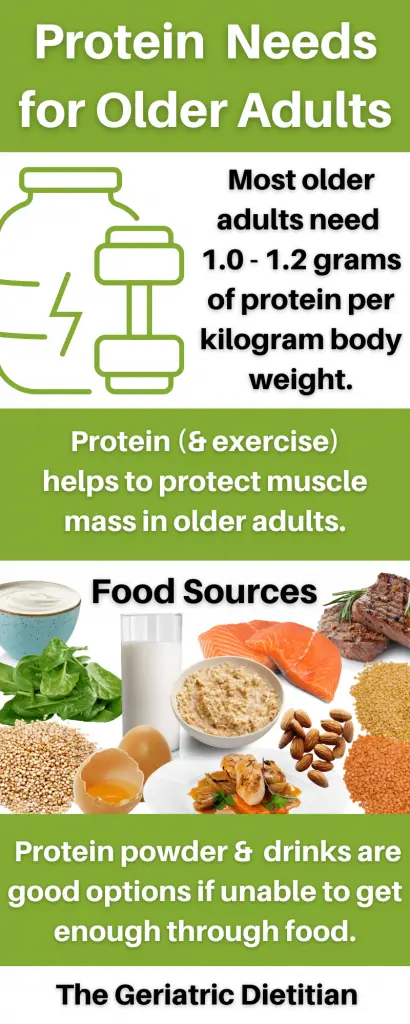
Should You Use Protein Powder?
There is no “one size fits all” answer. If you eat enough high-protein foods, chew well, and enjoy balanced meals, you may not need a supplement. But if you struggle to eat enough, have lost muscle, or are recovering from illness, protein powder can be a safe, effective way to support your health.
Always look for quality products, watch your total protein intake, and listen to your body.
For a deeper dive into the science of protein and aging, you can visit this research article.
Frequently Asked Questions
How Much Protein Do Older Adults Really Need?
Most experts recommend 1.0–1.2 grams per kilogram of body weight daily for older adults. For a 70 kg (154 lb) person, that’s about 70–84 grams per day.
Can Protein Powder Cause Kidney Problems?
For healthy people, normal use of protein powder will not harm the kidneys. If you have kidney disease, you should talk to your doctor before using it.
What Is The Best Time Of Day To Take Protein Powder?
The best time is after exercise or between meals if you are not eating enough protein from food. Spreading protein throughout the day is more effective than taking it all at once.
Is Plant-based Protein Powder As Good As Whey?
Plant-based powders like soy or pea are good options, especially for those who avoid dairy. They can be as effective as whey if you get enough total protein.
Do I Still Need To Eat Regular Food If I Use Protein Powder?
Yes. Protein powder is a supplement, not a meal replacement. Whole foods provide fiber, vitamins, minerals, and other nutrients important for health.
Maintaining muscle and strength is key to healthy aging. Protein powder is a useful tool for many older adults, but it works best as part of a balanced, thoughtful diet. Always make choices that fit your own needs and talk to your healthcare provider if you have questions.

