
Is Protein Powder Good For Kidney Health?
Protein powders are everywhere today. You see them in gyms, supermarkets, and on social media. Many people use them to build muscle, lose weight, or just get more protein in their daily diet. But what about your kidneys? There’s a lot of talk—and sometimes worry—about whether protein powder can harm kidney health.
Some believe it’s dangerous, while others say it’s safe for most people. The truth is not black and white.
This article explores the real relationship between protein powder and kidney health. You’ll learn how your kidneys process protein, what science says about protein intake, and who should be cautious. We’ll break down myths, discuss different types of protein powders, and give clear advice for anyone thinking about using these supplements. If you’re concerned about your kidneys, or just want to make smart choices, keep reading. You’ll find answers based on facts—not fear.
How Your Kidneys Handle Protein
Your kidneys are like filters. They clean your blood, remove extra water, and get rid of waste products. When you eat protein, your body breaks it down into smaller pieces called amino acids. These are used to build muscle, repair tissues, and support many body functions.
But when protein is broken down, waste called urea is produced. Your kidneys remove urea from your blood and pass it out in urine. Some people worry that eating a lot of protein—especially from supplements—might overwork the kidneys. But is this true for everyone?
Protein’s Effect On Healthy Kidneys
Research shows that if you have healthy kidneys, eating more protein does not usually cause damage. A 2018 review in the Journal of Nutrition concluded that high-protein diets do not harm kidney function in healthy adults. Your kidneys are designed to handle changes in protein intake.
However, when you suddenly increase your protein, your kidneys do have to work harder. This means they filter more blood. But for healthy people, this is not dangerous. It’s similar to how your heart beats faster when you exercise—it’s a normal response.
What Happens If You Already Have Kidney Disease?
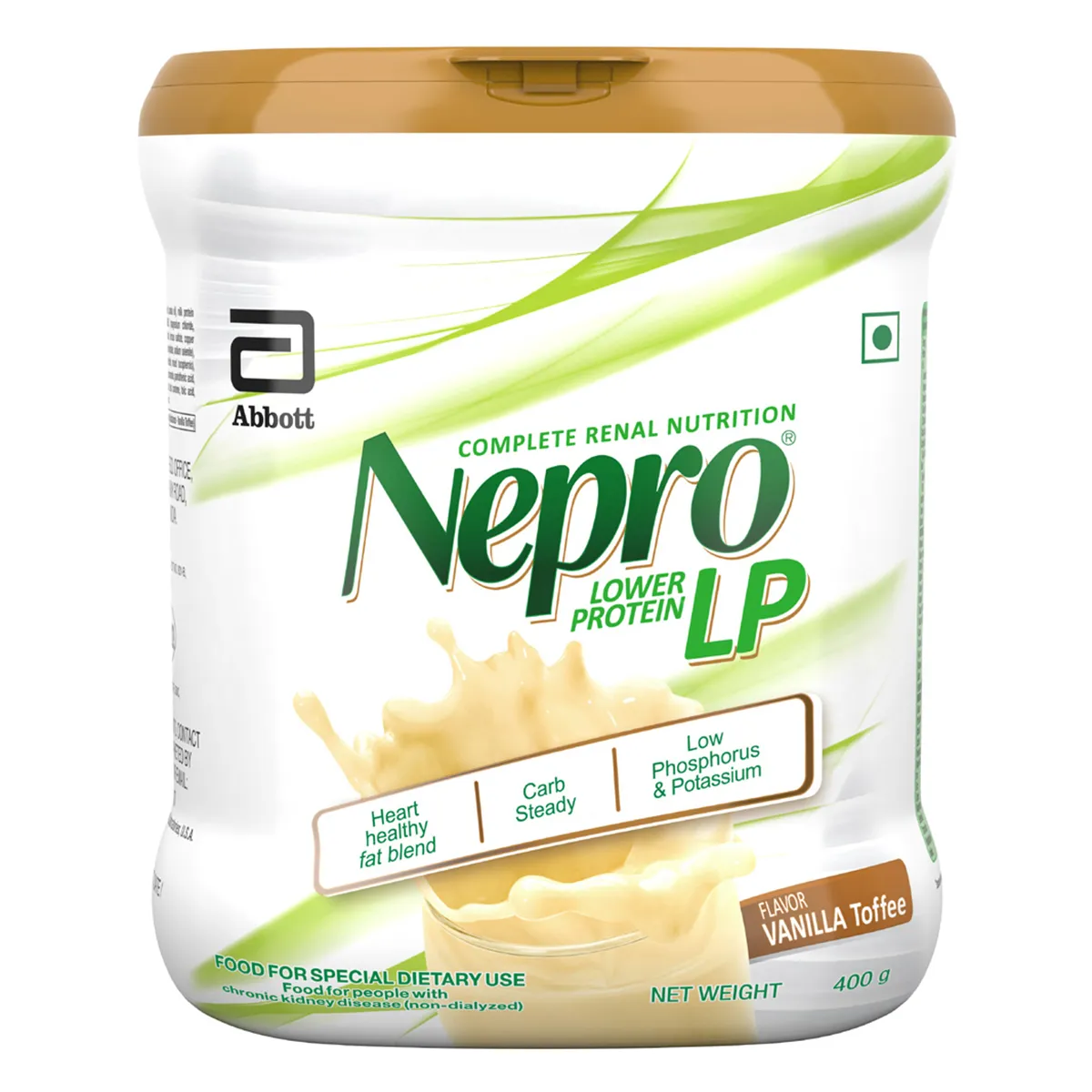
This is where things change. If you have chronic kidney disease (CKD) or reduced kidney function, eating too much protein can be a problem. Damaged kidneys cannot filter waste as well. Extra protein can cause waste to build up, which may make the disease worse. That’s why doctors often tell people with kidney disease to limit protein.
So, the effect of protein powder on kidneys depends on your current health. For most people, it’s not a problem. But for those with kidney issues, caution is very important.
Common Myths About Protein Powder And Kidneys
Many myths surround protein powder and kidney health. Let’s clear up the most common ones.
- Myth: Protein powder always damages kidneys.
- Truth: For healthy people, research finds no evidence that reasonable protein powder use causes kidney damage.
- Myth: All protein is equally harmful.
- Truth: The type, amount, and quality of protein matter. Whole food protein and high-quality powders are not the same as low-quality sources.
- Myth: Anyone can safely take as much protein powder as they want.
- Truth: Too much of anything can be harmful. Even water can cause problems in huge amounts.
- Myth: You need to avoid protein powder if you want healthy kidneys.
- Truth: Most people can use protein powder safely, as part of a balanced diet.
These myths can lead to confusion or unnecessary fear. The key is understanding your own health and needs.
How Much Protein Is Safe For Your Kidneys?
The recommended daily intake for protein varies by country. The World Health Organization (WHO) suggests 0.8 grams per kilogram of body weight per day for healthy adults. For example, a person weighing 70 kg (about 154 pounds) needs around 56 grams of protein each day.
Athletes, bodybuilders, and very active people may need more—sometimes up to 1.6-2.2 grams per kilogram. Studies show that even at these higher levels, healthy kidneys can manage the extra load.
Here’s a quick comparison:
| Person | Body Weight (kg) | Recommended Protein (g/day) | High Protein (g/day) |
|---|---|---|---|
| Average Adult | 70 | 56 | 112-154 |
| Athlete | 80 | 64 | 128-176 |
Most people get enough protein from food. But if your diet is low in protein, or if you have higher needs, protein powder can help you reach your goal.
Is More Always Better?
Not always. Eating much more protein than your body needs will not build extra muscle. Your body can only use so much. The rest is used for energy or stored as fat, and the excess waste must be removed by the kidneys.
For healthy people, this isn’t usually a problem, but it is not necessary or helpful.
Different Types Of Protein Powder And Kidney Health
Protein powders are not all the same. Here are the most common types and what they mean for your kidneys:
- Whey Protein: Made from milk. It is very popular because it is easy to digest and contains all essential amino acids.
- Casein Protein: Also from milk, but digests slower than whey.
- Soy Protein: Plant-based, with all essential amino acids.
- Pea Protein: Plant-based, good for those with allergies.
- Rice Protein: Plant-based, often used with pea protein for a complete profile.
- Egg White Protein: Animal-based, low in fat and carbs.
Some powders have extra ingredients, like sugar, artificial flavors, or herbs. These can affect your health in other ways, but not usually your kidneys.
Comparing Protein Powders
Here’s how different protein powders stack up for kidney health:
| Type | Origin | Digestibility | Kidney Impact (Healthy) | Kidney Impact (CKD) |
|---|---|---|---|---|
| Whey | Dairy | Fast | Safe | Limit |
| Casein | Dairy | Slow | Safe | Limit |
| Soy | Plant | Medium | Safe | Limit |
| Pea | Plant | Medium | Safe | Limit |
| Egg | Animal | Fast | Safe | Limit |
For most healthy people, any of these protein powders are safe if used in moderation. For people with kidney disease, doctors often recommend plant-based proteins and strict control of the amount.
Hidden Ingredients: What To Watch For
Many protein powders have added ingredients. Some may contain:
- Artificial sweeteners: Like sucralose or aspartame.
- Added sugar: Increases calories.
- Herbs or extracts: May interact with medications.
- Heavy metals: Some cheap powders can be contaminated.
These extras do not usually harm healthy kidneys, but they can add unwanted calories or chemicals. Always check the label.
What Science Says: Key Studies About Protein And Kidneys
Let’s look at what research tells us about protein intake and kidney health.
- A 2018 meta-analysis in the Journal of Nutrition found that high protein diets do not cause kidney disease in healthy adults.
- A study published in the American Journal of Kidney Diseases showed that athletes who consumed up to 2.8 g/kg of protein for several months did not develop kidney problems.
- The National Kidney Foundation states that healthy people do not need to worry about kidney damage from high protein diets, but people with CKD must limit protein.
One non-obvious insight is that much of the concern about protein and kidneys comes from studies on people with kidney disease. These findings do not always apply to healthy people.
Another insight: Studies that show kidney problems often use very high doses of protein for long periods—much more than most people would ever use. Most people using protein powder do not reach these extreme levels.
When Should You Worry About Protein And Kidneys?
For most people, protein powder is safe if used as directed. But certain groups should be cautious:
- People with kidney disease: Always talk to your doctor before using protein powder.
- Older adults: May need more protein, but should monitor kidney function.
- People with diabetes or high blood pressure: These conditions can increase the risk of kidney problems.
- Those with a family history of kidney disease: Get regular checkups.
If you have any symptoms such as swelling, fatigue, or changes in urine, see a doctor. These can be signs of kidney issues.
Protein Powder Use: Practical Tips For Kidney Health
Here’s how to use protein powder safely while protecting your kidneys:
- Know your protein needs: Calculate how much protein you need based on your body weight, age, and activity.
- Get most protein from food: Foods like eggs, beans, chicken, fish, and dairy are excellent protein sources.
- Use protein powder as a supplement, not a main food: It’s best as a support, not a meal replacement.
- Check the label: Choose powders with few ingredients and no unnecessary additives.
- Stay hydrated: Protein increases waste in your body, so drink enough water.
- Monitor your body: Notice changes in energy, digestion, or urination.
- Get regular checkups: If you use a lot of protein powder, ask your doctor to check kidney function.
A common mistake is thinking “more is better” with protein powder. The body can only use so much. Extra protein is not stored as muscle, and it can put stress on your system if you already have kidney problems.
Comparing Protein Powder To Whole Food Protein
Is there a difference between getting protein from powder or from whole foods?
| Source | Absorption Speed | Nutrients | Kidney Impact |
|---|---|---|---|
| Protein Powder | Fast | Limited (mainly protein) | Safe in healthy people |
| Whole Food (e.g. chicken, fish, beans) | Slower | Vitamins, minerals, fiber | Safe in healthy people |
Whole foods provide more nutrients, like vitamins, minerals, and fiber, that protein powders do not. If you eat a balanced diet, you may not need protein powder. Use it when you cannot get enough protein from food alone.

Signs Of Kidney Stress: What To Watch For
If you use protein powder often, or eat a high-protein diet, be aware of these signs that your kidneys may be stressed:
- Swelling in your legs, ankles, or feet
- Feeling very tired or weak
- Nausea or vomiting
- Changes in how often you urinate
- Foamy or bloody urine
If you notice these symptoms, stop using protein powder and see a doctor. These signs do not always mean kidney damage, but it is important to check.
Who Should Avoid Protein Powder?
Protein powder is safe for most people, but the following groups should be careful or avoid it:
- People diagnosed with chronic kidney disease
- Those with a single kidney
- Anyone with severe liver disease
- People with a history of kidney stones
- Children, unless told by a doctor
For these people, extra protein can be risky. Always speak with your healthcare provider before starting any supplement.

How To Choose A Safe Protein Powder
Not all protein powders are created equal. To pick a powder that is safe for your kidneys:
- Choose brands that are third-party tested for quality.
- Look for powders with no added sugar or artificial ingredients.
- Pick a powder with simple ingredients you recognize.
- Avoid powders with herbs or stimulants if you have kidney problems.
- Try a small amount first to see how your body reacts.
A practical tip: Buy the smallest size first. If you feel well and have no side effects, you can buy more later.
The Role Of Protein In Kidney Stone Formation
Some people worry that high-protein diets, especially from supplements, can cause kidney stones. Here’s what research shows:
- High animal protein intake can increase the risk of certain types of kidney stones, especially if you do not drink enough water.
- Plant-based proteins (like soy or pea) are less likely to cause stones.
- Staying hydrated is key. Protein increases waste that must be filtered, and water helps your body flush it out.
If you have had kidney stones before, talk to your doctor about the best type and amount of protein for you.
The Bottom Line: Is Protein Powder Good For Kidney Health?
For most healthy people, protein powder is a safe and effective way to meet protein needs. Your kidneys are strong and can handle changes in protein intake. Problems usually happen only if you already have kidney disease or if you use extreme amounts for a long time.
Always listen to your body, read labels, and talk to your doctor if you have concerns. Protein powder can be a helpful tool, but it’s not a magic solution. Balance is the key.
For more details about protein and kidney health, you can check this National Kidney Foundation guide.
Frequently Asked Questions
Is Protein Powder Safe For Everyone?
Protein powder is safe for most healthy adults when used as directed. People with kidney disease, severe liver problems, or a history of kidney stones should talk to a doctor before using it. Children should only use protein powder if recommended by a healthcare provider.
How Much Protein Is Too Much For My Kidneys?
For healthy adults, up to 2. 2 grams per kilogram of body weight per day is considered safe. Going above this for a long time is not recommended. If you have kidney disease or other health conditions, follow your doctor’s advice about protein limits.
Does Whey Protein Cause Kidney Damage?
No, whey protein does not cause kidney damage in healthy people. It is a high-quality protein source. However, people with kidney disease should avoid or limit whey protein, as their kidneys may struggle to process the extra protein.
Can Protein Powder Cause Kidney Stones?
High animal protein intake can increase the risk of certain kidney stones, especially if you do not drink enough water. Plant-based protein powders are less likely to cause stones. Staying hydrated and not overusing protein powder can help prevent this problem.
What Are Signs Of Kidney Problems From Too Much Protein?
Signs include swelling in the legs, tiredness, nausea, changes in urination, or foamy urine. These symptoms can have other causes, but if you use a lot of protein powder and notice them, see a doctor right away. It’s important to check your kidney health regularly if you use supplements often.
Protein powder can be a useful part of a healthy lifestyle. Just use it wisely, listen to your body, and stay informed. Your kidneys will thank you.

