Is It Okay To Drink Protein Shakes Every Day?
Protein shakes are everywhere. Walk into any gym, health store, or even a supermarket, and you’ll see shelves lined with tubs of whey, plant-based, and other protein powders. Social media is full of fitness influencers sipping colorful shakes. Many people use protein shakes to support muscle growth, lose weight, or just as a quick meal. But is it okay to drink them every day? This question worries many, especially if you’re new to fitness or just trying to eat healthier.
Let’s look deeper into protein shakes, how they affect your body, and whether drinking them daily is a good idea. You’ll learn the science, the benefits, potential risks, and practical tips to help you decide if daily protein shakes fit your lifestyle.
What Are Protein Shakes And Why Are They Popular?
Protein shakes are drinks made by mixing protein powder with water, milk, or a milk alternative. Some people add fruit, nut butter, or other flavors. The main ingredient is a concentrated form of protein—like whey, casein, soy, pea, or rice protein.
Why do so many people use them? There are three main reasons:
- Convenience: They are quick to make and easy to drink on the go.
- Muscle Support: Protein helps muscles recover and grow, especially after exercise.
- Diet Management: For people who don’t eat enough protein from food, shakes can fill the gap.
Common Types Of Protein Used
- Whey: Comes from milk, absorbed quickly. Popular for muscle building.
- Casein: Also from milk, digests slowly. Good for nighttime use.
- Soy: Plant-based, complete protein. Great for vegans.
- Pea/Rice: Plant-based, often mixed for a full amino acid profile.
- Egg: High quality, but less common.
How Much Protein Do You Really Need?
Before deciding if you should drink protein shakes every day, it’s important to know how much protein your body needs. This depends on factors like age, activity, and health goals.
According to the U.S. Dietary Guidelines:
- Most adults need about 0.8 grams of protein per kilogram of body weight per day.
- Active people may need more—up to 1.6-2.2 grams per kilogram for athletes or those building muscle.
- For a 70 kg (154 lbs) adult, this is 56-154 grams of protein daily, depending on activity.
How Does This Compare To Food?
Here’s a quick look at protein in common foods:
| Food | Serving Size | Protein Content |
|---|---|---|
| Chicken breast (cooked) | 100g | 31g |
| Eggs | 2 large | 12g |
| Greek yogurt | 170g | 17g |
| Lentils (cooked) | 1 cup | 18g |
| Protein shake (whey, 1 scoop) | 30g powder | 22g |
Protein shakes can quickly add to your daily total, especially if your diet is low in high-protein foods.
Benefits Of Drinking Protein Shakes Daily
Many people see real benefits from including protein shakes in their daily routine. Here’s how they can help:
1. Support Muscle Growth And Recovery
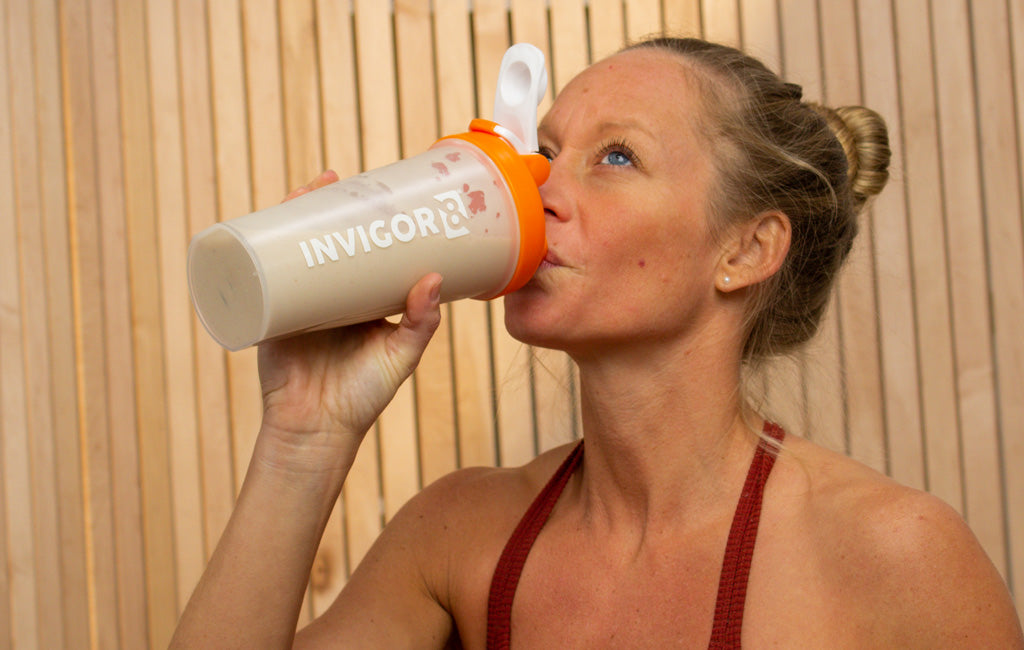
After exercise, your muscles need protein to repair and grow stronger. Studies show that having a protein shake after a workout can boost muscle recovery, especially when you don’t eat a full meal soon after. For athletes and people who do strength training, daily shakes can help maintain muscle mass.
2. Easy Way To Meet Protein Needs
People with busy lives may find it hard to prepare protein-rich meals. Protein shakes offer a quick solution. For vegetarians, vegans, or older adults who may eat less protein, shakes can prevent deficiency.
3. Weight Management
Protein is more filling than carbs or fat. Drinking a shake can help reduce hunger and lower calorie intake at the next meal. Some people use shakes as meal replacements to help with weight loss. Research suggests that high-protein diets may support fat loss while protecting muscle.
4. Convenient Nutrition For Special Situations
- After surgery or illness: When appetite is low or chewing is difficult, liquid protein is easier to consume.
- Travel or busy schedules: Shakes are portable and have a long shelf life.
5. May Help With Blood Sugar Control
Protein slows digestion, which can prevent sharp spikes in blood sugar. For people with diabetes, a balanced shake may help manage hunger and blood sugar swings.
Possible Risks Of Drinking Protein Shakes Every Day
While there are clear benefits, daily protein shakes are not perfect for everyone. There are some risks and downsides to consider.
1. Too Much Protein
The body can only use so much protein. Excess protein, especially from supplements, doesn’t turn into muscle—it is used for energy or stored as fat. Long-term high protein intake can put extra stress on the kidneys, especially in people with kidney problems.
2. Missing Out On Other Nutrients
Whole foods contain vitamins, minerals, fiber, and antioxidants that protein shakes may lack. Relying on shakes too much can lead to gaps in nutrition.
3. Hidden Ingredients And Additives
Some commercial protein powders have added sugars, artificial sweeteners, or chemicals. These can affect gut health or cause allergies. Always check the label for ingredients.
4. Digestive Issues
Some people experience bloating, gas, or diarrhea from certain protein powders, especially whey, which contains lactose.
5. Expense
Quality protein powders can be expensive. Relying on shakes daily increases your grocery bill compared to whole food sources.

Comparing Protein Shakes To Whole Food Protein
Are shakes as good as chicken, eggs, or beans? Here’s how they stack up:
| Feature | Protein Shake | Whole Food Protein |
|---|---|---|
| Absorption Speed | Fast (especially whey) | Varies, usually slower |
| Other Nutrients | Often limited | Rich in vitamins, minerals, fiber |
| Convenience | Very high | Lower (needs cooking/prep) |
| Cost | Can be high per serving | Varies, often less expensive |
| Satiety (Feeling Full) | Shorter duration | Usually keeps you full longer |
Protein shakes are a useful tool, but they shouldn’t completely replace regular food. Combining both is usually the healthiest option.
Who Should (and Should Not) Drink Protein Shakes Every Day?
Good Candidates For Daily Protein Shakes
- Athletes and people doing regular strength training
- Busy professionals who skip meals or eat low protein
- Vegetarians/vegans who may miss complete proteins
- Older adults at risk of muscle loss (sarcopenia)
- Recovering from illness or surgery
People Who Should Be Careful
- Those with kidney disease: High protein can worsen kidney problems.
- People with allergies: Many powders contain milk, soy, or nuts.
- Pregnant or breastfeeding women: Choose only safe, tested products.
- Children and teens: Should not use protein supplements without a doctor’s advice.
How To Choose A Healthy Protein Shake
Not all protein shakes are equal. Here’s what to look for:
- Source of Protein: Choose whey, casein, soy, or pea based on your diet and allergies.
- Minimal Ingredients: Fewer additives are usually better.
- Low Sugar: Aim for less than 5g added sugar per serving.
- No Harmful Additives: Avoid artificial sweeteners, colors, or preservatives.
- Third-party Tested: Look for labels like NSF Certified or Informed-Choice for safety.
Example Of A Good Protein Powder Label
- Protein: 20-25g per scoop
- Sugar: 1-3g
- Ingredients: Whey protein isolate, natural flavors, stevia
- Certification: NSF Certified for Sport
How To Use Protein Shakes Wisely
Drinking a protein shake every day is safe for most people, but you should use them smartly.
Tips For Safe And Healthy Use
- Use as a supplement, not a replacement. Eat regular meals with whole foods.
- Adjust to your needs. If you get enough protein from food, skip the shake.
- Time it right. Post-workout is a good time, but not essential for everyone.
- Mix with healthy additions. Add fruits, leafy greens, or nut butters for extra nutrition.
- Stay hydrated. Protein needs water to be processed by your body.
Common Mistakes To Avoid
- Drinking shakes when you already eat enough protein
- Using shakes with high sugar or many additives
- Replacing all meals with shakes
- Ignoring allergies or digestive issues
Real-life Examples: How People Use Protein Shakes
1. The Busy Professional
Sarah works long hours and often skips lunch. She uses a protein shake with banana and spinach as a quick, filling snack. This helps her avoid junk food and keeps her energy steady.
2. The Strength Trainer
Jorge lifts weights five days a week. He drinks a whey shake after workouts to help his muscles recover. He tracks his total protein to avoid eating too much.
3. The Older Adult
Elaine, age 70, finds it hard to eat large meals. She adds a daily protein shake with berries to her breakfast, helping her maintain muscle and strength as she ages.
4. The Vegan Student
Amit is vegan and busy with classes. He uses a pea/rice protein shake to get all essential amino acids without animal products.
Scientific Evidence: What Do Studies Say?
Many studies support the use of protein shakes for muscle gain, weight loss, and overall health. For example:
- A review in the British Journal of Sports Medicine found that extra protein boosts muscle strength and size during resistance training.
- Research published in Nutrition Journal shows that meal replacement shakes can help with weight loss, especially for people who struggle to control calories.
However, studies also warn against very high protein intake over long periods, especially for people with kidney problems.
You can find more about the science behind protein intake at this NIH article.
How To Calculate If You Need A Daily Protein Shake
To know if you should drink a protein shake every day, first calculate your protein needs. Here’s a simple method:
- Body weight in kg x 0.8 = minimum protein in grams
- Body weight in kg x 1.2-2.0 = higher target for athletes or muscle gain
Track your food for a day. If you consistently fall short, a protein shake can help fill the gap.
Example
- 70 kg adult, active lifestyle:
Needs about 84-112g protein per day.
If three meals provide only 70g, a shake with 25g protein is a useful addition.
Are There Better Times To Drink Protein Shakes?
Timing is less important than total protein intake, but some situations may be better:
- After exercise: Muscles are ready to absorb protein for repair.
- Breakfast: Good for people who skip protein in the morning.
- Between meals: If you get hungry, a shake can prevent overeating at your next meal.
Homemade Vs. Store-bought Shakes
Making shakes at home lets you control ingredients and avoid additives.
Pros Of Homemade Shakes
- Customizable: Add fruit, vegetables, seeds, or oats.
- Fewer chemicals: No hidden sugars or sweeteners.
- Cost-effective: Often cheaper than ready-to-drink bottles.
Sample Homemade Shake Recipe
- 1 scoop whey or pea protein (20-25g)
- 1 banana
- 1 cup unsweetened almond milk
- 1 tablespoon peanut butter
- Handful of spinach
Blend and enjoy—a complete, balanced snack.
Debunking Myths About Daily Protein Shakes
Myth 1: Protein Shakes Damage Your Kidneys.
Healthy people can handle extra protein without kidney damage. The risk is for those with pre-existing kidney disease.
Myth 2: More Protein Equals More Muscle.
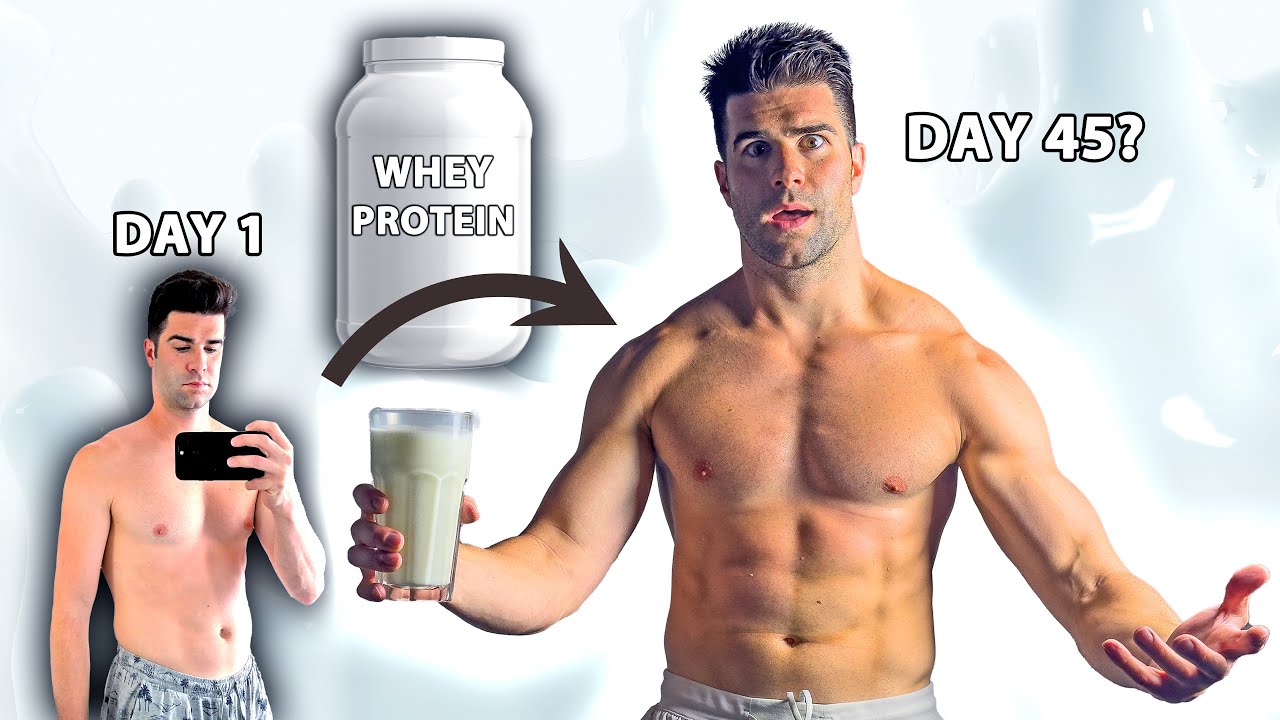
Muscle growth depends on exercise, not just protein. Too much won’t add extra muscle.
Myth 3: Only Bodybuilders Need Protein Shakes.
Anyone with higher protein needs, including older adults and vegetarians, may benefit.
Myth 4: Shakes Cause Weight Gain.
Only if you consume more calories than you burn. Used wisely, shakes can help with weight loss, too.
Key Insights Beginners Often Miss
- Quality matters more than quantity. Not all protein powders are equal—choose brands with third-party testing for safety.
- Protein needs change with activity and age. Don’t use the same shake routine forever. Review your needs as your lifestyle changes.
- It’s easy to overeat calories with shakes. Some add-ins (nut butter, fruit, milk) can turn a simple shake into a high-calorie drink.
- Listen to your body. If you feel bloated, tired, or have stomach problems, try changing the type of protein or reducing how often you drink shakes.
Making Protein Shakes Part Of A Balanced Diet
The healthiest diet uses a mix of whole foods and quality supplements. Here’s how to balance protein shakes in your day:
- Use shakes to supplement your protein, not replace meals.
- Focus on whole food protein at main meals (chicken, fish, tofu, beans).
- Have a shake after workouts or when you’re short on time.
- Add fruits and vegetables to your shakes for extra nutrients.
Frequently Asked Questions
Is It Safe To Drink Protein Shakes Every Day For Years?
For most healthy adults, yes, it is safe if the rest of your diet is balanced and you don’t exceed your total protein needs. However, if you have kidney disease or other health issues, speak with a doctor before using supplements daily.
Can Protein Shakes Cause Weight Gain?
Protein shakes add calories, so if you drink them on top of your regular diet, you may gain weight. But if you use them to replace a meal or snack, they can actually help with weight loss by keeping you full.
Do I Need A Protein Shake If I Eat Enough Protein From Food?
No, you do not. If you get enough protein from meals, you don’t need a shake. Shakes are just a convenient option to help reach your target, not a requirement.
Are There Any Side Effects From Daily Protein Shakes?
Some people may experience bloating, gas, or upset stomach, especially from whey protein. Others may react to additives or artificial sweeteners. Try different types and check labels to find what works best for you.
What Is The Best Time Of Day To Drink A Protein Shake?
Any time you need extra protein. Common times are after exercise, at breakfast, or as a snack between meals. The most important thing is total daily protein, not the exact timing.
Drinking protein shakes every day can be a healthy, practical way to support your nutrition and fitness. Choose wisely, listen to your body, and balance shakes with whole foods for the best results. If you’re not sure what’s right for you, consult a doctor or a registered dietitian for personalized advice.

