
Thinking about adding a dip station to your home gym is exciting. Dips are a powerful bodyweight exercise, building strength in your chest, shoulders, triceps, and core. But before you rush to buy or build one, it’s smart to ask: how much space do you need for a dip station? Many fitness fans underestimate this step. They focus on the station’s footprint but forget about movement room, ceiling height, and even floor type. If you get the space wrong, workouts become frustrating—or worse, unsafe.
This article will guide you through every detail, from measuring space, considering types of dip stations, to planning for safety and comfort. Whether you live in an apartment or have a large basement gym, you’ll learn exactly what to check before setting up your dip station.
Let’s break down the essentials, clear up confusion, and make sure your fitness space works for you.
Understanding Dip Station Types And Their Space Needs
Dip stations come in different shapes and sizes. The type you choose will affect how much space you need.
Standalone Dip Bars
Standalone dip bars are popular for home gyms. They are simple frames, usually made of steel, with two parallel bars. These don’t need to be attached to a wall or other equipment. The average size for this type is:
- Length: 30-50 inches (76-127 cm)
- Width: 20-28 inches (51-71 cm)
- Height: 40-50 inches (102-127 cm)
You need extra room around them, not just the station’s footprint. This space lets you mount, perform dips, and move freely.
Wall-mounted Dip Stations
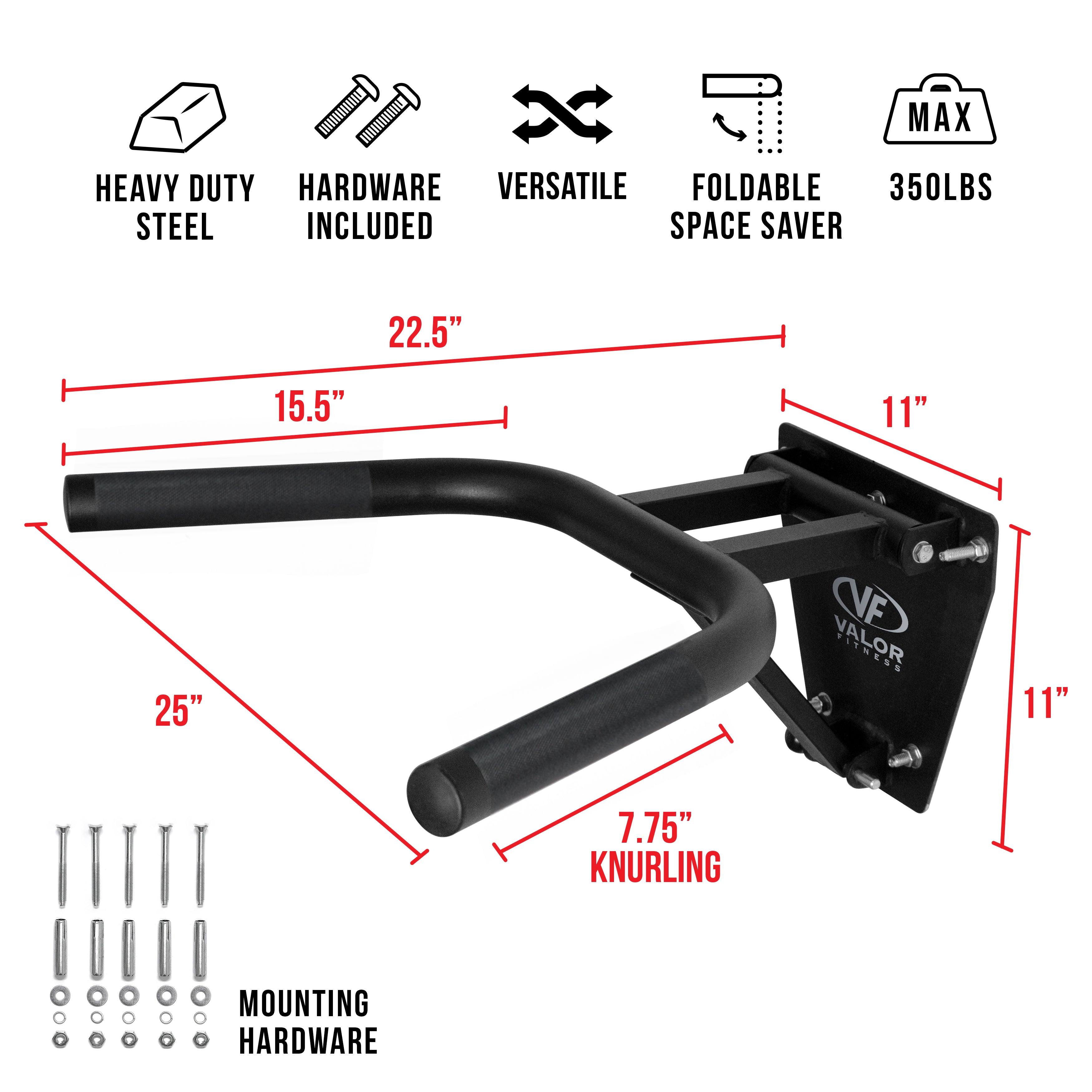
Wall-mounted dip stations save floor space. They are attached to a sturdy wall, with bars extending out. These are more compact:
- Bar extension from wall: 20-30 inches (51-76 cm)
- Width (between bars): 18-24 inches (46-61 cm)
You still need clear space below and around for your legs and to move safely.
Power Towers (multi-function Stations)
Power towers offer dips, pull-ups, and other exercises. They’re larger:
- Footprint: 40-60 inches (102-152 cm) long, 30-40 inches (76-102 cm) wide
- Height: 80-90 inches (203-229 cm)
Because of their height, you must check ceiling clearance.
Diy And Portable Dip Bars
DIY dip bars can be custom-sized, but most follow similar dimensions as standalone bars. Portable dip bars are smaller, lighter, and sometimes foldable. They still need safe clearance for your body and movement.
How Much Space Is Needed For A Dip Station?
Let’s look at the minimum and ideal space for different dip stations. Space isn’t just about the equipment—it’s also about your comfort and safety.
Essential Measurements
- Equipment footprint: The area the station covers on the floor.
- Movement clearance: Extra space for your body to move comfortably during dips.
- Ceiling height: Especially important for taller stations or if you want to do other exercises.
- Wall and floor strength: For wall-mounted options and overall safety.
Minimum Space Requirements
On average, you need:
- Standalone dip bar: At least 3 x 4 feet (0.9 x 1.2 meters)
- Wall-mounted dip station: At least 3 x 3 feet (0.9 x 0.9 meters)
- Power tower: At least 4 x 5 feet (1.2 x 1.5 meters), with 7-8 feet (2.1-2.4 meters) ceiling clearance
- Portable dip bar: At least 3 x 3 feet (0.9 x 0.9 meters)
But these are just the bare minimums.
Ideal Space For Comfort
For a comfortable and safe workout, add at least 2 feet (60 cm) of free space around all sides of your dip station. This lets you:
- Step on and off safely
- Move your legs and body without hitting walls or furniture
- Try advanced moves like L-sits or weighted dips
Here’s a comparison of minimum and ideal space for different types:
| Dip Station Type | Minimum Space | Ideal Space | Recommended Ceiling Height |
|---|---|---|---|
| Standalone Dip Bar | 3 x 4 ft | 5 x 6 ft | 7 ft+ |
| Wall-Mounted | 3 x 3 ft | 5 x 5 ft | 7 ft+ |
| Power Tower | 4 x 5 ft | 6 x 7 ft | 8 ft+ |
| Portable Dip Bar | 3 x 3 ft | 5 x 5 ft | 7 ft+ |
Why Space Matters For A Dip Station
Safety
If your dip station is too close to walls or furniture, you risk hitting your elbows or legs. Lack of space can lead to falls or injuries, especially when you’re tired.
Exercise Variety
More space lets you do advanced dips like L-sits, weighted dips, or swings. Some moves require your legs to move forward or backward, needing extra room.
Comfort And Motivation
A cramped gym feels uncomfortable. You’re less likely to use your dip station if you have to squeeze between other objects. More space means better workouts and higher motivation.
Maintenance And Cleaning
If you can’t move around your dip station, cleaning becomes hard. Dust, sweat, and dirt can collect, affecting your gym’s hygiene.
Measuring Your Space Before Buying
Before you get your dip station, measure your space carefully.
- Clear the area: Move furniture or items that might block your workout.
- Use a tape measure: Mark out the equipment’s footprint on the floor.
- Add clearance: Add at least 2 feet (60 cm) around the station.
- Check ceiling height: Make sure you can lift your knees and move arms above your head.
- Test movement: Stand in the space, move your arms and legs as you would during dips.
Pro tip: If possible, lay down masking tape on the floor to visualize the real space. This helps you see how the station fits into your room.
Considering Floor Type And Stability
Flooring plays a big role in safety and comfort. Dip stations need a stable, flat surface.
- Carpet: May cause wobbling. Use rubber mats for stability.
- Hardwood or tile: Good for stability, but protect the floor with mats.
- Concrete: Solid but may be hard on feet or knees. Add padding.
Never place your dip station on an uneven or sloped surface. It can tip or move during exercise, risking injury.
Dip Station Placement: Common Scenarios
Let’s look at some real-world examples. Where can you fit a dip station?
Apartment Living Room
- Space tips: Choose a portable or wall-mounted dip bar. Clear space near a wall, away from windows or fragile items.
- Noise tip: Place a mat under the station to reduce noise and protect the floor.
Garage Or Basement Gym
- Space tips: Usually more room. Power towers work well here.
- Floor tip: Use heavy-duty mats to protect concrete and reduce noise.
Bedroom Or Spare Room
- Space tips: Standalone or foldable dip bars are best. Place near a wall to keep the rest of the room usable.
- Clearance tip: Make sure there’s at least 2 feet (60 cm) behind and in front.
Shared Spaces
- Space tips: Portable dip bars can be moved after workouts.
- Storage tip: Choose foldable bars that fit under a bed or in a closet.
Dip Station Vs. Other Home Gym Equipment: Space Comparison
How does a dip station compare to other common gym equipment? Here’s a quick look:
| Equipment | Average Footprint | Ideal Space Needed |
|---|---|---|
| Dip Station | 3 x 4 ft | 5 x 6 ft |
| Pull-up Bar (doorway) | Fits in door | 3 x 3 ft |
| Power Tower | 4 x 5 ft | 6 x 7 ft |
| Bench Press | 5 x 7 ft | 7 x 9 ft |
| Treadmill | 3 x 6 ft | 4 x 8 ft |
As you can see, a dip station is one of the most space-efficient pieces of equipment for upper body workouts.
Non-obvious Space Factors Beginners Miss
Most beginners focus only on the basic footprint, but these extra factors are often missed:
Arm And Leg Swing
When you do dips, your elbows move out and your knees may bend or swing. If you plan to do knee raises or L-sits, you need more room in front and behind the station.
Overhead Clearance
Some dip stations are taller. If you want to do pull-ups or leg raises, make sure you have enough ceiling clearance. A low ceiling can limit your exercise options.
Wall And Window Proximity
Setting up a dip station too close to a wall or window can limit your range of motion and cause accidental bumps. Keep at least 2 feet (60 cm) from any wall or window.
Doorways And Traffic Flow
Think about how people move through the room. Don’t block doorways or create a tripping hazard. Choose a spot where the station won’t be in the way during daily life.
Planning For Growth And Versatility
A dip station isn’t just for dips. You may want to add other exercises later, like push-ups, incline rows, or resistance bands. Planning extra space now saves time and effort in the future.
- Leave room for exercise mats
- Allow space for storing weights or accessories
- Consider stations that can be expanded later
How To Choose The Right Dip Station For Your Space
When picking a dip station, consider:
- Your available space: Measure carefully.
- Exercise goals: If you want only dips, a smaller station works. For more exercises, a power tower may be better.
- Ceiling height: Make sure there’s enough room for your body and head.
- Portability: If you need to move or store it, pick a lightweight or foldable model.
- Budget: More features usually mean a larger footprint and higher price.
Pro tip: Read real user reviews for your chosen station. They often mention space surprises or problems not listed in product specs.
Installation And Assembly Tips
Getting your dip station set up correctly is important for safety and function.
For Standalone Or Portable Bars
- Assemble on a flat, stable surface
- Check that all bolts and screws are tight
- Test stability before first use
For Wall-mounted Dip Stations
- Mount to a solid wall (concrete or wall studs)
- Use heavy-duty anchors and hardware
- Check for electrical wires or plumbing inside the wall before drilling
For Power Towers
- Assemble according to instructions
- Make sure the station is level
- Place on a mat to prevent sliding
Always follow the manufacturer’s guidelines and check local building codes if attaching anything to walls.
Common Mistakes To Avoid
- Ignoring movement space: Many buy a station that “fits” but can’t be used safely.
- Forgetting about ceiling height: Tall users may bump their heads or can’t do certain exercises.
- Placing near windows or fragile items: Risk of accidents.
- Using on a soft or uneven surface: Can cause wobbling or tipping.
- Blocking doorways or main walkways: Makes daily life harder and can be a tripping hazard.

Maximizing Small Spaces
If your workout area is small, you can still fit a dip station. Here are tips:
- Choose a wall-mounted or foldable model
- Use portable bars you can store after workouts
- Combine with other compact equipment (like resistance bands)
- Place in a corner to free up more room
Some people even set up their dip station on a balcony or patio for extra space and fresh air.
Real-world Examples And Measurements
Let’s look at three real homes and how dip stations fit:
1. Studio Apartment (200 Sq Ft)
- Chose a portable dip bar, 24 inches wide, 36 inches long
- Placed near a window with at least 2 feet clearance
- Total space used: About 4 x 5 feet (1.2 x 1.5 meters)
- Stores under the bed when not in use
2. Basement Gym (400 Sq Ft)
- Installed a power tower, 48 inches wide, 60 inches long, 85 inches tall
- Left 2 feet on all sides, total space used: 6 x 7 feet (1.8 x 2.1 meters)
- Ceiling height: 8.5 feet, no issues with pull-ups or dips
3. Shared Family Room
- Used a wall-mounted dip station, bars extend 24 inches from the wall
- Placed on a load-bearing wall, with 3 feet clearance in front
- When not in use, no floor space is taken

Dip Station Accessories And Their Impact On Space
Some accessories can help or require more space:
- Dip belts: For adding weight; need room to hang weight plates safely
- Resistance bands: May need more space behind the station to stretch
- Push-up handles: Usually fit under the dip station
- Exercise mats: Can be rolled up when not in use
Plan for these extras if you want to expand your workout routine.
Cleaning And Maintenance Tips
A clean dip station is safer and lasts longer.
- Wipe down bars after each workout
- Check for loose bolts or screws monthly
- Clean the floor area to prevent slips
If your station folds or moves, check hinges and joints often.
When To Upgrade Your Dip Station Or Space
You might need more space if:
- You want to try advanced exercises
- More people will use the station
- You add new equipment (like weights or bands)
- The station feels cramped or uncomfortable
Upgrading to a bigger station or moving to a larger room may be the best solution.
The Bottom Line: Plan Before You Buy
A dip station is a smart, space-efficient way to build upper body strength at home. But don’t just measure the equipment—plan for comfort, safety, and future growth. Think about movement, ceiling height, and where you’ll use it. Making smart choices now saves money, prevents frustration, and helps you enjoy your workouts for years.
If you want more details on dip station exercises and equipment, check this Wikipedia page on dips.
Frequently Asked Questions
How Much Space Do I Need Between Dip Bars?
The ideal distance between dip bars is 18-24 inches (46-61 cm), which matches average shoulder width. This helps you perform dips safely without putting stress on your shoulders. Too narrow or too wide can cause joint pain or poor form.
Can I Put A Dip Station In My Apartment?
Yes, you can use a dip station in an apartment if you measure your space first. Choose a portable, wall-mounted, or foldable model. Make sure you have at least 3 x 4 feet (0.9 x 1.2 meters) and enough ceiling clearance. Place a mat underneath to reduce noise and protect your floor.
Do I Need A Mat Under My Dip Station?
While not required, using a rubber mat is a good idea. It protects your floor, prevents slipping, and reduces noise. Mats are especially useful on hardwood, tile, or concrete surfaces.
How High Should My Ceiling Be For A Dip Station?
A ceiling height of at least 7 feet (2.1 meters) is recommended for most dip stations. Power towers and multi-function stations may need 8 feet or more, especially if you plan to do pull-ups or other overhead exercises.
What’s The Best Dip Station For A Small Space?
For small spaces, a wall-mounted or portable dip station is best. These take up less floor space and can be stored away easily. Foldable models are also a good choice if you need to keep the area clear for other activities.

