
Storing protein powder might seem simple, but doing it wrong can destroy its quality, taste, and even safety. Many people spend a lot of money on whey, casein, or plant-based protein powder—but forget that how you store it matters just as much as what brand you buy. You might notice your powder clumping, losing flavor, or even smelling strange over time. Sometimes, these problems mean the powder is no longer safe to use.
Understanding the right way to store protein powder protects your investment, keeps your nutrition plan on track, and helps you avoid health risks. Whether you’re a regular gym-goer or just using protein shakes for convenience, this guide will help you make your protein powder last longer and taste fresher.
Why Storage Matters For Protein Powder
Proper storage is not just about keeping the powder dry. Protein powder can be sensitive to moisture, heat, light, and air. When exposed to the wrong conditions, protein powder can:
- Lose nutritional value
- Develop off-flavors
- Clump or harden
- Grow bacteria or mold
A 2021 study published in the Journal of Food Science showed that protein content in whey powder can drop by up to 12% after six months if not stored correctly. That’s a big waste, especially if you’re counting on it for daily nutrition.
The Enemies Of Protein Powder
To store protein powder the right way, you first need to know what can damage it. Here’s what to watch out for:
- Moisture: Even a little water can make protein powder clump, spoil, or grow mold.
- Heat: High temperatures can break down proteins and cause chemical changes.
- Light: Sunlight can cause oxidation, which changes the taste and smell.
- Air: Oxygen exposure leads to loss of freshness and nutrition.
- Strong Odors: Protein powder absorbs smells from its environment.
Most people only think of moisture, but heat and air are just as important. For example, storing your protein powder above the stove or next to a window can ruin it faster than you might expect.

Choosing The Right Container
Protein powder often comes in large plastic tubs or bags. While these are designed to be airtight, they’re not always the best for long-term storage—especially once opened.
What Makes A Good Container?
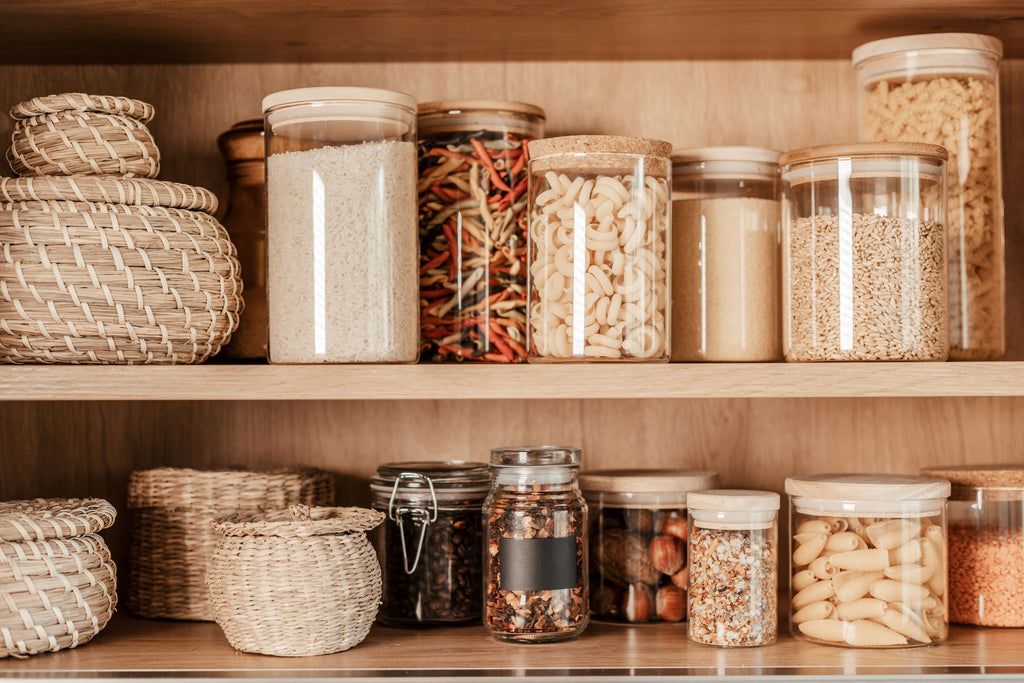
- Airtight Seal: Keeps out moisture and air.
- Opaque Material: Blocks light, especially for clear or lightly colored powders.
- Food-Grade Plastic or Glass: Safe for contact with food.
- Easy to Clean: Prevents old residues that can spoil new powder.
Comparing Common Container Types
Here’s how different containers stack up:
| Container Type | Protection | Best For | Downsides |
|---|---|---|---|
| Original Tub | Good | Short-term, unopened | Seal weakens after first use |
| Resealable Bag | Fair | Travel, small portions | Prone to leaks, tears |
| Glass Jar | Excellent | Long-term, home storage | Heavy, breakable |
| Plastic Container (Airtight) | Very Good | Bulk storage | Can absorb odors |
| Vacuum Sealed Bag | Best | Extended storage | Requires special equipment |
Most people stick with the original tub. But if you live in a humid place or plan to keep protein powder for months, investing in a quality airtight container makes a big difference.
Where Should You Store Protein Powder?
The right location is just as important as the container. The best spot is:
- Cool: Below 25°C (77°F) is ideal.
- Dry: Away from sinks, kettles, or dishwashers.
- Dark: Inside a cupboard or pantry, not on a windowsill.
- Stable: No big changes in temperature or humidity.
Good Storage Locations
- Kitchen pantry (away from heat sources)
- Bedroom closet (if kitchen is too humid)
- Dedicated food storage cabinet
Bad Storage Locations
- Above the fridge or stove (too hot)
- Near windows (sunlight)
- Bathroom (high humidity)
- Garage or car (temperature swings)
If you have no cool, dry place, try keeping the protein powder in a climate-controlled room. Some people even store protein powder in a wine fridge set to a low temperature.
How Long Does Protein Powder Last?
Most protein powders have a best before date printed on the package. But this date assumes you store it correctly. In general:
- Unopened protein powder: 9–24 months (depending on brand and type)
- Opened protein powder: Use within 3–6 months for best taste and nutrition
Whey and casein proteins usually last longer than plant-based powders, which can go stale faster.
Shelf Life By Protein Type
| Protein Type | Unopened Shelf Life | Opened Shelf Life |
|---|---|---|
| Whey Protein | 18–24 months | 3–6 months |
| Casein Protein | 18–24 months | 3–6 months |
| Soy Protein | 12–18 months | 3–4 months |
| Pea/Rice Protein | 9–12 months | 2–3 months |
One non-obvious insight: even if the powder looks fine, the flavor and mixability often decline before the “best before” date if exposed to air.
Signs Your Protein Powder Has Gone Bad
Protein powder doesn’t last forever. Here are warning signs you should not ignore:
- Clumping: Hard lumps or sticky texture means moisture got in.
- Off-smell: Sour, cheesy, or chemical smells signal spoilage.
- Strange taste: Bitter or bland flavors can mean the powder is old.
- Color changes: Yellowing or darkening is a red flag.
- Mold or bugs: Discard immediately if you see any.
If you notice any of these, it’s best not to risk using the powder. Eating spoiled protein can cause stomach issues or food poisoning.
How To Open And Use Protein Powder The Safe Way
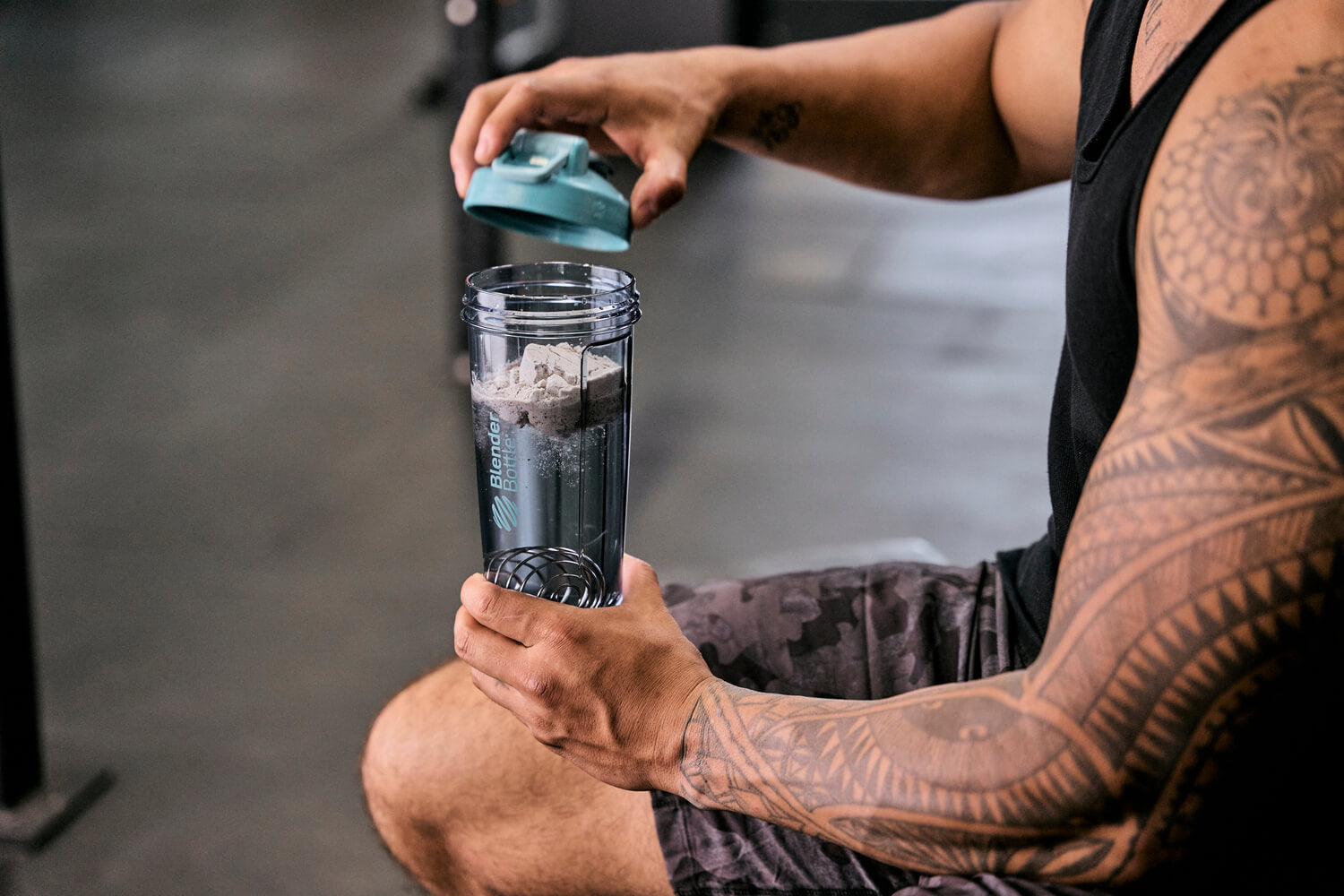
Every time you open the container, you expose the powder to air and moisture. Here’s how to reduce risk:
- Wash your hands before scooping.
- Use a dry, clean scoop—never wet.
- Close the lid tightly after each use.
- Don’t store the scoop inside the powder if it’s wet or unclean.
Many people forget that a wet scoop can introduce moisture and spoil the entire batch.
Traveling With Protein Powder
Sometimes you need to bring protein powder to work, the gym, or on a trip. Here’s how to keep it safe:
- Use small, airtight containers for single servings.
- Label each container with the date and type.
- Avoid clear bags if possible; use opaque ones for better light protection.
- Keep containers in your bag, not in a hot car or exposed to the sun.
If you need to mix the powder ahead of time (like for a shake), drink it within a few hours, and always refrigerate if possible.
Extra Tips To Make Protein Powder Last Longer
You can stretch the shelf life of your protein powder with these extra steps:
- Add a silica gel packet: These are often included in the package. Keep them in to absorb moisture (but don’t eat them).
- Don’t mix flavors: Storing different flavors together can lead to strange tastes.
- Buy smaller tubs if you use powder slowly.
- Do not refrigerate or freeze: Cold can cause condensation when opened, which ruins the powder.
- Check the powder before each use: A quick sniff or look can save you from a bad experience.
A common mistake is buying a huge tub to save money, then having it go bad before you can finish it.
Common Mistakes When Storing Protein Powder
Let’s look at the most frequent errors people make—and how to avoid them.
- Leaving the lid loose: Even a small gap lets in air and moisture.
- Using damp scoops or hands: Introduces water and bacteria.
- Storing in a bathroom or laundry room: These rooms are usually humid.
- Keeping powder near cleaning chemicals: Strong odors can be absorbed, ruining the taste.
- Ignoring the “best before” date: Older powder may not be safe or effective.
- Not labeling transferred powder: If you move powder to a new container, always write the expiration date on it.
- Reusing old containers without cleaning: Old protein residue can spoil new powder.
Many of these mistakes are easy to fix once you know what to watch for. The biggest risk is often not obvious: even small daily exposures to air and moisture add up over time.
How Different Protein Types React To Storage
Not all protein powders behave the same. Here’s what you need to know about the most common types:
Whey And Casein
- Stable if kept dry
- Lose flavor fast if exposed to air
- Clump easily in humid climates
Plant-based Proteins
- More sensitive to heat and light
- Spoil faster due to natural oils
- Can develop bitter flavors quickly
Egg White Protein
- Absorbs moisture fast
- Can smell “eggy” if old
For all types, the rules above apply. But plant-based powders especially need extra care because they go stale faster.
Does Protein Powder Need To Be Refrigerated?
Many people ask if protein powder should go in the fridge. The answer is usually no. Here’s why:
- Fridges are humid: Moisture can condense inside the container.
- Flavor changes: Some powders taste different when cold.
- Clumping risk: Cold air, then warm air, causes water droplets.
It’s better to keep your powder in a dry, cool cupboard. Only refrigerate a ready-to-drink shake, not the dry powder.
Can You Freeze Protein Powder?
You might think freezing protein powder will help it last longer. In most cases, this is a bad idea. Freezing can:
- Cause condensation when you open the container
- Change the powder’s texture
- Increase clumping
Only freeze protein powder if the manufacturer specifically says it’s safe. For most users, freezing is more risk than reward.
How To Tell Good Protein Powder Storage From Bad
It’s not always obvious if you’re storing your powder correctly. Here’s a quick side-by-side comparison:
| Good Storage | Bad Storage |
|---|---|
| Airtight container, cool cupboard, away from light | Loose lid, next to stove, in direct sunlight |
| Dry scoop, hands washed before use | Wet scoop, touching powder with hands |
| Check powder before each use | Ignore changes in smell or color |
A little attention goes a long way in keeping your protein powder safe and effective.
What About Protein Powder Blends With Additives?
Some protein powders have added vitamins, minerals, or flavorings. These blends can be even more sensitive to light and air. For example, vitamin C and B vitamins break down quickly if exposed to air. Store these powders in an airtight, opaque container, and use them within a few months of opening.
Storing Vegan And Organic Protein Powders
Vegan and organic protein powders sometimes have fewer preservatives. This means they can spoil faster than regular powders. Keep them especially dry and cool. Many organic brands use paper packaging, which is not airtight—so transfer the powder to a better container right away.
Does Humidity Really Matter That Much?
Yes, humidity is a bigger problem than most people realize. Even in a sealed house, kitchen humidity can rise over 60% after cooking or dishwashing. At that level, protein powder can clump in a few weeks. If you live in a humid climate, consider using a dehumidifier in the storage area or add extra silica gel packets to your container.
What If You Buy Protein Powder In Bulk?
Buying in bulk can save money, but only if you store it right. Here’s how:
- Divide the big bag into smaller, airtight containers.
- Store most containers in a cool, dark place.
- Only keep one container in daily use at a time.
- Don’t open the main bulk bag more than needed.
This way, you expose only a small amount of powder to air and moisture at a time.
Is It Safe To Use Expired Protein Powder?
Using expired protein powder isn’t always dangerous, but it’s not recommended. Over time, the protein breaks down, and the risk of bacteria or mold grows. The flavor and nutrition will decline, even if it looks fine. If you must use old powder, check for any signs of spoilage first.
When To Throw Away Protein Powder
Don’t take risks with your health. Throw away protein powder if:
- It smells or tastes bad
- You see any mold, bugs, or webbing
- It has clumped into a solid mass
- It’s months past the expiration date
If in doubt, throw it out. The cost of a new tub is far less than the risk of food poisoning.
Frequently Asked Questions
How Do I Know If My Protein Powder Has Gone Bad?
Look for clumping, a sour or off smell, color changes, or a strange taste. If you see any mold or bugs, throw it out immediately. Even if it looks okay, old powder often loses its flavor and nutrition.
Should I Keep Protein Powder In The Fridge Or Freezer?
No. Fridges and freezers are humid and can cause protein powder to clump or spoil when condensation forms. Store protein powder in a cool, dry cupboard instead.
Can I Store Protein Powder In The Original Packaging?
You can, but make sure the lid is airtight. If you notice the seal is weak or you live in a humid area, transfer the powder to a better airtight container.
Does Protein Powder Absorb Smells From Other Foods?
Yes. Protein powder can absorb strong odors from nearby foods like spices, coffee, or cleaning products. Always keep it in a sealed container, away from strong smells.
What Is The Best Way To Store Protein Powder For Long-term Use?
For long-term storage, keep protein powder in an airtight, opaque container in a cool, dry, dark place. Add a silica gel packet to absorb moisture, and avoid opening the container more than needed. For more details, check out this Healthline article on protein powder safety.
Storing protein powder properly isn’t complicated, but it does require attention to detail. By protecting your powder from moisture, heat, light, and air, you’ll keep it fresh, effective, and safe for months. A few simple habits can make your protein investment last longer and taste better, every single time.

