
A dip station is a powerful tool for building upper body strength, especially for exercises like dips, leg raises, and more. But many people set up their dip station and forget about it, expecting it to last forever. Over time, neglect leads to squeaky joints, shaky frames, and even safety issues.
If you want your dip station to stay sturdy and safe, you need to know how to maintain it properly. This guide breaks down everything you need to do, from daily habits to yearly checkups, so your equipment works like new for years.
Why Dip Station Maintenance Matters
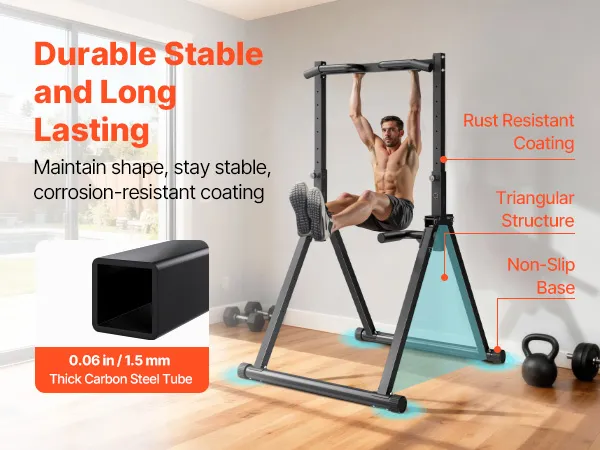
A dip station is more than just a set of bars. It takes your body weight every session. Small problems—rust, loose bolts, worn grips—can quickly become big dangers. Well-maintained equipment supports good workouts and prevents injuries. Plus, if you take care of your dip station, you won’t have to replace parts (or the whole thing) as often.
Poor maintenance doesn’t just risk your safety. It can also make your workouts less effective. Wobbly bars distract you from your form, and sticky grips break your focus. Imagine trying to push through a tough set, but the station creaks loudly or feels unsteady.
You don’t want to worry about your gear when you’re pushing your limits.
Understanding Your Dip Station
Before you can maintain your dip station, you need to know what you’re working with. Dip stations come in a few main types:
- Free-standing dip stations: Portable and common for home gyms.
- Wall-mounted dip bars: Fixed to a wall for stability.
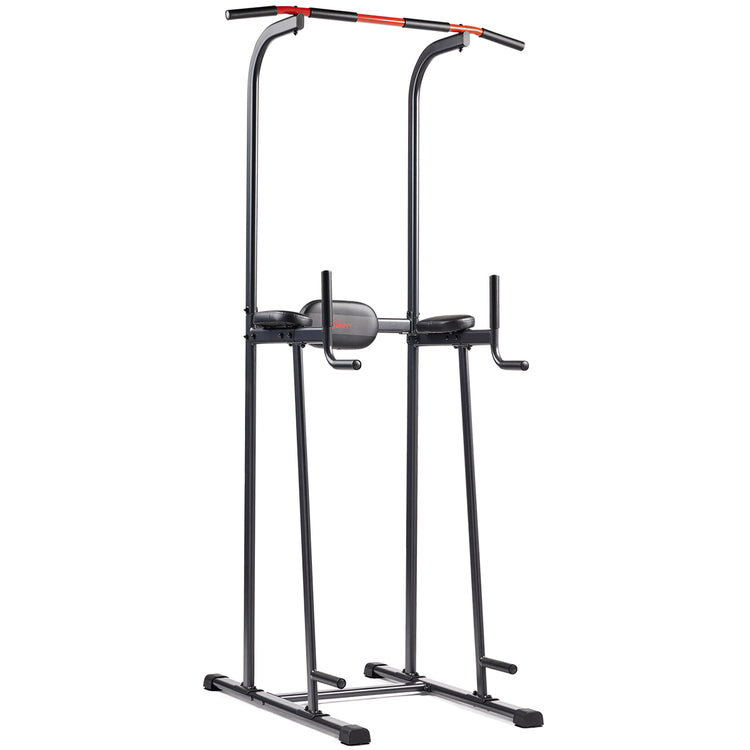
- Power towers: Multi-use racks, often with pull-up bars and push-up handles.
- Outdoor dip stations: Made for parks or home yards, usually weather-resistant.
Most dip stations are built from steel, aluminum, or heavy-duty iron, with foam or rubber grips. Each material needs a specific approach. For example, steel can rust, but aluminum resists it. Foam grips wear out differently than rubber.
Key Parts To Check
- Main frame/bars: The main support structure.
- Grips: Foam or rubber coverings for comfort and control.
- Bolts and welds: Connect and secure the station.
- Feet/pads: Keep the station stable and protect floors.
- Joints and hinges: On adjustable models or power towers.
Knowing these parts helps you spot issues before they get serious.
Daily And Weekly Maintenance Routines
You don’t need to spend hours every week, but small habits keep your dip station in top shape.
After Every Workout
- Wipe down the grips and bars. Sweat can corrode metal and break down foam or rubber. Use a clean, slightly damp cloth to remove sweat, chalk, or dirt.
- Quick visual check. Look for new cracks, loose bolts, or wobble. If something feels off, address it before your next workout.
Weekly Habits
- Check grip condition. If you see tears, flattening, or slipping, consider replacing or repairing the grips.
- Inspect stability. Try rocking the station gently. Any unexpected movement means something needs tightening.
- Clean feet or pads. Dust and debris under the station can scratch your floor and make the station uneven.
Example
One gym-goer noticed their foam grips getting slippery after each session. They started wiping the grips after every workout and found the foam lasted twice as long before needing replacement.
Monthly Maintenance Tasks
Monthly routines go deeper, catching issues you might miss during daily checks.
Tighten All Bolts And Screws
Dip stations rely on secure connections. Over time, bolts can loosen from vibration and movement.
- Use the right size wrench or Allen key.
- Don’t overtighten—this can strip threads, especially on aluminum frames.
- Check every joint, even if it’s not easily visible.
Inspect For Rust Or Corrosion
Steel and iron can rust, especially in humid rooms or garages.
- Look for brown or orange spots on bars or bolts.
- If you find rust, use a wire brush to gently remove it.
- Apply a thin layer of anti-rust spray or oil. Be careful not to get oil on the grips.
Lubricate Joints (if Applicable)
Some dip stations have movable parts or folding joints.
- Use silicone spray or light machine oil.
- Wipe away excess to avoid slippery surfaces.
- Never lubricate the grips—only the moving metal parts.
Test Maximum Load
If your station has a listed weight limit, occasionally add some extra weight (safely) to make sure it remains stable. For example, if you weigh 80 kg and the station is rated for 150 kg, you can hang a weight plate (with care) and check for creaks or flexing.
Deep Cleaning And Seasonal Checks
Every few months—especially if you use your dip station outdoors or in a garage—give it a more thorough cleaning and inspection.
Deep Clean Process
- Disassemble if possible. Take apart what you can, following the manufacturer’s instructions.
- Wash with mild soap and water. Use a sponge or cloth for the frame. Avoid harsh chemicals, especially on painted or powder-coated surfaces.
- Scrub grips gently. Use a soft brush with mild soap. Rinse and let them air dry completely before reassembling.
- Check for hidden rust or cracks. Some damage hides under grips or pads.
- Dry everything well. Moisture trapped in joints or inside the frame causes rust.
Seasonal Checks
- Winter: Cold can make plastic parts brittle and encourage rust.
- Summer: Humidity increases corrosion. Check for mold or mildew on grips.
- Rainy seasons (for outdoor stations): Look for water in joints or inside hollow frames.
Real-world Example
A home gym owner in a coastal city noticed surface rust after every rainy season. They started applying a silicone-based sealant twice a year and kept a towel nearby to wipe the bars after each use. Rust almost disappeared, and the station felt sturdier.
Repairing And Replacing Parts
No dip station lasts forever without a little repair. Some parts are easy to fix at home, while others may need professional help.
Common Repairs
Grips
- Foam grips: Available online or at hardware stores. Cut to size and slide on with soapy water.
- Rubber grips: Some are glued or molded. If worn, replace them with universal slip-on grips.
- DIY tip: Bicycle handlebar tape can work in a pinch for temporary padding.
Bolts And Hardware
- Replace any stripped or rusted bolts with the same size and grade. Bring the old bolt to the store for an exact match.
- Use thread-locking fluid if bolts work loose often.
Frame
- Minor rust: Sand, prime, and touch up with rust-resistant paint.
- Cracks or bent parts: If you see frame damage, stop using the station immediately. Contact the manufacturer or a metalworker. Never try to weld or bend a cracked frame at home unless you are experienced.
Feet Or Pads
- Replace worn feet with rubber furniture caps (from hardware stores) to protect your floor and reduce wobble.
When To Replace The Whole Station
- If the main frame is cracked, bent, or unstable.
- If repairs cost more than 50% of a new station.
- If replacement parts are unavailable or don’t fit well.
Preventing Common Problems
A little prevention saves time, money, and hassle.
Moisture And Rust
- Keep your dip station indoors if possible.
- Use a dehumidifier in your gym or garage.
- For outdoor stations, invest in a waterproof cover.
Overloading
- Respect the station’s weight limit. Most home models handle 110–150 kg.
- Add weight slowly if you do weighted dips.
Improper Assembly
- Follow the instructions carefully.
- Double-check all bolts after the first week of use—they often loosen as the frame settles.
Unsafe Modifications
- Don’t drill new holes or add attachments unless the station is designed for it.
- Modifying the frame can weaken its structure.
Example Table: Dip Station Material Comparison
Here’s a look at how common dip station materials compare for maintenance:
| Material | Rust Risk | Durability | Maintenance Difficulty |
|---|---|---|---|
| Steel | Medium-High | Very High | Moderate |
| Aluminum | Low | High | Easy |
| Iron | High | High | Moderate |
| Composite/Plastic | None | Low-Moderate | Easy |
Indoor Vs. Outdoor Dip Station Maintenance
Where you keep your dip station changes how you care for it.
Indoor Stations
- Dust regularly to avoid buildup in joints.
- Control humidity to reduce rust.
- Protect flooring with mats under the feet.
Outdoor Stations
- Check for rust after rain or snow.
- Apply weatherproof coatings twice a year.
- Store under a cover when not in use.
- Inspect for insect nests—especially inside hollow frames.
Table: Indoor Vs. Outdoor Maintenance Tasks
| Task | Indoor | Outdoor |
|---|---|---|
| Rust Inspection | Monthly | Weekly |
| Grip Cleaning | Weekly | Twice Weekly |
| Weatherproofing | Rarely Needed | Every 6 Months |
| Covering Station | Optional | Strongly Recommended |
Advanced Tips For Long-term Durability
If you want your dip station to last for many years, consider these less obvious strategies.
Use Protective Coatings
Many high-end dip stations come with powder-coated finishes, but you can add a clear sealant or silicone spray for extra protection, especially on welds and bolt heads.
Rotate The Station’s Position
If you use your station on a mat or wooden floor, rotate it occasionally. This prevents the feet from wearing grooves or pressure spots in your floor.
Schedule Preventive Maintenance
Mark your calendar for deep cleaning and bolt checks every three months. Scheduling makes it much more likely you’ll stay consistent.
Keep A Maintenance Log
Record dates for tightening, cleaning, and repairs. This helps you spot patterns. For example, if the same bolt always comes loose, it may need thread-locker or replacement.
Example Table: Maintenance Schedule
| Task | Frequency | Notes |
|---|---|---|
| Wipe Grips | After Each Use | Prevents sweat damage |
| Check Bolts | Monthly | Tighten as needed |
| Inspect for Rust | Monthly | Clean and treat promptly |
| Deep Clean | Quarterly | Disassemble if possible |
| Weatherproof (Outdoor) | Every 6 Months | Apply sealant or cover |
Mistakes To Avoid
Many dip station owners make avoidable mistakes that shorten their equipment’s life.
- Ignoring small creaks or wobbles. These usually get worse and sometimes lead to sudden failure.
- Using harsh cleaners. Chemicals like bleach can damage grips and strip protective coatings.
- Over-tightening bolts. This can strip threads, especially in softer metals.
- Leaving the station wet. Always dry after cleaning or exposure to rain.
- Skipping seasonal checks. Many problems only show up under certain weather conditions.
- Using the station for unintended exercises. Pull-ups on a lightweight dip station can bend the frame.

When To Call A Professional
Most maintenance is DIY, but some situations need expert help.
- Frame cracks or weld breaks. A professional welder can repair, but sometimes replacement is safer.
- Severe rust inside the frame. If rust is deep, the structure may be unsafe.
- Unusual instability. If the station wobbles even after tightening, a pro can check for hidden damage.
Additional Resources
For more details on rust prevention, safe cleaning, or finding replacement parts, you can check Wikipedia’s Exercise Equipment page. It offers a broad overview and links to trusted sources.
Frequently Asked Questions
How Often Should I Check My Dip Station For Problems?
You should do a quick check after every workout, a deeper check monthly, and a full cleaning and inspection every three months. Outdoor stations may need more frequent checks, especially after bad weather.
What Is The Best Way To Remove Rust From A Dip Station?
Use a wire brush or fine sandpaper to scrub away surface rust. For tougher spots, apply a rust remover (follow safety instructions). Always finish by cleaning the area and applying a rust-resistant spray or paint.
Can I Use Home Cleaning Products On My Dip Station?
Mild soap and water are usually safe for most parts. Avoid strong chemicals like bleach or ammonia, which can damage coatings and grips. For stubborn grime, use a cleaner made for gym equipment.
How Do I Know When It’s Time To Replace Grips?
If grips are torn, flattened, slippery, or uncomfortable, it’s time to replace them. Worn grips can affect your form and may even cause blisters. Replacement grips or handlebar tape are easy to find online.
Is It Safe To Keep My Dip Station Outside?
You can keep a dip station outside if it’s made for outdoor use and you take care of it. Use a weatherproof cover, check for rust regularly, and apply protective coatings. However, outdoor use will always cause faster wear than indoor use.
Taking care of your dip station doesn’t need to be complicated. With these habits, your equipment will keep you strong, stable, and safe for years to come. Consistent maintenance is the key to getting the best from every workout—so make it part of your fitness routine, just like warming up or cooling down.

