
Keeping your dip station clean is more important than you may think. Sweat, dust, chalk, and even outdoor elements can build up over time, affecting both hygiene and performance. A well-cleaned dip station doesn’t just look better—it lasts longer, feels better to use, and helps prevent bacteria from spreading.
Whether you’re using a dip station at home or in a gym, learning to clean it properly is a skill every fitness enthusiast should have. Many people wipe down equipment quickly and move on, but that leaves behind grime and germs.
A deep, regular clean can make your workouts safer and more enjoyable.
This article covers every aspect of cleaning a dip station, from daily wipe-downs to deep cleaning, material care, and expert tips. You’ll find solutions for steel, powder-coated, and padded surfaces, as well as advice for indoor and outdoor setups. By the end, you’ll know exactly how to keep your dip station in top shape, spot common mistakes, and set a cleaning routine that actually works.
Why Cleaning Your Dip Station Matters
It’s easy to think of cleaning as a low priority, but for dip stations, it’s essential for several reasons.
- Hygiene: Sweat and body oils create a perfect environment for bacteria and fungi. A clean station reduces the risk of skin infections and illness.
- Equipment lifespan: Dirt, chalk, and moisture can wear down coatings, cause rust, or weaken joints and padding.
- Grip and performance: Built-up grime or chalk affects grip and may cause slips or discomfort during dips.
- Aesthetics: Clean equipment is more inviting to use, which helps maintain your workout motivation.
Even in home gyms, equipment gets dirty faster than you might expect. Shared gym environments multiply these concerns.
Types Of Dip Stations And Their Materials
Not all dip stations are made the same way. Understanding the material helps you choose the right cleaning method and avoid damage.
Main Types Of Dip Stations
- Freestanding dip bars: Often made of steel or iron, sometimes with powder coating or chrome finish.
- Wall-mounted dip bars: Usually steel, sometimes with foam or rubber grips.
- Power towers: Multi-function, often with padded back and arm supports, steel frames, and rubber feet.
- Outdoor dip stations: Typically heavy-duty steel, sometimes with weatherproof paint, found in parks or calisthenics areas.
Common Materials
- Powder-coated steel: Resists rust but can chip if scratched. Needs gentle cleaning to avoid damage.
- Stainless steel: Durable, less prone to rust, but can show fingerprints and sweat marks.
- Chrome-plated: Shiny, easy to wipe, but can flake if scratched.
- Padded vinyl or PU leather: Found on arm/back supports; absorbs sweat and needs regular disinfecting.
- Rubber or foam grips: Comfortable, but can hold sweat, bacteria, and chalk.
Knowing your station’s materials helps you choose the right cleaner and avoid harsh products that cause wear.

What You Need: Cleaning Supplies And Safety
Before you start, gather all the cleaning tools and products you’ll need. Using the right supplies makes cleaning faster and prevents accidental damage.
Must-have Cleaning Supplies
- Microfiber cloths: For wiping dust, sweat, and chalk.
- Soft-bristled brush: Reaches grooves, welds, and textured surfaces.
- Mild detergent: Dish soap or gentle all-purpose cleaner.
- Disinfectant spray: Kills bacteria and viruses.
- Water spray bottle: For rinsing without soaking.
- Bucket or bowl: To mix cleaning solution.
- Gloves: Protects hands from harsh cleaners and germs.
- Old toothbrush: Cleans hard-to-reach spots.
- Paper towels: For drying and quick wipes.
- Non-abrasive sponge: For padded or delicate surfaces.
Optional But Helpful
- Vacuum with brush attachment: For removing dust in home gyms.
- Metal polish: For chrome or stainless steel.
- Rust remover: For outdoor or older stations.
Safety Tips
- Always wear gloves when using disinfectants.
- Test any new cleaner on a small, hidden area first.
- Never mix bleach and ammonia; it creates toxic fumes.
- Work in a well-ventilated space.
- Unplug any nearby electronics before spraying.
Step-by-step Guide: How To Clean A Dip Station
Let’s get practical. Below are detailed steps for a complete dip station cleaning, suitable for both home and gym environments.
1. Inspect The Station
Before cleaning, take a close look at the dip station:
- Check for rust spots, chipped paint, or loose padding.
- Look for sticky, chalky, or greasy areas.
- Note any cracks or areas where sweat pools.
- For outdoor stations, check for mud, pollen, or bird droppings.
Spotting problems early helps you target your cleaning and decide if you need extra products like rust remover or polish.
2. Dry Dusting
Start by removing loose dust, chalk, or dirt:
- Use a dry microfiber cloth to wipe all surfaces.
- For textured or grooved parts, use a soft brush or old toothbrush.
- Don’t forget the underside, welds, and corners.
This first step prevents rubbing grit into surfaces during wet cleaning.
3. Cleaning Metal Frames And Bars
Mix a cleaning solution:
- Combine a few drops of mild detergent with warm water in a bucket.
- Dampen a microfiber cloth or non-abrasive sponge with the solution.
- Wipe the entire frame, focusing on areas with sweat, chalk, or visible grime.
- For sticky spots, hold the damp cloth in place for 10–20 seconds, then rub gently.
- For stubborn dirt in grooves or welds, use an old toothbrush dipped in the solution.
- Rinse cloth in clean water and wipe again to remove soap residue.
Never soak the station or let water pool in joints—this can cause rust.
4. Cleaning Grips And Padding
Grips and pads need extra care:
- Mix a solution of water and a small amount of detergent.
- Use a cloth or sponge to clean rubber or foam grips. Don’t oversaturate; squeeze out excess water first.
- For padded areas (vinyl or PU leather), wipe down with the cloth and then with a dry paper towel.
- For stubborn sweat stains or odors, use a disinfectant spray. Let it sit for the time listed on the label, then wipe dry.
- Avoid using alcohol on foam grips—it can dry or crack the material.
Example: If you notice a sticky feel on the grips, it’s likely sweat buildup mixed with chalk. A soapy wipe followed by a disinfectant spray works best.
5. Disinfecting
To kill germs and bacteria:
- Spray a disinfectant on all high-touch points: Bars, grips, pads.
- Let it sit for the recommended contact time (often 1–5 minutes).
- Wipe dry with a clean paper towel or cloth.
For home gyms, you can use a diluted bleach solution (1 part bleach to 9 parts water), but always rinse thoroughly and never mix with other cleaners.
6. Drying
Moisture leads to rust and mold, especially on steel or padding.
- Always dry all surfaces completely with a clean, dry cloth.
- For outdoor stations, let air dry in the sun if possible, but wipe off excess water first.
- Pay special attention to the base and any hidden corners.
7. Polishing (optional)
For stainless steel or chrome stations:
- Apply a small amount of metal polish to a microfiber cloth.
- Buff in small circles.
- Wipe away any residue with a clean cloth.
This step isn’t required every time, but it keeps metal looking new and resists fingerprints.
8. Final Inspection
After cleaning:
- Check for missed spots, especially sticky or chalky areas.
- Look for any signs of rust, chips, or wear that need repair.
- Make sure all bolts and fasteners are tight—cleaning is a good time for basic maintenance.
- If you use chalk, consider applying a small amount to dry bars after cleaning, but only if you wipe off the excess.
Special Considerations: Indoor Vs. Outdoor Dip Stations
Where your dip station lives changes how you clean and protect it.
Indoor Dip Stations
- Less exposure to rain and dirt, but sweat, chalk, and dust still build up.
- Humid home gyms can cause rust.
- Vacuum around the base to prevent dust buildup.
Outdoor Dip Stations
- Exposed to weather, pollen, bird droppings, and sometimes graffiti.
- Clean more often, especially after rain or heavy use.
- Rinse with a hose to remove dirt, then clean as above.
- Check for and treat rust spots quickly.
- Consider applying a weatherproof spray or touch-up paint on worn areas.
A monthly deep clean is often enough for indoor stations, but outdoor ones need weekly attention.
Cleaning Frequency: How Often Should You Clean?
This depends on how often you use your dip station and whether it’s shared.
- After every workout: Quick wipe-down of grips and bars with a disinfectant.
- Weekly: Full clean as described above.
- Monthly: Deep clean, checking for rust, tightening bolts, and polishing.
If you’re in a commercial gym, it’s smart to wipe before and after every use. At home, weekly is enough unless you sweat heavily or share the equipment.

Caring For Different Dip Station Finishes
Different finishes react in their own way to cleaning products and wear. Here’s a comparison for the most common finishes:
| Finish Type | Best Cleaner | What to Avoid | Extra Care |
|---|---|---|---|
| Powder-coated steel | Mild detergent, water | Abrasive pads, strong chemicals | Touch up chips with matching paint |
| Stainless steel | Mild detergent, metal polish | Chlorine bleach | Buff with microfiber cloth |
| Chrome-plated | Glass cleaner, soft cloth | Steel wool, acids | Polish for shine |
| Vinyl/Padded | Mild detergent, disinfectant | Strong alcohol, abrasives | Dry well to avoid mold |
Choose your cleaner based on the finish, not just convenience.
Common Mistakes To Avoid
Cleaning a dip station isn’t hard, but many people make the same mistakes:
- Using harsh chemicals: Bleach or strong solvents can damage finishes and degrade rubber or foam grips.
- Skipping drying: Leaving water on the surface, especially in joints or under pads, leads to rust and mold.
- Forgetting hidden spots: Underneath bars, inside welds, and the base collect grime and sweat.
- Not disinfecting: Soap removes dirt but doesn’t kill all germs; always disinfect high-touch areas.
- Not fixing chips or rust: Small issues grow fast. Touch up paint or remove rust as soon as possible.
- Using rough sponges: Abrasive pads scratch coatings and create places for rust to start.
- Over-wetting foam grips: Too much water can make foam grips break down or mold.
A little extra care saves time and money in the long run.
Simple Cleaning Schedule For Busy People
Consistency is more important than perfection. Here’s a realistic cleaning schedule:
| Task | Frequency | Time Required |
|---|---|---|
| Quick wipe of grips and bars | After each workout | 2 minutes |
| Full clean (all surfaces) | Weekly | 10–15 minutes |
| Deep clean and inspection | Monthly | 20–30 minutes |
Set a reminder on your phone or calendar. The best cleaning routine is the one you actually follow.
Advanced Tips For Long-term Maintenance
Most people stop at basic cleaning, but a few extra steps make your dip station last much longer.
- Apply protective spray: For powder-coated or outdoor steel, use a silicone spray after cleaning to repel water and sweat.
- Keep it dry: Place a mat under the station indoors to catch sweat and prevent water damage to floors.
- Rotate the station: If possible, change its position occasionally to check for hidden rust or damage.
- Replace grips or padding: If they become cracked or smelly, replace them—don’t just clean.
- Log maintenance: Keep a simple note of cleaning dates, repairs, and touch-ups. This helps spot patterns and prevents problems.
These small habits prevent expensive repairs or early replacement.
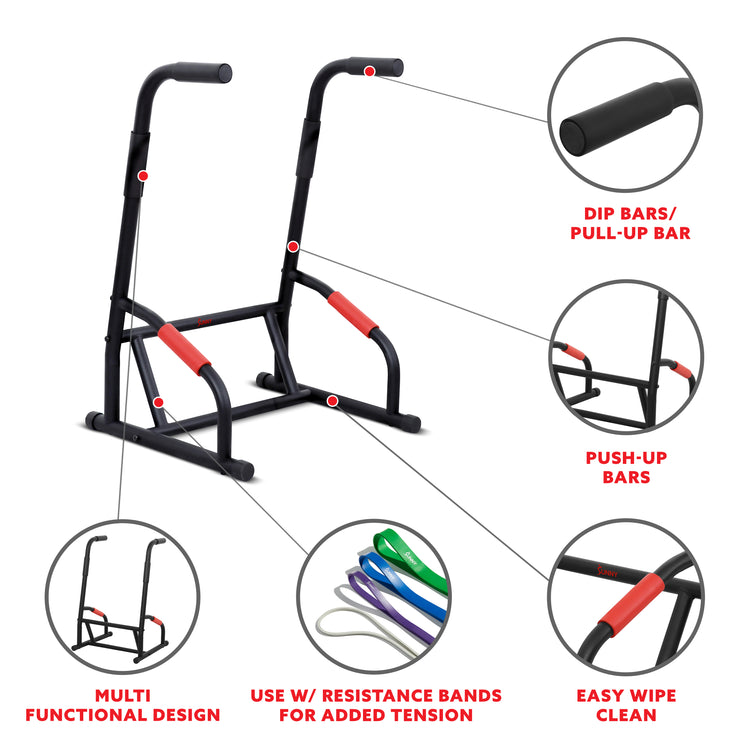
Real-world Example: Cleaning A Home Dip Station
Let’s walk through a typical cleaning session:
You have a powder-coated steel dip station with foam grips in your garage. After a week of use, you notice white chalk marks, sweat stains on the grips, and some dust on the base.
- Dust everything with a dry microfiber cloth, paying attention to the welds and base.
- Mix warm water and mild soap in a bowl. Dampen a clean cloth and wipe all metal surfaces. Rinse and wring the cloth regularly.
- Scrub the foam grips gently with a sponge dipped in soapy water. Wipe dry with paper towels.
- Spray disinfectant on grips and bars, wait 2 minutes, then wipe off.
- Dry all surfaces thoroughly with a towel.
- Inspect for rust. None found, so you’re done.
- If you find a small chip, use touch-up paint.
The whole process takes about 12 minutes. Your station feels and looks much better—no sticky grips, no chalk dust, and it’s ready for next time.
When To Call A Professional Or Replace Parts
Most cleaning and maintenance can be done at home, but sometimes you need extra help:
- Deep rust or structure damage: If rust has eaten through the frame, consult a welder or replace the station.
- Loose or broken welds: Don’t use the station until it’s fixed by a professional.
- Torn padding or grips: If you can’t replace them yourself, check with the manufacturer or a gym equipment repair service.
- Persistent bad odor: This may signal mold inside the padding—replacement is safer than cleaning alone.
Don’t risk safety to save a few dollars. A secure, clean dip station is worth it.
Eco-friendly Cleaning Options
For those who prefer greener solutions:
- Use a mix of vinegar and water (1: 3 ratio) for most surfaces—great for disinfecting and deodorizing.
- Try plant-based cleaners (like Seventh Generation or Method), which are less harsh on the environment and your skin.
- Microfiber cloths clean well with just water for light dirt.
- Reuse old t-shirts as cleaning rags instead of paper towels.
Just remember: Always dry steel after using vinegar, as it can increase rust risk if left wet.
Frequently Asked Questions
How Often Should I Disinfect My Dip Station?
Disinfect high-touch areas like grips and bars after every workout, especially if you sweat a lot or share the equipment. For home use, a full disinfectant clean once a week is usually enough.
Can I Use Alcohol Wipes On The Grips?
You can use alcohol wipes on metal bars and vinyl pads, but avoid them on foam or rubber grips as alcohol can dry out and crack the material over time. For grips, use mild soap and water or a special sports equipment cleaner.
What Should I Do If My Dip Station Starts To Rust?
Small rust spots can be scrubbed gently with a nylon brush and treated with rust remover. After, touch up with matching paint. If rust is deep or spreading, it may be time to replace the affected part or consult a professional.
Is It Safe To Clean My Dip Station With Bleach?
Bleach can be used for disinfecting non-porous surfaces, but always dilute it (1 part bleach to 9 parts water). Rinse thoroughly and dry well. Never use bleach on padded, foam, or rubber parts, as it can cause damage and bad odors.
Where Can I Find More Guidance On Gym Equipment Maintenance?
For deeper guidance, check resources from reputable fitness and equipment brands. For example, the American Council on Exercise has detailed advice on cleaning and maintenance: ACE Cleaning and Disinfecting Guide.
Keeping your dip station clean is simple with the right plan, supplies, and habits. A few minutes each week keeps your workouts safer, your equipment in great shape, and your fitness goals on track.

