
Fitness trackers are everywhere. People wear them while sleeping, at work, and even in the shower. These devices promise to give us useful information about our daily steps, heart rate, and especially our sleep. But how accurate are fitness trackers for sleep tracking?
Many people rely on these devices to improve their rest, spot sleep problems, or simply check if they slept well last night. If you are thinking of using a fitness tracker for sleep, or already have one, it’s important to know the truth behind the numbers on your wrist.
Sleep is a complex process, and tracking it is not as easy as counting steps. Different trackers use different technology, and each has its own limits. There are also many factors that affect how well these devices can measure your sleep.
In this guide, you will discover what fitness trackers really do when tracking sleep, how accurate they are compared to medical tests, what affects their results, and how you can use the data to improve your nights. You will also learn about common mistakes, industry secrets, and the future of sleep tracking technology.
How Do Fitness Trackers Measure Sleep?
Most fitness trackers use sensors to measure your body’s movement and sometimes your heart rate. The most common technology is called actigraphy. Actigraphy involves an accelerometer, a sensor that detects movement. If you move a lot, the tracker assumes you are awake. If you are still, it thinks you are sleeping.
Some advanced trackers also use optical heart rate sensors. These shine a light through your skin to measure blood flow. Because your heart rate changes during different sleep stages, this data can help guess if you are in deep sleep, light sleep, or REM (rapid eye movement) sleep.
A few newer trackers add more sensors, such as skin temperature or blood oxygen (SpO2). However, most consumer fitness trackers are worn on the wrist, which limits what they can detect. The brain’s electrical activity, which is the gold standard for sleep staging, cannot be measured by a wrist device.
What Do Fitness Trackers Claim To Track?
Most popular fitness trackers, like those from Fitbit, Garmin, Apple, Samsung, and Xiaomi, give you a sleep report each morning. This usually includes:
- Total sleep duration (how long you slept)
- Sleep stages (time spent in light, deep, and REM sleep)
- Sleep onset time (when you fell asleep)
- Wake periods (times you woke up during the night)
- Sleep quality score (a single number rating your sleep)
Some devices also report restlessness or tosses and turns. Advanced trackers may try to show your breathing rate, heart rate variability, or even blood oxygen levels during sleep.
Comparing Fitness Trackers With Gold Standard Sleep Tests
The most accurate way to measure sleep is called polysomnography (PSG). This is a medical test done in sleep labs. It measures your brain waves, eye movements, muscle activity, heart rate, breathing, and more. PSG can tell exactly when you enter each sleep stage.
Fitness trackers cannot measure brain waves, so they rely on movement and heart rate instead. This means they make educated guesses about your sleep, based on patterns seen in studies. But how close are these guesses to the real thing?
Accuracy For Total Sleep Time
Research shows that fitness trackers are often quite accurate at measuring total sleep time for most people. Studies comparing devices like Fitbit, Apple Watch, and Garmin to PSG find that they usually estimate sleep duration within 30-40 minutes of the real value. For example, if you slept 7 hours, your tracker might report between 6.5 and 7.5 hours. However, accuracy drops if you have a sleep disorder or an irregular sleep schedule.
Accuracy For Sleep Stages
Tracking sleep stages is much harder. Most trackers claim to show light, deep, and REM sleep. Some even break down the night into 15-minute periods. However, studies show that consumer fitness trackers are not highly reliable for sleep staging. For example, a 2020 review found that Fitbit’s sleep stage data matched PSG about 50-70% of the time for light and deep sleep, but only 30-50% for REM sleep.
Accuracy For Wake Periods
Fitness trackers are not good at detecting short awakenings during the night. If you wake up for a few minutes, your tracker may miss it, especially if you stay still. Trackers are better at spotting long periods of wakefulness, such as getting out of bed to use the bathroom.
Head-to-head Comparison Example
Here’s a simple comparison between a sleep lab test and a fitness tracker report:
| Parameter | Polysomnography (Lab) | Fitness Tracker |
|---|---|---|
| Total Sleep Time | 7 hours 10 mins | 6 hours 55 mins |
| Deep Sleep | 1 hour 25 mins | 1 hour 45 mins |
| REM Sleep | 1 hour 35 mins | 1 hour 10 mins |
| Wake Periods | 6 episodes | 3 episodes |
As you can see, the tracker is close for total sleep time, but less accurate for sleep stages and wake periods.
How Well Do Different Brands Perform?
Not all trackers are created equal. Some are better than others, but even the best have limits. Here is a quick look at some major brands:
Fitbit
Fitbit is one of the most popular sleep tracking brands. Studies show Fitbit is good for tracking total sleep time but less accurate for sleep stages. Some newer Fitbit models use heart rate and movement to estimate light, deep, and REM sleep, but the device often confuses REM and light sleep.
Apple Watch
The Apple Watch uses both movement and heart rate. It gives a reliable estimate for sleep duration. However, Apple’s native sleep app does not break down sleep stages in detail. Third-party apps can try, but they are based on the same sensor data and have similar accuracy limits.
Garmin
Garmin uses movement, heart rate, and sometimes blood oxygen. In studies, Garmin devices are comparable to Fitbit for total sleep time. However, users sometimes report higher errors in sleep stages and wake times.
Xiaomi And Other Budget Brands
Xiaomi and other less expensive trackers often use only movement. They can overestimate sleep, especially if you lie still reading or watching TV. Sleep stage data from these brands is less reliable.
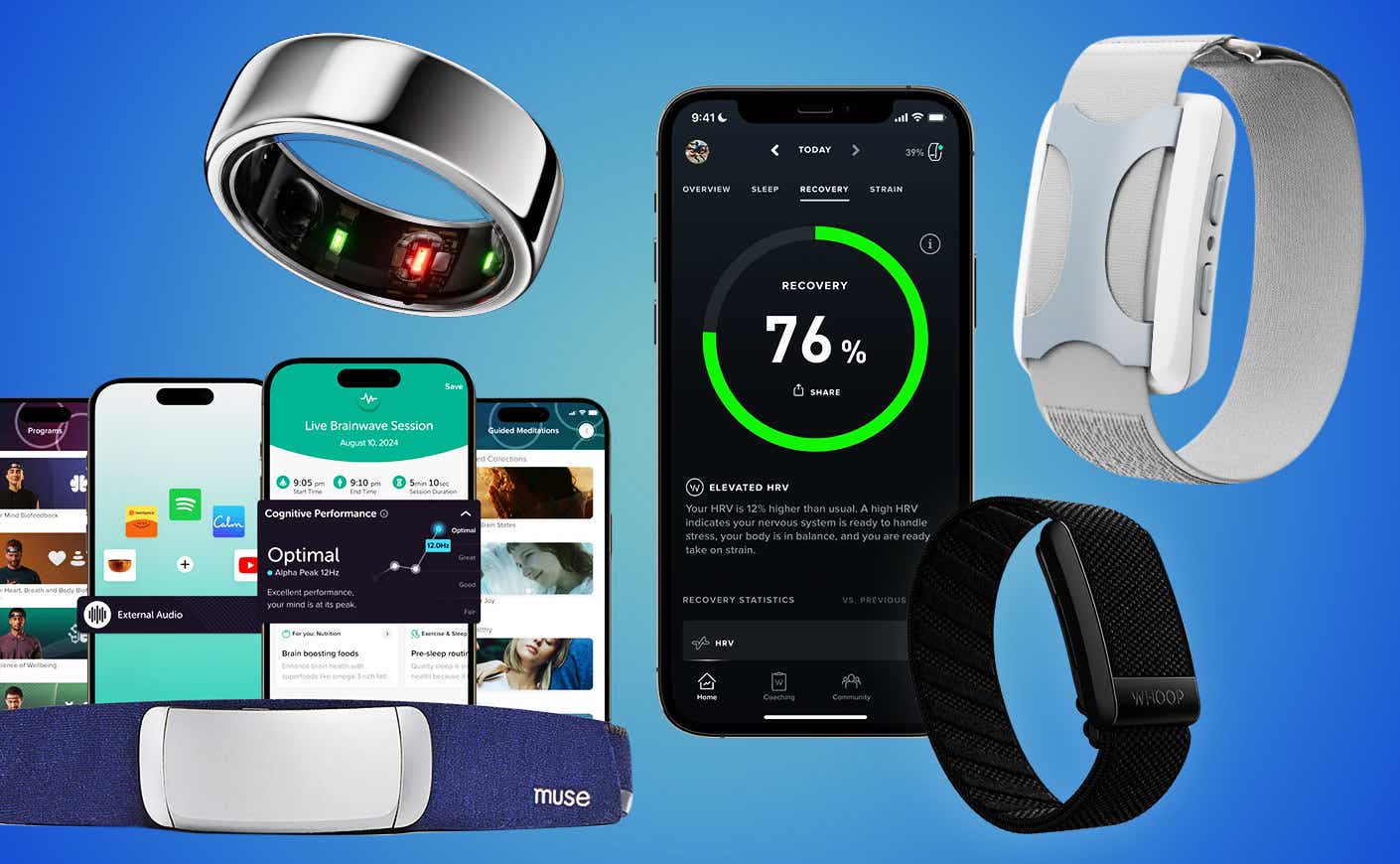
Oura Ring And Whoop
These devices are worn on the finger or wrist and focus on health and recovery. They use advanced sensors, but independent studies still show mixed results for sleep staging. They are a bit more accurate than basic trackers but still cannot match a sleep lab.
Brand Comparison Table
Here’s a summary of main brands and their typical performance for sleep tracking:
| Brand | Total Sleep Time | Sleep Stages | Wake Detection |
|---|---|---|---|
| Fitbit | Good | Fair | Poor-Fair |
| Apple Watch | Good | Fair (with third-party app) | Poor-Fair |
| Garmin | Good | Fair | Poor |
| Xiaomi/Others | Fair | Poor | Poor |
| Oura Ring | Good | Fair-Good | Fair |

Factors That Influence Accuracy
Several factors can affect how well a fitness tracker measures your sleep. Understanding these can help you get the best data, or avoid common mistakes.
1. Where You Wear The Device
Most trackers are worn on the wrist. This means they mainly measure arm movement. If you sleep with your arm under a pillow or between your legs, the tracker might think you are awake or asleep incorrectly. Devices worn on the finger (like Oura) or chest (special devices) can sometimes be more accurate.
2. Hardware Quality
Trackers with better sensors (such as high-quality accelerometers and heart rate monitors) usually give better results. Cheaper trackers can miss small movements or have poor heart rate accuracy.
3. Software Algorithms
Each company uses its own algorithms to turn sensor data into sleep reports. Some update these often. For example, Fitbit and Oura update their sleep detection software regularly, which can change your results even if you wear the tracker the same way.
4. Your Unique Sleep Patterns
If you have restless sleep, a sleep disorder (like insomnia or sleep apnea), or often get up during the night, your tracker may make more mistakes. These devices work best for people with regular sleep schedules.
5. Age And Skin Type
Heart rate sensors can be less accurate for people with darker skin, tattoos, or very hairy arms. Older adults may have more trouble with tracker accuracy due to changes in movement and heart rate during sleep.
6. Battery Level And Fit
Low battery or a loose fit can cause missing or wrong data. Make sure your tracker is charged and fits snugly but comfortably.
7. External Factors
Sleeping with a partner, pets, or children can confuse a tracker, especially if you are bumped or share a bed. Light, noise, and temperature do not affect the tracker directly but can change your own sleep, making patterns harder to spot.
What Can Fitness Trackers Tell You About Your Sleep?
Even if fitness trackers are not perfect, they can still give you valuable information. Here’s what you can use the data for:
- Tracking trends over time: The most useful way to use a sleep tracker is to look for patterns. If your sleep duration drops for several nights, or you see more restless sleep, you may want to change something.
- Spotting big changes: If your tracker suddenly shows much less sleep, or strange sleep stages, it could be a sign of stress, sickness, or another problem.
- Testing habits: Try going to bed earlier, avoiding caffeine, or changing your evening routine. Use your tracker to see if these changes help you sleep better.
- Motivation: Many people find that simply tracking sleep encourages them to pay attention and build healthier habits.

What Fitness Trackers Cannot Do
It’s important to know the limits of these devices. Fitness trackers cannot:
- Diagnose sleep disorders like sleep apnea or narcolepsy
- Provide detailed sleep stage information with medical accuracy
- Replace a doctor or a sleep lab test if you have ongoing problems
- Work perfectly for everyone, every night
Surprising Insights Most Users Miss
Many new users believe their tracker’s data is always correct. However, here are two key insights most people overlook:
- Fitness trackers often overestimate sleep if you are just lying still. If you read or watch videos in bed, your device may count this as sleep.
- Sleep stages are mostly educated guesses. Even top trackers cannot see your brain waves, so the deep sleep or REM numbers are best used as trends, not exact facts.
Another thing people miss: software updates can make your sleep data suddenly change. What was “deep sleep” last month could become “light sleep” after an update. Always check your device’s update notes.
Real-world Examples: User Experiences
Let’s look at a few real stories to see how fitness trackers perform in daily life.
Case 1: The Busy Parent
Sarah, a mother of two, used a Fitbit to check why she felt tired every morning. The tracker showed she got 7 hours of sleep, but kept labeling her late-night reading as “light sleep. ” After changing her routine and putting the book down earlier, her tracker showed more deep sleep and she felt better.
Case 2: The Shift Worker
John works night shifts. His Garmin tracker sometimes missed his daytime sleep completely, or counted naps as full nights. He learned to set his sleep schedule manually in the app for better data.
Case 3: The Sleep Apnea Patient
Mike has sleep apnea. His Apple Watch showed he slept 8 hours, but his partner noticed he woke up often, gasping. A sleep test confirmed his apnea. The tracker was not able to spot the breathing interruptions.
How To Get More Accurate Results From Your Fitness Tracker
If you want to get the best sleep data possible, follow these tips:
- Wear your tracker correctly: Make sure it fits snugly and stays in contact with your skin.
- Keep your device clean: Dirt or sweat can block the sensors.
- Charge your tracker regularly: A low battery can cause missing data.
- Update your device software: New versions may improve accuracy.
- Set your sleep schedule in the app: This helps the algorithm know when you plan to sleep.
- Avoid using your phone or reading in bed: This can confuse the tracker.
- Track trends, not single nights: Look for patterns over weeks, not just one night.
- Consider a medical test if you have ongoing sleep problems: Trackers are not a replacement for professional care.
The Science: What Research Says
Many scientific studies have compared fitness trackers to sleep lab tests. Most find that trackers are good at measuring total sleep time for healthy adults, but less reliable for sleep stages and wake periods. For people with sleep disorders, the accuracy drops further. For example, a 2022 study in the journal *Sleep Medicine* found that popular trackers were within 35 minutes of PSG for total sleep time, but only correctly identified about 60% of sleep stages.
Most researchers agree that fitness trackers are useful for self-monitoring, but should not be used alone for medical decisions. For more on this topic, see this detailed review from the National Institutes of Health.
The Future Of Sleep Tracking
Sleep tracking technology is improving every year. New devices are adding more sensors, such as skin temperature, blood oxygen, and even sound detection (to hear snoring). Some companies are working on AI algorithms to better understand your sleep patterns. There are also experiments with ear-worn or headband trackers that can detect brain waves, but these are not common yet.
However, even with better sensors and smarter software, consumer trackers will always have some limits unless they can measure brain activity. Until then, think of your sleep tracker as a helpful guide, not a perfect sleep doctor.
Frequently Asked Questions
How Do Fitness Trackers Know When I Am Asleep?
Fitness trackers use movement sensors (accelerometers) to detect when you are still. Some also use heart rate changes. If you stop moving and your heart rate drops, the device assumes you are asleep. They cannot directly “see” sleep; they guess based on patterns.
Can A Fitness Tracker Tell If I Have Sleep Apnea?
No, most fitness trackers cannot diagnose sleep apnea. Some advanced trackers may notice drops in blood oxygen, but only medical tests can confirm sleep apnea. If you snore loudly, wake up tired, or stop breathing during sleep, see a doctor.
Is The Sleep Stage Data From My Tracker Reliable?
Sleep stage data is only an estimate. Trackers guess light, deep, and REM sleep using movement and heart rate. The numbers can be wrong for single nights or for people with sleep disorders. Use them to spot trends, not for exact times.
Why Does My Tracker Say I Slept When I Was Just Resting In Bed?
If you lie still reading, watching TV, or using your phone, your tracker may count this as sleep. That’s because it mainly detects movement, not your brain activity. Trackers may overestimate your sleep if you spend lots of time lying quietly in bed.
Should I Trust My Tracker Or How I Feel In The Morning?
How you feel is most important. If your tracker says you slept well but you feel tired, listen to your body. Trackers are a tool, not a replacement for common sense or medical advice. If you have ongoing sleep problems, speak with a professional.
Getting good sleep is one of the most important things for your health. Fitness trackers can help you learn about your sleep habits, spot trends, and improve your rest. But remember, these devices are not perfect. Use them as a guide, not a final answer.
With the right expectations, you can make the most of your tracker—and enjoy better nights ahead.

