
Many people searching for effective ways to lose weight often look for simple tools that deliver big results. Among these, the dip station is a piece of equipment often seen in gyms, home setups, and even public parks. At first, it may seem like a device for athletes or advanced users, but this humble tool can actually play a strong role in weight loss for almost anyone. The key is to understand how it works, what exercises you can do, and how to use it to transform your body, not just your arms. Let’s explore if you can really lose weight using a dip station, and what it takes to make this journey successful.
What Is A Dip Station?
A dip station is a set of parallel bars, usually fixed or portable, designed to support your body weight. You grip the bars, lift yourself up, and perform exercises that mostly use your body as resistance. People often associate dip stations with triceps dips, but there are more exercises possible.
Most dip stations are made from steel and can hold anywhere from 200 to over 500 pounds. Some stations are simple and compact for home use, while others are larger with added supports and options. The basic function remains the same: they let you lift your body up and down in different ways, working muscles in your chest, arms, back, and core.
How Dip Stations Support Weight Loss
Weight loss is about burning more calories than you take in. While diet is important, exercise helps you burn more calories, build muscle, and speed up your metabolism. The dip station offers a unique blend of strength training and calisthenics (bodyweight exercise). Here’s how it can help you lose weight:
- High-Calorie Burn: Exercises like dips and leg raises use many muscles at once. This full-body effort burns more calories than isolated movements.
- Muscle Building: Muscle tissue burns more calories, even at rest. Building muscle with a dip station raises your metabolism.
- Versatility: You can do many exercises on a dip station—each targets different muscle groups and prevents boredom.
- Intensity: Bodyweight moves can be made harder as you get stronger. Adding reps or slowing the tempo increases intensity, burning more calories.
- Low Equipment Need: With just the station and your body, you can work out almost anywhere, making it easier to stick to a routine.
Popular Dip Station Exercises For Weight Loss
You don’t need a huge variety of moves, but focusing on compound exercises with the dip station brings the best results. Here are some top exercises to try:
1. Triceps Dips
The classic dip. Grip the bars, lower your body until your elbows are at 90 degrees, then push up. This move works the triceps, chest, and shoulders.
2. Chest Dips
By leaning your body forward while dipping, you shift more work to the chest. This version builds upper body size and burns calories.
3. Knee Raises
Hang from the bars or support yourself with your elbows, then lift your knees toward your chest. This move hits the abs and hip flexors.
4. Leg Raises
A harder version of knee raises. Keep your legs straight as you lift them. This is excellent for a strong core and fat loss.
5. Assisted Dips
If regular dips are too hard, place your feet on the ground or a bench for support. This helps you build strength safely.
6. L-sit Hold
Hold yourself up on the bars and stick your legs out in front, making an “L” shape. This static move is tough for the abs and burns calories.
7. Straight Bar Dips
Some dip stations have a straight bar, allowing you to use a different grip. This changes the focus and gives variety.
8. Scapular Dips
A small movement: keep arms straight, shrug shoulders up and down. This wakes up the upper back and is good for posture.
9. Negative Dips
Jump to the top position, then lower yourself slowly. This method helps you get stronger if you can’t do full dips yet.
10. Bulgarian Dips
With your hands behind your back on the bars, lower down, then press up. This version hits the chest and shoulders even more.
Sample Dip Station Workout For Weight Loss
To see results, you need a plan. Here’s a simple but effective dip station workout focused on weight loss. Do this routine 3-4 times a week.
- Warm-up (5 minutes): Jumping jacks, arm circles, and shoulder rolls
- Triceps Dips: 3 sets of 8-12 reps
- Knee Raises: 3 sets of 10-15 reps
- Chest Dips: 3 sets of 8-10 reps
- L-Sit Hold: 3 sets of 10-20 seconds
- Negative Dips: 2 sets of 5 slow reps
- Cool down: Stretch arms, chest, and shoulders
Rest 60-90 seconds between sets. Focus on form, not speed. As you get stronger, add more reps or sets.
Calories Burned: Dip Station Vs. Other Workouts
People often ask how many calories they can burn with dip station exercises. The answer depends on your weight, intensity, and workout length.
Here is a comparison of calories burned in 30 minutes by a 155-pound person for different activities:
| Activity | Calories Burned |
|---|---|
| Dip Station Workout | 180-250 |
| Jogging (5 mph) | 298 |
| Push-ups/Sit-ups | 167 |
| Weight Lifting | 112 |
| Cycling (leisure) | 260 |
As you can see, a dip station workout can burn more calories than many basic strength routines and is close to some forms of cardio.
Building Muscle Versus Burning Fat
One mistake beginners make is thinking only cardio leads to weight loss. In reality, muscle building is just as important. The more muscle you have, the more calories you burn—even when sitting. Dip station exercises help build muscle in the upper body, core, and even lower body (if you add variations).
When you combine dip station workouts with a small calorie deficit in your diet, you lose fat while keeping or even gaining muscle. This means you look leaner and stronger, not just lighter.
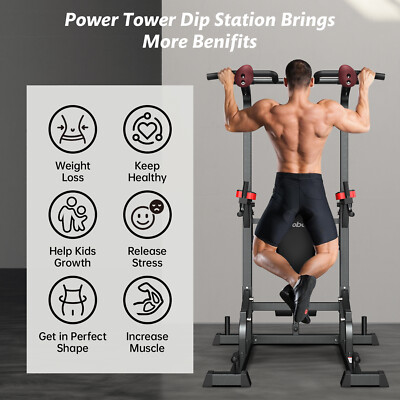
The Role Of Diet In Dip Station Weight Loss
No exercise program works for weight loss without a healthy eating plan. If you use a dip station but eat too many calories, you won’t see fat loss. Here are a few tips:
- Track what you eat for a week to find hidden calories.
- Fill your plate with lean protein, vegetables, and whole grains.
- Avoid sugary drinks and snacks.
- Drink water before meals.
Pairing dip station workouts with smart eating brings the best results. Even small changes in diet can help you lose fat faster.
Who Should Use A Dip Station For Weight Loss?
Almost anyone can use a dip station, but it works best for certain people:
- Beginners who want to build strength and lose weight
- Busy people looking for a simple, effective tool at home
- Anyone tired of boring cardio
- People who want to tone their upper body and core
However, those with shoulder injuries or very low upper body strength should start slowly. Assisted variations and proper warm-ups are important.
Safety And Common Mistakes When Using A Dip Station
Safety matters. Dips and related moves are very effective, but they can be hard on the shoulders and wrists if done wrong. Here’s what to watch out for:
- Poor Form: Don’t let your shoulders roll forward or elbows flare out. Keep your core tight and movement controlled.
- Going Too Low: Lowering too far strains the shoulders. Stop when your upper arms are parallel to the ground.
- No Warm-up: Cold muscles are easier to injure. Always warm up first.
- Overtraining: Too many dips too soon can cause pain or injury. Start with fewer reps and add more slowly.
- Ignoring Pain: If you feel sharp pain (not just muscle work), stop right away.
For extra safety, use bars that don’t wobble, wear good shoes, and clear the area around the station.
How To Make Dip Station Workouts Harder Or Easier
One reason the dip station is great for weight loss is that you can adjust the intensity. Here’s how:
To Make It Easier:
- Use assisted dips with feet on the floor or a bench.
- Lower your body only partway.
- Do negative reps (focus on lowering slowly).
- Choose easier moves like knee raises instead of leg raises.
To Make It Harder:
- Add weight using a backpack or belt.
- Slow down each rep (especially lowering).
- Try harder variations like L-sit dips.
- Do more reps or sets.
This flexibility means you can keep challenging yourself, which is key to burning calories and building muscle over time.
Dip Station Vs. Other Home Equipment For Weight Loss
You may wonder if a dip station is better than other home gym tools. Here’s a comparison:
| Equipment | Space Needed | Muscle Groups | Weight Loss Effectiveness |
|---|---|---|---|
| Dip Station | Medium | Upper body, core | High |
| Pull-up Bar | Low | Upper back, arms | Medium |
| Resistance Bands | Low | Full body | Medium |
| Treadmill | High | Legs, cardio | High |
| Dumbbells | Low | Full body | Medium |
The dip station stands out because it targets many muscles, doesn’t take up much space, and delivers both strength and calorie burn.
Key Benefits Of Using A Dip Station For Weight Loss
If you’re considering this tool, here are the main advantages:
- Efficient: Works multiple muscles at once, saving time.
- Versatile: Many exercises, so you won’t get bored.
- Progressive: Easy to make workouts harder as you improve.
- Affordable: One-time purchase, lasts for years.
- Compact: Fits in most homes, apartments, or even outdoors.

Non-obvious Insights For Beginners
People new to dip stations often miss these key points:
- Grip Strength Improves Fast: At first, holding yourself up may feel tough. After a few sessions, your grip gets much stronger, making every exercise easier.
- Core Engagement Is Critical: Dips aren’t just for arms and chest. Keeping your body stable works your abs as much as your upper body, which leads to better fat burning.
- Small Form Tweaks = Big Results: Leaning forward a little more or squeezing your shoulder blades during dips can shift the focus to different muscles and prevent plateaus.
- Recovery Is Essential: Because dip station moves are demanding, your body needs rest between workouts. Overdoing it slows results.
How To Track Progress With A Dip Station
One big motivator is seeing your improvement. Here’s how you can measure progress:
- Count reps and sets: Track how many dips, raises, or holds you can do each week.
- Record rest times: As you get fitter, you may need less rest between sets.
- Take body measurements: Check your waist, arms, and chest every 2-4 weeks.
- Track weight and body fat: Use a simple scale or tape measure.
Progress may be slow at first, but consistency brings results.
Combining Dip Station Workouts With Cardio
For faster weight loss, mix dip station sessions with cardio. This could be brisk walking, jogging, cycling, or jump rope. For example, do dip station strength workouts three times a week and cardio on the other days. This combination burns more calories and keeps your body guessing.
Real-world Success Stories
Many people have lost weight and changed their bodies with dip stations. Here are two examples:
- Samantha, 35, lost 18 pounds in three months by doing dip station workouts at home and walking daily. She improved her push-ups and now has defined arms and shoulders.
- Carlos, 28, used a simple dip station in his garage with bodyweight exercises. He lost 22 pounds in five months, gained visible muscle, and now does 20 full dips in one set.
The common thread: regular use, patience, and combining exercise with better eating.
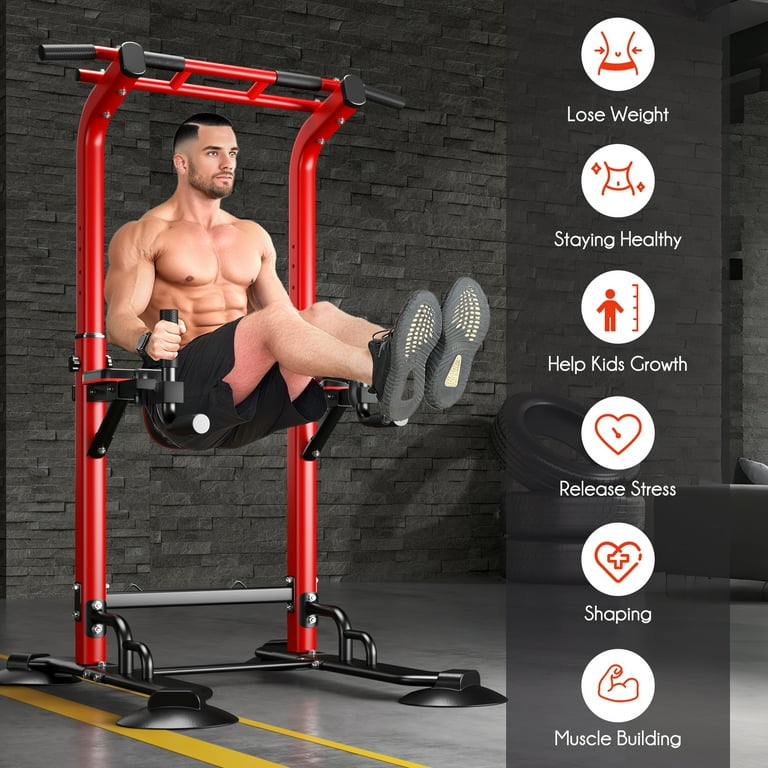
Picking The Right Dip Station
Not all dip stations are equal. Here’s what matters:
- Stability: Choose a station that doesn’t wobble. Test it if possible.
- Weight Limit: Make sure it supports your body weight plus any added weight.
- Size: Check if it fits your space.
- Grip Comfort: Padded or textured handles are easier on your hands.
- Versatility: Some stations come with attachments for pull-ups or push-ups.
Avoid buying the cheapest model; a sturdy, reliable station lasts longer and feels safer.
When To Expect Results
Weight loss speed depends on diet, consistency, and starting point. Most people see visible changes in 4-8 weeks if they combine dip station workouts with a calorie deficit and some cardio. Muscle tone may show first, followed by fat loss.
Take progress photos every month; sometimes the mirror shows more than the scale.
Dip Station Myths And Truths
There are myths about dip stations and weight loss. Here’s the reality:
- Myth: Dips only build muscle, not burn fat.
- Truth: Muscle building increases metabolism, which helps burn fat over time.
- Myth: Women should avoid dips—they make arms bulky.
- Truth: Dips create lean, toned arms and shoulders. Getting “bulky” is very hard without heavy weights and special diets.
- Myth: Dip stations are only for young or fit people.
- Truth: With variations and assisted moves, almost anyone can use them.
Small Changes, Big Results
Adding a dip station routine may seem simple, but combined with small daily changes—like taking the stairs, walking after meals, or swapping soda for water—results come faster. The dip station is a tool, but your habits make the real difference.
Frequently Asked Questions
How Many Times A Week Should I Use The Dip Station To Lose Weight?
For most people, 3-4 sessions per week is enough for weight loss and muscle gains. This allows your muscles to recover and prevents overtraining. Mix in cardio on other days for faster results.
Can I Use A Dip Station If I’m Overweight Or A Beginner?
Yes, but start with assisted dips or negative reps. Use your feet for support or lower your body only partway at first. Over time, you’ll build strength and can progress to full dips.
Is The Dip Station Better Than Push-ups For Weight Loss?
Both are good, but the dip station allows deeper range of motion and works the chest, shoulders, and triceps more intensely. Using both in your routine can bring the best results.
What Muscles Does The Dip Station Work?
The dip station targets the triceps, chest, shoulders, and core. Some variations also work the upper back and even the lower body, depending on the exercise.
Where Can I Learn More About Dip Station Exercises?
You can find video tutorials and detailed guides on exercise websites like Verywell Fit to help you get started safely.
Adding a dip station to your fitness plan is a smart, efficient way to boost your weight loss journey. With the right approach, consistency, and attention to diet, you can see impressive results—faster and more enjoyably than you might expect.
Start simple, stay patient, and let each workout bring you closer to your goals.

