
Can You Do Leg Raises On A Dip Station?
If you’re looking for a way to build a stronger core, improve your grip, and get more out of your bodyweight workouts, you might wonder: Can you do leg raises on a dip station? It’s a common question for gym-goers and home workout fans alike. Dip stations, sometimes called dip bars or parallel bars, are a staple in calisthenics and functional fitness routines. While they’re known for dips, some people also use them for exercises like leg raises. But is it a good idea? Is it safe? And does it really help your abs?
In this article, we’ll dive into every angle of doing leg raises on a dip station. You’ll discover how to do them correctly, the benefits and challenges, safety tips, common mistakes, and how this exercise compares to other options. Whether you’re a beginner or an experienced athlete, you’ll find practical advice, non-obvious tips, and clear explanations to guide you. By the end, you’ll know if dip station leg raises are right for your goals and how to get the best results.
Understanding Leg Raises
Leg raises are a classic bodyweight movement. They target the abdominal muscles, especially the lower abs, but also work your hip flexors, obliques, and even your shoulders to a degree. The basic idea is simple: you lift your legs upward while keeping your upper body steady.
There are a few types of leg raises:
- Lying leg raises: Performed on the floor.
- Hanging leg raises: Done from a pull-up bar.
- Captain’s chair leg raises: Using a padded station.
- Dip station leg raises: Using parallel bars with your arms supporting your body.
Each type has its own challenges, but all of them can help build a strong core. The unique thing about doing leg raises on a dip station is that you support your body weight with your arms, which brings extra muscles into play.
What Is A Dip Station?
A dip station is a piece of exercise equipment made of two parallel bars, usually about shoulder-width apart. The bars are fixed on a sturdy frame. Some are standalone; others are attached to larger gym equipment.
Dip stations are used for:
- Triceps dips
- L-sits
- Bodyweight rows
- Assisted push-ups
- Leg raises
They’re popular because you can use your own body weight to train multiple muscles. Dip stations are found in most gyms, but you can also buy or build one for your home.
Can You Do Leg Raises On A Dip Station?
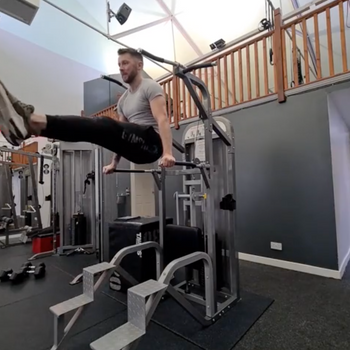
Yes, you absolutely can do leg raises on a dip station. In fact, many calisthenics athletes and fitness trainers recommend it. The design of a dip station makes it possible to perform vertical leg raises, which are similar to the movement you’d do on a captain’s chair apparatus. The main difference is that you support yourself by gripping the bars, keeping your arms straight and shoulders active.
But just because you can doesn’t always mean you should jump in without preparation. Doing leg raises on a dip station requires a certain level of upper body and core strength. If you have weak shoulders or wrists, or if you’re recovering from an injury, you’ll want to proceed with caution.
How To Do Leg Raises On A Dip Station
Let’s break down the correct way to perform this exercise. Proper form is crucial for safety and results.
- Grip the Bars Firmly: Stand between the bars, grab each one with your hands, and step off the ground so your arms are supporting your body weight. Keep your elbows straight but not locked.
- Engage Your Shoulders: Press down slightly with your shoulders to keep your body stable. This is called “scapular depression.”
- Brace Your Core: Tighten your abdominal muscles before you start moving your legs.
- Lift Your Legs: With control, raise your legs together. You can start with bent knees (easier) or straight legs (harder). Raise them until your thighs are parallel to the ground or higher if you can.
- Pause Briefly: Hold the top position for a moment, feeling your abs contract.
- Lower Slowly: Bring your legs back down with control. Don’t let them drop.
- Repeat: Aim for 6–12 reps if you’re a beginner. Rest, then complete 2–4 sets.
Pro tip: Avoid swinging your body. The movement should be slow and controlled. If you’re swaying, you’re using momentum, which reduces the work your abs do and increases injury risk.
Benefits Of Leg Raises On A Dip Station
Doing leg raises on a dip station offers unique advantages over other styles. Here’s what you gain:
1. Improved Core Strength
Supporting your body weight while lifting your legs creates intense tension in your rectus abdominis, transverse abdominis, and obliques. This is more challenging than lying leg raises because your upper body is not supported.
2. Greater Shoulder And Arm Engagement
You’re not just working your abs. Your shoulders, triceps, and forearms are working hard to stabilize your body. This can improve grip strength and shoulder endurance over time.
3. Enhanced Body Control
Maintaining a stable position on the bars forces you to develop body control and awareness. This skill transfers to other exercises, like dips and L-sits.
4. Space And Equipment Efficiency
If you have limited space or equipment, a dip station allows you to do several exercises without needing a pull-up bar or a bench.
5. Variety In Your Routine
Changing your angle and grip can help target your core in new ways, avoiding plateaus and keeping workouts interesting.
Challenges And Drawbacks
While dip station leg raises have benefits, they’re not without challenges.
1. Upper Body Fatigue
If your arms or shoulders tire before your abs do, you might not get the full benefit for your core. Beginners often struggle with grip or shoulder endurance.
2. Limited Progression For Advanced Athletes
Once you master basic leg raises, you might outgrow the dip station. Other equipment, like gymnastic rings or pull-up bars, offers more options for progression.
3. Risk Of Poor Form
It’s easy to swing your body or use momentum, which reduces effectiveness and increases injury risk.
4. Not Ideal For Some Injuries
People with shoulder, elbow, or wrist problems may find dip station leg raises uncomfortable or unsafe.

Dip Station Leg Raises Vs. Other Variations
How does this exercise compare to other forms of leg raises? Here’s a side-by-side look at some common variations:
| Variation | Equipment Needed | Muscle Activation | Difficulty |
|---|---|---|---|
| Lying Leg Raises | Mat | Abs, Hip Flexors | Easy–Moderate |
| Hanging Leg Raises | Pull-up Bar | Abs, Grip, Lats | Hard |
| Captain’s Chair Leg Raises | Captain’s Chair | Abs, Shoulders | Moderate |
| Dip Station Leg Raises | Dip Station | Abs, Shoulders, Arms | Moderate–Hard |
Insight: While hanging leg raises hit your grip and shoulders even more, dip station leg raises offer a balance between support and challenge. They’re a step up from lying leg raises but a bit easier on the grip than hanging.
Key Muscles Worked
Leg raises on a dip station target several muscle groups at once. Here’s a breakdown:
- Rectus abdominis (the “six-pack” muscle)
- Obliques (side abs)
- Hip flexors (muscles that lift your legs)
- Transverse abdominis (deep core muscle)
- Shoulders (especially the anterior deltoids)
- Triceps and forearms (for stabilization)
Non-obvious tip: If you focus on keeping your legs straight and your body still, you’ll increase activation of the deep core muscles, which helps with posture and stability in other movements.
Common Mistakes And How To Avoid Them
Many people make the same errors when doing leg raises on a dip station. Here’s how to avoid the traps:
- Using Momentum: Swinging your legs or body may make the exercise feel easier, but it reduces the work your abs do and risks injury. Move slowly and with control.
- Shrugging Shoulders: Letting your shoulders creep up towards your ears puts stress on your neck. Instead, press down through your shoulders and keep your neck relaxed.
- Bending Elbows: Locked or bent elbows can cause joint pain. Keep arms straight but not locked.
- Partial Range of Motion: Only lifting your legs a little won’t work your abs fully. Aim to bring your thighs at least parallel to the ground.
- Holding Your Breath: Breathe out as you lift your legs, in as you lower them. This helps maintain core tension.
Progressions And Variations
As you get stronger, you can make dip station leg raises harder or easier. Here’s how:
Easier Variations
- Bent Knee Raises: Keep knees bent instead of legs straight. This reduces the load.
- Single Leg Raises: Lift one leg at a time.
- Assisted Leg Raises: Place a resistance band around your back and under your feet for support.
Harder Variations
- Straight Leg Raises: Keep both legs straight throughout.
- L-Sit Hold: Hold your legs out at 90 degrees for time.
- Toes-to-Bar: Try to touch your feet to the top of the dip station.
- Weighted Leg Raises: Hold a small dumbbell or medicine ball between your feet.
Pro insight: Don’t rush to harder versions. Master slow, controlled reps with perfect form first. This reduces injury risk and improves core strength faster.
Programming Leg Raises Into Your Routine
How often should you do dip station leg raises? And how many reps?
- Beginners: 2–3 times per week, 2–3 sets of 6–10 reps
- Intermediate: 3 times per week, 3–4 sets of 10–15 reps
- Advanced: 3–4 times per week, 4 sets of 15+ reps or advanced variations
It’s best to do this exercise near the start of your workout, when your muscles are fresh. If you do them after heavy pressing exercises, your shoulders may be too tired.
Safety Tips And Precautions
Leg raises are safe for most people, but keep these tips in mind:
- Warm up your shoulders, wrists, and core before starting.
- Check your grip: Make sure your hands are dry, and the bars are not slippery.
- Stop if you feel pain: Especially in your shoulders, elbows, or lower back.
- Don’t overdo it: Overtraining abs can lead to muscle strain.
- Listen to your body: If you feel dizzy or weak, rest.
People with shoulder injuries or wrist problems should talk to a doctor or physical therapist before trying dip station leg raises.
Choosing The Right Dip Station
Not all dip stations are created equal. Here’s what to look for when choosing one for leg raises:
| Feature | Why It Matters |
|---|---|
| Stability | Prevents wobbling and possible injury. |
| Bar Width | Should match your shoulder width for comfort. |
| Grip Material | Non-slip grips are safer, especially if you sweat. |
| Weight Capacity | Must support your body weight and any extra load. |
| Height | Should allow your legs to hang freely without touching the floor. |
If you’re buying for home, measure your space. Make sure you have enough room to raise your legs without hitting anything.
Real-world Examples And User Experiences
People who add dip station leg raises to their routine often see noticeable core strength improvements within 4–6 weeks. For example, a calisthenics athlete who could only do bent knee raises at first progressed to strict L-sits in two months by working on grip and shoulder endurance as well as core strength.
A common non-obvious insight: many people improve their posture and lower back health by strengthening the deep core muscles with this movement. Others report that their dips and push-ups also improve, thanks to better shoulder stability.

Comparing Dip Stations To Other Equipment
Let’s compare dip stations to other popular options for leg raises:
| Equipment | Pros | Cons |
|---|---|---|
| Dip Station | Stable, supports multiple exercises, easier on grip than pull-up bar | Requires shoulder strength |
| Pull-Up Bar | Great for grip and back muscles, advanced variations possible | Grip often fails before abs, can be tough for beginners |
| Captain’s Chair | Back support, easier for beginners, less stress on arms | Bulky, not always available at home |
If you want a balance of support and challenge, the dip station is a strong choice.
Advanced Tips For Getting The Most Out Of Dip Station Leg Raises
- Use a mirror or record yourself: Watching your form helps spot swinging or uneven movement.
- Add a pause at the top: Hold your legs at the highest point for 1–2 seconds to increase time under tension.
- Mix with other core exercises: Combine with planks, mountain climbers, or ab wheel rollouts for a complete core session.
- Train grip and shoulders separately: If your arms fatigue before your abs, work on grip strength and shoulder endurance on off days.
- Stay consistent: Progress is slow but steady. Don’t get discouraged by small increases in reps or hold time.
Who Should Avoid Dip Station Leg Raises?
- People with recent shoulder, elbow, or wrist injuries
- Those with chronic lower back pain (unless cleared by a doctor)
- Anyone who feels sharp pain during the exercise
If you’re unsure, try easier variations first, or ask a trainer for guidance.
Using Dip Station Leg Raises For Fat Loss
Some people wonder if this exercise will burn belly fat. The answer: not directly. Leg raises build muscle, which helps boost metabolism over time, but you need a calorie deficit to lose fat. Combining leg raises with cardio and a healthy diet is the best strategy.
Non-obvious tip: As your core gets stronger, you’ll be able to do harder variations, which burn more calories and help shape your waist.
Combining Leg Raises With Other Exercises
For balanced development, pair leg raises with:
- Dips: For chest and triceps
- Push-ups: For overall upper body
- Rows or pull-ups: For back and biceps
- Squats and lunges: For lower body
This creates a full-body routine using just a dip station and your body weight.
Resources And Further Reading
If you want to see demonstrations or get more training ideas, check out resources from calisthenics experts or reputable fitness sites. For a deep dive into muscle activation during leg raises, see this research study on EMG activity in abdominal exercises.
Frequently Asked Questions
How Do Dip Station Leg Raises Compare To Hanging Leg Raises?
Dip station leg raises are slightly easier on your grip but still provide a tough core workout. Hanging leg raises hit your forearms and shoulders more but can be harder for beginners. Both exercises are effective; choose based on your strength level and available equipment.
Are Dip Station Leg Raises Safe For Beginners?
They’re safe if you have basic shoulder and core strength. Start with bent knee raises and focus on slow, controlled reps. If you feel pain in your shoulders or wrists, stop and try easier variations or ask for coaching.
How Can I Progress If I Can Easily Do 15+ Reps?
Add difficulty by:
- Keeping your legs straight
- Holding the top position longer
- Adding ankle weights or a medicine ball
- Moving to L-sit holds or toes-to-bar
Quality is more important than quantity. Slow, controlled reps build more strength.
Can I Use Resistance Bands To Make Leg Raises Easier?
Yes. Loop a resistance band behind your back and under your feet. This reduces the load on your abs and lets you build strength until you can do unassisted reps.
Do Leg Raises On A Dip Station Help With Lower Back Pain?
They can, if you use perfect form and strengthen your deep core muscles. However, if you already have back pain, consult a medical professional first. Don’t use leg raises as your only treatment.
Doing leg raises on a dip station is a great way to build a strong, functional core using simple equipment. With the right approach, you can avoid common mistakes, stay safe, and progress to advanced levels. Remember to focus on form, listen to your body, and make adjustments as needed. With consistency, you’ll notice real improvements in your strength, posture, and overall fitness.

