Can Protein Powder Cause Hair Loss? The Complete Guide
The search for a healthy body often brings people to protein powder. From athletes to busy professionals, many use these supplements to build muscle, lose weight, or simply add more protein to their diet. Yet, a common concern has surfaced: Can protein powder cause hair loss? With so much information online, it’s easy to feel confused. Some say whey protein or other powders make hair fall out, while others claim it’s a myth. If you worry about your hair while trying to meet your protein goals, you’re not alone.
This article clears up the confusion. We’ll explore how protein works in the body, what science says about protein powder and hair, possible reasons for hair loss, and how to use protein supplements safely. We’ll also compare different protein powders, debunk common myths, and answer the most frequent questions on the topic.
By the end, you’ll have a clear, confident understanding of whether protein powder could impact your hair—and what to do about it.
How Protein Affects Hair Growth
Hair is made mostly of keratin, a type of protein. That’s why people often believe that more protein in your diet leads to stronger, healthier hair. In fact, protein is essential for hair growth and repair. When you don’t get enough, your hair can become weak, brittle, and may even fall out.
Here’s what happens in simple terms:
- Hair follicles need amino acids (the building blocks of protein) to grow hair.
- If your body lacks protein, it will save resources for vital organs like the heart and brain, not hair.
- Over time, this can lead to hair thinning or increased shedding.
But can too much protein—or a specific type—have the opposite effect?
What Is Protein Powder?
Protein powder is a concentrated source of protein from animal or plant foods. The most common types are:
- Whey protein (from milk)
- Casein protein (also from milk)
- Soy protein
- Pea protein
- Rice protein
- Hemp protein
- Egg white protein
People use protein powder to:
- Build muscle after exercise
- Aid weight loss or management
- Replace meals when busy
- Support recovery from illness
Some powders contain extra ingredients like vitamins, minerals, or artificial sweeteners.
Does Protein Powder Really Cause Hair Loss? The Science
Let’s get straight to the key question. Scientific research does not show that regular protein powder—by itself—causes hair loss for most people. Here’s why:
- Protein intake: Healthy hair needs enough protein. Too little can cause hair shedding, but more protein than you need is not usually harmful.
- No direct link: Studies have not found a direct link between standard protein powder use and hair loss in healthy adults.
- Side effects: Some people report hair loss after starting protein powder. This is likely due to other reasons, not the protein itself.
However, there are a few exceptions and indirect risks, which we’ll cover next.
Possible Reasons For Hair Loss Linked To Protein Powder
If you notice more hair falling out after starting a protein supplement, here are some possible reasons:
1. Hormonal Ingredients In Some Protein Powders
Some whey protein powders (especially those marketed for bodybuilders) may contain added ingredients like testosterone boosters or anabolic steroids. These can affect your hormones, and hormone changes can trigger hair loss in people who are genetically sensitive.
For example, increased levels of dihydrotestosterone (DHT), a male hormone, can shrink hair follicles and speed up male or female pattern baldness. Regular whey protein does not contain DHT, but if the powder is contaminated or spiked with hormone-like substances, it could theoretically raise your risk.
2. High Protein, Low Carb Diets
Some people combine protein powder with very low carbohydrate diets. If your diet is imbalanced and lacks enough calories, vitamins, or healthy fats, your hair may suffer. Crash diets or sudden weight loss can push hair follicles into a “resting” phase, leading to temporary hair shedding called telogen effluvium.
3. Allergies And Sensitivities
Some people are allergic or sensitive to dairy (whey, casein) or soy. Allergic reactions can sometimes cause scalp inflammation, which might harm hair follicles. Other possible symptoms include itching, redness, or a rash.
4. Poor-quality Or Contaminated Powders
Cheap or poorly made protein powders may contain harmful additives, heavy metals, or contaminants. These can stress your body and, in rare cases, contribute to hair problems.
5. Nutrient Imbalances
Focusing too much on protein and neglecting other nutrients (like iron, zinc, or B vitamins) can lead to deficiencies. All these nutrients are important for healthy hair growth.
Insight: Most cases of hair loss linked to protein powder are actually caused by other changes in diet, hidden ingredients, or underlying health issues—not the protein itself.
Comparing Different Types Of Protein Powders And Their Effects On Hair
Not all protein powders are the same. Here’s a comparison to help you choose wisely:
| Type of Protein | Main Source | Common Additives | Hair Loss Risk |
|---|---|---|---|
| Whey | Milk | Flavors, sweeteners | Low (unless hormone additives) |
| Casein | Milk | Flavors, sweeteners | Low |
| Soy | Soybeans | None or natural flavors | Low (watch for allergies) |
| Pea | Peas | None or natural flavors | Very low |
| Rice | Brown rice | None or natural flavors | Very low |
| Hemp | Hemp seeds | None or natural flavors | Very low |
| Egg White | Eggs | None or natural flavors | Very low |
Key takeaway: Most plant-based protein powders have almost zero risk of hair loss. Whey and casein are safe for most, but always check the label for extra “muscle-building” ingredients.
Actual Causes Of Hair Loss: What Science Says
Hair loss can happen for many reasons, and protein powder is rarely the main cause. Here are common causes according to research:
- Genetics: The most common type is androgenetic alopecia (male or female pattern baldness).
- Hormonal changes: Pregnancy, menopause, thyroid problems, and steroid use can all trigger shedding.
- Nutritional deficiencies: Low iron, zinc, protein, or vitamins (especially D, B12, and biotin).
- Medical conditions: Autoimmune diseases, severe infections, or scalp disorders.
- Stress: High physical or emotional stress can cause temporary hair loss.
- Medications: Some drugs for blood pressure, depression, or cancer can affect hair.
- Hairstyling habits: Tight hairstyles, heat tools, or harsh treatments.
Non-obvious insight: Many people blame a new supplement, but hair loss often results from things that started months before. Hair grows in cycles, and you may not see the effects right away.

How To Use Protein Powder Without Worrying About Hair Loss
If you want to use protein powder and keep your hair healthy, follow these tips:
1. Choose High-quality Brands
Pick powders from reputable brands that test for contaminants and do not add unnecessary hormones or chemicals.
2. Read The Ingredient Label
Avoid powders with “muscle growth” blends, testosterone boosters, or unknown additives. Simple is best.
3. Don’t Overdo Protein Intake
Most adults need about 0.8–1.2 grams of protein per kilogram of body weight per day. Too much protein can stress your kidneys and may crowd out other nutrients.
4. Keep Your Diet Balanced
Make sure you get enough calories, healthy fats, iron, zinc, and vitamins. Protein powder should supplement your diet, not replace real food.
5. Monitor For Allergic Reactions
If you notice itching, rashes, or scalp irritation after starting a new powder, stop using it and consult your doctor.
6. Avoid Crash Diets
Sudden weight loss or extreme diets can shock your body and lead to hair shedding. Aim for slow, steady changes.
7. Watch For Hidden Hormones
If you compete in sports or bodybuilding, be extra careful with supplements. Some may contain substances banned by sports organizations.
Practical tip: If you’re worried about hair loss, take photos every month to track your hair’s health. This gives you a clear, objective record rather than relying on memory.
Common Myths About Protein Powder And Hair Loss
Let’s clear up some of the most common myths:
- “All protein powder causes hair loss.” False. Most protein powders are safe for hair, unless contaminated or used with extreme diets.
- “Whey protein always raises DHT and makes you bald.” False. Regular whey protein does not increase DHT levels in most healthy people.
- “More protein always means better hair.” Not true. Hair needs enough protein, but extra won’t make it grow faster if you already eat enough.
- “Plant proteins are safer for hair than dairy proteins.” Mostly true, but only for those with dairy allergies.
- “Protein powder can replace all meals safely.” Not recommended. Real food provides other nutrients you need for healthy hair and body.
Case Studies And Reports: Real-life Experiences
Some people do notice more hair shedding after starting a protein supplement. A few case reports in medical journals have linked sudden hair loss to high intake of whey protein isolate, especially in people already at risk for androgenetic alopecia (pattern hair loss). However, these are rare and often involve other risk factors, such as:
- Family history of baldness
- Use of other supplements or medications
- Rapid weight loss
In most cases, hair grows back once the person stops the supplement or balances their diet.
Non-obvious insight: If you have a family history of pattern baldness, be especially cautious with any supplements that may affect hormones—even indirectly.
The Role Of Amino Acids In Hair Health
Hair is made of long chains of amino acids. Protein powders are broken down into these acids in your body. Some amino acids are especially important for strong hair, including:
- Cysteine
- Methionine
- Lysine
- Arginine
If you don’t get enough of these, your hair may become weak or fall out. But most people eating a mixed diet get enough. Overloading with one type (for example, only using pea protein) may not provide the ideal balance.
| Amino Acid | Role in Hair Health | Found in |
|---|---|---|
| Cysteine | Strengthens hair structure | Eggs, whey, soy, legumes |
| Methionine | Supports hair growth cycle | Fish, sesame seeds, soy |
| Lysine | Helps absorb iron, builds collagen | Meat, dairy, legumes |
| Arginine | Improves blood flow to scalp | Peanuts, soy, dairy |
Tip: Mix different protein sources for a better amino acid profile and healthier hair.

How To Tell If Your Hair Loss Is Related To Protein Powder
If you notice more hair shedding, ask yourself:
- Did you start using a new supplement recently?
- Did you make other changes (diet, exercise, stress, new medication)?
- Are you seeing other symptoms (rash, digestive upset, fatigue)?
- Is there a family history of baldness?
- Is the shedding patchy (alopecia areata) or overall thinning (telogen effluvium)?
If you’re not sure, stop the supplement for a few weeks and see if your hair improves. If the shedding continues or gets worse, see a doctor or dermatologist.
When To See A Doctor
Most hair loss is temporary and improves with time or small diet changes. However, consult a healthcare provider if:
- Hair falls out in clumps or forms bald patches
- You have other symptoms (fatigue, weight loss, fever)
- Hair loss continues for more than 3–6 months
- You’re worried about an allergic reaction
Doctors can check for vitamin deficiencies, hormone problems, or other medical causes.
How To Choose The Safest Protein Powder For Hair
Here’s how to pick a supplement with your hair in mind:
- Look for brands with third-party testing (like NSF, Informed Sport, or USP).
- Choose unflavored or simple ingredient powders.
- Avoid “mass gainer” or “muscle-building” blends with many ingredients.
- If you have allergies, choose hypoallergenic options (like pea, rice, or hemp).
- Read reviews and check for any reports of hair or health side effects.
For more on protein supplement safety, see this Harvard resource.
Tips To Support Hair Health While Using Protein Powder
- Eat a varied diet with plenty of fruits, vegetables, whole grains, and healthy fats.
- Get your iron and zinc levels checked if you’re losing hair.
- Stay hydrated—dehydration can make hair dry and brittle.
- Avoid tight hairstyles and harsh chemical treatments.
- Manage stress with exercise, sleep, or meditation.
Frequently Asked Questions
What Should I Do If I Notice More Hair Loss After Starting Protein Powder?
First, stop the new supplement for a few weeks to see if your hair improves. Check for other changes in your diet or lifestyle. If hair loss continues, consult a healthcare provider to rule out medical causes or nutrient deficiencies.
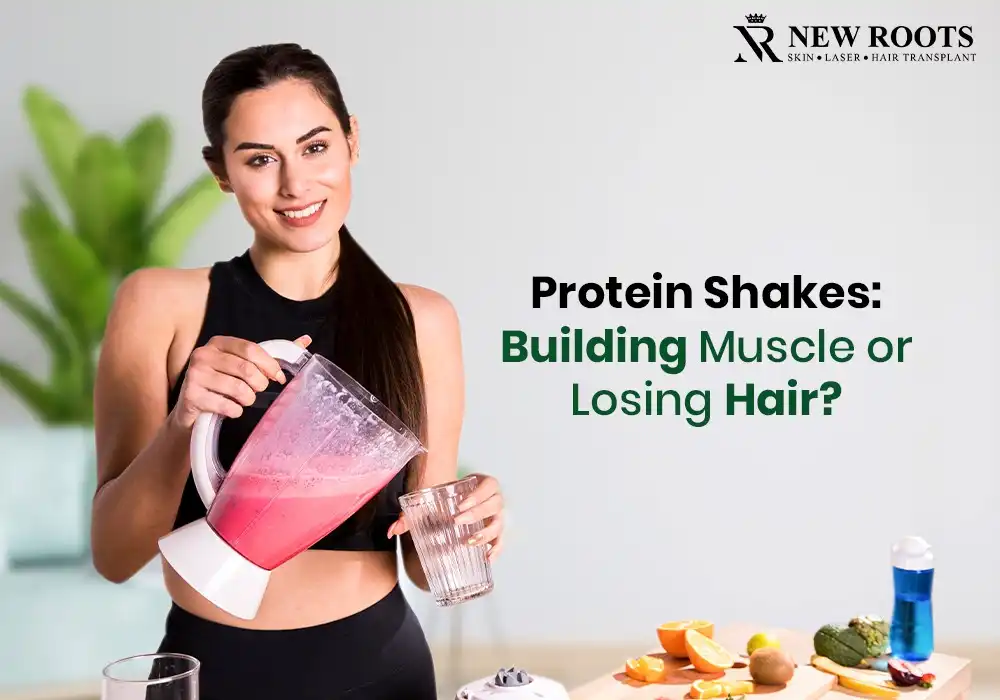
Is Whey Protein Worse For Hair Than Plant-based Protein?
For most people, whey protein is just as safe as plant-based types. The exception is for those with dairy allergies or people who are genetically sensitive to hormone changes. Always choose pure, simple powders without added hormones.
Can Too Much Protein Hurt My Hair?
Excess protein is unlikely to hurt your hair directly, but very high protein diets can crowd out other nutrients your hair needs. Balance is key—focus on a varied diet, not just protein.
Does Protein Powder Help Hair Grow Faster?
Protein powder helps if you are not getting enough protein in your diet. If you already eat enough, extra protein will not make hair grow faster. Other nutrients like iron, zinc, and biotin are also important.
Are There Safe Protein Powders For People Worried About Hair Loss?
Yes. Choose plant-based powders like pea, rice, or hemp, or simple whey or egg white powders from trusted brands. Avoid blends with unknown ingredients or hormone-boosters.
Strong hair depends on overall health, not just one supplement. If you use protein powder wisely and keep your diet balanced, you can enjoy its benefits without risking your hair. Understanding your own needs, choosing quality products, and listening to your body are the best ways to keep both your muscles and your hair healthy.

