
Can Fitness Trackers Track Swimming?
Imagine gliding through the water, stroke after stroke, and later being able to see exactly how far you swam, how fast, and even how efficient your technique was. For many swimmers, this is no longer just a dream. Fitness trackers have changed the way people approach exercise, making it easier to measure and improve performance. But swimming is not like running or walking. Water presents unique challenges. So, can fitness trackers really track swimming? And if they can, how accurate and useful is the data? This article dives deep into these questions, clearing up confusion and giving a clear, honest look at what you can expect from swim tracking technology.
How Fitness Trackers Work
Most people know fitness trackers from walking or running. These devices use sensors to count steps, measure heart rate, and estimate calories. But how do they work in water?
Fitness trackers use a mix of accelerometers (which sense movement), gyroscopes (which sense rotation), and sometimes even barometers (which sense pressure changes). On land, these sensors can easily count steps or detect running pace. But in water, things get tricky. Water slows down movement, and your arm moves differently when you swim. Good swim trackers use special software that recognizes common swim strokes and counts laps based on your turns and patterns.
Some advanced trackers also include optical heart rate sensors. However, water can make it harder for these sensors to get an accurate reading. A few high-end models use chest straps that send signals to the tracker, but these are not as common.
Are All Fitness Trackers Waterproof?
Not all fitness trackers are ready for the pool. You must check if the device is waterproof or just water-resistant. Here’s what these terms mean:
- Water-resistant: Can handle sweat, rain, and maybe a quick splash, but not swimming.
- Waterproof: Designed for submersion in water; suitable for swimming and even diving (to a certain depth).
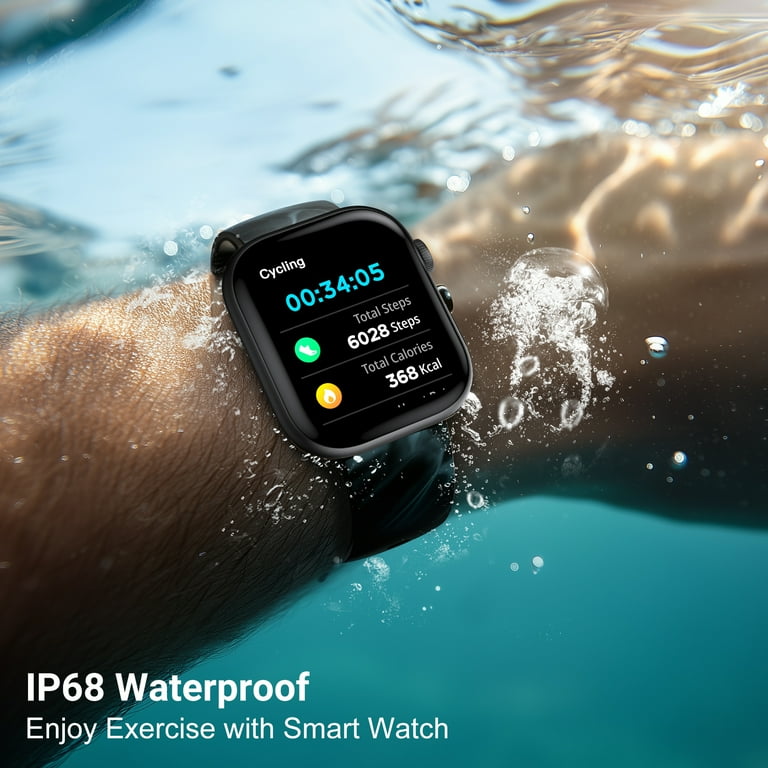
Most trackers built for swimming will have a rating like 5 ATM (can go 50 meters deep) or IP68 (can handle dust and water immersion). Never assume your tracker is safe in the pool without checking the specs.
What Swimming Metrics Can Trackers Measure?
Modern fitness trackers can measure a surprising number of swim metrics. Here are the most common ones:
- Lap count – Tracks how many pool lengths you swim.
- Distance – Based on lap count and pool length.
- Stroke count – Counts how many strokes you take per lap.
- Stroke type – Some can recognize freestyle, breaststroke, backstroke, and butterfly.
- Swolf score – Combines time and stroke count to measure efficiency (lower is better).
- Calories burned – Estimated based on movement and sometimes heart rate.
- Pace – How fast you swim each lap or overall.
- Duration – Total swim time.
- Rest times – Time spent resting between laps or intervals.
- Heart rate – Some trackers, but accuracy varies in water.
Not every device tracks all these metrics. High-end models usually offer more features.
How Accurate Are Fitness Trackers For Swimming?
Accuracy is a big concern for swimmers. The answer: it depends on the device, your swimming style, and how well you set up the tracker.
Lap And Distance Tracking
Most trackers are good at counting laps in a standard pool (25m or 50m). You usually have to enter the pool length before you start. If you forget, your distance data will be wrong.
Missed or extra laps can happen if you pause in the middle or use an unusual turn. For example, stopping at the wall without pushing off can confuse the sensor. For open water, only trackers with GPS can accurately measure distance.
Stroke Recognition
Devices like the Garmin Swim 2 and Apple Watch Series can recognize the four main strokes. But if your technique is not standard, the device might get it wrong. Beginners sometimes see mistakes in stroke type.
Heart Rate
Optical heart rate monitors work by shining light into your skin. Water can block the light or move the watch, leading to less accurate readings. Chest straps, if supported, give better data but are less comfortable for swimming.
Swolf And Efficiency
Swolf is a mix of time and strokes, showing how efficient your swim is. Trackers can measure this, but it’s only useful if your laps and strokes are counted correctly.
Pro tip: Always start and stop the tracker at the pool edge, and use regular turns for best accuracy.
Pool Swimming Vs. Open Water
The experience of tracking a swim depends on where you swim.
Pool Swimming
Trackers use motion sensors to detect laps. Since the pool is a fixed size, you get reliable lap and distance counts. Most mistakes come from pausing in the middle or doing drills.
Open Water
Here, GPS is needed. Not all trackers have GPS. Open water tracking can show your route, distance, and sometimes even your speed at different points. Accuracy depends on how often the tracker gets a GPS signal (water can block it). For best results, keep your arm above water for a moment each stroke, especially in freestyle.
Popular Fitness Trackers That Support Swimming
Several brands offer trackers built for swimming. Here’s a look at some popular options:
| Model | Water Resistance | Stroke Detection | GPS | Notable Features |
|---|---|---|---|---|
| Apple Watch Series 8 | 50m | Yes | Yes | Advanced swim metrics, open water GPS |
| Garmin Swim 2 | 50m | Yes | Yes | Swolf, heart rate in water |
| Fitbit Charge 5 | 50m | No | No | Lap and distance tracking |
| Samsung Galaxy Watch 5 | 50m | Yes | Yes | Automatic stroke recognition |
| Coros Pace 2 | 50m | Yes | Yes | Open water metrics, lightweight design |
This is only a sample. Many other models exist, but always check for swim features before buying.
Setting Up Your Tracker For Swimming
Getting good data starts with setting up your tracker correctly. Here’s what you need to do:
- Check water resistance: Make sure your device is rated for swimming.
- Select pool or open water mode: Most trackers have different modes. Pool mode uses lap counting; open water uses GPS.
- Enter pool length: Don’t skip this step. It’s needed for accurate distance.
- Tighten the strap: A loose tracker can shift, causing missed data.
- Start at the edge: Begin and end tracking at the pool wall.
- Use regular turns and strokes: Unusual drills may confuse the sensors.
Many people forget to enter pool length or start/stop the workout in the right place. This causes common mistakes in data.
Real-world Performance: What Swimmers Say
Feedback from real swimmers is mixed but generally positive. Most people find lap counts accurate, especially in normal pool swims. Some common experiences:
- Lap errors: Sometimes a lap is missed or double-counted, especially during drills or rest.
- Stroke recognition: Works well for strong, clear strokes. Less accurate for beginners or mixed styles.
- Heart rate: Often lower than expected compared to chest straps. Useful for trends, but not exact.
- Open water: Distance may be slightly off if GPS signal is lost.
Experienced swimmers often use fitness trackers as a guide, not as absolute proof. They compare tracker data with the pool clock or their own counts.

Tips To Improve Swim Tracking Accuracy
If you want the best results, here are some advanced tips:
- Update firmware: Manufacturers improve swim algorithms over time. Keep your device updated.
- Avoid too much arm movement at the wall: Stay still during rest to prevent false lap counts.
- Use the correct mode: Don’t use “run” or “other” modes in the pool. Always select “swim”.
- Try different strap positions: Sometimes wearing the tracker higher on your wrist improves heart rate readings.
- Review data after each swim: Look for patterns in errors. For example, if laps are always missed after a certain turn, adjust your technique.
Many beginners miss the importance of pool length input or think any waterproof tracker can track swimming. These are common sources of frustration.
Comparing Trackers: What Really Matters
Choosing a tracker for swimming is different than choosing one for running. Here’s what you should focus on:
| Feature | Why It Matters | What to Look For |
|---|---|---|
| Water resistance rating | Ensures device survives swim sessions | At least 5 ATM (50m) or IP68 |
| Swim mode | Special algorithms for accurate tracking | Pools and open water options |
| Stroke recognition | Measures performance by stroke type | Freestyle, backstroke, breaststroke, butterfly |
| GPS | Needed for open water distance | Built-in GPS |
| Heart rate in water | Monitors intensity | Optical or chest strap support |
| Data export | Lets you analyze sessions in detail | Syncs with apps (Strava, Garmin, Apple Health) |
Don’t focus only on brand or looks. Swim tracking needs specific features for useful results.
Common Mistakes To Avoid
Many new swimmers and fitness tracker users make the same mistakes. Here are the top errors and how to avoid them:
- Not setting the pool length: This is the most important step for pool swimming.
- Using the wrong mode: If you select “run” or “other,” lap and stroke data will be missing or wrong.
- Loose strap: Causes missed heart rate or movement data.
- Assuming 100% accuracy: Trackers are tools, not perfect judges.
- Ignoring firmware updates: Updates can fix bugs and improve tracking.
A simple fix is to read the manual or watch a tutorial before your first swim. This can save you hours of frustration.
How Swim Trackers Motivate Improvement
Tracking your swims does more than just record numbers. It can boost your motivation and help you swim better. Here’s how:
- Goal setting: Set targets for laps, distance, or time. Trackers remind you if you’re on track.
- Progress over time: See your improvement in pace, efficiency (Swolf), or endurance.
- Technique feedback: Stroke count and Swolf help you spot areas for improvement.
- Challenge friends: Many apps let you share your swims and compete.
- Consistency: Seeing your activity streak can keep you swimming regularly.
Swimming is a solo sport, but data can add a sense of competition and achievement.
The Future Of Swim Tracking
Technology is moving fast. Here’s what’s coming next:
- Better heart rate sensors: Newer trackers use improved optical sensors or combine them with other tech for better accuracy in water.
- Real-time feedback: Some trackers can now give buzzes or signals to tell you when to speed up or slow down.
- AI coaching: Future devices may analyze your technique and suggest drills or changes.
- Integration with smart goggles: Some products now show data right inside your goggles as you swim.
- Improved open water GPS: Multi-frequency GPS chips offer better tracking even when your arm is underwater.
If you want to keep up, watch for software updates or consider a new device every few years.
Real-world Example: Tracking A Swim Workout
Let’s walk through what a swim workout looks like with a fitness tracker.
- Setting up: You enter the pool length (e.g., 25 meters) and select pool swim mode.
- Starting: At the edge, you press start on your tracker.
- Swimming: You do 20 laps freestyle, 10 laps breaststroke, resting for 30 seconds every 5 laps.
- Ending: At the wall, you press stop.
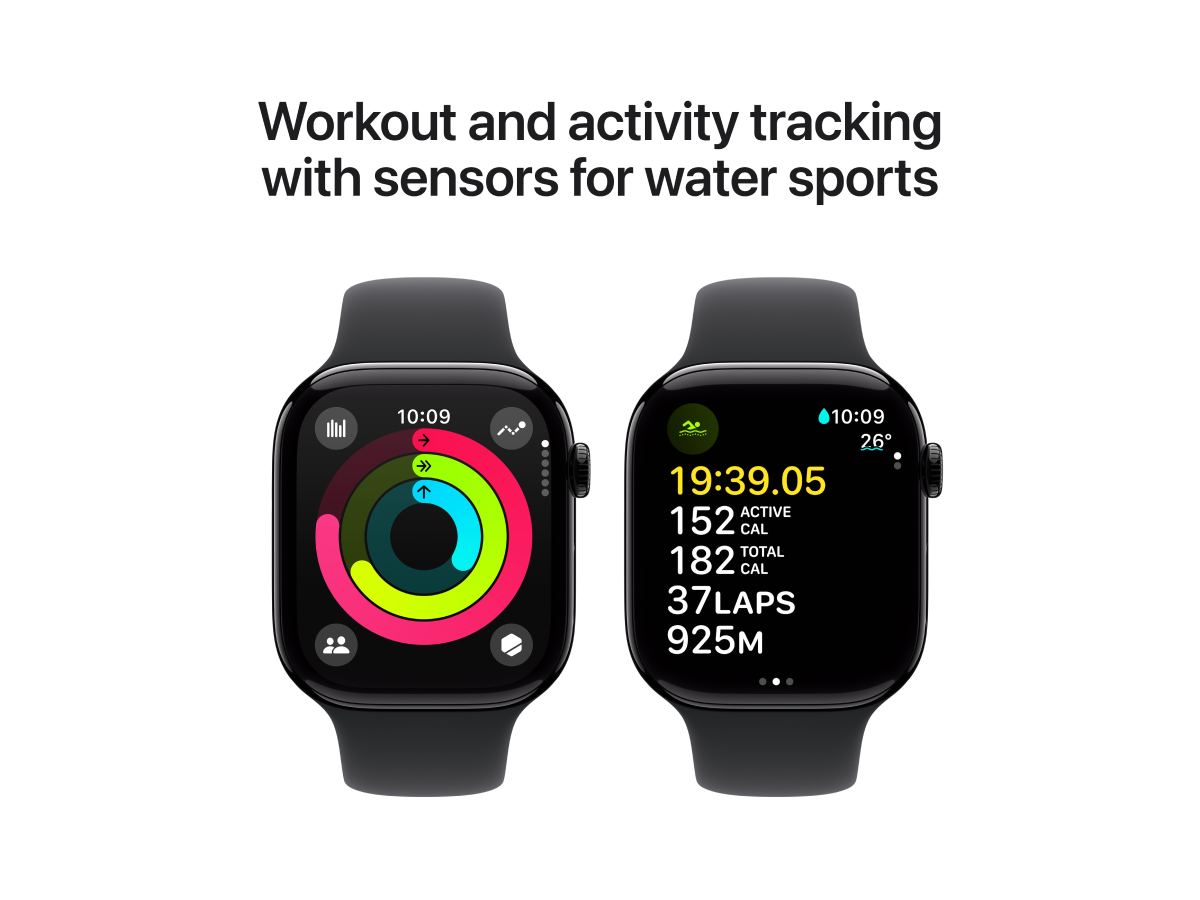
- Reviewing data: The tracker shows total distance (750m), time (20 minutes), average pace, Swolf, and calories burned.
- Syncing: Data uploads to your phone, showing your performance trends.
If you skipped entering pool length or started in the middle, your data would be incorrect. This is why setup and technique matter.
When Not To Use A Fitness Tracker In Water
There are times when it’s better to leave your tracker off:
- Diving or water slides: Sudden impacts can damage the device.
- Saltwater: Some trackers are not rated for saltwater; rinse after use.
- Very hot water (hot tubs): High temperatures can break seals.
- If not sure about water resistance: Always check before swimming.
Taking care of your device will help it last longer and keep your data reliable.
How To Clean And Care For Your Swim Tracker
After swimming, salt, chlorine, or sweat can stay on your device. Cleaning is easy:
- Rinse with fresh water: Removes chemicals and salt.
- Dry with a soft cloth: Prevents water spots.
- Check for damage: Look for cracks in the case or strap.
- Store in a cool, dry place: Avoid heat or direct sunlight.
A well-cared-for tracker works better and lasts longer.
Can Kids Use Fitness Trackers For Swimming?
Yes, some trackers are made for kids. These are often simpler, with fewer features but bright displays and easy controls. Parents can use the data to motivate children or track their activity. Always check the water resistance rating and make sure the strap fits tightly.
Are There Limitations For Competitive Swimmers?
Competitive swimmers may find that trackers do not support all their needs. For example:
- Drills: Most trackers do not recognize kickboard or pull-buoy drills.
- Relay or race splits: May need to be tracked manually.
- Ultra-high accuracy: For official times, use the pool clock.
Still, even top swimmers use trackers for training feedback and motivation.
The Bottom Line: Should You Trust Fitness Trackers For Swimming?
Fitness trackers have made it possible to measure swimming in ways that were hard before. While not perfect, they offer valuable data for most swimmers. For recreational or fitness swimmers, they are a great tool to boost motivation, track progress, and improve technique.
For best results, choose a tracker built for swimming, set it up carefully, and use it as a guide—not as the ultimate judge. Technology is getting better every year, and with the right habits, your tracker can become a trusted partner in the pool.
If you want to dive deeper into the science behind fitness trackers, check out this Wikipedia page on fitness trackers.
Frequently Asked Questions
Can Fitness Trackers Work In Saltwater?
Most swim trackers can handle saltwater, but you should always rinse them with fresh water after use. Salt can damage seals and sensors over time if not cleaned properly. Always check the device manual for specific advice.
Why Does My Tracker Miss Laps In The Pool?
Lap errors often happen if you stop in the middle of a lap, do not push off the wall, or use drills like kickboard sets. Tighten the strap, use regular turns, and always start/stop at the wall for best results.
Is Heart Rate Tracking Accurate During Swimming?
Heart rate tracking is less accurate in water, especially with optical sensors. Water and movement can affect the light sensor. Some advanced trackers or chest straps improve accuracy, but results may still vary.
Do I Need A Gps Tracker For Pool Swimming?
No, GPS is not needed for pool swimming. Pool swim modes use motion sensors and the known pool length. GPS is only useful for open water swimming in lakes, rivers, or the sea.
Can Kids Use Fitness Trackers In The Pool?
Yes, some fitness trackers are designed for kids and are waterproof. They track basic swim data and can help motivate children to be more active. Make sure the tracker is securely fitted and rated for swimming.
—
With the right device and setup, fitness trackers can bring swimming into the digital age, giving you the power to understand and improve every session in the water.

