
Many people love cycling for exercise, fun, or transportation. As fitness trackers become more popular, many cyclists wonder: Can fitness trackers track cycling? If you’re curious about what your device can do, or if you’re thinking about buying a fitness tracker for biking, this article will answer all your questions. We’ll look at how different trackers work with cycling, what features matter, how accurate they are, and how to get the most from your device. You’ll also learn about common mistakes and some things beginners usually miss.
How Fitness Trackers Work With Cycling
Fitness trackers are designed to measure body movement. They usually track steps, heart rate, and calories. But cycling is different from walking or running. Your hands are often still on the handlebars, and your legs move in circles, not in straight lines.
So, how do fitness trackers handle cycling?
Most modern trackers use a combination of sensors:
- Accelerometers detect motion and direction.
- Gyroscopes sense rotation and orientation.
- Optical sensors measure heart rate.
- GPS tracks your location and distance outdoors.
When you cycle, some trackers can detect the motion and guess the activity. Others let you manually choose “cycling mode. ” Some advanced models automatically recognize cycling after a few minutes.
But not all trackers are equal. Some are better for cycling than others. For example, a basic step counter will likely miss most of your bike ride, while a GPS-enabled sports watch can capture every detail.
Types Of Fitness Trackers And Their Cycling Features
Let’s break down the main types of fitness trackers and see how they perform for cycling.
1. Basic Fitness Bands
These are simple devices like the Xiaomi Mi Band or older Fitbit Inspire models. They focus on steps, calories, and basic movement.
- Cycling Ability: Limited. They often count steps, not pedals. Short rides may not be tracked well.
- Manual Entry: Some let you log cycling manually in their app, but data is not as accurate as GPS.
- No GPS: This means no distance or route tracking for outdoor rides.
2. Advanced Fitness Bands
Examples include the Fitbit Charge 5 or Garmin Vivosmart. They have more sensors and often include connected GPS (using your phone’s GPS).
- Cycling Mode: Many let you pick “cycling” as an activity. This helps track calories and time more accurately.
- Heart Rate: Most measure heart rate during rides.
- Distance: If connected to your phone’s GPS, they can track distance and speed.
3. Smartwatches
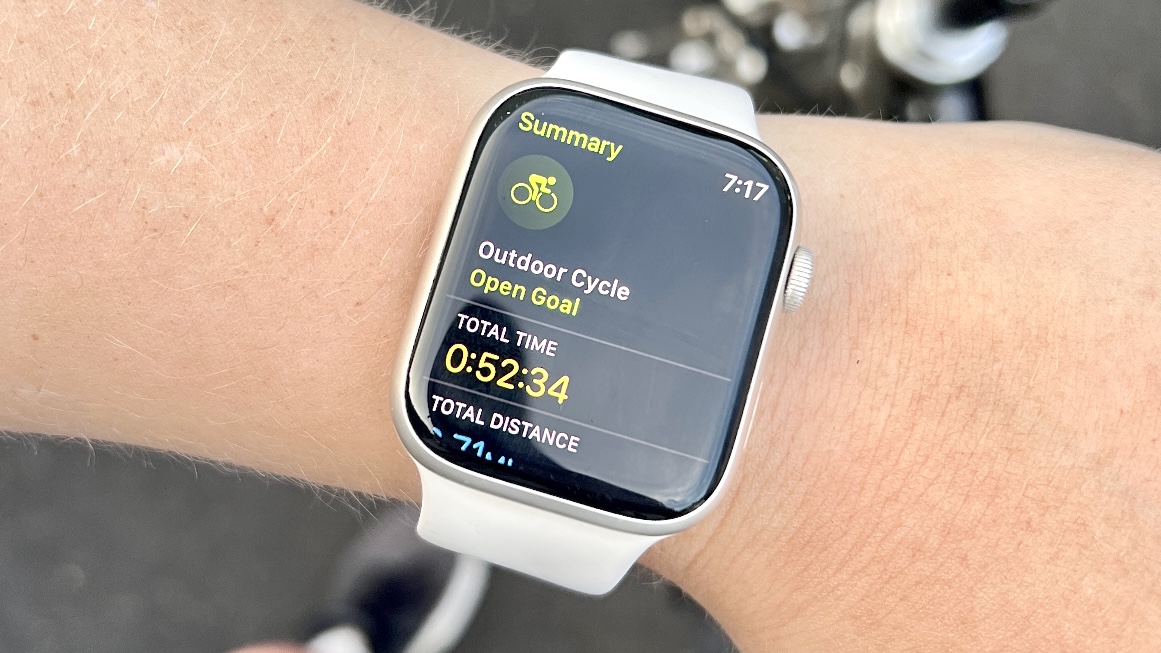
Devices like the Apple Watch, Samsung Galaxy Watch, and Garmin Forerunner are popular for cycling.
- Built-in GPS: Most can track your ride’s route, distance, and speed without a phone.
- Automatic Detection: Some models start tracking cycling when they sense the movement.
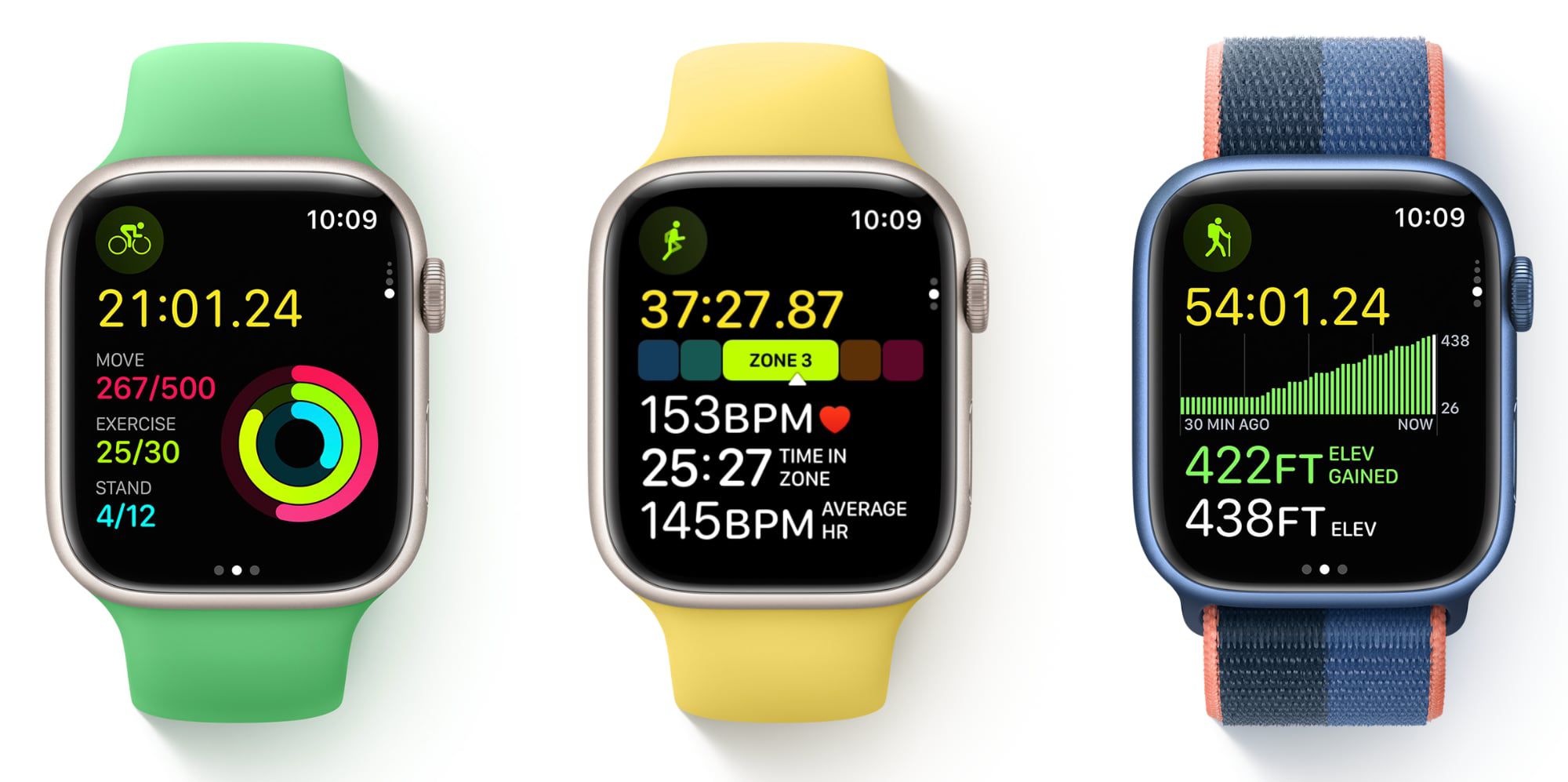
- Advanced Metrics: You get data like elevation, cadence, and split times.
4. Dedicated Cycling Computers
Brands like Wahoo and Garmin Edge make devices just for cycling. These are not fitness bands, but many cyclists use them.
- Cycling-Specific Sensors: Track speed, cadence, power, elevation, and more.
- Maps and Navigation: Built-in screens for turn-by-turn directions.
- Data Export: Syncs with popular cycling apps.
5. Smartphone Apps Paired With Trackers
Apps like Strava and Komoot use your phone’s GPS and can connect to some trackers. This combination often gives the most complete data for serious cyclists.
- Flexible Tracking: Use your phone for GPS and your tracker for heart rate.
- Social Features: Share rides, compare segments, and join challenges.
What Data Can Fitness Trackers Record During Cycling?
The data you get depends on your tracker’s features. Here are the most common metrics:
- Distance: Measures how far you cycled. GPS is needed for accuracy.
- Duration: How long you rode.
- Speed: Average and top speeds.
- Route: GPS devices map your ride.
- Calories Burned: Uses heart rate, weight, and speed to estimate.
- Heart Rate: Shows effort level during your ride.
- Elevation Gain: Tracks how much you climbed (with a barometer or GPS).
- Cadence: Pedal revolutions per minute (some advanced devices).
- Power Output: Measures your cycling strength (with special sensors).
- Active Minutes: Time spent in fat-burning or cardio zones.
Here’s a comparison of what basic and advanced trackers typically record:
| Metric | Basic Fitness Band | Advanced Tracker/Smartwatch |
|---|---|---|
| Distance | Sometimes (estimates) | Yes (GPS) |
| Duration | Yes | Yes |
| Speed | No | Yes |
| Calories | Rough estimate | Better estimate |
| Heart Rate | Sometimes | Yes |
| Elevation Gain | No | Yes (some models) |
How Accurate Are Fitness Trackers For Cycling?
Accuracy is a big concern for cyclists. A step counter can’t count pedal strokes. So, how reliable is your fitness tracker on a bike?
- GPS-enabled trackers are the most accurate. They measure real distance and speed.
- Heart rate sensors are usually good, but wrist sensors can be less accurate during intense rides. Chest straps are more precise.
- Calories burned is always an estimate. Factors like wind, terrain, and your fitness level affect the real number.
- Cadence and power require special sensors, usually found only on cycling computers or advanced smartwatches.
A study published in the Journal of Sports Sciences found that wrist-worn trackers are up to 10–15% less accurate for cycling calories compared to running. The GPS, however, can be as accurate as a car’s navigation if you have a clear sky view.
Key Features To Look For In A Fitness Tracker For Cycling
If you want the best cycling experience, look for these features:
- Built-in GPS or Connected GPS: For accurate distance, route, and speed.
- Cycling Mode: Lets you select cycling as an activity.
- Continuous Heart Rate Monitoring: More accurate calorie and effort data.
- Water Resistance: Important for outdoor rides.
- Long Battery Life: GPS drains batteries fast.
- Easy-to-Read Screen: So you can check stats while riding.
- App Support: Syncs with apps like Strava or Apple Health.
- Barometric Altimeter: For tracking elevation gain.
- Bluetooth/ANT+ Support: To connect external sensors (cadence, power).
Here’s a quick feature comparison:
| Feature | Why it Matters |
|---|---|
| GPS | Tracks real distance, speed, and route |
| Heart Rate | Shows how hard you’re working |
| Water Resistance | Protects from rain and sweat |
| Battery Life | Lasts for long rides |
| App Support | Helps analyze and share rides |
How To Track Cycling With Your Fitness Tracker
Getting accurate cycling data is not automatic. Here’s how to set up your device for the best results:
- Choose Cycling Mode: Before you start riding, pick “cycling” as your activity. This tells the tracker to use the right sensors.
- Enable GPS: Make sure GPS is on, either in the tracker or on your paired phone.
- Wear Correctly: For wrist trackers, wear them snug above the wrist bone for better heart rate data.
- Start and Stop Tracking: Remember to start tracking when you begin and stop when you finish.
- Sync with the App: After your ride, sync data with the app for maps, stats, and history.
Extra Tips For Better Results
- If your tracker allows, connect to a chest strap for more accurate heart rate.
- For longer rides, bring a power bank or turn off other features to save battery.
- Some trackers let you set auto-pause, so stoplights don’t lower your average speed.
- Update your tracker’s firmware regularly for bug fixes and new features.

Real-world Examples: Which Trackers Work Well For Cycling?
Let’s look at some popular models and how they perform for cyclists.
Fitbit Charge 5
- GPS enabled, cycling mode, and heart rate tracking.
- Good for casual riders but not for advanced power or cadence data.
- Syncs with Strava.
Apple Watch Series 8
- Automatic cycling detection and built-in GPS.
- Shows maps, speed, elevation, and splits.
- Can connect to Bluetooth sensors.
Garmin Forerunner 255
- Designed for multiple sports, including cycling.
- Long battery life and excellent GPS accuracy.
- Supports power meters and cadence sensors.
Xiaomi Mi Band 7
- Affordable and light.
- Can track cycling time and heart rate but no built-in GPS (needs your phone for location).
- Good for beginners.
Whoop Strap 4.0
- Focuses on heart rate and recovery more than route tracking.
- No screen, but detailed analysis in the app.
- Popular with serious athletes.
Common Mistakes When Using Fitness Trackers For Cycling
Even experienced cyclists make these errors. Avoid them for better data:
- Not Enabling GPS: Forgetting to turn on GPS means you only get time, not distance or speed.
- Wearing the Tracker Too Loose: This causes heart rate errors.
- Forgetting to Start or Stop the Activity: Missing the beginning or end of your ride leads to incomplete data.
- Not Updating Weight or Profile: Calorie estimates are wrong if your weight or age is outdated.
- Only Relying on Steps: Steps are almost useless on a bike. Always use the cycling mode.
- Ignoring Battery Life: GPS tracking drains the battery. Plan for long rides.
- Not Syncing Data: Some trackers only keep ride data for a short time without syncing.
Two Non-obvious Insights Cyclists Often Miss
1. The Difference Between Indoor And Outdoor Cycling Tracking
Most fitness trackers use GPS for outdoor rides and motion sensors for indoor rides. If you ride indoors on a trainer or spin bike, your tracker may not record distance or speed unless you manually enter the activity. Some advanced trackers can connect to smart trainers, but most basic bands cannot. Always check if your device supports indoor cycling, especially if you do both.
2. The Value Of Third-party App Integration
Using apps like Strava or Komoot can add a lot of value. These apps often correct GPS errors, analyze your performance, and let you compare with others. Many trackers can sync automatically with these platforms. This integration helps you see progress, find new routes, and stay motivated.
The Pros And Cons Of Using Fitness Trackers For Cycling
Let’s look at the strengths and limits of tracking your rides with these devices.
Pros:
- Easy to use and always on your wrist.
- Tracks more than just cycling (sleep, steps, other sports).
- Motivates you with goals and badges.
- Some models offer great GPS and heart rate data.
Cons:
- Less accurate than dedicated cycling computers for advanced metrics.
- Step-based trackers often miss short rides.
- Wrist-based heart rate can lag during sprints.
- Battery life is sometimes short with GPS on.
How To Get More Accurate Cycling Data
If you want the best possible data, here’s what you can do:
- Pair a Chest Strap: For more reliable heart rate.
- Update Your Device: Firmware updates often fix tracking bugs.
- Set Up Auto-Pause: Stops counting when you’re at lights or stopped.
- Choose Open Areas: GPS works better with a clear sky.
- Connect to Third-Party Apps: For better analysis and mapping.
What Matters Most When Buying A Fitness Tracker For Cycling
Think about your cycling habits before buying:
- Do you ride outdoors or indoors?
- Do you care about route maps or just calories burned?
- Is battery life important for long rides?
- Do you want to sync with Strava or other apps?
- Do you need advanced data like power or just basic stats?
For most people, a GPS-enabled tracker with a cycling mode will be enough. Advanced cyclists may want a dedicated cycling computer.
Fitness Trackers Vs. Dedicated Cycling Computers
Some cyclists wonder if they should get a cycling computer instead of a tracker. Here’s a quick comparison:
| Feature | Fitness Tracker | Cycling Computer |
|---|---|---|
| Tracks Multiple Sports | Yes | No (mainly cycling) |
| GPS Mapping | Good (on some) | Excellent |
| Battery Life | Shorter (with GPS) | Longer |
| Connects to Power/Cadence Sensors | Some models | Most models |
| Price | Lower to mid-range | Mid to high |
For casual riders, a fitness tracker is enough. For serious cyclists, a cycling computer offers more detailed data and better navigation.
The Future Of Fitness Trackers And Cycling
Fitness trackers are getting smarter every year. Newer models can measure more, sync with more apps, and offer coaching. Some even have safety features, like crash detection and automatic emergency calls.
Expect to see:
- Better integration with e-bikes and smart trainers.
- More health insights (like recovery and fatigue).
- Longer battery life and faster charging.
- Improved accuracy for both indoor and outdoor cycling.
If you ride for fun, health, or competition, a fitness tracker can be a valuable tool. But knowing its strengths and limits will help you get the most from your rides.
For more technical details on how fitness trackers work, see this Wikipedia article.
Frequently Asked Questions
Can My Fitness Tracker Automatically Detect Cycling?
Some advanced trackers like the Apple Watch and newer Fitbit models can automatically recognize cycling after a few minutes of riding. However, to get the most accurate data, it’s best to manually start the cycling mode. Older or basic trackers usually cannot detect cycling automatically.
Do Fitness Trackers Count Cycling As Steps?
Most fitness trackers do not count pedal strokes as steps. If you only track steps, your cycling activity may not appear. Always select “cycling” mode for your rides to make sure they are recorded properly.
How Can I Improve The Accuracy Of My Cycling Data?
To get the best results:
- Make sure your tracker’s GPS is active.
- Wear the tracker snugly on your wrist.
- Update your profile (weight, age) in the app.
- Sync with third-party apps like Strava for better analysis.
- Use a chest strap for more accurate heart rate data if possible.
Is A Fitness Tracker Enough For Serious Cycling?
For beginners and casual riders, a fitness tracker is usually enough. If you want advanced data like power output or navigation, or if you race, a dedicated cycling computer is a better choice. Some smartwatches can bridge the gap with advanced sensors and app support.
Can Fitness Trackers Track Indoor Cycling Or Spin Classes?
Most basic trackers cannot measure distance or speed for indoor cycling. However, they can record heart rate and calories burned if you select “indoor cycling” mode. Advanced trackers can connect to smart trainers for more data, but this feature is less common.
—
Cycling is a great way to stay fit, and today’s fitness trackers can help you understand your rides better. While not every device is perfect for cycling, choosing the right tracker, using it correctly, and syncing with the right apps can make a big difference.
Whether you cycle for fun or fitness, tracking your rides can boost your motivation and help you reach your goals.

