
Many people today wear fitness trackers to help them stay healthy. These small devices count steps, track sleep, and measure heart rate. But a big question is: can fitness trackers detect irregular heart rate? People want to know if their tracker can warn them about serious heart problems. Understanding this is important, especially if you care about your heart health or have a family history of heart disease.
Fitness trackers are everywhere—in gyms, offices, and even schools. They promise to help you live better. But when it comes to your heart, should you trust what your device tells you? This article dives deep into how fitness trackers work, what they can and cannot do about detecting irregular heart rates, and what you should know before relying on them for your health.
How Fitness Trackers Measure Heart Rate
Fitness trackers use a technology called photoplethysmography (PPG). This may sound complex, but it simply means the device shines a small light into your skin and measures how the light bounces back. Blood absorbs light differently depending on how fast your heart is beating. By looking at these light changes, the tracker counts your heartbeats per minute.
Some advanced smartwatches, like the Apple Watch or Fitbit Sense, also use electrical sensors. These sensors work more like a medical-grade ECG (electrocardiogram) and can give more detailed heart rhythm data. However, most popular trackers only use light sensors.
Ppg Vs Ecg: What’s The Difference?
| Feature | PPG (Light-based) | ECG (Electrical) |
|---|---|---|
| How it works | Measures light changes in blood flow | Measures electrical signals in the heart |
| Accuracy | Good for basic heart rate | Better for irregular rhythms |
| Used in | Most fitness bands | Advanced smartwatches |
Most fitness trackers use PPG because it is cheaper and smaller. ECG is more accurate for irregular heartbeats, but it is usually found only in more expensive smartwatches.
What Is An Irregular Heart Rate?
An irregular heart rate means your heart does not beat in a normal rhythm. The medical term for this is arrhythmia. Not all irregular heartbeats are dangerous, but some can be serious.
Common Types Of Irregular Heart Rate
- Atrial fibrillation (AFib): The most common type, where the upper chambers of the heart beat out of sync.
- Bradycardia: Heart rate is too slow (less than 60 beats per minute in adults).
- Tachycardia: Heart rate is too fast (more than 100 beats per minute in adults).
- Premature beats: Extra or skipped heartbeats.
Most people do not feel these irregularities unless they are severe. Sometimes, you may feel your heart “flutter” or “skip. ” Other times, there are no symptoms at all.
Can Fitness Trackers Really Detect Irregular Heart Rate?
The answer is: sometimes, but not always. Let’s break down what these devices can do.
Capabilities Of Fitness Trackers
- Basic Alert: Many fitness trackers can alert you if your heart rate is too high or too low for your age and activity level.
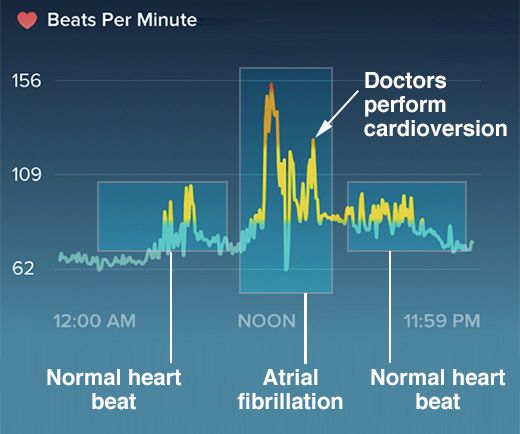
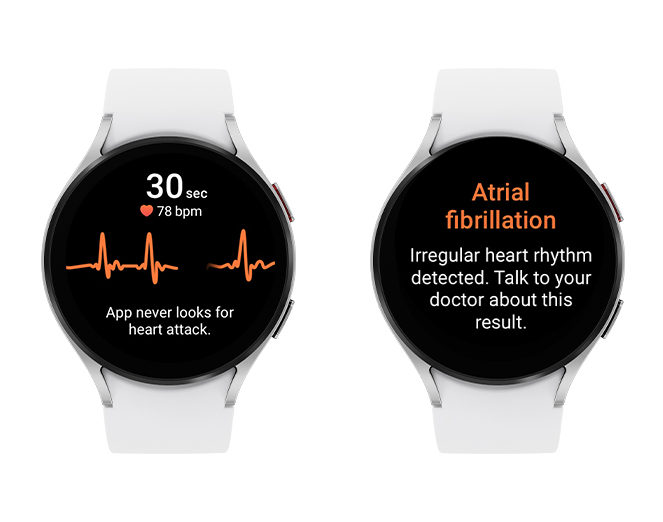
- Irregular Rhythm Notification: Some advanced smartwatches (like Apple Watch Series 4 and later, Fitbit Sense, Samsung Galaxy Watch) can alert you if they notice a pattern that looks like AFib.
- ECG Feature: Only a few smartwatches have an ECG function. This lets you take an on-demand heart rhythm test.
Limitations And What They Miss
- Not Continuous: Most devices do not check for irregular rhythms all the time. They may check once every few minutes or only when you ask.
- Miss Short Episodes: Short arrhythmias can be missed if they happen between checks.
- False Alarms: Motion, sweat, and loose fit can cause wrong readings. This means you might get an alert when nothing is wrong.
- Not for Diagnosis: Fitness trackers are not medical devices. They can warn you, but only a doctor can diagnose heart problems.
Here is a comparison of what popular devices offer:
| Device | Heart Rate Tracking | Irregular Rhythm Alert | ECG |
|---|---|---|---|
| Apple Watch Series 8 | Yes | Yes | Yes |
| Fitbit Charge 5 | Yes | Yes | Yes |
| Xiaomi Mi Band 7 | Yes | No | No |
| Samsung Galaxy Watch 5 | Yes | Yes | Yes |
| Garmin Vivosmart 5 | Yes | No | No |
Scientific Evidence: How Accurate Are Fitness Trackers?
Many studies have tested the accuracy of fitness trackers. The results are mixed.
- Step counting: Very accurate for most people.
- Basic heart rate: Usually within 5-10 beats per minute of medical monitors during rest and light activity.
- Irregular rhythm detection: Good, but not perfect. For example, the Apple Heart Study (2019) found that the Apple Watch could identify AFib with about 84% accuracy.
Some trackers have FDA clearance (like the Apple Watch and Fitbit Sense) for AFib detection. This means they passed certain safety and accuracy tests. Still, they are not a replacement for medical tests.
Real-world Example
Sarah, a 47-year-old office worker, wore her Apple Watch for daily exercise. One day, she got an alert about an irregular heart rhythm. She visited her doctor, who did further tests and found early signs of AFib. Because she caught it early, her doctor could treat her before the problem became serious.
This shows how fitness trackers can help, but only when followed up by a healthcare professional.
Benefits Of Using Fitness Trackers For Heart Rate Monitoring
While not perfect, fitness trackers offer several advantages:
- Early warning: Trackers can spot unusual patterns you may not notice.
- Motivation: Seeing your heart rate and activity can encourage you to stay active.
- Data for doctors: You can share long-term trends with your doctor, helping them understand your heart better.
- Peace of mind: If you have a family history of heart disease, a tracker can help you feel more in control.
Limitations You Should Know
Fitness trackers are helpful, but you should understand their limits:
- Not a substitute for a doctor: Never ignore symptoms just because your tracker shows “normal.”
- Can cause anxiety: Some people worry too much about every small change.
- Works best on healthy adults: Trackers are not tested as much on children, older adults, or people with dark skin, tattoos, or certain medical conditions.
- Battery life: Continuous monitoring can drain the battery quickly.

Common Mistakes When Relying On Fitness Trackers
Many people trust their devices too much or use them incorrectly. Here are some mistakes to avoid:
- Wearing the device too loose: This can make readings inaccurate.
- Ignoring symptoms: If you feel dizzy or weak, see a doctor, even if the tracker shows normal results.
- Using non-FDA cleared devices for medical decisions: Only trust devices with some medical approval for health alerts.
- Not updating firmware: Sometimes software updates fix bugs and improve accuracy.
- Relying on a single reading: Look at trends, not just one number.
How To Use A Fitness Tracker For Heart Health
If you want to use a fitness tracker to watch your heart, follow these steps:
- Choose a tracker with FDA clearance if you have a known heart condition.
- Wear the device snugly on your wrist, above the wrist bone.
- Set up alerts for high or low heart rate and irregular rhythm, if available.
- Check data regularly, but do not panic over small changes.
- Share your data with your doctor during check-ups.
Example Routine
Maria, age 58, uses a Fitbit Sense. She checks her heart rate every morning and reviews her weekly trend every Sunday. She set up alerts for high (over 120 bpm) and low (under 50 bpm) rates. When she got an irregular rhythm alert, she went to her doctor, who confirmed everything was okay.
She uses the tracker as a tool, not as a replacement for her doctor.
Who Should Consider Using A Fitness Tracker For Irregular Heart Rate?
Fitness trackers are not for everyone. Here is who may benefit the most:
- People with risk factors: If you are over 50, have high blood pressure, diabetes, or a family history of heart problems.
- People who exercise regularly: Athletes sometimes get abnormal rhythms. Trackers can help them notice changes.
- People wanting peace of mind: If you worry about your heart, a tracker can help you keep an eye on it.
However, if you have an implanted device (like a pacemaker) or a known serious heart problem, talk to your doctor before using a fitness tracker.
How To Choose The Best Fitness Tracker For Heart Rate And Rhythm
Not all trackers are equal. Here are the most important things to look for:
- Heart rate accuracy: Look for trackers with good reviews for heart rate monitoring.
- Irregular rhythm detection: Some trackers can spot AFib, others cannot.
- ECG feature: Choose this if you want the best chance of catching irregular rhythms.
- Comfort and battery: You’ll need to wear it all day, so pick one that feels good and lasts long.
- Data sharing: Make sure you can easily share your results with your doctor.
Popular Devices With Irregular Rhythm Detection
- Apple Watch Series 4 and newer: Has FDA-cleared AFib detection and ECG.
- Fitbit Sense / Charge 5: Can detect AFib and take ECGs.
- Samsung Galaxy Watch 5: Offers ECG and irregular rhythm alerts.
What Do Doctors Say About Fitness Trackers?
Doctors see both the pros and cons. Many say trackers are helpful for giving more data and helping patients notice when something is wrong. But they warn that these are screening tools, not diagnostic tools.
A heart specialist, Dr. Lisa Schwartz, explains, “Wearables are a great way to learn about your heart, but if you get an alert, don’t panic. Make an appointment with your doctor. We use your data as a starting point, not the final answer.
“
Doctors also remind patients not to ignore symptoms like chest pain, fainting, or shortness of breath, even if the tracker shows normal results.
The Future Of Fitness Trackers And Heart Health
Technology is getting better every year. In the near future, we may see:
- Better sensors: More accurate readings, even during exercise.
- Continuous rhythm checks: Catching short arrhythmias that current trackers miss.
- Integration with health records: Making it easier to share data with your doctor.
- AI-powered predictions: Some trackers may warn you before a problem happens by learning your normal patterns.
Research is ongoing. Companies are working with hospitals and universities to test these devices in large groups of people. For example, the Apple Heart and Movement Study continues to collect data to improve detection of heart problems.
If you want to keep up with new developments, check trusted sources like the American Heart Association.
Non-obvious Insights Beginners Usually Miss
Many people do not realize that:
- Fitness trackers are less accurate when your hands are cold. Poor blood flow can make it hard for the device to read your pulse.
- Alcohol and caffeine can affect your heart rhythm and may trigger false alerts on your tracker.
- Heart rate can change naturally with age, stress, and even time of day. Not every change means a problem.
Understanding these points can help you avoid worrying about harmless changes.
What To Do If Your Fitness Tracker Detects An Irregular Heart Rate
If your device sends you an alert:
- Stay calm. Many alerts are false or from harmless changes.
- Check your symptoms. Do you feel dizzy, weak, or short of breath?
- Repeat the measurement. Sit still, relax, and measure again.
- Record what happened. Note the time, what you were doing, and how you felt.
- Call your doctor if you have symptoms or get repeated alerts.
Never make big health decisions based only on your fitness tracker.
Frequently Asked Questions
Can A Fitness Tracker Replace A Medical Ecg?
No, a fitness tracker cannot replace a medical ECG done in a hospital or clinic. While some smartwatches have ECG features, they only check your rhythm for a short time. A full ECG gives more details and is reviewed by a doctor.
How Accurate Are Fitness Trackers For Detecting Irregular Heart Rate?
Most fitness trackers are accurate for basic heart rate in healthy adults at rest. For irregular rhythms, only advanced smartwatches with FDA-cleared features are reliable, and even these can miss short episodes or give false alerts.
What Should I Do If My Fitness Tracker Says I Have An Irregular Heart Rate?
First, do not panic. Check if you feel any symptoms. Repeat the measurement while sitting still. If you feel unwell or get repeated alerts, contact your healthcare provider for a full check-up.
Are Fitness Trackers Safe For Everyone?
Fitness trackers are safe for most adults. However, people with pacemakers, other heart devices, or certain skin problems should ask their doctor first. Trackers are not tested as much on children or people with dark skin or tattoos.
Do All Fitness Trackers Have Irregular Heart Rate Detection?
No, not all fitness trackers can detect irregular heart rate. Only a few advanced models (like Apple Watch, Fitbit Sense, Samsung Galaxy Watch) have this feature. Check the device’s specifications before buying if this is important to you.
Staying informed about your heart is smart, but always remember: fitness trackers are tools, not doctors. They can help you catch problems early, but your healthcare provider is the best source for heart health advice. Use your device wisely, and let it be a partner in your journey to better health.

