
Can Dip Stations Build Chest Muscles?
When you walk into a gym, you’ll often see a dip station sitting quietly in the corner. Many people use it for triceps, some for shoulders, but a common question is: can a dip station really help you build your chest muscles? The answer is yes—but only if you understand how to use it the right way. Let’s break down the science, the technique, and some mistakes to avoid, so you can get the most out of every dip.
How Dip Stations Target The Chest
Dips are a compound exercise, which means they work several muscle groups at once. The main muscles involved are the triceps, shoulders (deltoids), and chest (pectorals). But the way you do the exercise can shift the focus from one muscle to another.
When your body is upright during dips, your triceps do most of the work. If you lean your upper body forward and let your elbows flare out a bit, your chest muscles take on more load. This small change makes a big difference. Studies show that leaning forward just 15–20 degrees can increase chest activation by over 20%.
Many beginners miss this detail. They focus on just going up and down, but body position matters. If you want to target your chest, you need to think about form before you even start.
Anatomy Of The Chest Muscles
Understanding what you’re working helps you get better results. The chest, or pectoral muscles, are divided into two main parts:
- Pectoralis major: The big, fan-shaped muscle you see on the front of your chest.
- Pectoralis minor: A smaller muscle underneath, important for shoulder movement and stability.
Most people want to build the pectoralis major for a fuller, more powerful chest. Dips can help, especially with the lower and outer portions, which are harder to hit with regular bench presses.
Dip Station Vs. Other Chest Exercises
Is a dip station as good as a bench press or push-up for building chest? Each exercise has its strengths. Here’s a quick comparison to help you see where dips fit in your routine:
| Exercise | Main Muscles | Chest Focus | Triceps Focus | Equipment Needed |
|---|---|---|---|---|
| Dips (forward lean) | Chest, triceps, shoulders | High (lower chest) | Medium | Dip station |
| Bench press | Chest, shoulders, triceps | Very high (middle chest) | Medium | Barbell/bench |
| Push-ups | Chest, triceps, core | Medium | Medium | Bodyweight |
Key insight: Dips are one of the few bodyweight exercises that hit the lower chest hard. If you want a complete, well-developed chest, dips should be part of your plan.
How To Do Chest-focused Dips Correctly
Form is everything. Doing dips the wrong way can shift the work away from your chest, or worse, cause injury. Here’s how to do dips for maximum chest activation:
- Grip the handles with your palms facing inward. Step or jump up to the starting position with arms straight.
- Lean your torso forward about 15-20 degrees. This moves your chest in front of your hands.
- Flare your elbows slightly out to the sides (not too wide). This opens your chest.
- Lower your body slowly until your shoulders are just below your elbows. You should feel a stretch in your chest.
- Pause at the bottom for a second. This increases tension on the muscle.
- Push back up using your chest, not just your arms. Stop just before locking out your elbows.
A common mistake is staying too upright or letting your elbows tuck in tight—this puts the load on your triceps, not your chest.

How Many Dips Should You Do For Chest Growth?
If your goal is muscle growth (hypertrophy), you need to do enough work to challenge your chest. Most research suggests:
- 3–4 sets
- 6–12 reps per set
- 2–3 minutes rest between sets
If you can do more than 12 reps easily, add weight with a dip belt or backpack. If you can’t do 6 reps, do negative dips (lower down slowly) until you get stronger.
Progressive Overload With Dip Stations
Muscles grow when you progressively overload them—this means making the exercise harder over time. With dip stations, you have several options:
- Add weight: Use a dip belt, weighted vest, or hold a dumbbell between your feet.
- Slow down: Lower yourself more slowly, which increases time under tension.
- Pause at the bottom: Hold for 2–3 seconds at the deepest point.
- Increase range of motion: Go deeper, but never force your shoulders into pain.
Tracking your progress is important. Write down your reps, sets, and added weight each session.
Benefits Of Chest Dips You Might Not Know
Most people only think about muscle growth. But dips offer other unique benefits for your upper body:
- Joint strength: Dips strengthen the tendons and ligaments in your shoulders and elbows.
- Stabilizer muscle activation: Unlike machines, dips force your core, back, and even your legs to stabilize your body.
- Functional strength: Dips train your body to push itself up, which is a real-world movement (like pushing yourself out of a pool).
Not all chest exercises offer this mix of muscle and joint development.
Common Mistakes When Using Dip Stations For Chest
Even experienced lifters make errors. Here are the top mistakes to avoid:
- Staying too upright: This targets triceps, not chest.
- Not going deep enough: Shallow dips don’t stretch the chest muscle.
- Elbows tucked in too much: This reduces chest activation.
- Swinging or kipping: Using momentum cheats your muscles.
- Locking out elbows hard at the top: This puts stress on joints, not muscles.
- Ignoring pain: Shoulder pain is a sign to stop and check your form.
It’s better to do fewer, perfect reps than lots of sloppy ones.
Who Should Use Dip Stations For Chest?
Dip stations are useful for most people, but there are exceptions. You should consider dips if:
- You can do at least 6–8 push-ups with good form.
- You don’t have serious shoulder injuries or pain.
- You want to add size to your lower chest.
- You prefer bodyweight training or have limited equipment.
If you have shoulder problems, dips can make them worse. Always warm up your shoulders before starting, and stop if you feel sharp pain.
Comparing Dip Variations For Chest
There are several ways to use a dip station. Not all are equal for chest growth. Here’s a quick look:
| Dip Variation | Chest Activation | Triceps Activation | Shoulder Risk |
|---|---|---|---|
| Chest dip (forward lean, elbows out) | Very high | Medium | Medium |
| Triceps dip (upright, elbows in) | Low | Very high | Low |
| Ring dips | High | High | High |
| Assisted dips (with bands or machine) | Medium | Medium | Low |
For chest, the classic forward-leaning dip is best. If you’re not strong enough yet, start with assisted dips or bench dips and work your way up.
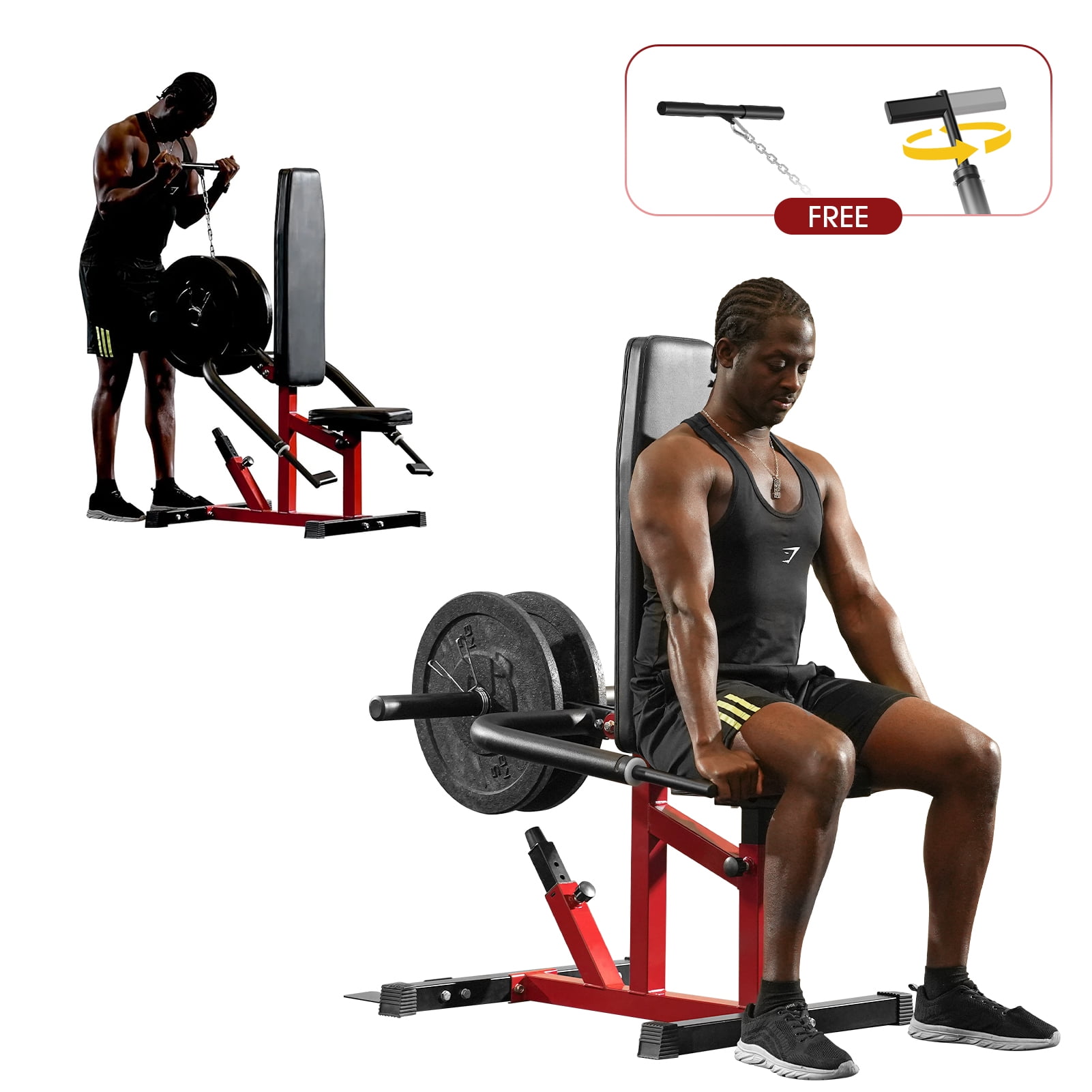
Sample Chest Workout Using Dip Stations
You can build a full chest routine around a dip station. Here’s an example for beginners to intermediates:
- Warm-up: 5 minutes shoulder circles, push-ups, and light stretching
- Chest dips: 3 sets of 6–10 reps (lean forward, elbows out)
- Assisted dips: 2 sets of 8–12 reps (use bands or machine if needed)
- Negative dips: 2 sets of 4–6 reps (jump up, lower slowly)
- Cool-down: Stretch chest and shoulders
Do this routine 1–2 times per week, with at least 2 days rest between sessions.
Can Dip Stations Replace Bench Press For Chest Growth?
Many people ask if dips can replace the bench press for chest development. The answer is: they can, but you may not get the same results for the upper and middle chest. Dips are excellent for the lower chest and overall size, but for a complete chest, combining dips with presses or push-ups is best.
Non-obvious insight: Some lifters notice better chest growth from dips if they have longer arms or a leaner body. This is because dips stretch the chest more at the bottom.
How To Avoid Shoulder Pain With Dips
Shoulder pain is a common complaint with dips. Here’s how to avoid it:
- Warm up properly before starting.
- Don’t go too deep—your shoulders should not drop far below your elbows.
- Keep your core tight and don’t let your back arch.
- Gradually increase depth and weight over weeks, not days.
If you feel a sharp pinch, stop immediately. Consider switching to bench dips or machine-assisted dips until your shoulders get stronger.
Progressing From Beginner To Advanced On Dip Stations
If you’re new to dips, start slow. Here’s how to build up:
- Bench dips: Place your hands on a bench behind you, feet on the floor.
- Assisted dips: Use resistance bands or a dip machine to reduce your bodyweight.
- Negative dips: Focus on the lowering phase, which builds strength quickly.
- Full dips: Use your full bodyweight, focusing on form.
- Weighted dips: Add resistance once you can do 10–12 perfect reps.
Tracking your progress each week keeps you motivated and helps you see real results.
What Makes Dip Stations Unique For Chest Training?
Most gym equipment isolates muscles. Dip stations force your body to work as a unit. Here’s why they stand out:
- Bodyweight resistance: You control the difficulty by adjusting body position or adding weight.
- Free movement: Your shoulders, elbows, and wrists move naturally—not locked in a fixed path.
- Scalability: Beginners can use assistance; advanced athletes can add serious weight.
Few other exercises offer this flexibility and challenge.
Real-world Results: Can Dips Really Grow Your Chest?
Plenty of athletes use dips as a main chest builder. For example, gymnasts often have well-developed lower chests thanks to years of dips and ring work. Bodybuilders like Arnold Schwarzenegger included dips in their routines for extra size.
A 2020 study found that participants who added weighted dips to their chest routine saw a 12% increase in pectoralis major thickness over 8 weeks—compared to 7% from bench press alone. The reason: dips hit fibers that presses sometimes miss.
How To Combine Dip Stations With Other Chest Exercises
For best results, don’t rely on just one movement. Here’s how you can combine dips with other exercises for a balanced chest:
- Day 1: Dips + Incline Push-Ups (targets lower and upper chest)
- Day 2: Bench Press + Dumbbell Flyes (middle and inner chest)
- Day 3: Rest or light cardio
This approach helps you avoid overuse injuries and develop a fuller chest.
Are Dip Stations Safe For Everyone?
While dips are effective, they’re not perfect for all bodies. People with previous shoulder dislocations, severe arthritis, or wrist problems should consult a professional before starting. Always start with easier variations and check your form in a mirror or with a coach.
If you’re new to exercise or have health concerns, check with your doctor or a physical therapist.
Dip Station Myths Busted
Let’s clear up a few common myths:
- Myth: Dips are only for triceps. Truth: Dips are one of the best bodyweight exercises for the chest, if done with a forward lean.
- Myth: Dips are dangerous for everyone. Truth: With good form and gradual progression, dips are safe for most healthy adults.
- Myth: You need a fancy dip station. Truth: Parallel bars, sturdy chairs, or park equipment can all work.
Practical Tips For Faster Chest Growth With Dip Stations
- Film yourself: Watching your form helps spot mistakes you can’t feel.
- Stretch your chest and shoulders after each session to stay flexible.
- Eat enough protein: Muscle growth depends on nutrition as much as training.
- Rest properly: Your chest needs time to recover—don’t train dips daily.
- Mix your grip: A slightly wider grip can target the outer chest more.

What To Do If You Can’t Do A Single Dip
If dips are too hard, don’t worry. Most people can’t do them at first. Here’s how to build up:
- Negative dips: Jump to the top and lower yourself slowly.
- Bench dips: Use a bench behind you with feet on the floor.
- Assisted dips: Use bands or a dip machine.
Practice 2–3 times per week. With consistency, you’ll build the strength needed for full dips.
When To Add Weight To Your Dips
Once you can do 12+ dips with perfect form, it’s time to add weight. Start with a dip belt and a small plate (5–10 lbs / 2–5 kg). Increase slowly. Too much weight too soon can hurt your shoulders.
Non-obvious tip: Adding weight too early may decrease your range of motion. Only add weight if you can go deep and keep your chest engaged.
Sample Progress Tracking Table
Here’s how you might track your dip progress:
| Week | Bodyweight Dips (Reps) | Weighted Dips (kg/lbs) |
|---|---|---|
| 1 | 5, 5, 4 | 0 |
| 2 | 7, 6, 5 | 0 |
| 3 | 10, 8, 7 | 0 |
| 6 | 12, 10, 10 | +5kg / 11lbs |
Final Thoughts
Dip stations are a powerful tool for building chest muscle—especially the lower and outer regions that are often missed by other exercises. With the right technique and progression, they can transform your upper body strength and appearance. Remember, the key is in leaning forward, controlling your movement, and giving your body time to adapt. Combine dips with other chest exercises for the best results, and always listen to your body to avoid injury.
If you want to learn more about exercise science and muscle growth, check out this resource from Wikipedia.
Frequently Asked Questions
How Many Times Per Week Should I Do Dips For Chest Growth?
Most people see good results with 1–2 dip sessions per week. Your chest muscles need at least 48 hours to recover between workouts. Doing more can lead to overtraining, which slows muscle growth.
Are Dips Better Than Push-ups For Chest?
Dips and push-ups both build chest muscle, but dips target the lower chest more, while push-ups work the middle chest and core. For best results, include both in your routine.
Can I Do Dips At Home Without A Dip Station?
Yes, you can use sturdy chairs, countertops, or parallel bars at a park. Make sure they are strong and stable before starting to avoid injury.
Should My Elbows Flare Out During Dips For Chest?
Slightly flaring your elbows (about 30–45 degrees) helps activate the chest. But don’t let them go too wide, which can hurt your shoulders. Focus on comfort and control.
What If Dips Hurt My Shoulders?
If you feel sharp pain, stop immediately. Try assisted dips or bench dips instead. Always warm up your shoulders first, and check your form. If pain continues, consult a professional before returning to dips.

