Are Sleep Trackers Safe To Use?
Have you ever wondered if sleep trackers are really safe? Many people use them to understand their sleep patterns, improve rest, and feel more energetic. From smartwatches to phone apps, these devices promise better sleep. But are they safe for your health, privacy, and daily life?
Let’s explore the facts, risks, and benefits. You’ll find practical advice, real-world examples, and clear answers to help you decide if sleep trackers are right for you.
What Are Sleep Trackers?
Sleep trackers are devices or apps that monitor your sleep. They collect data about how long you sleep, the quality of your sleep, and your movements during the night. The most common types are:
- Wearable devices like fitness bands and smartwatches
- Phone apps that use sensors and microphones
- Bedside gadgets or mattress sensors
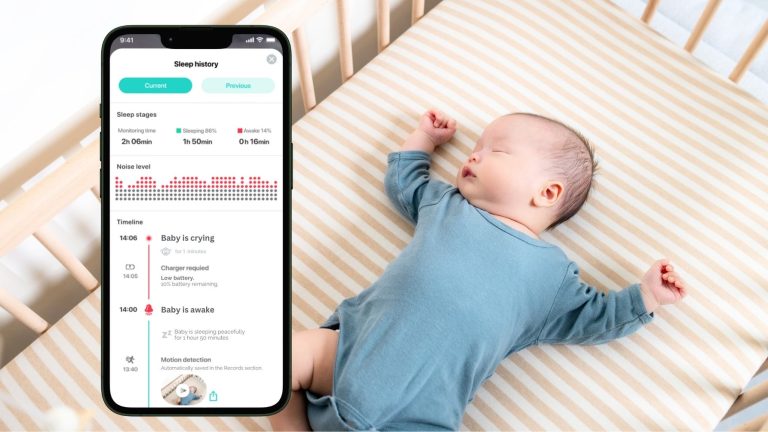
These trackers use technologies such as accelerometers, heart rate sensors, and sometimes microphones. Some advanced devices also monitor oxygen levels and body temperature. Most trackers connect to your phone and show your sleep data in easy-to-read charts.
Why Do People Use Sleep Trackers?
Many people want to improve their sleep. Sleep trackers promise:
- Better sleep habits through data and feedback
- Insight into sleep disorders such as insomnia or sleep apnea
- Motivation to change bedtime routines
- Awareness of sleep patterns for better health
Some people use them because they struggle with tiredness, headaches, or mood swings. Others simply want to know how their sleep compares to recommendations. Tracking sleep can help you spot problems early and make small changes.
How Sleep Trackers Work
Sleep trackers use sensors to detect movements, heart rate, and sometimes breathing. Here’s how the main types work:
| Type | How It Works | Common Features |
|---|---|---|
| Wearable | Worn on wrist; tracks movement and heart rate | Step count, sleep stages, alarms |
| App | Uses phone sensors/microphone; placed near pillow | Sleep duration, snoring detection, trends |
| Bedside/Mattress | Sensor under mattress; tracks movement, breathing | Sleep quality, restless periods, temperature |
Most trackers send data to your phone via Bluetooth or Wi-Fi. The app then analyzes the data and shows you details such as deep sleep, light sleep, and wake times.
Are Sleep Trackers Accurate?
Accuracy is a common concern. Most trackers estimate sleep stages based on movement and heart rate. Research shows:
- Wearable trackers are usually accurate for measuring sleep duration but less reliable for sleep stages.
- Phone apps can miss movements or confuse background noise with sleep activity.
- Mattress sensors are better at detecting restless periods but may not work well for everyone.
According to the National Sleep Foundation, consumer devices are not as accurate as medical-grade equipment. Still, they can give useful trends and help you spot big changes.
Here’s a comparison of accuracy between popular trackers:
| Device | Sleep Duration Accuracy | Sleep Stage Accuracy |
|---|---|---|
| Fitbit Charge | Good (85-90%) | Moderate (60-70%) |
| Apple Watch | Very Good (90-95%) | Moderate (65-75%) |
| Oura Ring | Good (88-93%) | Moderate (68-73%) |
| Phone App | Fair (70-80%) | Poor (50-60%) |
Sleep trackers are helpful for general trends, but they are not perfect. If you have serious sleep problems, talk to a doctor for proper diagnosis.
Potential Health Risks
Most sleep trackers are safe for daily use, but there are a few health concerns to consider.
Physical Risks
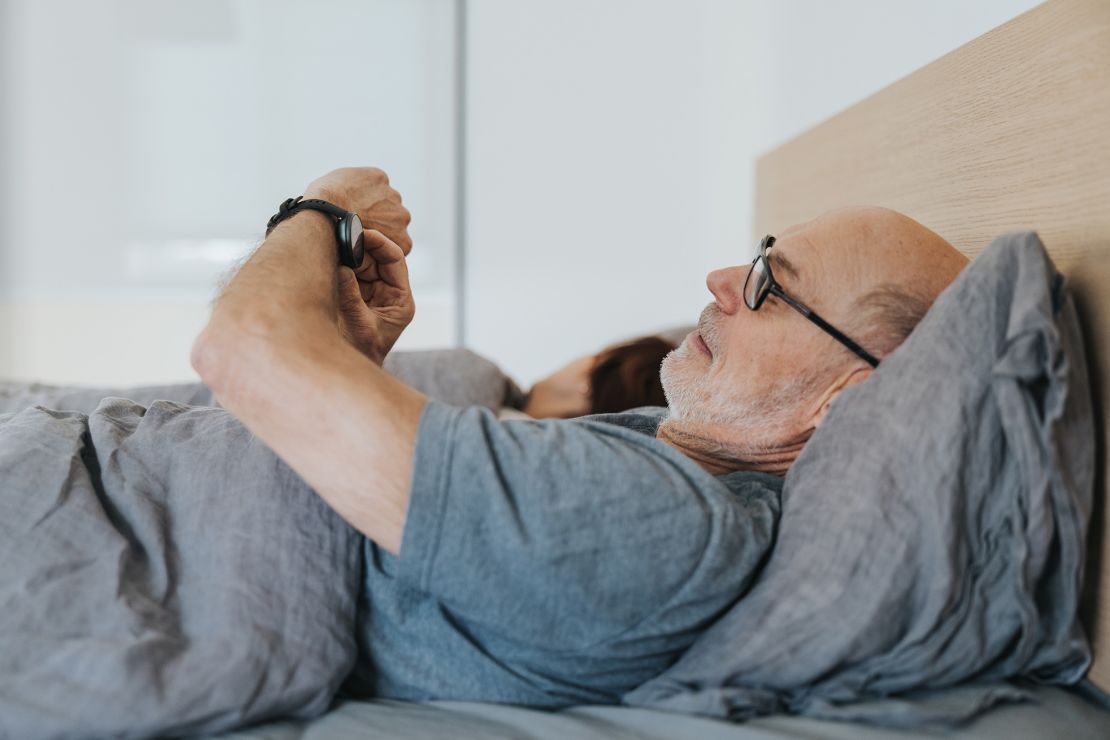
- Skin irritation: Wearing a device all night can cause rashes or discomfort, especially if you sweat or have sensitive skin.
- Battery heating: Some devices may become warm during charging or use. This is rare but possible.
- Movement restrictions: Some people feel bothered by wristbands or rings, which can affect sleep quality.
Electromagnetic Exposure
Wearable trackers use Bluetooth and sometimes Wi-Fi to connect to your phone. The electromagnetic radiation from these devices is very low. According to current research, there is no proven risk for humans at these levels.
Still, if you worry about radiation, you can:
- Use trackers that sync only during the day
- Choose devices with airplane mode or manual sync options
Sleep Anxiety
A less obvious risk is sleep anxiety. Some people become obsessed with their sleep data. They worry about not getting enough deep sleep or wake up often to check their tracker. This can make sleep problems worse.
If you notice stress or worry from tracking, consider taking breaks or using the tracker less often.
Privacy And Data Security
Sleep trackers collect sensitive data, such as your sleep habits, location, and sometimes health details. Privacy is a real concern.
Data Collection
Most trackers store your data on your phone and may upload it to company servers. Some popular brands share data with third parties for research or marketing.
Security Risks
- Data breaches: Hackers may access your sleep data if the company has weak security.
- Location tracking: Some devices record your location, which can be misused.
- Health profiling: Insurance companies or employers may use your data if shared.
To protect your privacy:
- Read privacy policies before using a tracker
- Use strong passwords for apps
- Turn off location sharing if not needed
- Delete old data regularly
Real Example
In 2018, a fitness tracking company had a data leak that showed user location and sleep patterns. This raised concerns about personal safety and privacy. Always check which permissions you give to your tracker.
Pros And Cons Of Using Sleep Trackers
Let’s look at the main advantages and disadvantages.
Pros
- Awareness: Trackers help you notice bad sleep habits.
- Motivation: Seeing progress can inspire healthy changes.
- Routine improvement: Trackers can remind you to go to bed at the right time.
- Early warning: Detects unusual patterns that may signal health problems.
- Useful insights: Trends over time help you understand what affects your sleep.
Cons
- Accuracy limits: Data may be wrong or misleading.
- Privacy risks: Sensitive information can be exposed.
- Obsessive behavior: Some users get anxious about their sleep scores.
- Physical discomfort: Devices may cause irritation or disturb sleep.
- Cost: High-quality trackers are expensive.
Common Misunderstandings
Many beginners make mistakes when using sleep trackers:
- Thinking trackers are medical devices: Most are not. They are for general guidance only.
- Believing every metric: Trackers may exaggerate deep sleep or underestimate wake time.
- Ignoring privacy settings: Not checking app permissions can lead to data sharing without consent.
- Using trackers for diagnosis: Only doctors can diagnose sleep disorders. Trackers help you notice trends, not causes.
For best results, use trackers as a tool, not as the final answer.

Tips For Safe Use
To get benefits without risks, follow these practical tips:
- Choose trusted brands: Pick devices with good privacy practices and strong security.
- Wear devices loosely: Tight bands can cause skin problems. Adjust for comfort.
- Charge safely: Keep devices off your body when charging.
- Limit data sharing: Turn off features you don’t need, like location or automatic uploads.
- Don’t obsess: Use trackers for trends, not daily perfection.
- Update apps: Always use the latest app version to fix security bugs.
- Review data regularly: Delete old or unneeded data from your app.
Following these tips reduces risks and improves your experience.
Who Should Avoid Sleep Trackers?
While most people can use sleep trackers safely, some should be careful:
- Children: Kids have different sleep needs and trackers may not be accurate.
- People with skin allergies: Wristbands or rings can cause irritation.
- Those with sleep anxiety: If tracking makes you stressed, it’s better to stop.
- Medical conditions: If you have a pacemaker or implanted device, check with your doctor before using trackers.
What Experts Say
Sleep specialists agree that sleep trackers are useful for healthy adults who want to improve habits. But they warn against relying too much on data.
Dr. Daniel Gartenberg, a sleep scientist, says, “Trackers help you notice patterns, but they are not a replacement for medical advice. ” Most experts recommend using trackers to spot trends, then changing routines if needed.
For serious sleep problems, such as sleep apnea, see a doctor. Medical sleep tests are more accurate and provide real solutions.
Comparing Sleep Trackers With Medical Sleep Tests
To understand the difference, here’s a quick comparison:
| Aspect | Sleep Tracker | Medical Sleep Test (Polysomnography) |
|---|---|---|
| Accuracy | Moderate | Very High |
| Cost | Low to moderate | High |
| Availability | Easy (home use) | Limited (hospital/clinic) |
| Data Depth | Basic | Detailed (brain waves, oxygen, etc.) |
| Purpose | Self-improvement | Diagnosis |
Sleep trackers are great for routine monitoring, but medical tests are needed for diagnosis and treatment.
Latest Research On Sleep Trackers
A 2023 study published in the Journal of Sleep Research found that consumer sleep trackers are improving, but still have limits. Most devices could measure total sleep time well but had trouble with sleep stages. The study also warned about privacy risks, especially for devices connected to the cloud.
According to Sleep Foundation, trackers are safe for most people, but you should use them wisely and protect your privacy.
Frequently Asked Questions
Are Sleep Trackers Harmful To Health?
Most sleep trackers are safe for healthy adults. The risk of skin irritation and electromagnetic exposure is low. If you have allergies or medical devices, consult your doctor before use.
Can Sleep Trackers Diagnose Sleep Disorders?
No, they cannot diagnose sleep disorders. Sleep trackers help you notice patterns but medical tests are needed for diagnosis. If you suspect problems like sleep apnea, see a sleep specialist.
Is My Sleep Data Private?
It depends on the device and app. Some trackers share data with third parties. Always read privacy policies and adjust settings to protect your information.
Are Sleep Trackers Accurate?
They are good for measuring total sleep time but less reliable for sleep stages. Use trackers for general trends, not detailed medical information.
What Should I Do If Tracking Makes Me Anxious?
Take breaks from tracking or use it less often. If anxiety continues, stop using trackers and focus on healthy sleep habits without data.
Sleep trackers are helpful tools for understanding your sleep, but safety and privacy are important. Use them as guides, not as replacements for medical advice. With the right habits and awareness, you can improve your sleep and stay safe.

