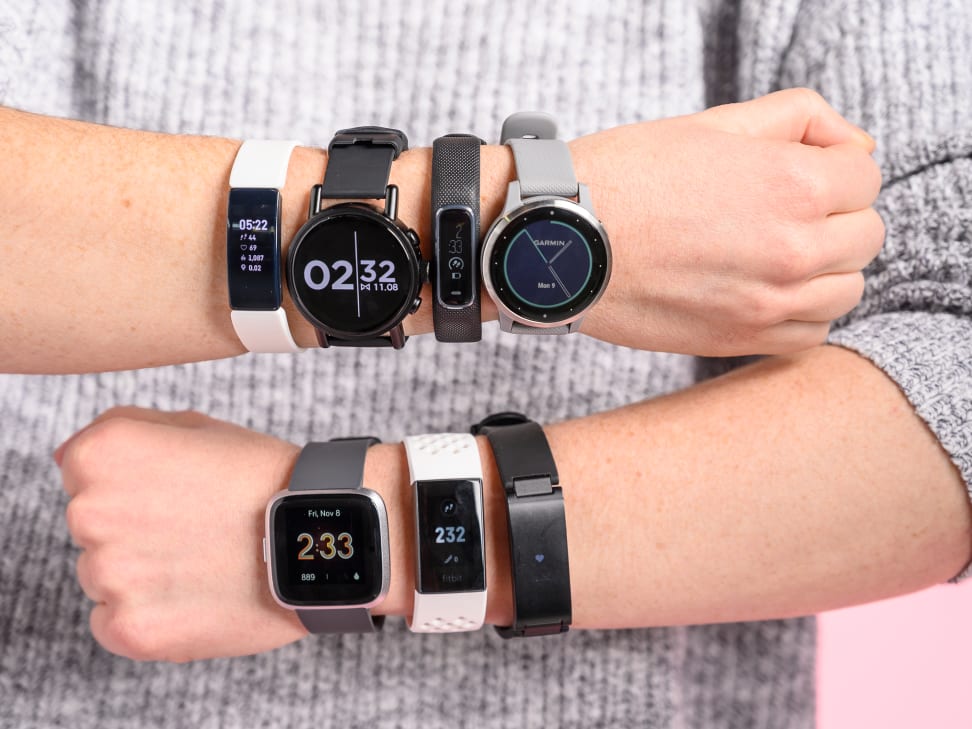
Staying active and healthy is important at any age, but for seniors, it can be a life-changer. As technology evolves, many older adults are turning to fitness trackers—small wearable devices that track steps, heart rate, sleep, and more. But are these gadgets really good for seniors? Or are they just another tech fad that adds confusion? This article explores the real impact of fitness trackers on seniors’ health and daily life. We’ll look at benefits, risks, common concerns, and practical advice so you can decide if a fitness tracker makes sense for you or a loved one.
Why Seniors Are Interested In Fitness Trackers
Older adults today are living longer and want to stay independent. They know that physical activity helps prevent disease and keeps the body strong. But motivation can be hard, especially if you live alone or have health worries. Fitness trackers promise simple ways to set goals, measure progress, and get reminders to move. For many seniors, these devices feel like a personal coach on their wrist.
The numbers show a growing trend: a 2023 survey found that over 30% of adults aged 60+ in the US have used a fitness tracker or smartwatch. This is a big jump from just a few years ago. Seniors report using trackers for walking, monitoring heart health, and keeping an eye on sleep.
How Fitness Trackers Work
Fitness trackers are small, wearable devices—usually worn on the wrist like a watch. They use sensors to collect data about your body and movements. Most trackers connect to a smartphone or computer, where you can see your activity history and health trends.
Typical features include:
- Step counting: Counts how many steps you take each day.
- Heart rate monitoring: Checks your pulse during rest and activity.
- Sleep tracking: Estimates how long and how well you sleep.
- Calorie burn: Calculates how many calories you use.
- Reminders to move: Alerts you if you’ve been sitting too long.
- Emergency alerts: Some devices can detect falls and call for help.
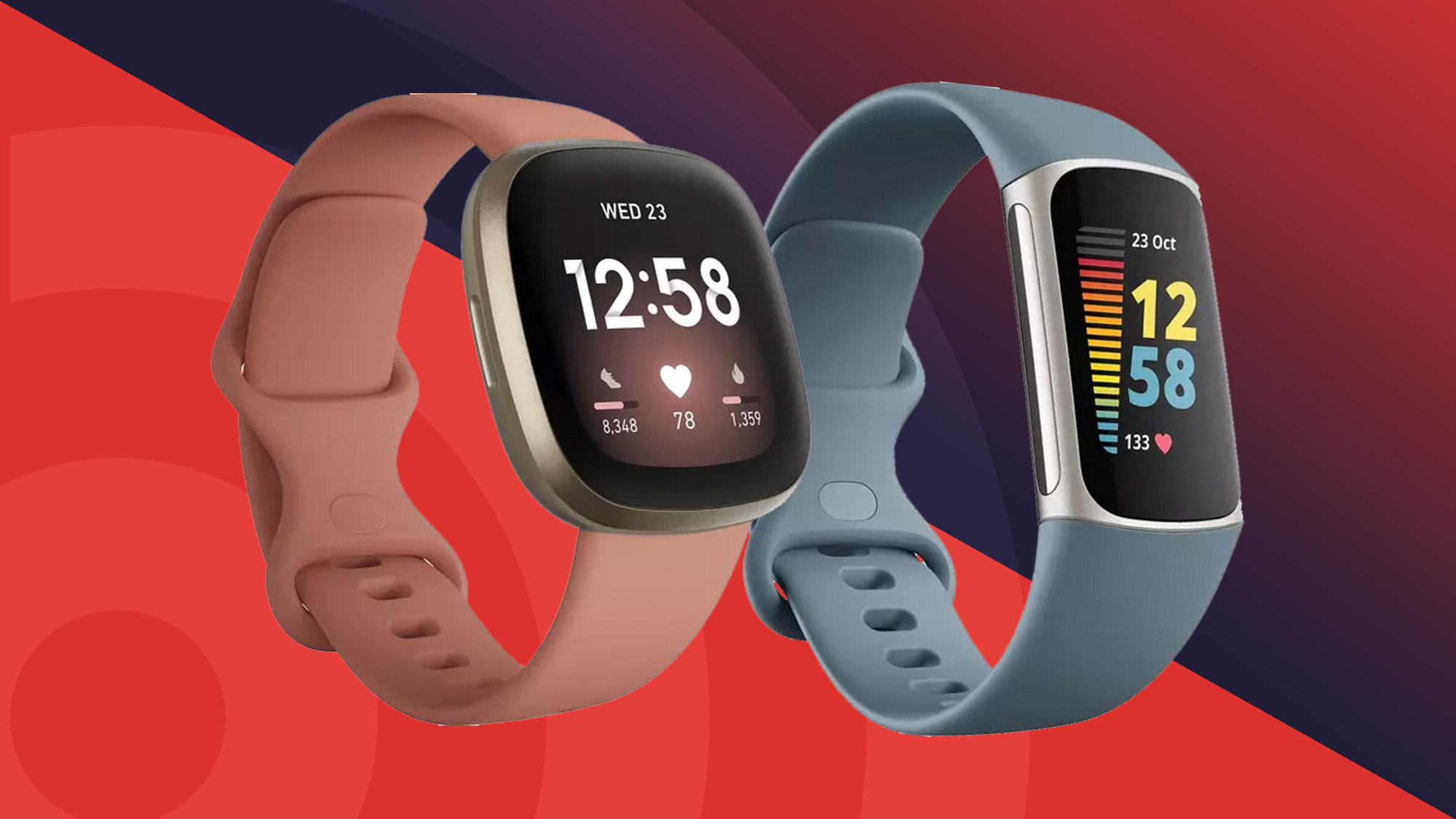
Some models also offer GPS tracking, blood oxygen monitoring, and even ECG (electrocardiogram) features.
The Benefits Of Fitness Trackers For Seniors
Fitness trackers are more than just step counters. For seniors, they can provide real, practical support in several areas.
1. Increased Activity And Motivation
Many seniors struggle to stay active, especially after retirement. A fitness tracker gives gentle reminders and rewards, like daily step goals or “move” alerts. Studies show that people who use trackers often walk more—sometimes 2,000 extra steps per day.
For example, a study published in the Journal of Aging and Physical Activity found that seniors who used fitness trackers increased their daily steps by 15% on average. This small change can lower the risk of heart disease, diabetes, and other conditions.
2. Monitoring Heart Health
Heart problems are common in older adults. Many fitness trackers now include heart rate sensors that check your pulse throughout the day. Some even alert you if your heart rate is unusually high or low. This early warning can help you talk to your doctor about possible issues before they become serious.
Some advanced trackers can do basic ECG readings. While these are not as accurate as hospital tests, they can still catch irregular heartbeats, such as atrial fibrillation, which is a risk for stroke.
3. Improved Sleep Awareness
Sleep problems, like insomnia or waking up often, increase with age. Sleep tracking features can show patterns—such as how long you spend in light, deep, and REM sleep. Seeing these trends helps seniors make changes, like going to bed earlier or limiting caffeine.
Research from the National Sleep Foundation suggests that sleep tracking encourages better sleep habits, especially when combined with advice from a doctor.
4. Safety Features: Fall Detection And Emergency Alerts
Falls are a top concern for seniors. Some fitness trackers (like the Apple Watch or Fitbit Sense) include fall detection. If you fall and don’t get up, the device can automatically call a family member or emergency services. This gives peace of mind, especially for those who live alone.
5. Tracking Progress And Setting Goals
It’s easy to lose track of improvement, especially if changes are small. Fitness trackers log your activity over weeks or months. You can see your progress, set new goals, and share achievements with friends or family. This visual feedback keeps motivation high.
6. Social Engagement And Support
Some fitness trackers allow you to connect with friends, join challenges, or share results. For seniors, this can mean more social interaction, which is linked to better mental health. Even a simple “well done!” message can make a big difference.
7. Medication And Appointment Reminders
Certain trackers allow you to set reminders for medications or doctor visits. This helps seniors who sometimes forget pills or appointments, supporting independence and better self-care.
Common Concerns And Drawbacks
Fitness trackers have many benefits, but they’re not perfect. Seniors should be aware of the possible downsides.
1. Technology Learning Curve
Not all seniors are comfortable with smartphones or apps. Some find setup or daily use confusing, especially if the tracker has many features. Small screens and tiny buttons can be hard to read or press. Simple models are often best for beginners.
2. Accuracy Limitations
While fitness trackers have improved, they are not as accurate as medical-grade devices. For example:
- Step counts can be off if you use a walker or cane.
- Heart rate readings may be less reliable for people with irregular heartbeats or certain skin types.
- Sleep tracking is an estimate, not a medical test.
Trackers should not replace doctor visits or professional devices.
3. Privacy And Data Security
Fitness trackers collect sensitive health information. Some seniors worry about who can see their data, especially if it’s uploaded to the cloud. Before buying, check the company’s privacy policy and only share data with trusted people.
4. Battery Life And Charging
Most fitness trackers need to be charged every few days. Forgetting to charge means lost data and missed alerts. Seniors with memory issues may need help remembering to plug in their device.
5. Cost And Value
Prices range from $30 to over $400, depending on features. Not all seniors need advanced models. It’s important to match the device to your needs and budget.
Popular Fitness Trackers For Seniors: A Quick Comparison
Choosing the right device is key. Here is a comparison of popular fitness trackers for seniors, based on ease of use, features, and price.
| Tracker Model | Key Features | Ease of Use | Price Range (USD) |
|---|---|---|---|
| Fitbit Inspire 3 | Steps, heart rate, sleep, reminders, easy app | Very easy | $80–$100 |
| Apple Watch SE | Heart, ECG, fall detection, SOS, large screen | Moderate | $250–$300 |
| Garmin Vivosmart 5 | Steps, heart, sleep, simple design | Easy | $120–$150 |
| Samsung Galaxy Fit2 | Steps, heart, sleep, bright screen | Easy | $50–$60 |
| Medical Guardian MGMove | Fall detection, GPS, emergency button | Very easy | $200 + monthly fee |
What To Look For In A Fitness Tracker For Seniors
The best fitness tracker is one that fits your needs, skills, and health goals. Here are the most important things to consider:
- Simplicity: Look for a device with a clear display, few buttons, and an easy app. Overly complex trackers can cause frustration.
- Comfort: The tracker should be lightweight and comfortable to wear all day. Adjustable bands help.
- Battery Life: Longer battery means less charging. Some basic models last up to 10 days.
- Health Features: Decide which features you need: step tracking, heart rate, fall detection, reminders, or medication alerts.
- Emergency Support: For seniors living alone or with health risks, fall detection and SOS features are very useful.
- Compatibility: Make sure the tracker works with your smartphone (Android or iPhone).
- Water Resistance: Good if you forget to take it off for a shower or handwashing.
- Price: Don’t pay for features you won’t use. Basic models are often enough.
How Fitness Trackers Can Support Health Goals
Using a fitness tracker is not just about numbers—it’s about building healthier habits. Here are ways seniors can use trackers to reach their health goals:
Setting Realistic Goals
Start small, such as 3,000–5,000 steps per day, and increase as you get stronger. Most trackers let you set and adjust goals easily.
Building Daily Routines
Reminders to move every hour can help prevent stiffness, improve circulation, and boost mood. Over time, these small movements add up.
Monitoring Trends
Use the app to spot changes, like fewer steps or less sleep. If you notice a long-term drop, it may be time to check with your doctor.
Sharing Data With Caregivers
Some trackers let you share your activity or health data with family or caregivers. This can help them support your goals and notice problems early.
Celebrating Milestones
Trackers often reward you for hitting goals. Celebrate these wins, no matter how small—they keep motivation high.
Real-world Examples: Seniors Using Fitness Trackers
To understand the impact, let’s look at a few examples:
- Mary, 74, used a tracker to manage her heart health after surgery. She set a daily step goal, watched her heart rate, and shared results with her nurse. Over six months, she improved her stamina and felt safer knowing she could call for help if needed.
- John, 81, lives alone and worried about falls. His family got him a tracker with fall detection. After a minor fall in his garden, the device alerted his daughter, who quickly checked on him. The extra security gave him and his family peace of mind.
- Rita, 68, struggled to stay active after retiring. She joined a step challenge with her friends using their trackers. The friendly competition made walking fun again, and she lost weight and slept better.
The Science: Do Fitness Trackers Really Help Seniors?
Research suggests that fitness trackers can help older adults become more active and aware of their health. A 2020 review of 27 studies in the journal Geriatrics & Gerontology International found that seniors using activity trackers walked more and sat less, at least in the short term.
However, experts say the key is long-term use. Trackers work best when paired with motivation—like setting goals, joining groups, or getting feedback from family or doctors. Just wearing a device is not enough. Seniors need support and clear guidance to make changes that stick.
Common Problems And How To Solve Them
Even with the best device, some challenges may come up. Here’s how to solve the most common problems:
Issue: Device Is Too Complicated
Solution: Start with a basic model. Ask family or a tech-savvy friend to help with setup. Watch tutorial videos or visit a local senior center for help.
Issue: Forgetting To Wear Or Charge The Device
Solution: Make it part of your daily routine—put on your tracker with your morning clothes and charge it while you bathe or read.
Issue: Frustration With Inaccurate Data
Solution: Remember, the tracker is for trends, not exact numbers. Focus on progress over time, not daily “perfection.”
Issue: Trouble Seeing The Screen
Solution: Choose a tracker with a large, bright display. Some devices have voice features or pair with a phone app for easier reading.
Issue: Privacy Worries
Solution: Review privacy settings carefully. Only share your data with people you trust. Choose brands with strong privacy policies.
Cost Vs. Value: Is A Fitness Tracker Worth It?
The price of fitness trackers varies widely. Some insurance plans or health programs may cover part of the cost if the device is used for medical reasons, such as heart monitoring or fall prevention.
For most seniors, a basic model with step counting, heart rate, and reminders is enough. Spending $50–$100 can bring real benefits for health and independence. High-end models with ECG or advanced medical features are best for those with specific health needs.
Here is a cost and feature comparison for common devices:
| Device | Step Counting | Heart Rate | Fall Detection | Sleep Tracking | Price (USD) |
|---|---|---|---|---|---|
| Fitbit Inspire 3 | Yes | Yes | No | Yes | $80–$100 |
| Apple Watch SE | Yes | Yes | Yes | Yes | $250–$300 |
| Garmin Vivosmart 5 | Yes | Yes | No | Yes | $120–$150 |
| Medical Guardian MGMove | Yes | No | Yes | No | $200 + fee |
Non-obvious Insights For Seniors Considering Fitness Trackers
Most people focus on steps and heart rate, but there are hidden benefits and clever uses for fitness trackers:
- Silent Alarms: Many trackers use a gentle vibration to wake you up or remind you to take medicine. This is less jarring than loud alarms and can help if you share a bedroom.
- Customizable Goals: You don’t have to stick to 10,000 steps. Trackers let you set goals that match your health and energy level—even 2,000 steps a day can make a difference.
- Caregiver Monitoring: Some devices allow remote viewing of activity and health stats, which is useful for adult children who live far away. This can help families spot problems early, like sudden drops in movement.
- Hydration Reminders: A few trackers can remind you to drink water, which is especially helpful for seniors who forget to stay hydrated.
- Integration with Medical Records: Some advanced trackers can send data directly to your doctor or health provider, making checkups easier.
These features are often overlooked but can add real value for seniors with specific needs or health risks.
Tips For Getting Started With A Fitness Tracker
If you’re ready to try a fitness tracker, follow these steps for a smooth start:
- Choose the Right Device: Focus on comfort, clear display, and easy setup.
- Ask for Help: Don’t be shy—family, friends, or your local pharmacy can help set up your device.
- Start Slow: Use the tracker for a few days to get used to it. Don’t worry about hitting goals right away.
- Set Realistic Goals: Talk with your doctor about safe activity levels, especially if you have health conditions.
- Use Reminders: Set up reminders for movement, medication, or appointments.
- Review Your Progress: Check your stats weekly, not daily. Look for improvements, not perfection.
- Stay Social: Join step challenges or share your progress with friends for extra motivation.
When Fitness Trackers May Not Be The Best Choice
While fitness trackers are helpful for many seniors, they aren’t for everyone. Seniors with severe vision loss, arthritis that makes wearing a device uncomfortable, or advanced memory problems may not benefit. In some cases, a simple pedometer or regular check-ins with a caregiver are better choices.
It’s also important to remember that trackers are tools, not cures. They support healthy habits but can’t replace medical advice, social connection, or motivation from within.
Resources And Further Reading
If you want to learn more, the National Institute on Aging and the Centers for Disease Control and Prevention offer excellent guides on exercise and technology for older adults. For the latest research on wearable health devices, visit NIH Research Matters.
Frequently Asked Questions
Do Fitness Trackers Work For People Who Use Walkers Or Canes?
Fitness trackers can still work for those using mobility aids, but step counts may be less accurate. Some devices are better at detecting slow or assisted walking. Try a few models to see which one matches your movement best.
Are Fitness Trackers Safe For Seniors With Pacemakers?
Most fitness trackers are safe, but some with strong magnets or ECG features may interfere with pacemakers. Always check with your doctor before using these devices.
How Private Is My Health Data On A Fitness Tracker?
Privacy policies vary by brand. Most reputable companies use secure encryption, but it’s important to review settings and only share data with trusted people. If privacy is a big concern, choose a brand known for strong security.
Can A Fitness Tracker Detect A Heart Attack Or Stroke?
Fitness trackers can alert you to abnormal heart rates or rhythms, but they cannot diagnose heart attacks or strokes. Always seek medical attention if you have symptoms like chest pain or sudden weakness.
What Should I Do If I Lose Or Break My Fitness Tracker?
Most devices back up data to the cloud or your phone, so you won’t lose your progress. Contact the manufacturer for replacement options or see if your warranty covers accidental damage.
Staying active and healthy is possible at any age, and fitness trackers can be a helpful tool for many seniors. By understanding their benefits and limits, you can use these devices to support your health, independence, and quality of life.