
Are Fitness Trackers Good For Kids?
The sight of a bright-colored band on a child’s wrist is becoming common. Fitness trackers, once only for adults, are now entering the world of children. Parents want their kids to be healthy, active, and safe—goals that these devices promise to support.
But are fitness trackers really good for kids, or do they bring new risks and challenges?
Today’s families are busy, and many children spend hours in front of screens. According to the World Health Organization, over 80% of children aged 11–17 are not active enough. Because of this, many parents are searching for practical ways to encourage healthy habits. Fitness trackers seem to offer a simple answer: count steps, cheer achievements, and track sleep. But the reality is more complex.
Let’s take a close look at the benefits, downsides, and important questions. This article will help you understand if a fitness tracker is right for your child—and what you must consider before buying one.
What Are Fitness Trackers For Kids?
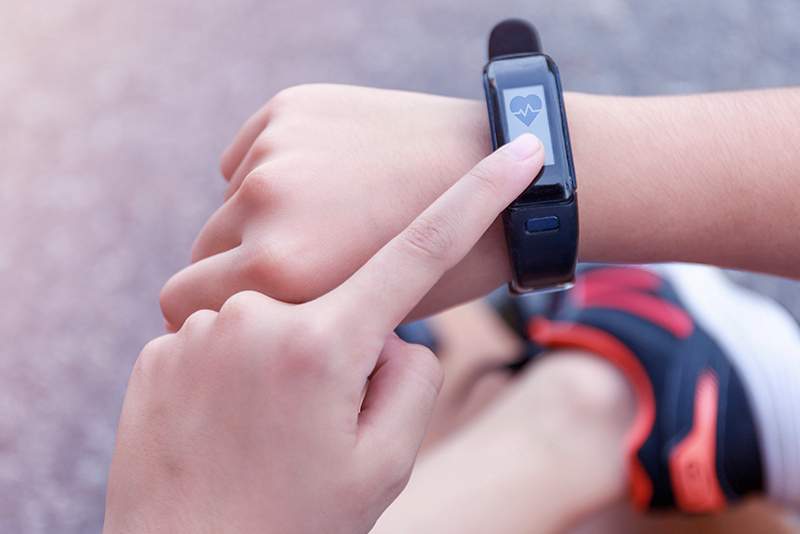
Fitness trackers are small electronic devices worn on the wrist, like a watch. They use sensors to measure steps, movement, heart rate, and sometimes even sleep quality. Many models for kids have fun designs, games, and friendly reminders. Some are very simple, just counting steps; others can track swimming, cycling, or offer GPS tracking for parents.
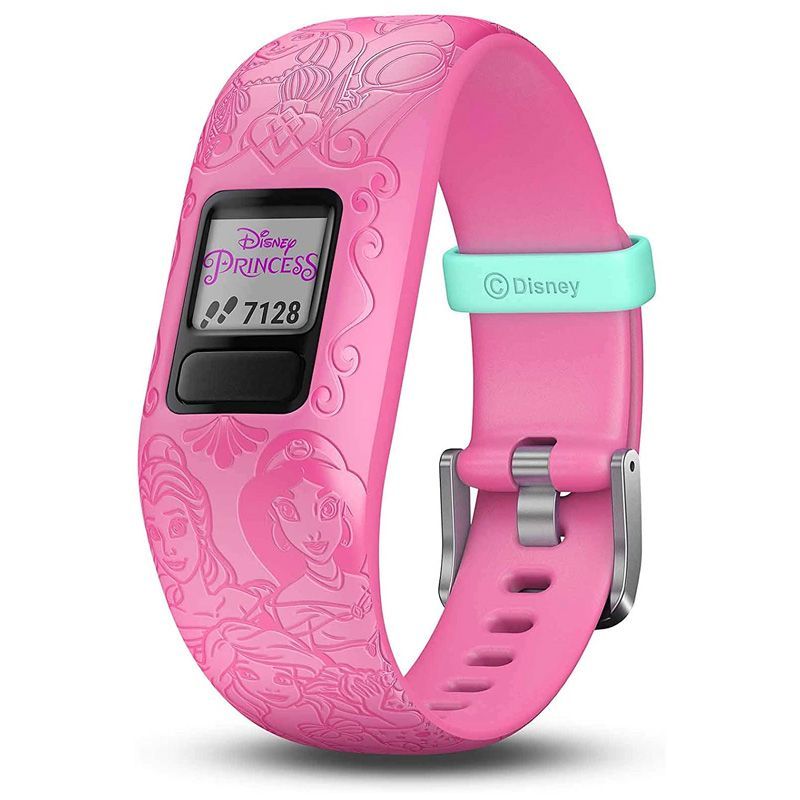
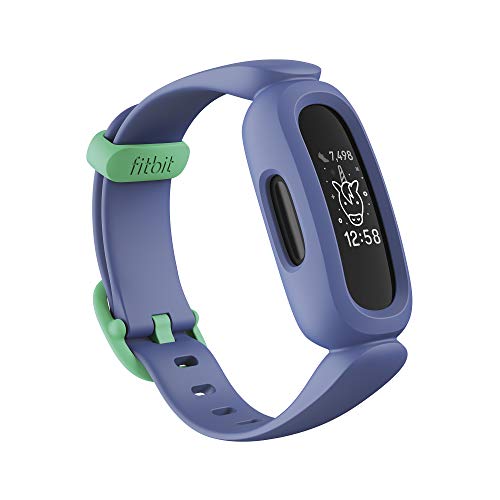
For children, these trackers are often paired with a phone app. Parents can view their child’s activity and sometimes set goals or send rewards. The most popular brands include Fitbit Ace, Garmin Vivofit Jr., and Xiaomi Mi Band for kids.
The Benefits Of Fitness Trackers For Kids
1. Encouraging More Physical Activity
One of the strongest reasons parents buy fitness trackers is to motivate kids to move more. With a daily step goal—say, 10,000 steps—children can see their progress in real time. This small encouragement often leads to more walking, running, or playing.
For example, a 2021 study showed that children using fitness trackers increased their daily steps by about 1,500 steps compared to those without a tracker. These extra steps can add up to 15–20 more minutes of activity each day, which is a meaningful improvement.
2. Building Healthy Habits Early
Habits formed during childhood can last a lifetime. Fitness trackers help children learn about goal-setting and self-monitoring—skills that can be useful for maintaining a healthy lifestyle as they grow older.
Some devices reward kids with badges or digital celebrations for reaching milestones. This positive feedback makes exercise feel like a game, not a chore. Over time, kids learn to connect movement with fun and achievement.
3. Family Involvement And Social Connection
Many trackers allow families to join challenges together. Parents and children can compete to see who takes the most steps or stays active the longest. This builds family bonding and helps parents model healthy behavior.
Some devices also support friend challenges. For example, children can share their step counts with close friends and celebrate each other’s wins. This adds a social element that can make exercise more enjoyable.
4. Tracking Sleep Patterns
Many children do not get enough sleep, which affects school performance and mood. Fitness trackers with sleep monitoring can help parents see how long—and how well—their child is sleeping.
If a tracker shows a child is waking up often or getting less sleep than needed, parents can take action. They might adjust bedtime routines or look for problems like too much screen time before bed.
5. Teaching Responsibility And Awareness
Wearing a tracker and meeting goals can help children feel more responsible for their own health. They learn that their choices—like walking to school or playing outside—affect their daily numbers.
Some kids become more aware of when they are sitting too long, or when they need to get up and move. This awareness can help fight unhealthy habits, like too much screen time or snacking.
6. Safety Features
Certain fitness trackers come with GPS or location tracking. Parents can check where their child is, which can offer peace of mind, especially for younger children walking to school or playing in the neighborhood.
Some models let children send a quick “help” signal to their parents if they feel unsafe. While this is not a replacement for careful supervision, it adds an extra layer of safety.
7. Making Activity Fun
The best fitness trackers for kids use games, challenges, and rewards to make movement exciting. For example, a tracker might unlock a new cartoon character after 5 days of meeting the step goal, or give a virtual trophy for a week of good sleep.
This element of fun is key. Kids are much more likely to stick with healthy habits when they enjoy the process.
8. Supporting Children With Health Conditions
For children with health conditions—such as asthma, diabetes, or obesity—fitness trackers can be a helpful tool for monitoring activity and understanding limits. Parents and doctors can use the data to adjust exercise plans or spot warning signs early.
Some trackers can even remind children to take medicine or do breathing exercises, which can improve daily management of their condition.
Potential Downsides And Risks
While fitness trackers have many strengths, there are important downsides to think about. Not every child will benefit in the same way, and some risks may surprise parents.
1. Obsession With Numbers
Some kids become too focused on numbers. They may worry if they don’t meet their step goal or feel bad for missing a day. This can lead to unhealthy competition, stress, or even exercise obsession.
Younger children, especially, might not understand that some days are less active, and that’s normal. Parents need to help children keep a healthy perspective.
2. Privacy And Data Concerns
Fitness trackers collect a lot of personal data: location, movement, and sometimes even heart rate. Parents should check what data is stored, who can see it, and how it is protected.
In 2022, several fitness tracker brands for kids were criticized for weak privacy policies. Some collected more data than needed or shared information with third parties. Always read the privacy policy and pick brands with strong data protection.
3. Overreliance On Technology
If kids always need a device to motivate them, they may lose interest in activity when the tracker is off or lost. The real goal is for children to enjoy movement for its own sake—not just for a number on a screen.
Parents should balance tracker use with encouragement and real-life fun, like playing outdoors or joining sports.
4. Screen Time And Distraction
Some fitness trackers include games or apps. While these can motivate, they may also add to screen time. Instead of running outside, some kids might focus on tapping buttons or checking stats again and again.
It’s important to choose simple trackers for young children and set clear rules for how and when to use extra features.
5. Battery Life And Durability
Kids can be rough on devices. Fitness trackers must survive bumps, drops, and sometimes water. Not all models are equally durable, and some need charging every few days.
If a tracker runs out of power or breaks easily, it may not be worth the investment. Look for waterproof and shockproof models, and check real-life reviews from other parents.
6. Costs And Hidden Fees
Fitness trackers for kids range from $30 to over $100. Some require a monthly subscription for advanced features or parental controls. Before buying, consider the total cost—not just the price tag.
If the tracker needs a smartphone to set up, make sure your family has a compatible device.
7. Limited Usefulness For Very Young Kids
Children under age 6 may not understand step goals or enjoy the feedback from a tracker. For them, free play and parent-led activities are often better than counting steps or tracking stats.
Comparing Fitness Trackers For Kids
Choosing a tracker is not simple. Some models focus on fun, while others offer more serious features like GPS or heart rate monitoring. Here’s a quick look at three popular options.
| Tracker | Age Range | Main Features | Battery Life | Waterproof | Price (USD) |
|---|---|---|---|---|---|
| Fitbit Ace 3 | 6–12 years | Steps, sleep, reminders, rewards | Up to 8 days | Yes | $60–$80 |
| Garmin Vivofit Jr. 3 | 4–10 years | Steps, activity, games, chores tracker | Up to 1 year (replaceable battery) | Yes | $70–$90 |
| Xiaomi Mi Band 7 | 8+ years | Steps, heart rate, sleep, notifications | 14 days | Yes | $45–$60 |
As you can see, models differ in battery life, features, and cost. For younger children, simplicity and durability matter most. For older kids, extra features like heart rate or notifications may be useful.
What Do Doctors And Experts Say?
Healthcare professionals are generally positive about fitness trackers—when used wisely. The American Academy of Pediatrics suggests that trackers can help increase activity, but only if parents set a good example and keep conversations positive.
Dr. Susan Fish, a pediatrician, says: “Fitness trackers can motivate, but they should never be used to shame or pressure a child.” Experts caution against daily comparisons or punishments based on tracker data.
A 2023 review found that children using trackers with family support and fun challenges saw the best results. Trackers alone, without parental involvement, were less effective.
How To Choose The Right Tracker For Your Child
Choosing the best fitness tracker depends on your child’s age, needs, and personality. Here are some key factors:
- Age Appropriateness: Not all trackers are designed for young children. Look for models with simple displays and easy buttons for ages 5–8.
- Features: Decide which features matter most. Do you want step counting, sleep tracking, or GPS? For most children, steps and sleep are enough.
- Durability: Kids drop, splash, and bang their devices. Choose a waterproof, rugged design.
- Battery Life: Long battery life means less charging and fewer complaints.
- Privacy Controls: Check what data is collected and how it is shared. Pick brands with clear privacy policies.
- Parent Controls: Some trackers let parents set goals or approve friend requests. This can help keep kids safe online.
- Price and Extra Costs: Consider both the up-front price and any subscriptions or app fees.
Here’s a quick comparison of important features by age group:
| Age Group | Recommended Features | Parental Controls | Fun Factor |
|---|---|---|---|
| 5–7 years | Steps, rewards, simple display | Very important | High |
| 8–10 years | Steps, sleep, basic games | Important | Medium–High |
| 11–13 years | Steps, sleep, heart rate, notifications | Moderate | Medium |
Real-life Stories: Successes And Challenges
Fitness trackers have helped many families build better habits. For example, the Harris family in Texas started a daily step challenge. By the end of the month, all three children were walking 2,000 more steps per day. Their mother, Lisa, says, “It turned exercise into a family game.
We laugh and cheer each other on. ”
However, not all stories are positive. Eight-year-old Sam became upset when he missed his goal for two days in a row. His parents had to remind him that rest days are healthy and that numbers are just a guide—not a rule.
These stories show the importance of parent involvement and open conversation. Trackers work best when used as a tool, not a judge.
Practical Tips For Parents
If you are considering a fitness tracker for your child, here are some tips to get the most benefit—and avoid common mistakes:
- Set Realistic Goals: Adjust step counts and targets based on your child’s age and ability. For younger children, 6,000–8,000 steps may be enough.
- Focus on Fun and Health, Not Perfection: Celebrate effort and improvement, not just the final number.
- Balance Tracker Use with Free Play: Encourage unstructured outdoor play and sports, not just step counting.
- Protect Privacy: Use strong passwords, update apps, and turn off location sharing when not needed.
- Teach Device Care: Show your child how to charge, clean, and care for their tracker.
- Keep Conversations Positive: Ask your child how they feel, not just what the tracker says.
- Review Data Together: Use the tracker as a way to talk about healthy habits and sleep, not as a reason for blame.
Are There Better Alternatives?
Fitness trackers are just one tool. Many children stay active without any device. Here are some other ways to support your child’s health:
- Family walks or bike rides
- Joining a sports team or club
- Outdoor games and free play
- Setting screen-free times
For some families, simple routines work better than technology. The goal is always the same: help your child enjoy being active and healthy.
The Future Of Fitness Trackers For Kids
Technology is moving fast. New trackers are adding features like blood oxygen monitoring and stress tracking. Some experts worry that too much tracking could make children anxious or too focused on health data.
At the same time, smart design and better privacy controls are making trackers safer and more useful. Future models may offer even more personalized advice and positive feedback.
For now, it’s important to remember that balance is the key. Trackers can be part of a healthy childhood, but they should never take the place of family support, fun, and real-world play.
Frequently Asked Questions
How Old Should A Child Be To Use A Fitness Tracker?
Most experts recommend fitness trackers for children aged 6 and up. At this age, kids can understand step goals and enjoy rewards. For younger children, active play and family involvement work better.
Do Fitness Trackers Help Kids Lose Weight?
Trackers can motivate children to move more, which can help with weight management. However, they are not a magic solution. A healthy diet, family support, and regular activity matter most.
Are Fitness Trackers Safe For Kids’ Privacy?
Most major brands follow privacy laws, but some have weak protections. Always check the privacy policy, turn off unnecessary sharing, and use parental controls. For more on child privacy, see Children’s Online Privacy Protection Act.
Can A Fitness Tracker Help My Child Sleep Better?
Trackers with sleep monitoring can show how long and well your child sleeps. This can help you spot problems and adjust routines. But the tracker itself does not improve sleep—habits do.
What Should I Do If My Child Becomes Obsessed With Their Tracker?
If your child is anxious about missing goals, take a break from the device. Remind them that fitness is about feeling good, not just numbers. Encourage variety and fun in activity, and talk openly about healthy habits.
Final Thoughts
Fitness trackers can be a helpful tool for encouraging activity, building healthy habits, and even tracking sleep. For many families, these devices make exercise fun and give parents useful information. But they are not right for every child, and there are real risks—especially around privacy, obsession, and overuse.
The best results come when parents stay involved, keep the focus on fun and health, and use trackers as a guide—not as the boss. Technology can support healthy living, but nothing replaces family time, encouragement, and play. If you decide to try a fitness tracker, choose wisely, set clear rules, and enjoy the journey together.

