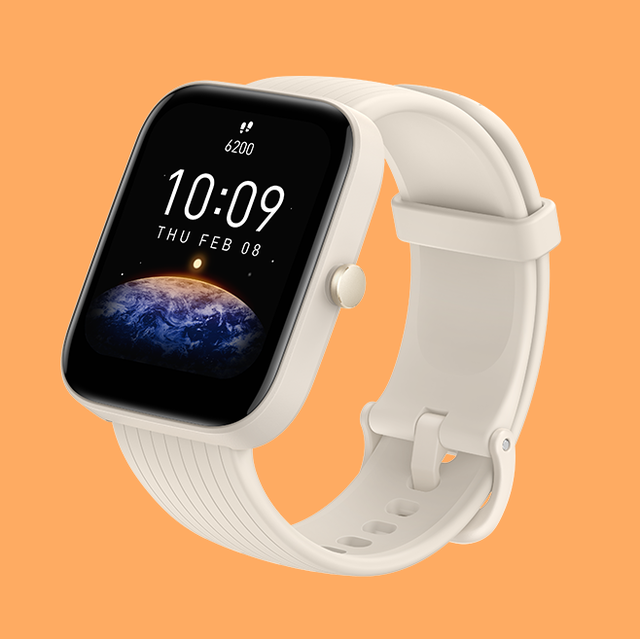
Starting a fitness journey can feel confusing. You might wonder which tools will help, and which are just hype. One of the most popular gadgets today is the fitness tracker. These small devices promise to count your steps, measure your heart rate, and sometimes even track your sleep. But are fitness trackers really good for beginners? Or do they add more confusion? This article will guide you through the facts, benefits, and drawbacks of fitness trackers for those just starting out. You will learn how these devices work, what they can and cannot do, and how to decide if they are right for you.
What Are Fitness Trackers?
Fitness trackers are wearable devices designed to monitor different aspects of your physical activity and sometimes your health. Most look like a simple wristband or watch. They often connect to your phone or computer, so you can see your data and progress.
Key Features
Most fitness trackers offer some or all of these features:
- Step counting: Tracks the number of steps you take each day.
- Distance tracking: Measures how far you walk or run.
- Heart rate monitoring: Checks your heart rate during rest and activity.
- Sleep tracking: Monitors your sleep patterns.
- Calories burned: Estimates how many calories you use.
- Exercise detection: Records specific exercises such as running, biking, or swimming.
Some advanced models add features like GPS, blood oxygen levels, or even ECG readings.
How Do Fitness Trackers Work?
Fitness trackers use sensors to collect data from your body and movements. The most common sensor is an accelerometer. It detects movement and counts steps. Other sensors, like heart rate monitors, use light to measure blood flow in your wrist. The device then uses algorithms to turn this raw data into readable numbers.
Most trackers sync with a mobile app. This app stores your data and shows you trends over time. You can set goals, get reminders, and sometimes connect with friends for motivation.
The Benefits Of Fitness Trackers For Beginners
If you’re new to exercise, you might wonder if a fitness tracker is worth it. Here are some reasons why they can be useful for beginners:
1. Motivation To Move
One of the biggest challenges when starting a fitness habit is staying motivated. Fitness trackers use daily step goals and reminders to keep you moving. Seeing your progress in real-time can be encouraging.
A 2022 study in the journal *Lancet Digital Health* found that people using fitness trackers took an average of 1,800 more steps per day compared to those who did not use them. This extra activity adds up over weeks and months.
2. Awareness Of Your Habits
Many beginners overestimate how active they really are. A fitness tracker gives you a true picture of your daily movement. You might think you walk a lot, but the numbers may surprise you. This awareness helps you set realistic goals.
3. Goal Setting And Progress Tracking
Fitness trackers make it easy to set and track goals, such as:
- 10,000 steps per day
- 30 minutes of activity
- Burning a certain number of calories
You can see your progress in the app and celebrate small wins. This keeps you focused and helps you build good habits.
4. Personalized Feedback
Some trackers give real-time feedback. If you are sitting too long, they remind you to move. If your heart rate is too high, they may suggest you slow down. This kind of feedback is helpful when you’re learning what works for your body.
5. Simple Data, Easy To Understand
Most fitness trackers present data in a simple, visual way. You don’t need to be a tech expert. Charts and graphs show your daily and weekly activity, making it easy to spot trends and areas for improvement.
6. Support For Building Routines
Fitness trackers often have features like habit reminders or challenge modes. They might prompt you to walk every hour or join a step challenge with friends. This helps beginners stick to a routine, which is key for long-term success.
Potential Drawbacks For Beginners
Fitness trackers are not perfect. Before you buy one, it’s important to know their limits and possible downsides.
1. Data Overload
For some people, seeing too much data can feel overwhelming. Instead of helping, it might make you anxious or discouraged if you don’t meet your goals every day.
2. Inaccurate Readings
No tracker is 100% accurate. Step counts, calorie estimates, and even heart rate readings can be off, especially with cheaper models. Beginners might trust the numbers too much and get frustrated by small mistakes.
3. Focus On Numbers Instead Of Enjoyment
Some people become so focused on hitting numbers (like 10,000 steps) that they forget to enjoy being active. Fitness should be fun, not just about reaching a target.
4. Can Become Addictive
A few beginners find themselves constantly checking their tracker, feeling guilty if they miss a goal. This obsession can take the joy out of movement.
5. Battery Life And Device Issues
Most fitness trackers need to be charged every few days. If you forget to charge it, you can miss tracking important data. Also, some devices can break or lose sync with the app, which can be frustrating for new users.
6. Cost Concerns
Fitness trackers can range from $20 to over $300. Not all beginners want to invest in a device before knowing if they’ll enjoy regular exercise.
What Features Matter Most For Beginners?
With so many options, it’s easy to get lost in the details. Here are the features that really matter if you’re just starting:
- Step counting: The most basic and useful feature.
- Battery life: Look for at least 5 days between charges.
- Comfort: You’ll wear it daily, so it should feel good on your wrist.
- Simple app: Easy-to-read data and no confusing menus.
- Water resistance: Handy if you sweat or get caught in the rain.
- Budget: Choose something affordable to start.
Features like GPS, advanced heart monitoring, or smart notifications are nice, but not essential for beginners.
Fitness Trackers Vs. Smartphones: Do You Need Both?
Many modern smartphones already have built-in step counters. Apps like Google Fit or Apple Health use the phone’s sensors to track steps and even some exercise activities.
Here’s a comparison to help you decide if a fitness tracker offers more than your phone:
| Feature | Fitness Tracker | Smartphone |
|---|---|---|
| Step Counting | Very accurate, worn all day | Good, but only counts when phone is with you |
| Heart Rate | Yes, in most models | No (except some with external sensors) |
| Sleep Tracking | Yes, worn overnight | No |
| Exercise Recognition | Automatic detection in many models | Manual input needed |
| Motivation Reminders | Yes, with vibrations | App notifications only |
If you always carry your phone and only care about steps, you might not need a tracker at first. But for more details (like heart rate or sleep), or if you want to leave your phone at home, a fitness tracker is more convenient.
Are Fitness Trackers Accurate Enough For Beginners?
For most beginners, fitness trackers are “accurate enough. ” Step counts are usually within 5-10% of the real number. Heart rate readings are decent, especially during rest or walking. Calorie burn estimates are less reliable because they depend on your age, weight, height, and fitness level.
For example:
- Step counting: Most trackers miss a few steps or count extra when you move your arm, but over a day, the error is small.
- Heart rate: Good for casual tracking, but not as precise as medical devices.
- Calories burned: Can vary by 20-30% compared to laboratory tests.
For a beginner, the exact number is less important than the overall trend. If your tracker says you walked 7,000 steps today and 8,000 tomorrow, you know you were more active—even if the real numbers are a bit different.
Non-obvious Insights Beginners Often Miss
Many new users miss these important points:
1. Movement Matters, Not Just Steps
Fitness trackers focus on steps, but other types of movement count, too. Cycling, swimming, strength training, and even playing with your kids help your health. Some trackers let you log these activities manually. Don’t feel bad if your step count is low but you were active in other ways.
2. Data Is A Tool, Not A Judgment
Your tracker is there to help, not to make you feel guilty. If you miss a goal, use it as information, not a reason to give up. Focus on progress, not perfection.
Real-life Examples: How Fitness Trackers Help Beginners
Let’s look at how real beginners use fitness trackers to improve their health.
Case Study 1: Walking More At Work
Sarah works at a desk all day. She thought she was active until her new tracker showed only 3,000 steps per day. She set a goal for 6,000 steps. Using reminders, she started walking during breaks and parking farther from the office.
After two months, she averaged 7,500 steps and felt more energetic.
Case Study 2: Building A Sleep Routine
James struggled with poor sleep. His tracker showed he only slept 5 hours most nights. He used the sleep data to set a bedtime reminder and track habits like reading before bed. After a few weeks, he was sleeping 7 hours and waking up refreshed.
Case Study 3: Starting With Small Goals
Li wanted to lose weight but didn’t know where to start. She set a goal of 4,000 steps a day, increasing by 500 each week. The tracker’s graphs showed her steady progress, which motivated her to keep going.
These stories show that small changes tracked over time can make a big difference.
Choosing The Right Fitness Tracker As A Beginner
If you decide to buy a fitness tracker, here’s how to choose one:
1. Set Your Budget
You don’t need the most expensive model. Many good trackers cost between $30 and $100. Higher-priced models add features you might not need at first.
2. Pick Essential Features
Focus on:
- Step and activity tracking
- Comfortable design
- Long battery life
- Easy-to-use app
3. Check Compatibility
Make sure the tracker works with your phone (Android or iOS). Some trackers only work with certain apps or devices.
4. Read Reviews
Look for honest reviews from other beginners. Pay attention to comments about ease of use and reliability.
5. Try Before You Buy
If possible, try on the tracker in a store. Comfort matters, especially if you’ll wear it all day and night.
6. Start Simple
Don’t feel pressured to buy a tracker with all the latest tech. Start simple and upgrade later if you want more features.
How To Get The Most From Your Fitness Tracker
A fitness tracker is only helpful if you use it well. Here are some tips for beginners:
- Set realistic goals. Start with easy targets and increase them slowly.
- Wear it every day. Consistency is key for good data.
- Sync your data regularly. This helps you see progress over time.
- Use reminders. Let the tracker nudge you to move or sleep.
- Celebrate small wins. Even small improvements are worth noticing.
- Don’t compare yourself to others. Everyone starts at a different level.
Comparing Popular Fitness Trackers For Beginners
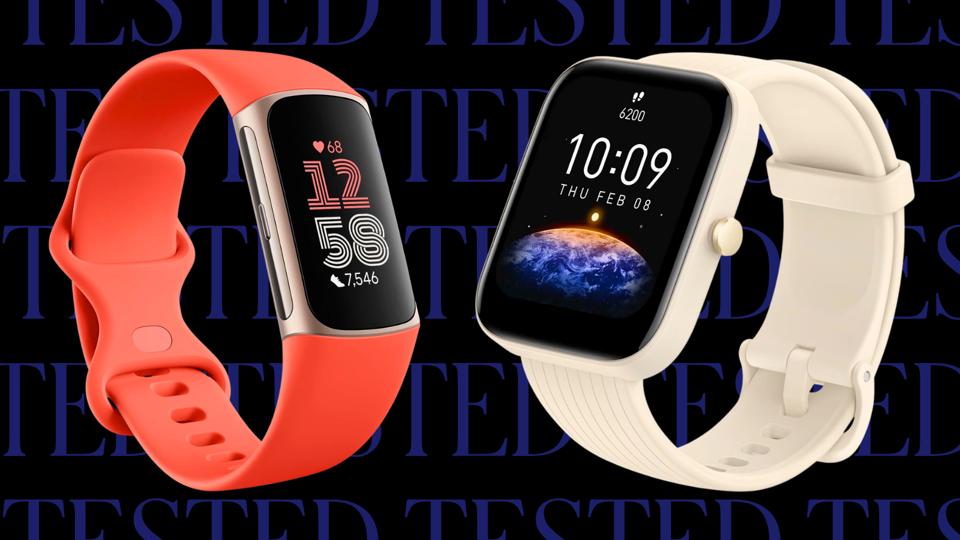
To help you choose, here’s a simple comparison of three popular entry-level fitness trackers:
| Device | Price | Battery Life | Key Features | Beginner-Friendly? |
|---|---|---|---|---|
| Fitbit Inspire 3 | $99 | 10 days | Steps, heart rate, sleep, app reminders | Yes |
| Xiaomi Mi Band 7 | $50 | 14 days | Steps, heart rate, sleep, long battery | Yes |
| Amazfit Bip U | $60 | 9 days | Steps, heart rate, SpO2, sleep | Yes |
All three are easy to use, comfortable, and have the main features beginners need.
Fitness Tracker Myths And Misunderstandings
Myth 1: You Need 10,000 Steps A Day
The “10,000 steps” goal is popular, but it started as a marketing idea in Japan. Research shows that even 7,000 steps per day can lower health risks for beginners. Start with a number that feels doable for you.
Myth 2: Fitness Trackers Guarantee Weight Loss
A tracker can help you move more, but weight loss depends on many factors: diet, genetics, sleep, and more. Use your tracker as one part of your health plan.
Myth 3: The More Expensive, The Better
Many affordable trackers work just as well for beginners as expensive ones. Focus on comfort and key features, not price.
When A Fitness Tracker May Not Be The Best Choice
There are situations where a fitness tracker might not be helpful:
- If you dislike wearing devices on your wrist
- If you only want to track steps and your phone already does this well
- If numbers stress you out or make you anxious
- If you prefer group classes or sports where trackers don’t add much value
Remember, fitness trackers are a tool, not a requirement for good health.
Expert Advice: Making The Most Of Technology
Health experts agree that technology should support your goals, not control them. If you find that a tracker motivates you, helps you notice progress, or keeps you accountable, it’s a good investment. If it adds stress or confusion, it’s okay to skip it.
A study from the American Heart Association noted that people using fitness trackers were more likely to meet physical activity guidelines, but only if they set realistic goals and used the feedback positively (American Heart Association).
Frequently Asked Questions
How Accurate Are Fitness Trackers For Steps And Calories?
Fitness trackers are generally accurate for step counting (within 5-10%), especially when worn on the wrist. Calorie estimates can vary more because they depend on your personal data and the device’s algorithms. For beginners, trends over time are more important than perfect numbers.
Can I Use A Fitness Tracker Without A Smartphone?
Most fitness trackers work best with a smartphone to sync and display data. Some can show basic info on the device itself, but you’ll get more from the experience with the app.
What If I Forget To Wear My Fitness Tracker?
Missing a day or two is not a big problem. Just start wearing it again as soon as you remember. Consistency over weeks and months is what matters most.
Are Fitness Trackers Safe To Wear All Day And Night?
Fitness trackers are safe for most people. They use very low-power sensors and Bluetooth. If you have skin irritation, try cleaning the band regularly or switching wrists.
Can A Fitness Tracker Help If I’m Not Interested In Running Or Gym Workouts?
Absolutely. Fitness trackers work for many types of activity, like walking, cycling, or even gardening. Their main benefit is helping you move more and build healthy habits, not just track workouts.
Final Thoughts
So, are fitness trackers good for beginners? For most people, the answer is yes. They offer a simple way to monitor your activity, set goals, and stay motivated. They are not perfect, and you don’t need one to get healthy, but they can make starting your fitness journey easier and more fun. If you choose to use one, keep your goals realistic, focus on progress, and remember: the best exercise is the one you enjoy and will stick with.