
Are Dips Bad For Shoulders?
Dips are a classic bodyweight exercise. Many people use them to build strong triceps, chest, and shoulders. But a simple question keeps coming up: Are dips bad for shoulders? You may have heard stories of people hurting their shoulders after doing dips. Maybe you have even felt pain yourself. The truth is, the answer is not simple. For some, dips are safe and effective. For others, they can lead to pain or even injury.
Understanding whether dips are safe for your shoulders is important if you want to train smart and avoid setbacks. In this guide, we will dig deep into the science, the risks, and the benefits of dips. We will also look at ways to make dips safer, how to know if they are right for you, and what to do if you feel shoulder pain.
Let’s explore the full truth about dips and shoulders, so you can make informed decisions and protect your body.
What Happens During A Dip?
A dip may look simple, but it’s a complex movement. To understand the risks and benefits, it helps to know what happens in your body when you do a dip.
When you perform a dip:
- You hold your body on parallel bars (or the edge of a bench)
- Lower yourself by bending your elbows and shoulders
- Go down until your upper arms are parallel to the ground (or lower)
- Push back up to the starting position
During this movement, your shoulders, chest, and triceps work together. The shoulders play a huge role. They must stay stable, control your descent, and push you back up.
Shoulder Position In A Dip
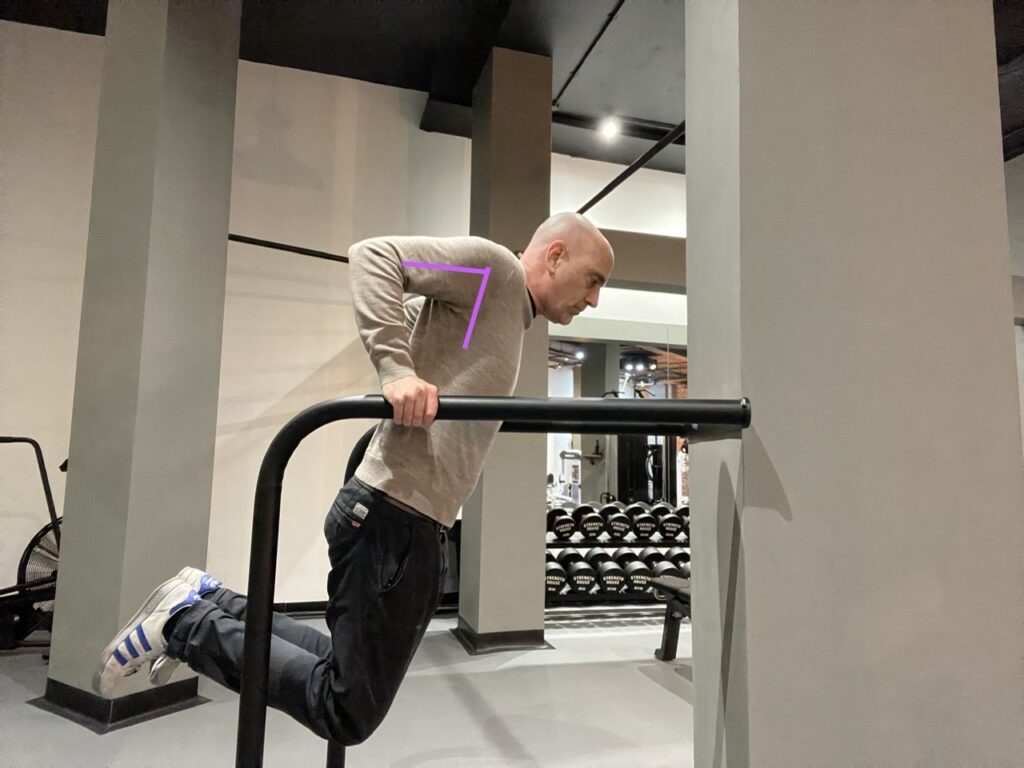
At the bottom of a dip, your shoulders move into extension. This means your upper arms go behind your body. If you go too low, the front of your shoulders (the anterior capsule) is put under a lot of stress. This is where problems can start.
Why Do Some People Hurt Their Shoulders Doing Dips?
Dips are not dangerous for everyone. But some people get pain or even serious injury. Let’s look at the key reasons why.
1. Shoulder Anatomy And Mobility
Everyone’s shoulders are different. Some have very mobile shoulders. Others have tight, stiff joints. If your shoulders are naturally less mobile, dips can push your joints past their safe range. This can lead to pinching, irritation, or tears.
2. Previous Injuries
If you have had a shoulder injury before (like a dislocation, rotator cuff tear, or impingement), dips can make it worse. The movement can stress weak or damaged tissues.
3. Going Too Deep
Many people think “deeper is better. ” But in dips, going too low is risky. The lower you go, the more your shoulder is forced into extension. This can strain the front of the joint and soft tissues.
4. Poor Form And Control
If you rush the movement, use momentum, or let your shoulders roll forward, you lose stability. This makes injury more likely.
5. Lack Of Warm-up
Jumping into heavy dips with cold muscles is a common mistake. Without a warm-up, your shoulders are less prepared for the load.
6. Weak Supporting Muscles
Dips require not just strong triceps, but also strong scapular stabilizers and rotator cuff muscles. If these are weak, your shoulder joint is less protected.
Common Types Of Shoulder Injuries From Dips
Shoulder pain from dips is not all the same. Here are the main injuries that can happen:
Rotator Cuff Strain Or Tear
The rotator cuff is a group of four small muscles and tendons around your shoulder joint. They keep the joint stable. Dips can over-stretch or tear these tendons, especially if you go too deep or use poor form.
Shoulder Impingement
This happens when the tendons or bursa in your shoulder get pinched during movement. In dips, this usually happens if your shoulders roll forward or you lack mobility.
Labrum Tear
The labrum is a ring of cartilage that helps keep your shoulder stable. Dips, especially deep ones, can place stress on the labrum and cause tears.
Anterior Shoulder Capsule Strain
The front part of your shoulder joint capsule can get stretched too far at the bottom of a dip. This can cause pain and instability.
Are Dips Always Bad For Shoulders?
Not everyone gets hurt doing dips. In fact, many people build strong, healthy shoulders with dips. The risk depends on your unique body and how you perform the exercise.
Here are situations where dips are usually safe:
- Healthy shoulders with good mobility and strength
- Controlled form with no bouncing or swinging
- Limited depth (upper arms parallel to floor, not lower)
- Proper warm-up before dipping
But for some people, dips are simply not a good choice. If you have a history of shoulder problems or pain during dips, other exercises may be safer.

The Benefits Of Dips (when Done Safely)
Let’s not forget: dips are effective for building upper body strength. Here’s what you gain if you can do them safely:
- Triceps strength: Dips are one of the best bodyweight moves for triceps.
- Chest development: Leaning forward during dips shifts focus to your chest.
- Shoulder stability: With good form, dips can help build stable, strong shoulders.
- Functional movement: Dips train your body to push yourself up, which is useful in daily life.
Risk Vs. Reward: Should You Do Dips?
This is the big question. The answer depends on several personal factors.
Who Should Be Careful Or Avoid Dips?
- People with shoulder injuries or pain
- Those with poor shoulder mobility
- Beginners with little bodyweight training experience
- Anyone who feels pain in the front of the shoulder during dips
Who Might Benefit From Dips?
- Lifters with healthy, mobile shoulders
- Athletes needing advanced bodyweight strength
- Intermediate to advanced trainees who can control their body well
How To Make Dips Safer For Your Shoulders
If you want to keep dips in your routine, there are ways to lower the risk.
1. Check Your Shoulder Health First
Before trying dips, make sure your shoulders have no pain during daily activities or other pressing exercises (like push-ups).
2. Warm Up Properly
Prepare your shoulders for dips with a good warm-up. This can include:
- Arm circles
- Band pull-aparts
- Scapular push-ups
- Light rotator cuff exercises
3. Use The Right Form
Proper form is your best protection. Here’s what matters most:
- Keep your shoulders back and down (don’t let them roll forward)
- Lower only until your upper arms are parallel to the ground
- Control the movement both up and down
- Don’t bounce or rush
4. Don’t Go Too Deep
Going deep increases risk. Stop when your upper arms are parallel to the ground. Some people need to stop even higher.
5. Start With Bench Dips Or Assisted Dips
If you are new, use a bench or assistance bands to reduce the load and build strength gradually.
6. Strengthen Supporting Muscles
Focus on the muscles that stabilize your shoulder:
- Rotator cuff: External rotations, face pulls
- Scapular stabilizers: Scapular push-ups, wall slides
7. Listen To Your Body
Pain is a warning sign. If you feel pain in the front of your shoulder, stop dips and try a different exercise.
How Dips Compare To Other Upper Body Pressing Exercises
Dips are not the only way to build chest and triceps strength. Here’s a look at how dips compare to push-ups and bench press in terms of shoulder stress and safety.
| Exercise | Shoulder Stress | Chest/Triceps Activation | Beginner Friendly? |
|---|---|---|---|
| Dips | High (especially at bottom) | Very High | No |
| Push-Ups | Low to Medium | Medium | Yes |
| Bench Press | Medium | High | Yes (with light weight) |
As you can see, dips place more stress on the shoulder joint, especially at the bottom. For those with shoulder issues, push-ups or bench press are often safer alternatives.
The Science: What Research Says About Dips And Shoulder Health
Studies have looked at the risk of shoulder injury in exercises that force the arm behind the body. Dips, behind-the-neck presses, and pec deck machines are often mentioned.
A 2017 study in the Orthopaedic Journal of Sports Medicine found that exercises with the upper arm behind the body (like dips) increased strain on the front of the shoulder joint. This can lead to instability, especially in people with loose joints or poor technique.
Another research review in the Journal of Strength and Conditioning Research found that dips are safe for most healthy people, but should be avoided if you have a history of anterior shoulder instability.
The takeaway? Dips are not “bad” for everyone, but they do have a higher risk of shoulder injury than other pushing exercises.
Alternatives To Dips For Chest And Triceps
If dips hurt your shoulders or you want a safer option, try these alternatives:
Close-grip Push-ups
Put your hands close together and keep your elbows close to your body. This move targets triceps and chest with less shoulder stress.
Triceps Cable Pushdowns
Use a cable machine to isolate the triceps without stressing your shoulders.
Dumbbell Bench Press
Pressing with dumbbells allows your arms to move naturally, reducing strain on the shoulders.
Parallel Bar Push-ups
Put your hands on parallel bars or handles and do push-ups. You get some of the same benefits as dips, with less risk.
Machine-assisted Dips
Some gyms have machines that reduce the amount of weight you lift. This is a safer way to build up to full dips.
Real-world Examples: Who Should Avoid Dips?
It’s helpful to see practical scenarios. Here are three common cases:
Case 1: Anna, 32, Office Worker
Anna has never had shoulder problems, but when she tries dips, she feels a sharp pain in the front of her left shoulder. She does not feel pain during push-ups or bench press. Anna should avoid dips and try other exercises.
Case 2: Mark, 25, Gym Enthusiast
Mark has strong, flexible shoulders and has been doing dips for years with no pain. He uses good form and never goes too deep. Dips are likely safe for him.
Case 3: David, 44, Past Shoulder Injury
David hurt his shoulder playing tennis years ago. He feels discomfort during dips, even with good form. David should avoid dips and focus on safer triceps exercises.
How To Progress To Dips Safely
If you want to work up to dips, here’s a safe progression plan:
- Start with push-ups: Master good form and build base strength.
- Move to bench dips: Use your feet to control how much weight you lift.
- Try assisted dips: Use resistance bands or a dip machine.
- Practice partial range dips: Go only halfway down at first.
- Increase depth slowly, always stopping if you feel pain.
What If Your Shoulders Hurt After Dips?
Shoulder pain after dips is a warning sign. Here’s what to do:
- Stop doing dips until your shoulder feels better.
- Ice the area if there is swelling or sharp pain.
- Do gentle mobility and strengthening exercises for the rotator cuff.
- If pain lasts more than a week, see a doctor or physical therapist.
- Consider switching to other triceps/chest moves.
Common Myths About Dips And Shoulder Health
Myth 1: Dips Are Bad For Everyone
Not true. Many people can do dips safely with the right form and preparation.
Myth 2: You Must Go Deep For Results
Also false. Most of the benefit comes from going down to parallel. Deeper increases risk with little extra reward.
Myth 3: Dips Are The Best Triceps Exercise
Dips are great, but not the only or always the best option. Many other exercises build triceps safely.

Practical Tips For Safe Dipping
- Warm up first: Don’t jump in cold.
- Use parallel bars: These are safer than chair or bench dips.
- Keep elbows slightly in: Not flared out wide.
- Neutral wrist position: Don’t let wrists bend back too far.
- Focus on control: Up and down, no bouncing.
Deeper Look: Individual Risk Factors
Some people are at higher risk for shoulder pain with dips. Here’s a breakdown:
| Risk Factor | Effect on Shoulder Health | Should You Do Dips? |
|---|---|---|
| Previous Shoulder Injury | High Risk | Usually No |
| Poor Mobility | Medium Risk | Maybe (With Caution) |
| Good Mobility, Good Form | Low Risk | Yes |
| Weak Rotator Cuff | Medium Risk | Only After Strengthening |
| Age Over 40 | Higher Risk | Maybe (Use Alternatives) |
When To See A Doctor Or Physical Therapist
If you feel sharp pain, weakness, or hear a popping sound in your shoulder during or after dips, stop immediately. These can be signs of a serious injury. If your pain lasts more than a few days, or if you cannot lift your arm, see a healthcare professional.
Additional Resources
For more on shoulder-friendly training, you can check reputable sources such as the ShoulderDoc website.
Frequently Asked Questions
What Part Of The Shoulder Is Most At Risk During Dips?
The anterior shoulder capsule and rotator cuff tendons are most at risk, especially at the bottom of the dip where the arm is behind the body.
Can I Do Dips If I Have A Mild Shoulder Impingement?
It is best to avoid dips if you have any shoulder impingement. This exercise increases the chance of pinching the tendons. Try push-ups or cable exercises instead.
How Deep Should I Go During Dips To Stay Safe?
Lower yourself until your upper arms are parallel to the ground. Going deeper increases risk for the shoulder joint without adding much benefit.
Are Bench Dips Safer Than Parallel Bar Dips?
Bench dips put more stress on the shoulder joint and are usually riskier, especially if your hands are behind your hips. Parallel bars are safer when done with good form.
What Are Some Good Alternatives To Dips For Triceps Growth?
Close-grip push-ups, triceps pushdowns, and overhead triceps extensions are all safer alternatives that still build strong triceps.
Dips can be a great exercise, but they are not right for everyone. Listen to your body, use smart progressions, and you can build strength while keeping your shoulders healthy.

