
Sleep is one of the most important parts of a healthy life, but many people still struggle to get enough quality rest. In recent years, sleep trackers have become a popular tool for anyone who wants to understand and improve their sleep habits. With hundreds of options on the market, it’s easy to find sleep trackers that cost less than a meal at a restaurant. But as prices drop, many start to ask: Are cheap sleep trackers reliable? Can you trust the data they give, or are you just buying a fancy bracelet with blinking lights? Let’s look closely at what these budget-friendly devices can and cannot do, and help you decide if they’re worth your money.
What Is A Sleep Tracker And How Does It Work?
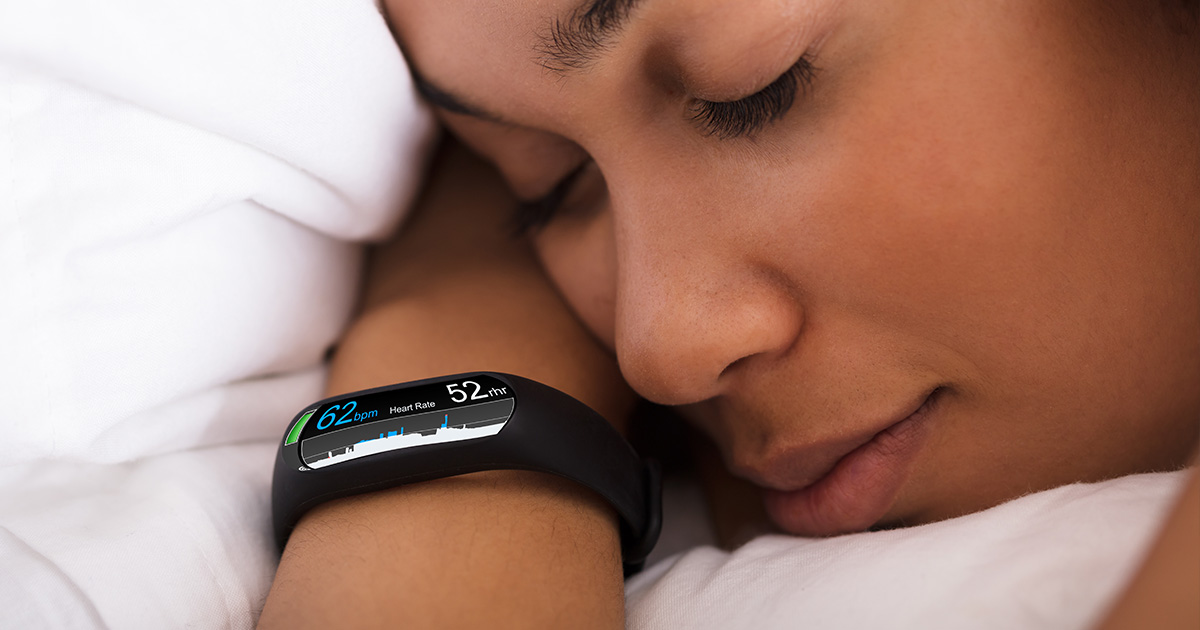
A sleep tracker is a small device—often worn on the wrist, finger, or placed under your pillow—that monitors your sleep patterns. Most affordable sleep trackers use motion sensors (called accelerometers) to measure how much you move during the night. Some also use heart rate sensors to estimate how deeply you are sleeping.
These trackers collect data and send it to your smartphone. You usually see simple results, such as:
- Total sleep time
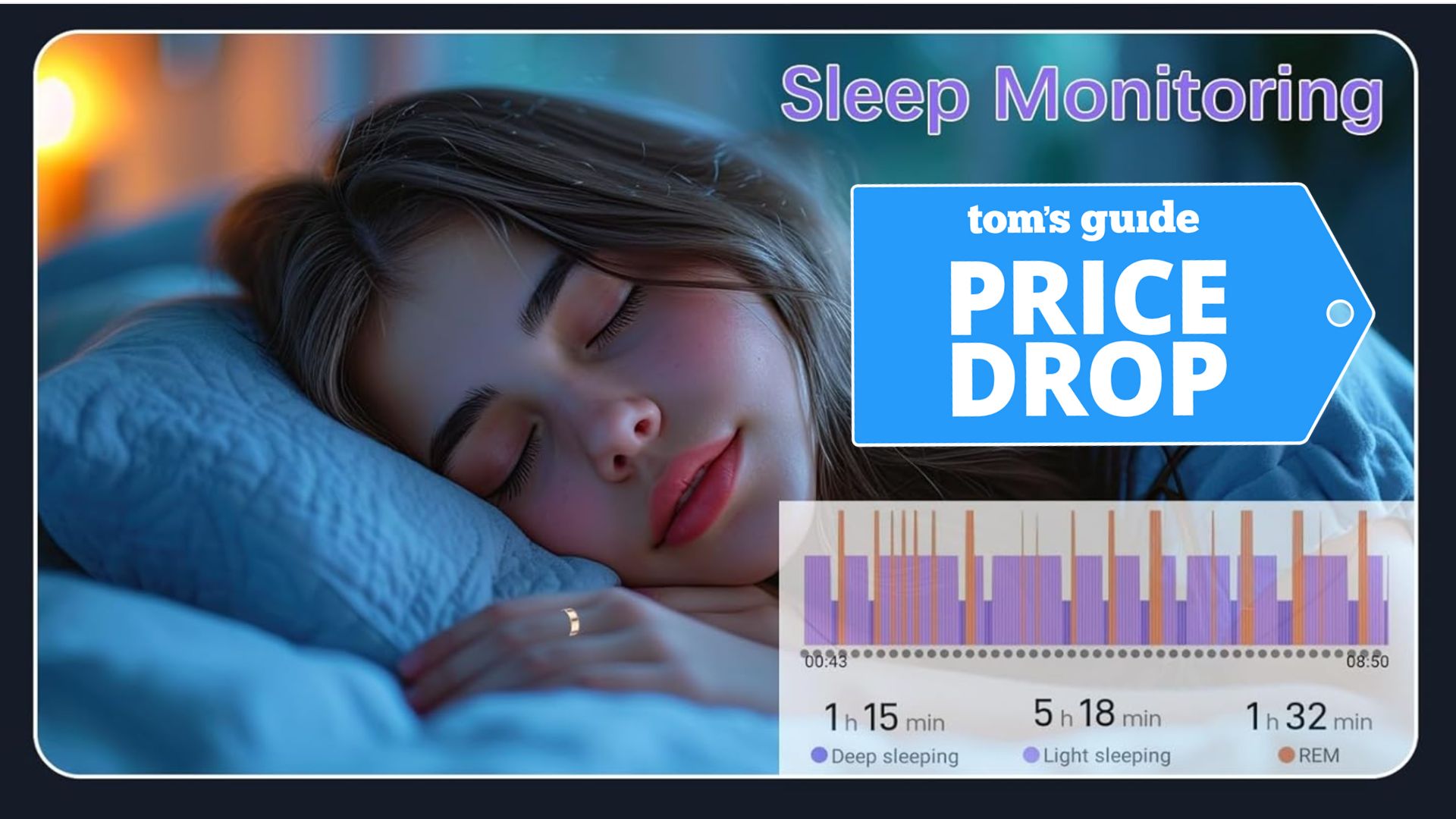
- Time spent in light, deep, and REM sleep
- Number of times you woke up
- Sleep quality score
More expensive trackers may include extra features, but most cheap sleep trackers focus on these basic measurements.
How Cheap Sleep Trackers Collect Sleep Data
Understanding how these devices work helps answer the reliability question. Cheap sleep trackers usually collect data in two main ways:
- Motion Detection: The tracker senses when and how much you move. Less movement usually means deeper sleep. If you toss and turn, it marks that as lighter sleep or waking up.
- Heart Rate Monitoring: Some cheap trackers can read your heart rate using optical sensors. Heart rate tends to slow during deep sleep and rise during REM sleep or when you wake.
These methods are simple but can be inaccurate. For example, lying very still while awake may look like deep sleep to the tracker. On the other hand, moving a lot in your sleep might look like you’re awake, even if you’re not.
Comparing Cheap Vs. Expensive Sleep Trackers
It’s easy to find sleep trackers under $50, and some even below $20. But how do they compare with premium devices that cost $100–$300? Here is a simple side-by-side look:
| Feature | Cheap Sleep Trackers (Under $50) | Expensive Sleep Trackers ($100+) |
|---|---|---|
| Sensor Type | Basic accelerometer | Advanced accelerometer, heart rate, SpO2, skin temp |
| Data Accuracy | Good for total sleep time, less accurate for sleep stages | Higher accuracy, more detailed sleep stages |
| App Features | Basic stats, simple graphs | Detailed analysis, smart alarms, coaching |
| Battery Life | Long (5–15 days) | Varies (3–7 days), some shorter due to more sensors |
| Comfort | Often lightweight, simple band | Varies (can be heavier or more advanced bands) |
The Science Behind Sleep Tracking
To judge if cheap sleep trackers are reliable, it’s important to know how sleep studies are done. In medical settings, the “gold standard” is polysomnography. This test uses many sensors to track brain waves, eye movement, heart rate, breathing, and more.
No wearable device—even expensive ones—can match this level of detail at home. Most consumer sleep trackers, especially cheap ones, rely only on movement and sometimes heart rate. This makes them less precise, especially for tracking sleep stages like REM or deep sleep.
A 2020 review in the journal Sleep Medicine found that consumer sleep trackers are fairly good at measuring total sleep time, but can struggle with detecting sleep stages or brief awakenings. The cheaper the device, the more likely it is to make mistakes in these areas.
Where Cheap Sleep Trackers Get It Right
Cheap sleep trackers have real strengths. Here’s where they often do well:
- Total Sleep Time: Measuring how long you are in bed and not moving is their strongest feature. If your goal is to see if you’re getting more or less sleep over time, a cheap tracker can help.
- Sleep Trends: Over several nights or weeks, these devices can show changes in your sleep habits. You might notice you sleep less on workdays and more on weekends.
- Waking Events: If you move or get up a lot during the night, most cheap trackers will notice. You’ll see how often your sleep is broken up.
Many users find these features helpful, especially for building better sleep routines. While the numbers may not be perfect, the overall patterns are usually reliable enough for most people.
Where Cheap Sleep Trackers Fall Short
However, there are limits. Cheap sleep trackers may not be reliable in these areas:
- Sleep Stages: They often guess how much time you spend in light, deep, and REM sleep based on movement. But real sleep stages require measuring brain waves, which these devices can’t do. The results are usually rough estimates.
- Awake Periods: Lying still but awake can be misread as sleep. So, time spent reading or watching TV in bed may be counted as sleep.
- Health Issues: Trackers can’t diagnose sleep disorders like sleep apnea. Some cheaper models don’t even notice if you stop breathing for a few seconds, which is common in sleep apnea.
- Heart Rate Accuracy: Optical sensors on cheap trackers may have trouble getting a clear reading, especially if the band is loose or your skin is dark or hairy.
User Experience: Comfort, Apps, And Battery Life
Cheap sleep trackers are popular not just for their price, but also for their convenience. Most are lightweight, simple to wear, and last many days on a charge. Their mobile apps tend to be basic but easy to use.
However, you may find:
- Cheaper bands can break easily
- Fewer updates or support from the company
- Less detailed graphs and explanations
- Limited connection to other health apps
Still, many users are happy with their experience as long as they keep their expectations realistic.
Real-world Data: How Accurate Are Cheap Trackers?
Several studies and tech reviewers have compared budget-friendly sleep trackers with professional sleep tests. Results show:
- Total sleep time is often within 30–45 minutes of professional tests
- Sleep stage accuracy is lower, with errors up to 60–90 minutes
- Cheap trackers often overestimate sleep if you’re inactive in bed
For example, a test by CNET compared a $30 tracker with a $150 one and found that both agreed on total sleep time within about half an hour, but disagreed a lot on deep and REM sleep. This means that if you only want to know “Did I get enough sleep?
” a cheap tracker can give you useful feedback. But if you want to know “How much deep sleep did I get? ” the data may not be reliable.
Are Cheap Sleep Trackers Worth Buying?
For many people, a cheap sleep tracker is a good first step to learn about their sleep. Here’s who can benefit most:
- People curious about their sleep habits
- Anyone starting a healthy sleep routine
- Those who want to track changes over weeks or months
But if you need detailed, medical-level data, or if you have a sleep disorder, these devices are not enough. You may need a more advanced tracker or a visit to a sleep clinic.
Tips To Get The Most Out Of A Cheap Sleep Tracker
If you decide to try a budget sleep tracker, follow these tips to get better results:
- Wear it snug but comfortable: Loose bands can reduce accuracy, especially for heart rate.
- Charge it regularly: Many cheap trackers have long battery life, but don’t forget to charge before bed.
- Check your sleep environment: Keep your room dark and quiet, as noise and light can cause restless movement, which the tracker may record as bad sleep.
- Focus on trends, not single nights: Don’t worry about one bad night. Watch for changes over weeks.
- Use the tracker to build good habits: Set a regular bedtime, avoid screens before sleep, and use your tracker’s reminders if available.
- Don’t trust sleep stages too much: Take these numbers as rough guesses, not facts.
Two Non-obvious Insights Most Beginners Miss
- Sleep trackers don’t know WHY you slept poorly. They can show you had a restless night, but not if it was due to stress, food, noise, or illness. Always combine tracker data with your own notes or a sleep diary for better understanding.
- Some cheap trackers sell your data. Many low-cost brands make money by sharing your health data with third parties. Always read the privacy policy before buying, and avoid unknown brands with unclear data practices.
Alternatives To Cheap Sleep Trackers
If you want more accurate data without spending much, consider these options:
- Manual sleep diary: Writing down when you go to bed and wake up is sometimes just as useful as a cheap tracker.
- Smartphone apps: Some free or low-cost apps use your phone’s microphone or motion sensor to track sleep. These are not always more accurate, but are easy to try.
- Borrow a premium device: Some health clinics or gyms lend out advanced trackers for short periods.
When To See A Doctor Instead
If you have serious sleep problems—such as loud snoring, gasping for air, daytime sleepiness, or waking up tired every day—a sleep tracker is not enough. Talk to your doctor, who can recommend a professional sleep study. This can diagnose issues that no wristband can detect.
Final Thoughts
Cheap sleep trackers are not perfect, but they can be useful tools if you understand their limits. They are best at measuring total sleep time and showing basic trends. If you want more details—like accurate sleep stages or detecting health problems—you’ll need to spend more or see a specialist. For most people, a cheap tracker is a good way to start paying attention to sleep, as long as you don’t rely on it for medical advice. Use it to build better habits, but trust your own body and common sense most of all.
If you want to learn more about sleep technology and its accuracy, check the detailed overview at Wikipedia.
Frequently Asked Questions
How Accurate Are Cheap Sleep Trackers For Total Sleep Time?
Most cheap sleep trackers are fairly good at measuring total sleep time. They usually get within 30–45 minutes of your real sleep, especially if you fall asleep soon after getting in bed. However, if you spend a lot of time lying still before sleeping, they may count that as sleep and overestimate your total.
Can A Cheap Sleep Tracker Detect Sleep Disorders?
No, cheap sleep trackers cannot detect or diagnose sleep disorders like sleep apnea or insomnia. They may show that your sleep is restless or broken, but they do not have the sensors needed to spot medical problems. If you think you have a sleep disorder, talk to a doctor.
Are Smartphone Sleep Tracking Apps Better Than Cheap Wristbands?
Smartphone apps can work well for some people, especially if you place the phone on your mattress or pillow. However, they may be less accurate if you share a bed or move a lot. Cheap wristbands are often more comfortable and give more consistent data.
How Do I Choose A Reliable Cheap Sleep Tracker?
Look for a tracker from a well-known brand with good reviews. Check that it has a comfortable band, basic heart rate monitoring, and a simple app. Avoid unknown brands with unclear privacy policies or no customer support.
Should I Trust The Sleep Stage Data From A Cheap Tracker?
Take sleep stage data from cheap trackers as a rough guess, not a fact. Only medical devices can measure sleep stages accurately. Use the data to spot general trends, but don’t make health decisions based on these numbers alone.

