Many people want to improve their health, and tracking sleep is a big part of that journey. Sleep affects our mood, energy, and even how well we exercise. With the growth of wearables and mobile health tools, sleep trackers are more popular than ever. But do these devices and apps work well together? Can your sleep tracker share its data with your favorite fitness app? Let’s look at how these technologies connect, the benefits, and what you need to know to get the most out of syncing them.
How Sleep Trackers And Fitness Apps Work
Both sleep trackers and fitness apps help you understand your daily habits. Sleep trackers measure how long and how well you sleep. They often record light, deep, and REM sleep stages, plus interruptions during the night. These can be wearable devices like smartwatches, rings, or standalone gadgets you place under your mattress.
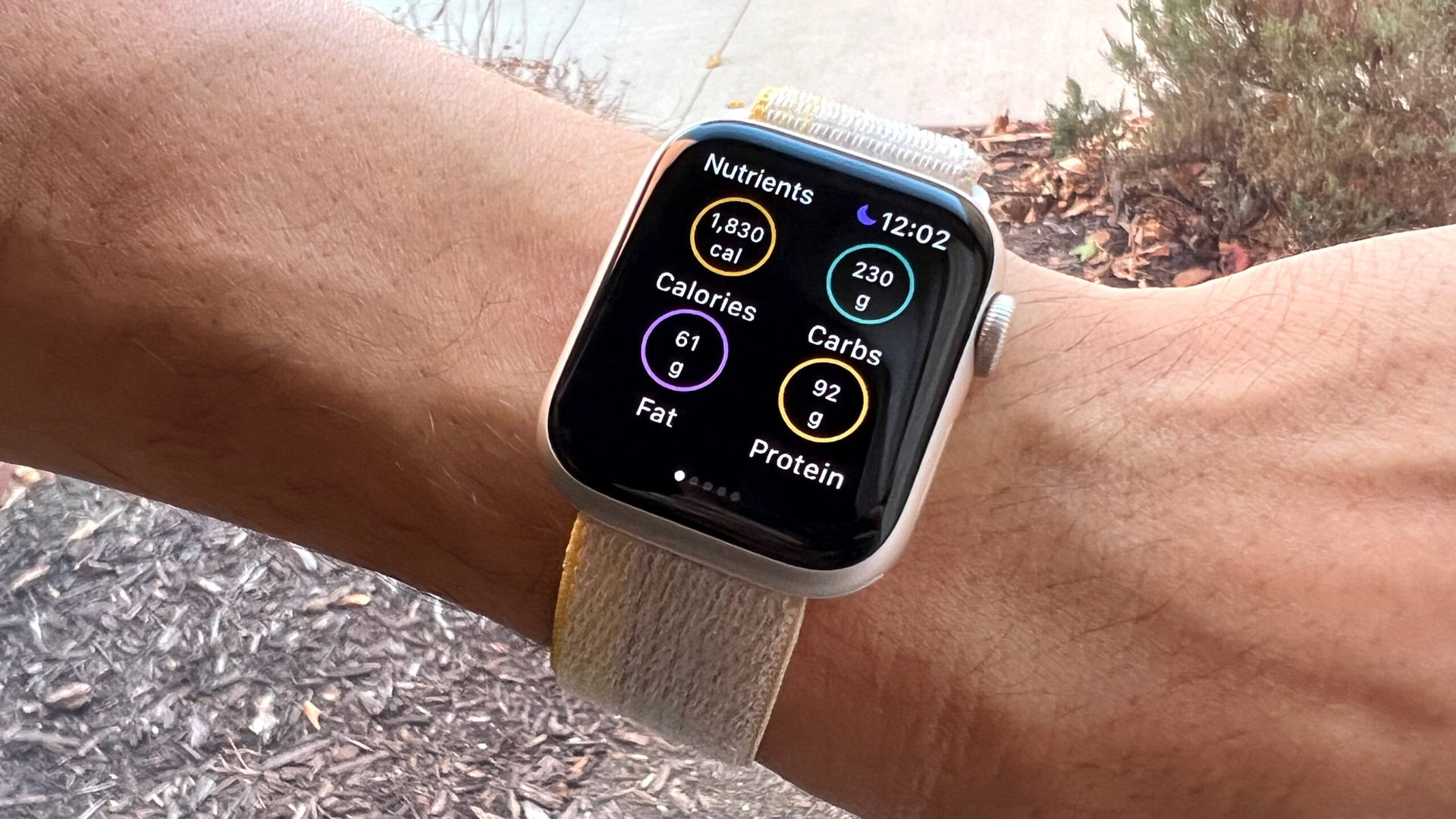
Fitness apps, on the other hand, focus on things like steps, calories, heart rate, and workouts. Some also include nutrition and stress tracking. Most people use these apps on their smartphones or smartwatches.
When sleep trackers and fitness apps sync, they share data. This means your sleep quality can influence your workout recommendations, and your physical activity can help explain sleep patterns.
Ways Sleep Trackers Sync With Fitness Apps
There are several ways these devices and apps communicate:
- Direct Integration: Some brands design their trackers and apps to work together. For example, a Fitbit tracker syncs easily with the Fitbit app, which includes both sleep and activity tracking.
- Third-party Platforms: Apps like Apple Health or Google Fit act as a hub. They collect data from many sources, so your sleep tracker can send data to the hub, and your fitness app can read it.
- Manual Data Entry: If automatic syncing isn’t available, some apps let you add sleep data by hand. This is less convenient but still useful.
- APIs and Cloud Services: Advanced users or developers might use an Application Programming Interface (API) to connect services. This is common for people who want custom solutions or use less popular trackers.
Popular Sleep Trackers And Their Syncing Abilities
Not all sleep trackers sync the same way. Here’s how the most common trackers work with fitness apps:
| Sleep Tracker | Syncs With Fitness Apps? | Notes |
|---|---|---|
| Fitbit | Yes | Works with Fitbit app, Google Fit, MyFitnessPal, and more |
| Apple Watch | Yes | Syncs through Apple Health with many third-party fitness apps |
| Oura Ring | Limited | Syncs with Apple Health, Google Fit; fewer direct fitness app integrations |
| Garmin | Yes | Works with Garmin Connect; syncs with Strava, MyFitnessPal |
| Xiaomi Mi Band | Partial | Syncs with Mi Fit, Google Fit; some features may not transfer |
As you can see, Fitbit, Apple Watch, and Garmin devices offer the widest compatibility. Less-known trackers may require extra steps to sync with popular fitness apps.
The Benefits Of Syncing Sleep And Fitness Data
When you connect your sleep tracker with your fitness app, you get more than just numbers. Here’s why syncing matters:
- Complete Health Picture: You can see how your exercise, stress, and sleep all affect each other. For example, you might notice you sleep better on days you walk more.
- Better Recommendations: Fitness apps may use your sleep data to adjust workout plans. If you had a poor night’s sleep, the app might suggest a lighter workout or a rest day.
- Motivation and Accountability: Seeing your progress in one place helps you stay motivated. When you see patterns, it’s easier to set realistic goals.
- Spotting Problems Early: Combining data can reveal issues you might miss. For example, you might see that late-night workouts make it harder to fall asleep.
- Personalized Insights: Some apps use AI to give custom tips. For example, they might suggest a bedtime based on your activity level.
One non-obvious benefit is that syncing can help you avoid overtraining. If your sleep tracker shows you’re not recovering well, your fitness app might warn you before you push too hard.

Common Syncing Methods And Examples
Let’s look at some real-world examples of how syncing works:
Fitbit And Myfitnesspal
Fitbit devices record both sleep and activity. MyFitnessPal focuses on calories and nutrition. By linking the two, you can see how your sleep affects your calorie burn, or how late meals might impact your sleep.
Apple Health As A Hub
If you use an Apple Watch, it records your sleep and activity. Many third-party apps, like Strava, Nike Run Club, or Headspace, can read from or write to Apple Health. This means you can use the sleep data from your watch to inform your training or meditation routines.
Google Fit For Android Users
Google Fit acts as a hub for many Android-compatible trackers. For example, you might wear a Xiaomi Mi Band and use the Mi Fit app, but Google Fit can collect both your sleep and activity data, which you can then share with apps like Lifesum or Runkeeper.
Oura Ring And Training Apps
The Oura Ring is known for detailed sleep analysis. It syncs with Apple Health and Google Fit, but direct connections with fitness apps are limited. Still, many users export their data to the health hub, then let their fitness app import it from there.
What To Check Before Syncing Devices
Not all devices and apps are equally compatible. Here are important things to check:
- Platform Support: Some apps only work with iOS or Android.
- Brand Ecosystem: Devices from the same brand usually sync best (e.g., Fitbit tracker and Fitbit app).
- Third-party Integration: Check if your apps use a hub like Apple Health or Google Fit.
- Privacy and Security: Make sure your data is protected. Read privacy policies to understand how your sleep and activity information is used.
- Feature Parity: Some data may not transfer. For example, detailed sleep stages might not appear in all apps.
A common mistake is assuming all data will sync. Sometimes only basic info, like total sleep hours, is shared—not the detailed breakdown.
Troubleshooting Sync Problems
Syncing does not always work perfectly. Here are some common problems and tips to solve them:
- Data Delays: Sometimes, data takes a few minutes or hours to appear. Try refreshing both apps or restarting your device.
- Partial Sync: Only some data shows up. Check app settings to make sure all permissions are enabled.
- Duplicates: If you use more than one tracker, you might see double entries. Choose one main device as your data source.
- App Updates: Old versions of apps may not sync well. Keep your apps and devices updated.
- Account Linking: Make sure you’re logged into the correct accounts on both apps.
If you still have problems, check the support pages for your devices or apps. Sometimes, forums or user groups can offer solutions.
Real-world Example: Syncing For Better Health
Consider a user who wears a Garmin smartwatch and uses MyFitnessPal. By syncing both, she notices that on nights she sleeps less than six hours, her heart rate is higher during workouts. The fitness app suggests adjusting her exercise routine and increasing recovery time. Over a few weeks, she feels less tired and sees better results.
This kind of insight is only possible when sleep and fitness data are combined. Over time, syncing helps you make smarter decisions and avoid common pitfalls, like training too hard when you’re sleep-deprived.
Privacy And Data Sharing Concerns
Sharing health data between apps can be useful, but it’s important to understand privacy risks. Many apps store your information in the cloud. Make sure you:
- Use strong passwords for your accounts.
- Review privacy settings and control what is shared.
- Only connect apps you trust.
- Read privacy policies so you know how your data is used.
Some countries have strict laws about health data. If you are concerned, check local rules or choose apps with strong privacy reputations. For more details on digital privacy, visit the General Data Protection Regulation page.
How Syncing Can Help Specific Fitness Goals
Syncing sleep and fitness data isn’t just about curiosity. It helps with real goals:
- Weight Loss: Poor sleep makes it harder to lose weight. Apps can alert you if you’re not getting enough rest, so you can adjust your plan.
- Muscle Gain: Muscles repair during sleep. If your sleep quality drops, your fitness app may suggest more rest days or lower intensity.
- Stress Management: Both poor sleep and hard workouts raise stress. When apps see both, they can recommend meditation or lighter activities.
- Endurance Training: Athletes need to track recovery. Sleep data can help you avoid overtraining and improve performance.
A less obvious benefit is that syncing can help spot early signs of health problems, like sleep apnea or chronic fatigue, by comparing activity and sleep trends.

Limitations And Future Directions
Syncing is helpful, but not perfect. Here are some limits:
- Accuracy: Not all sleep trackers are 100% accurate, especially for deep sleep or REM stages.
- Data Gaps: If you forget to wear your tracker, data may be missing.
- App Differences: Some apps interpret data differently. For example, one app may call a nap “sleep,” while another ignores it.
Looking ahead, future devices may become more precise and work together better. Artificial intelligence could provide even smarter recommendations as more data is synced.
Here’s a quick look at how different apps handle sleep data:
| App Name | Sleep Data Used | Fitness Plan Adjustments |
|---|---|---|
| Fitbit | Total hours, sleep stages | Yes, adjusts activity goals |
| Strava | Basic hours (via Apple Health) | No direct adjustments |
| MyFitnessPal | Sleep duration (if synced) | Nutrition alerts |
| Samsung Health | Detailed sleep analysis | Custom notifications |
Expert Tips For Syncing Success
To get the most out of syncing, keep these tips in mind:
- Set Clear Goals: Know what you want to track. This helps you choose the right devices and apps.
- Check Compatibility Before Buying: Make sure your tracker and app work together.
- Review Data Regularly: Patterns take time to see. Check your progress weekly.
- Don’t Rely Only on Data: Use numbers as a guide, but listen to your body, too.
A mistake beginners often make is focusing too much on one number, like total sleep hours. Quality matters as much as quantity—look for patterns, not just single stats.
Frequently Asked Questions
Can All Sleep Trackers Sync With Any Fitness App?
No, not all sleep trackers are compatible with every fitness app. Most popular trackers work with major fitness platforms, but it’s important to check each device’s compatibility before purchasing.
Is Syncing Automatic Or Do I Need To Do It Manually?
Most modern trackers and apps sync automatically if connected. However, some devices may need manual syncing, especially if they are not from the same brand or don’t use a common platform.
What Sleep Data Is Usually Shared With Fitness Apps?
Typically, sleep duration, sleep stages, and sleep quality scores are shared. Some apps only transfer basic information, while others include detailed data like REM sleep and interruptions.
Does Syncing Affect My Privacy?
Syncing can share your health data across different apps and cloud services. Always check privacy settings, use strong passwords, and only connect trusted apps to protect your information.
How Can Syncing Sleep And Fitness Data Improve My Results?
By combining sleep and fitness information, apps can give better recommendations, help prevent overtraining, and provide a more complete view of your health. This leads to smarter choices and better results over time.
Connecting your sleep tracker and fitness app can be a game-changer for your health journey. With the right setup, you’ll get more accurate insights, better advice, and a clearer picture of what helps you feel and perform your best. Take a few minutes to check your devices, set up syncing, and enjoy the benefits of a more connected approach to your wellness.

