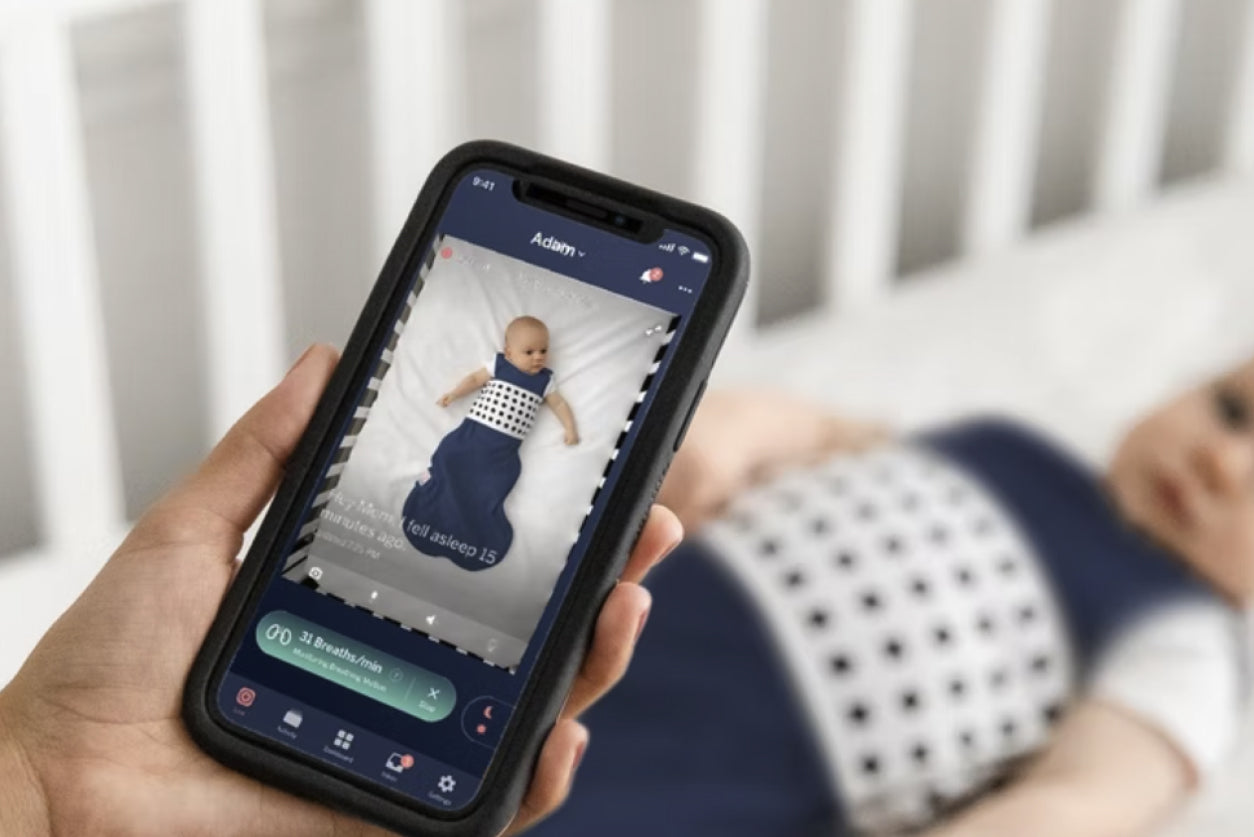
Many people are curious about sleep trackers. These small devices promise to help you understand your sleep, wake up feeling better, and maybe even improve your health. But a common question comes up: Do sleep trackers require a smartphone? The answer is not as simple as yes or no. There are many types of sleep trackers, each with different features, and the need for a smartphone can vary. Let’s explore how these devices work, what you really need to use them, and which options fit different lifestyles.
How Sleep Trackers Work
Sleep trackers are designed to measure your sleep patterns. They use different technologies depending on the device. The most common types are wearables (like smartwatches and fitness bands), under-mattress sensors, and standalone bedside devices. Each one collects data such as your movement, heart rate, breathing, and sometimes even noise or temperature.
Most modern sleep trackers use sensors to track physical signals. For example, a wristband can notice small movements to tell when you are awake or in deep sleep. Some advanced trackers use heart rate variability or even oxygen levels to estimate sleep stages. The data collected can help users spot problems like restless sleep or sleep apnea.
However, collecting data is only part of the story. The real value comes from analyzing and understanding this information. This is where smartphones and apps often enter the picture.
Types Of Sleep Trackers
Sleep trackers come in several shapes and forms. Understanding the main categories will help you see how they connect with smartphones.
| Type | How It Works | Typical Smartphone Use |
|---|---|---|
| Wearable (Watch/Band) | Worn on wrist, tracks movement, heart rate | Almost always syncs with phone app |
| Under-Mattress Sensor | Placed under mattress, senses movement, breathing | Often uses Wi-Fi, may work without phone |
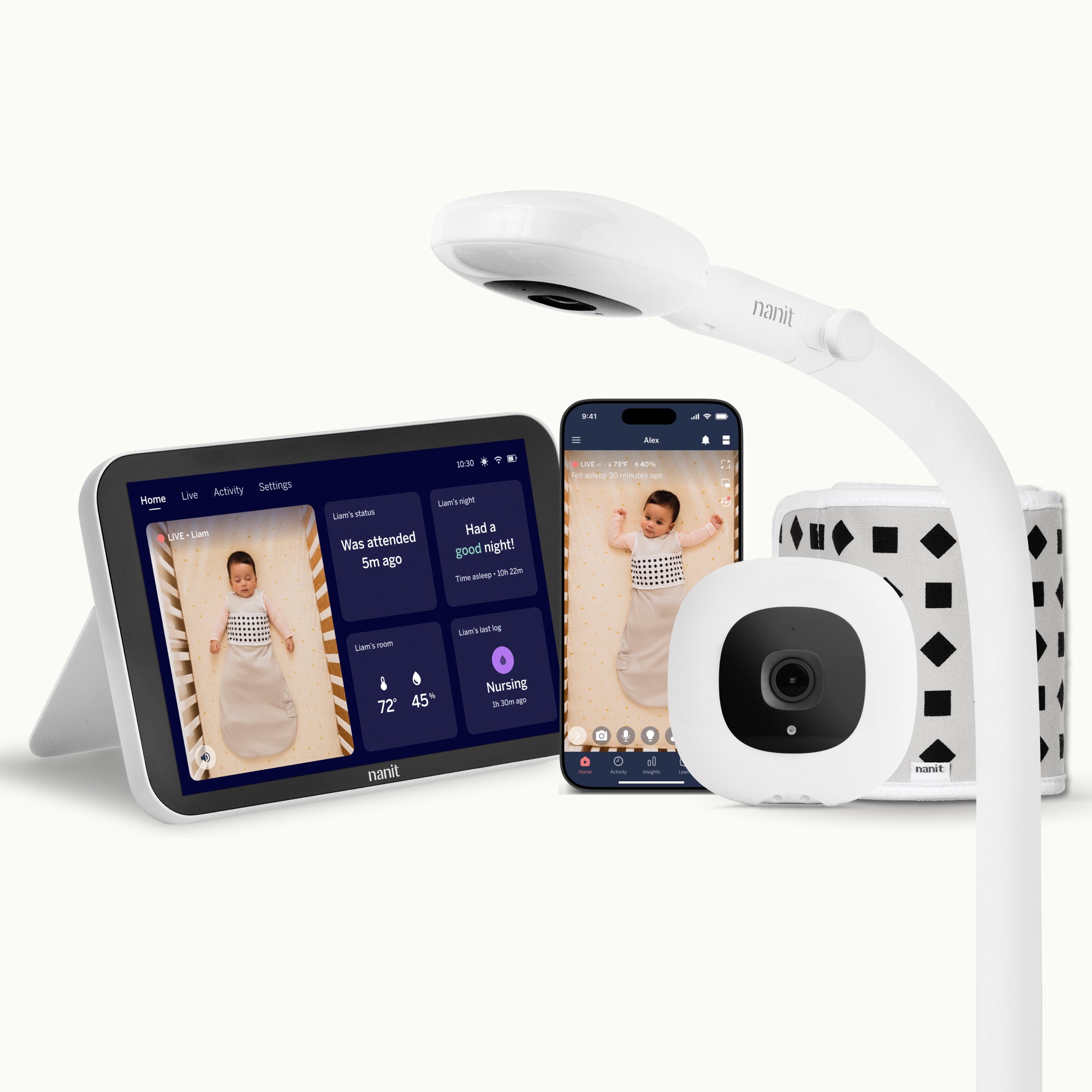
| Bedside Device | Sits on table, uses sound, radar, or camera | Some need phone, some work alone |
| Smartphone App Only | Uses phone sensors, placed near pillow | Needs smartphone (by design) |
As you can see, not all sleep trackers are the same. Some need a smartphone to work. Others can function without one, but might have limited features.
Do All Sleep Trackers Need A Smartphone?
The simple answer is no, not all sleep trackers require a smartphone. But the details matter. Let’s break down the main situations:
1. Wearables
Most wearable sleep trackers—such as the Fitbit, Apple Watch, or Garmin devices—are built to pair with a smartphone. They collect data while you sleep and later sync with a mobile app. The app displays your sleep graphs, trends, and advice.
However, some wearables can store several days of data on the device. This means you could travel without your phone and sync the data later. But to see detailed results or get coaching, you usually need to connect to a smartphone.
2. Under-mattress And Bedside Devices
Some under-mattress trackers, like the Withings Sleep Analyzer, connect directly to your Wi-Fi. They upload your sleep data to a cloud service. This lets you view results on a computer, tablet, or smart speaker, not just on a phone. Some bedside devices, such as the ResMed S+, also work independently after setup.
But here’s an insight beginners miss: initial setup often still requires a smartphone. Even if you don’t need a phone every day, you might need one to connect the device to Wi-Fi or personalize settings. After that, you can often manage without a smartphone.
3. Smartphone Apps
Some sleep trackers are actually just apps, like Sleep Cycle or Pillow. You place your phone near your pillow, and it uses built-in sensors to measure your sleep. In this case, the smartphone is essential, since it does all the tracking.
4. Hybrid And Standalone Devices
There are some rare devices, like old-school sleep monitors, that record your sleep data and display results on a small screen or printout. These are uncommon today. Most people prefer the convenience of syncing with an app.
What Do You Lose Without A Smartphone?
Some people want to avoid using a smartphone, either because they don’t have one or they want to reduce screen time. If you use a sleep tracker without a smartphone, here’s what you might miss:
- Instant feedback: Most data analysis happens in the app. Without a phone, you may only see basic info (like hours slept) on the device.
- Trends and coaching: Apps can show graphs, week-to-week comparisons, or personalized advice.
- Software updates: Without a phone, updating the device’s software can be tricky or impossible.
- Sharing and exporting: Sending your data to a doctor or another app usually requires a phone.
- Custom alarms: Smart alarms that wake you at the “best” time in your sleep cycle often need the app.
However, some under-mattress trackers and bedside monitors upload data directly to the cloud. You can access your sleep report on a computer or by email. For simple tracking (total hours, basic trends), these devices can work well without a smartphone.
Examples Of Sleep Trackers That Don’t Need A Smartphone
While most new trackers are designed with smartphones in mind, a few can work without them. Here are some notable examples:
- Withings Sleep Analyzer: Slides under your mattress, connects to Wi-Fi. You need a phone or computer for initial setup, but after that, you can view results on the web or via email.
- ResMed S+: Stands on your bedside table, tracks breathing and movement. After setup, it can show basic results on its own display.
- Fitbit Inspire 2 (and similar): Stores up to 7 days of sleep data before syncing. You can see basic info on the device itself, but not full analysis.
- Emfit QS: Used by athletes, installs under the mattress, uploads data to a secure website. You do not need a smartphone for daily use.
- Oura Ring: Stores several days of data. You need a phone for setup and to see details, but can use it offline for short periods.
It’s important to note that even these devices give you more features if you use a smartphone. But they can still provide basic tracking without one.
Why Do Most Sleep Trackers Use Smartphones?
There are several reasons why sleep trackers depend on smartphones:
- Powerful processing: Analyzing sleep data requires more processing than tiny devices can handle. Smartphones do the heavy lifting.
- Better displays: Small screens on wearables are not ideal for graphs or advice. Apps make it easier to view trends.
- Software updates: Phones make it easy to update devices wirelessly.
- User experience: Most people are comfortable using apps for health and fitness.
Another insight: smartphone apps help companies collect anonymous sleep data to improve their products. Many users do not realize their sleep data can be used for research or product development. Always check privacy settings if this is a concern.
Who Should Choose A Sleep Tracker Without A Smartphone?
Sleep trackers that work without a smartphone are ideal for certain people:
- Older adults who may not own a smartphone but want to monitor their sleep.
- People concerned about privacy who do not want their data sent to the cloud.
- Minimalists who prefer fewer gadgets and less screen time.
- Children or teens, where parents want to monitor sleep without giving a smartphone.
However, you may need help setting up the device. Also, expect fewer features compared to smartphone-based trackers.
Comparing Smartphone-dependent Vs. Standalone Sleep Trackers
To make your choice easier, here’s a comparison of the main differences between smartphone-dependent and standalone sleep trackers:
| Feature | Smartphone-Dependent | Standalone (No Smartphone) |
|---|---|---|
| Setup | Easy, via app | May need computer or simple interface |
| Data Analysis | Detailed graphs, trends, advice | Basic stats, limited feedback |
| Portability | Syncs on the go | Some can store data for later review |
| Updates | Automatic via app | Manual, sometimes not possible |
| Privacy | Data often sent to cloud | Some keep data local |
Common Mistakes When Choosing A Sleep Tracker
Choosing a sleep tracker can be confusing, especially if you want to avoid using a smartphone. Here are mistakes to avoid:
- Assuming all trackers are standalone: Many need a phone for setup or updates, even if they work offline later.
- Ignoring data access: Some devices only show data on a phone. If you want web or computer access, check before buying.
- Overlooking privacy settings: Some trackers send your data to the cloud by default.
- Forgetting about compatibility: If you ever want to sync with a phone, make sure your device supports your phone’s operating system.
- Expecting advanced features: Smart alarms, sleep coaching, and detailed trends usually need a smartphone app.
What To Consider Before Buying A Sleep Tracker
Ask yourself these questions to decide if you need a smartphone with your sleep tracker:
- How do you want to view your sleep data? If you want graphs and trends, a phone or computer is usually needed.
- Will you share sleep data with your doctor or family? This often requires a smartphone for exporting.
- Do you care about software updates? Most updates require a phone connection.
- Are you comfortable setting up devices on your own? Standalone trackers may need more technical setup.
- Is privacy your top concern? Look for devices that keep data offline or let you control sharing.

The Future: Will Sleep Trackers Always Need Smartphones?
The market is changing. As smart home devices, cloud services, and voice assistants become more common, sleep trackers may rely less on smartphones in the future. Some devices already use Wi-Fi to upload data, and smart speakers can deliver sleep summaries each morning.
Still, for now, most people get the best experience with a smartphone. But if you want to avoid using one, you do have options.
Frequently Asked Questions
Can I Use A Sleep Tracker Without Ever Connecting It To A Smartphone?
Some trackers, like certain under-mattress sensors, can work with just Wi-Fi and a computer. But most require a smartphone for initial setup or updates. If you never connect a smartphone, you may miss software improvements and detailed analysis.
Are There Any Sleep Trackers Designed For People Without Smartphones?
Yes, a few under-mattress and bedside devices are made for people who do not use smartphones. Examples include the Withings Sleep Analyzer and Emfit QS, which let you view data on a computer or by email.
Do Smartwatches Need To Be Connected To A Phone To Track Sleep?
Smartwatches usually collect sleep data even when not connected to a phone. However, to see full reports or trends, you need to sync with a smartphone app later.
Is My Data Safe If I Use A Sleep Tracker Without A Smartphone?
Using a standalone tracker may keep your data more private, especially if it does not upload to the cloud. But always check the privacy policy of your device to see where data is stored.
Can I Get Sleep Tracking With Just My Smartphone And No Extra Device?
Yes, many sleep-tracking apps use your phone’s sensors to monitor your sleep. You place the phone on your mattress or nightstand. Examples are Sleep Cycle and Pillow. However, these may be less accurate than dedicated devices.
If you want to read more about sleep technology and the science behind sleep tracking, you can visit the Wikipedia Sleep Monitoring page.
Choosing a sleep tracker depends on your needs and how much you want to use a smartphone. There are options for everyone—whether you want lots of features or a simple setup. Understanding your priorities will help you find the best fit for better sleep.