
Can Sleep Trackers Improve Sleep Quality?
Many people struggle with sleep. You wake up tired, or you have trouble falling asleep, and you wonder what is wrong. Sleep trackers—smart devices that monitor your sleep—promise to help. They offer data about your rest, including how long you sleep, how often you wake up, and even how deeply you sleep. But do these gadgets really help you sleep better, or are they just another piece of technology to worry about?
This article explores how sleep trackers work, what they can and cannot do, and whether using one can truly improve your sleep quality. We’ll look at the science, practical experiences, and some surprising facts most beginners do not know.
How Sleep Trackers Work
Sleep trackers are everywhere: on your wrist, under your mattress, or even in your smartphone. They use different sensors to watch your body while you sleep.
- Wearable devices (like smartwatches or fitness bands) use motion sensors to detect movement, heart rate sensors to measure your pulse, and sometimes even skin temperature.
- Non-wearable trackers (mattress pads or bedside devices) often use microphones, pressure sensors, or radar to sense breathing and movement.
Most devices use something called actigraphy. This means they track movement to guess if you are awake, lightly sleeping, or in deep sleep. Some advanced trackers use heart rate variability (HRV) or measure breathing patterns for more detailed results.
The data is sent to your phone or computer. There, you see graphs and summaries: what time you fell asleep, how often you woke up, and how much of your sleep was “deep” or “REM” sleep.
Key Features Of Modern Sleep Trackers
- Sleep stage analysis (light, deep, REM)
- Heart rate monitoring
- Sleep duration tracking
- Snoring and noise detection
- Smart alarms (wake you during light sleep)
What Does “sleep Quality” Really Mean?
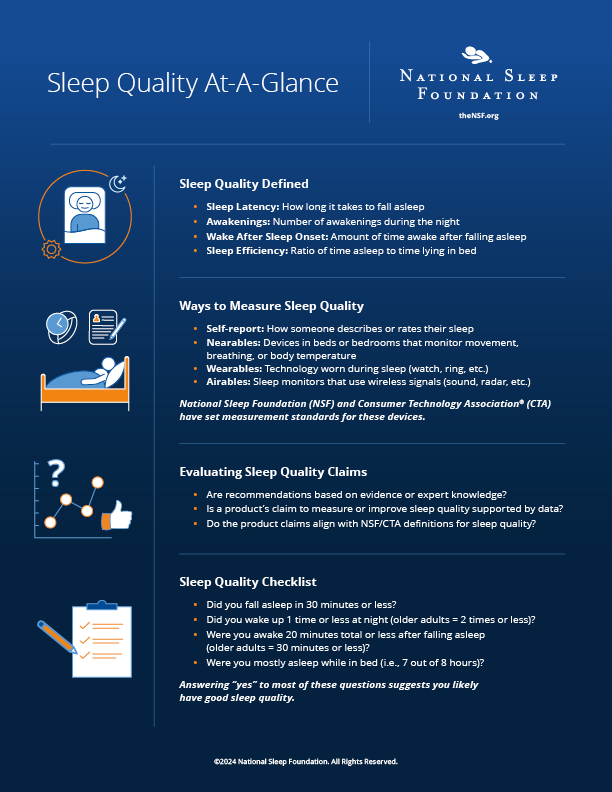
Many people confuse sleep duration with sleep quality. Just because you spend eight hours in bed does not mean you sleep well.
Sleep quality is about:
- How quickly you fall asleep (sleep latency)
- How often you wake up at night (sleep fragmentation)
- How much time you spend in deep or REM sleep
- How refreshed you feel in the morning
A person who sleeps seven hours with few awakenings and plenty of deep sleep may feel better than someone who sleeps nine hours but wakes up often.
Can Sleep Trackers Actually Improve Sleep?
Tracking Does Not Equal Improving
Sleep trackers measure. They do not directly fix your sleep. But data can be powerful. When you see your sleep patterns, you may notice problems you did not know about—like waking up often, or falling asleep late.
Some people change habits after seeing their sleep data. For example, they might:
- Go to bed earlier
- Stop drinking coffee late in the day
- Avoid screens before bed
One study showed that people using sleep trackers were more likely to change unhealthy habits and improve their sleep environment. However, just owning a tracker does not guarantee you will sleep better.
The Power Of Feedback
Real-time feedback is one of the best things about sleep trackers. You get a daily report. This helps you connect actions (like late-night snacking) with bad sleep. Over time, you can test changes and see what works.
For example, if you see that you sleep poorly after watching TV late, you can try reading instead. The tracker shows if your sleep improves. This “biofeedback loop” can lead to long-lasting change.
Motivation And Accountability
When you track your progress, you often feel more motivated. Some apps set goals or give you reminders. Seeing a “sleep score” climb can be rewarding. For some people, this accountability helps them stick to a healthy bedtime.
Limitations And Accuracy
However, sleep trackers are not perfect. Most use movement and heart rate—not brain waves—to guess your sleep stages. Studies show that consumer devices are about 80% accurate for total sleep time but much less accurate for sleep stages.
For people with sleep disorders like insomnia or sleep apnea, trackers might miss important details. If you feel tired despite “good” data, you should talk to a doctor.
What Science Says About Sleep Trackers
Research on sleep trackers is growing. Several studies compare consumer trackers with laboratory sleep tests (polysomnography).
| Study | Device Type | Accuracy for Sleep Time | Accuracy for Sleep Stages |
|---|---|---|---|
| de Zambotti et al. (2015) | Wrist-worn | 87% | 63% |
| Chinoy et al. (2021) | Ring wearable | 85% | 57% |
| Beattie et al. (2017) | Bed sensor | 90% | 65% |
These numbers show that trackers are pretty good at measuring total sleep time. But for sleep stages (REM, deep, light), they are less reliable.
Sleep Trackers And Behavior Change
A review in the journal Sleep Medicine Reviews found that people who used sleep trackers with health coaching improved their sleep habits more than people who did not track. The key is not just the data, but what you do with it.
Benefits Of Using A Sleep Tracker
Awareness And Education
Many people learn things about their sleep they never knew. For example, some realize that their sleep is much lighter than expected. Others see patterns, like waking up more after drinking alcohol.
Finding Hidden Problems
Sleep trackers can alert you to issues like:
- Frequent awakenings you do not remember
- Irregular sleep patterns (different bedtimes every day)
- Snoring or breathing pauses (some devices detect these)
Catching these early can help you seek medical advice before problems get worse.
Encouraging Healthy Habits
By seeing how different actions affect your sleep, you can build healthier routines. For example, you might learn that exercise helps you sleep deeper, or that late meals disrupt your sleep.
Smart Alarms And Gentle Wake-ups
Many trackers have smart alarms. These wake you during a light sleep stage, which can help you feel less groggy in the morning.
Long-term Tracking
Over months and years, sleep trackers build a record. This can help you notice changes in your health or spot trends (like sleeping worse in winter).
Downsides And Risks
Data Anxiety
Some people become obsessed with their sleep numbers. This can cause orthosomnia, where you worry so much about perfect sleep that you actually sleep worse. If you feel anxious about your data, it may be time to take a break from tracking.
Inaccurate Data
Even the best trackers can be wrong, especially for sleep stages. Relying too much on the numbers can be misleading. Always listen to your body, not just your device.
Privacy Concerns
Sleep trackers collect personal health data. Always check privacy policies and choose devices from trusted companies. Make sure your data is secure.
Not A Substitute For Medical Advice
If you have serious sleep problems—like loud snoring, choking at night, or extreme tiredness—do not rely on a tracker alone. See a healthcare provider for a proper diagnosis.
Comparing Popular Sleep Trackers
Here’s a quick look at some popular devices and how they compare on key features.
| Device | Type | Tracks Sleep Stages | Heart Rate Monitoring | Smart Alarm | App Integration |
|---|---|---|---|---|---|
| Fitbit Charge 5 | Wrist-worn | Yes | Yes | Yes | Yes |
| Oura Ring | Ring | Yes | Yes | No | Yes |
| Withings Sleep Analyzer | Bed sensor | Yes | No | No | Yes |
| Apple Watch | Wrist-worn | Yes | Yes | Yes | Yes |
Non-obvious Insights Most Beginners Miss
1. Sleep Consistency Matters More Than Duration
Many people focus on total hours, but going to bed and waking up at the same time every day is even more important. Trackers can help you see how consistent your schedule really is.
2. Daytime Habits Affect Night Sleep
Sleep trackers show only the night, but what you do during the day—like exercise, caffeine, and sunlight—makes a big difference. Use your tracker’s notes or tags to record daytime habits and see how they relate to sleep.
3. Sleep Quality Is Not Just About Stages
Beginners often chase “more deep sleep,” but feeling rested depends on many things, including stress, illness, and environment. Don’t get stuck on one number.
4. Small Changes Add Up
Trying to fix everything at once often fails. Use your tracker to test one small change at a time—like turning off screens 30 minutes earlier—and watch how your sleep responds.
Tips For Getting The Most From Your Sleep Tracker
1. Set Realistic Goals
Aim for gradual improvements, not perfection. Small changes are easier to maintain.
2. Use Notes And Tags
Record factors like stress, food, or exercise. Over time, you may spot patterns that explain good or bad sleep.
3. Don’t Obsess Over Stages
Focus on how you feel, not just the numbers. Use the data as a guide, not a judge.
4. Share Data With Professionals
If you see worrisome patterns or feel tired despite “good” scores, share your data with a sleep doctor.
5. Respect Privacy
Make sure your app’s privacy settings are strong. Your sleep is personal.
Who Should (and Should Not) Use Sleep Trackers?
Good Candidates
- People who want to understand their sleep habits
- Those motivated by data and goals
- Anyone willing to make small, steady changes
Not Recommended For
- People with severe sleep disorders (they need medical tests, not just tracking)
- People who become anxious about health data
- Children (unless advised by a doctor)
The Future Of Sleep Tracking
Technology is advancing fast. Some new trackers measure blood oxygen or use radar to watch breathing without touching your body. Researchers hope future devices will offer even more accurate insights, helping people prevent and manage health problems.
Some companies are starting to use artificial intelligence to suggest personalized sleep advice based on your data. The dream is not just to track sleep, but to give you practical steps to improve it.
For more about how sleep trackers are evolving, you can read this Sleep Foundation guide.
Frequently Asked Questions
How Accurate Are Sleep Trackers?
Most consumer sleep trackers are fairly accurate for total sleep time (about 80–90%), but less accurate for measuring sleep stages (like REM or deep sleep). They use movement and heart rate, not brain waves, so results are only an estimate.
Can Sleep Trackers Help With Insomnia?
They can help you notice patterns and triggers for insomnia, such as late-night caffeine or inconsistent bedtimes. But they do not diagnose or treat insomnia. If you have serious sleep problems, consult a doctor.
Do Sleep Trackers Work For People With Sleep Apnea?
Some advanced trackers can detect signs of breathing pauses, but they are not a replacement for medical tests. If you suspect sleep apnea, a doctor can order a full sleep study.
Are Sleep Trackers Safe To Use Every Night?
Yes, most are safe for regular use. Wearables may cause skin irritation in some people, so keep your device clean and take breaks if needed. Always follow the manufacturer’s instructions.
What Should I Do If My Tracker Shows Poor Sleep, But I Feel Fine?
Trust how you feel. Trackers are helpful, but they are not perfect. Occasional bad readings are common. If you feel rested and alert, you are probably sleeping well—even if your device says otherwise.
Sleep trackers can be a useful tool for understanding and improving your sleep, but they are not magic. Use them as a guide, not a rulebook. Pay attention to your body and make changes that help you feel better, not just chase better numbers.
Better sleep starts with awareness—and sometimes, a little help from technology.

