
Most people know that sleep trackers can count steps and monitor heart rate, but what about snoring? If you have ever woken up to your own loud breathing or your partner’s complaints, you may wonder if your favorite sleep gadget can help track this noisy problem.
Many people want to understand their snoring patterns—not just for curiosity, but because snoring can signal health issues like sleep apnea. So, can sleep trackers really track snoring? Let’s dive into the details, separating hype from reality, and help you decide what works best for your situation.
How Sleep Trackers Work
To understand if sleep trackers can track snoring, it’s important to know how these devices gather data. Sleep trackers come in many forms: smartwatches, fitness bands, rings, and even devices that sit under your mattress or on your bedside table. Most use a mix of sensors to collect information:
- Accelerometers: Detect movement, letting the device know when you toss or turn.
- Heart rate monitors: Use light sensors to check blood flow, helping estimate sleep stages.
- Microphones: Some trackers have built-in microphones to record sounds during sleep.
- Environmental sensors: Track temperature, humidity, or even light in your bedroom.
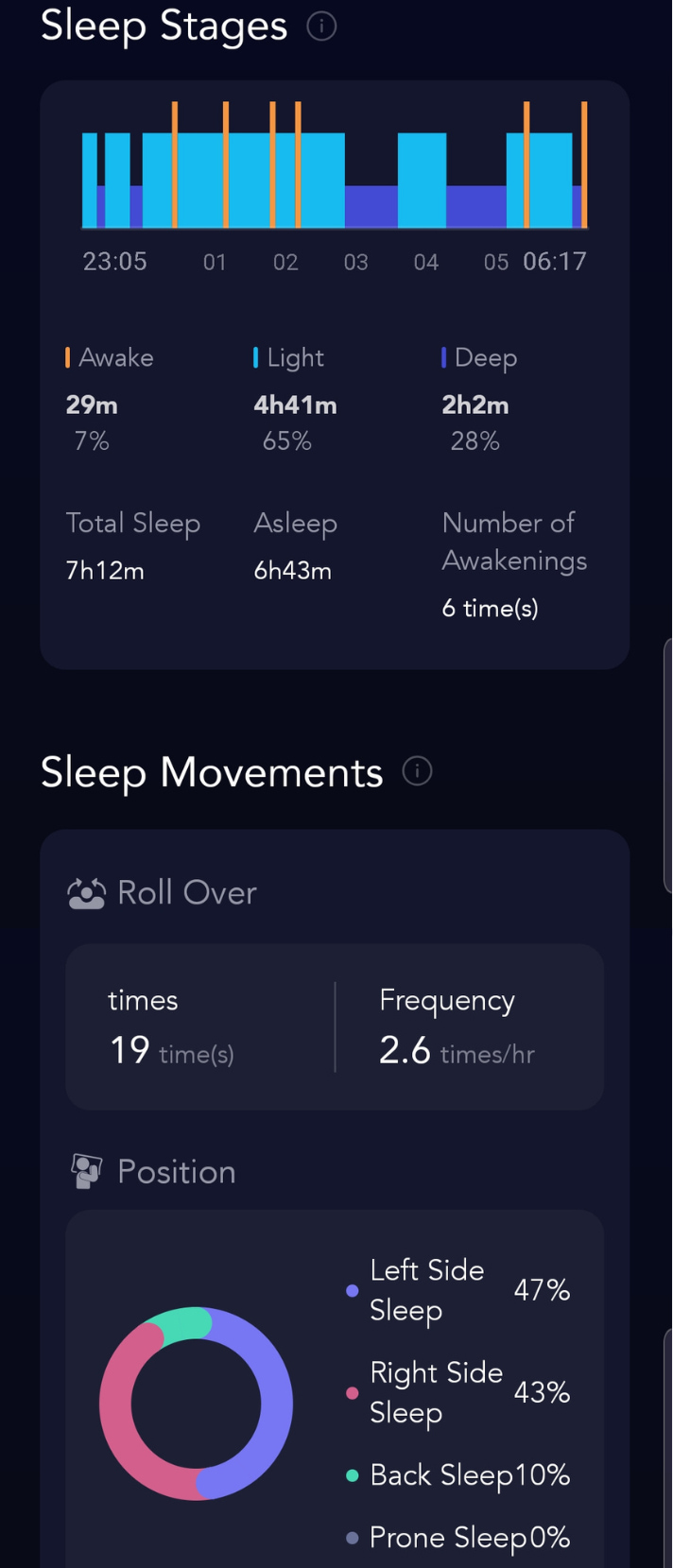
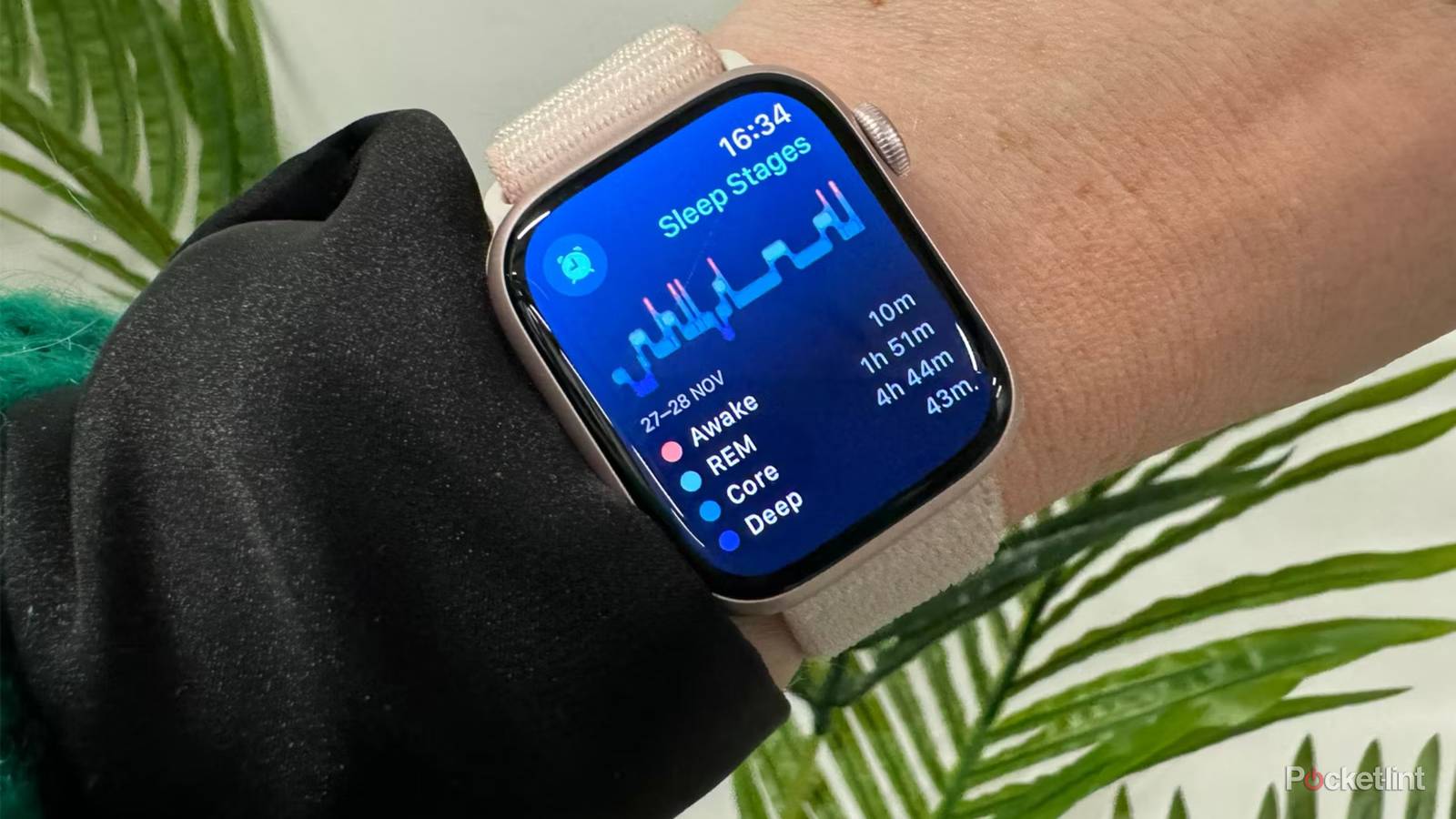
The data from these sensors is combined using algorithms to guess when you are awake, in light sleep, deep sleep, or REM sleep. But snoring detection is a more specialized feature, and not all trackers offer it.
Can Sleep Trackers Track Snoring?
The short answer is: some sleep trackers can track snoring, but not all. The ability to monitor snoring depends on the device’s hardware, software, and where you place the device during sleep.
Devices With Microphones
Most sleep trackers that claim to detect snoring use microphones. These microphones listen for certain sound patterns that match the loud, rhythmic noise of snoring. For example, some smartwatches and mobile phone apps use your phone’s microphone to pick up snoring sounds during the night.
Devices Without Microphones
Trackers that don’t have microphones—like many wristbands or rings—usually can’t track snoring directly. Some try to estimate snoring by using movement or heart rate changes, but these methods are not very reliable.
How Accurate Are They?
Snoring detection accuracy can vary widely. Devices with high-quality microphones and good software can pick up snoring most of the time, but they may struggle in noisy environments or if your partner also snores. Devices without microphones are much less accurate for snoring.

Popular Sleep Trackers And Their Snoring Features
Here’s a look at some popular sleep trackers and whether they offer snoring detection. This gives you a sense of what is possible and what’s not.
| Device | Snoring Detection | How It Works |
|---|---|---|
| Fitbit Sense 2 | Yes (with Premium) | Uses built-in microphone to detect snoring and noise level |
| Oura Ring Gen 3 | No | No microphone, so cannot detect snoring |
| Withings Sleep Analyzer | Yes | Mat under mattress with sound sensors for snoring |
| Apple Watch (with third-party app) | Yes | Relies on iPhone microphone via app |
| Xiaomi Mi Band | No | No microphone or sound analysis |
Notice that not all premium trackers have this feature. Always check the specifications before buying.
How Sleep Trackers Detect Snoring
Snoring detection is not as simple as just “hearing” a noise. Devices need to:
- Record sounds during sleep using a microphone.
- Analyze sound patterns to spot the unique frequencies and rhythms of snoring.
- Filter out other noises like talking, coughing, or street noise.
- Log the snoring events—duration, intensity, and sometimes even play back the recordings.
Some trackers only report if snoring was present, while others provide more details: how long you snored, how loud it was, and when during the night it happened.
Limitations And Challenges
Even the best snoring trackers have their limitations. Here are some key challenges:
- Background noise: A fan, pet, or partner who snores can confuse the device. It may log their noises as yours.
- Microphone sensitivity: Not all microphones are equally sensitive. Some may miss soft snoring or pick up too much background noise.
- Placement: Trackers that use your phone’s microphone need the phone close to your head, which might not be comfortable or safe for everyone.
- Privacy concerns: Recording audio at night can raise privacy questions, especially if recordings are stored on company servers.
- App requirements: Some devices need a phone app running all night, which can drain battery and limit use.
Snoring Data: What Can You Learn?
If your sleep tracker does detect snoring, what should you do with the data? Here’s how snoring information can help:
- Spot patterns: You may see you snore more after drinking alcohol or when sleeping on your back.
- Share with a doctor: If you suspect sleep apnea, showing your snoring data to a healthcare professional can help.
- Sleep environment: You can test if changing pillows, sleeping positions, or room humidity reduces your snoring.
- Track improvements: If you start a new treatment or habit, your tracker can show if it helps.
But remember: Snoring data is not a medical diagnosis. If you have heavy snoring, gasping, or feel very tired during the day, see a doctor.
How Sleep Trackers Compare To Medical Devices
It’s important to compare sleep trackers with medical-grade sleep monitors used in sleep studies (polysomnography). Medical devices use many sensors: brain waves, airflow, chest movement, oxygen levels, and professional microphones.
Here’s a side-by-side comparison of typical features:
| Feature | Consumer Sleep Tracker | Medical Sleep Study |
|---|---|---|
| Snoring Detection | Microphone (varies in accuracy) | High-quality microphones with technician review |
| Other Sleep Metrics | Movement, heart rate | Brain waves, oxygen, eye movement, more |
| Diagnosis | No | Yes (can diagnose sleep apnea and more) |
| Cost | Low to medium | High (often covered by insurance) |
A non-obvious insight: Even if your sleep tracker says you snore a lot, it can’t tell the difference between harmless snoring and dangerous sleep apnea. Medical tests are still needed for diagnosis.
What To Look For In A Sleep Tracker For Snoring
If you want to buy a tracker specifically for snoring detection, pay attention to these factors:
- Microphone quality: Look for devices with a sensitive, high-quality microphone that is designed to filter out background sounds.
- App features: Check if the app gives detailed snoring reports or just says “snoring detected.”
- Battery life: Devices that use microphones overnight may drain the battery quickly. Make sure your tracker can last the night.
- Privacy controls: See if you can delete recordings or keep them stored locally.
- Compatibility: Some features only work with certain phones or require paid subscriptions.
- Placement: Decide if you prefer a wearable, a bedside device, or a mat under your mattress.
A common mistake: Many people buy a tracker for snoring, only to find out their model doesn’t have a microphone or the feature is limited to certain regions or only works with a paid subscription.
Tips For Getting The Most From Snoring Trackers
To get accurate snoring data, consider these practical steps:
- Place your phone or device close to your head, but follow safety guidelines about phone placement.
- Reduce background noise in your room (close windows, turn off loud fans).
- Use airplane mode to avoid notifications if using your phone for tracking.
- Review your recordings regularly and note any patterns.
- Don’t rely only on one night—track over several weeks for best results.
A little-known tip: Some apps let you “tag” nights when you drink alcohol or sleep differently. This can help you understand what affects your snoring most.
Alternatives To Sleep Trackers For Snoring
If you want more accurate snoring data, consider these alternatives:
- Dedicated snoring apps: Many phone apps focus only on snoring, with advanced audio analysis. Examples include SnoreLab and SnoreClock.
- Bedside recorders: Devices like the Withings Sleep Analyzer use sensitive microphones and advanced software.
- Professional sleep studies: If you are worried about health risks, ask your doctor about a home sleep study or overnight test in a sleep clinic.
For more details on how medical sleep studies work, you can check resources at the Sleep Foundation.
The Future Of Snoring Detection
Sleep technology is improving quickly. In the future, we may see:
- Artificial intelligence (AI): Smarter algorithms that can better tell snoring from other noises.
- Multi-sensor tracking: Devices combining sound, breathing, and movement data for more accuracy.
- Personalized feedback: Apps that suggest habits or products to reduce your snoring based on your unique patterns.
But even as technology advances, user awareness and smart habits will always be important.
Frequently Asked Questions
How Accurate Are Sleep Trackers At Detecting Snoring?
Most consumer sleep trackers with microphones are fairly accurate at detecting basic snoring, especially if placed close to your head in a quiet room. However, they may miss soft snoring or confuse other noises for snoring. For medical accuracy, a professional sleep study is still the gold standard.
Can Sleep Trackers Diagnose Sleep Apnea?
No, sleep trackers cannot diagnose sleep apnea. They can tell you if you snore, and sometimes how often, but they cannot measure breathing pauses, oxygen drops, or other signs of sleep apnea. If you suspect sleep apnea, talk to a doctor.
Do I Need A Subscription To Use Snoring Detection?
Some devices, like the Fitbit Sense, require a paid subscription (Fitbit Premium) to unlock full snoring reports. Always check if your device or app charges extra for this feature before buying.
Will My Tracker Record My Partner’s Snoring Instead Of Mine?
If your tracker uses a microphone and your partner sleeps nearby, it may pick up their snoring too. Some advanced apps try to tell the difference based on sound direction, but results are mixed. Bedside or under-mattress devices can sometimes do a better job.
Are There Privacy Risks With Snoring Detection?
Yes, since snoring detection often records audio at night, there is a privacy risk. Always check how your data is stored, who has access, and whether you can delete recordings. Choose reputable brands and read privacy policies before using audio features.
Sleep trackers can offer a window into your snoring habits, but they are not perfect. If you want to track snoring for fun or as a first step, many devices can help. For health concerns, always consult a professional. With smart use, these tools can be a helpful part of better sleep for you and those around you.

