
Are Sleep Trackers Accurate?
Sleep is one of the most important activities for our health, but understanding our own sleep can be confusing. In recent years, sleep trackers have become very popular. These devices promise to help us learn about our sleep habits, show us how long and how well we sleep, and sometimes even give advice to improve our rest. But many people wonder: *Are sleep trackers accurate?* Can we really trust the numbers we see every morning? If you want to make sense of your sleep tracker data, or you are thinking about buying one, this article will help you understand what these devices can (and cannot) do.
How Sleep Trackers Work
To understand accuracy, it’s important to know how sleep trackers collect and analyze your sleep data. Most sleep trackers are wearable devices like smartwatches or fitness bands. Some are non-wearable, placed under your mattress or on your nightstand. They use several types of sensors:
- Accelerometers measure movement. They detect when you toss and turn, or when you are still.
- Heart rate sensors track your pulse, which changes during different sleep stages.
- Microphones listen for sounds like snoring or breathing.
- Temperature sensors measure body or room temperature.
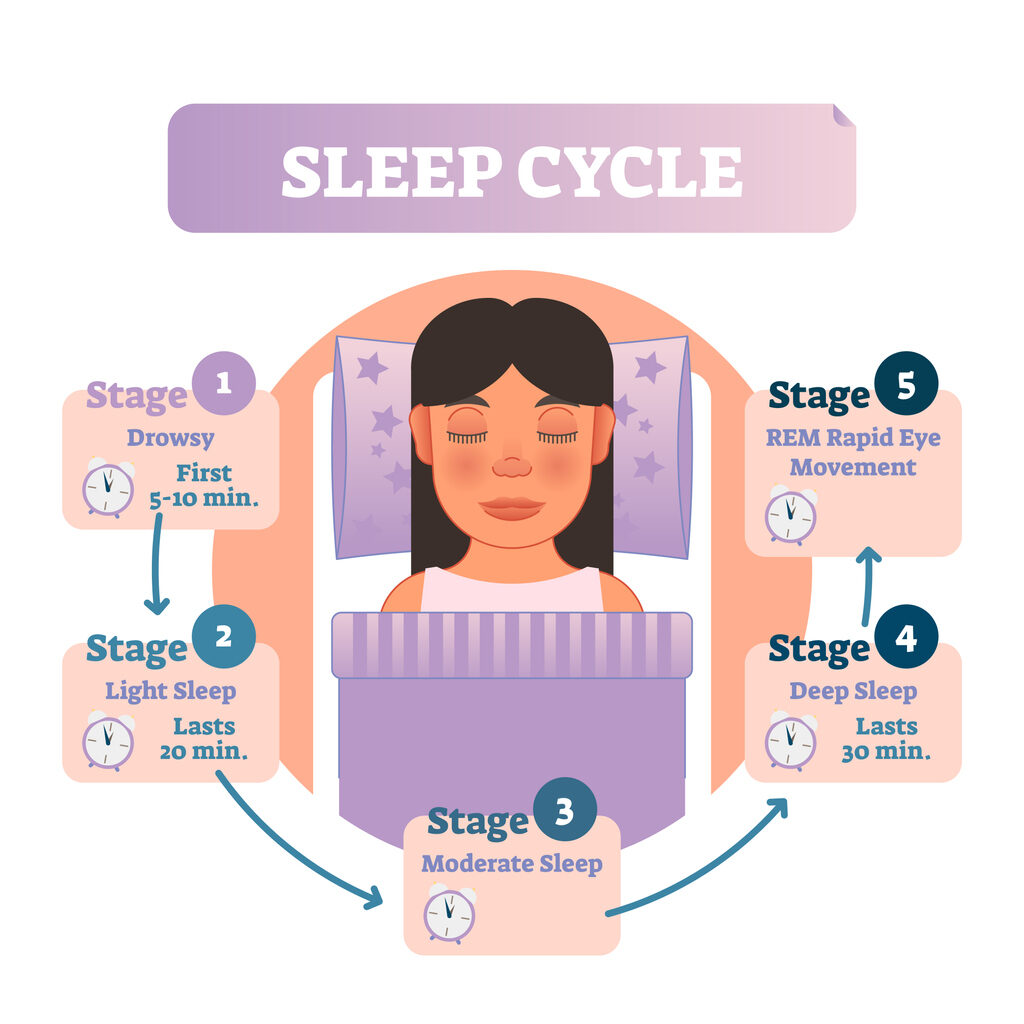
These sensors collect signals all night. The device uses algorithms to decide when you are awake, in light sleep, or in deep sleep. Some advanced trackers try to estimate REM sleep (when you dream).
Most consumer sleep trackers do not actually measure your brain waves (EEG), which is the gold standard for sleep measurement in a laboratory. Instead, they make educated guesses based on your movement, heart rate, and other signals.
Comparing Sleep Trackers To Medical Sleep Studies
Sleep scientists use a test called polysomnography (PSG) to measure sleep in a lab. This test uses many sensors: EEG (brain activity), EOG (eye movement), EMG (muscle tone), and more. It is very accurate and is used to diagnose sleep disorders.
Here’s a quick comparison between consumer sleep trackers and PSG:
| Feature | Consumer Sleep Trackers | Polysomnography (PSG) |
|---|---|---|
| Measures brain activity? | No | Yes |
| Tracks sleep stages? | Estimates | Accurate |
| Detects sleep disorders? | Limited | Yes |
| Home use? | Yes | No (usually in clinic) |
| Cost | Low to moderate | High |
The main takeaway: sleep trackers are convenient and affordable, but they are not as accurate as a medical sleep study.
What Sleep Trackers Measure Well
Some features of sleep trackers are fairly reliable. Here’s what most trackers can do with good accuracy:
1. Total Sleep Time
Most devices are good at estimating how long you sleep each night. If you wear your tracker regularly, it can show patterns—like whether you sleep longer on weekends, or if your sleep is interrupted often.
2. Sleep Consistency
Trackers help you see when you go to bed and when you wake up. Over time, this can highlight bad habits, like going to bed too late or waking up at different times each day.
3. Sleep Interruptions
If you get up to use the bathroom, or you toss and turn a lot, trackers usually notice these movements. This can show you if your sleep is broken into many short pieces.
4. Heart Rate Trends
Some trackers measure your heart rate all night. This can give you a general picture of your restfulness, as your pulse is usually lower and more steady during deep sleep.
Where Sleep Trackers Struggle
While sleep trackers have benefits, there are also clear limits:
1. Sleep Stages
Most trackers claim to show light, deep, and REM sleep. However, studies show that these estimates can be wrong, sometimes by a large margin. Trackers often confuse light sleep and wakefulness, or mislabel deep and REM sleep. This is because only an EEG can truly see what stage your brain is in.
2. Detecting Wakefulness
Trackers often miss short moments when you are awake but lying still. For example, if you lie in bed quietly, your tracker may think you are sleeping.
3. Diagnosing Disorders
Consumer trackers are not medical devices. They cannot diagnose conditions like sleep apnea, insomnia, or narcolepsy. Some may alert you to irregular patterns, but they cannot replace a doctor’s test.
4. Environmental Factors
Noise, temperature, and even your sleeping partner’s movements can confuse trackers. Devices that use microphones or motion sensors can pick up signals from other people or pets in the bed.
Accuracy Of Popular Sleep Trackers
Not all sleep trackers are the same. Some are better than others, depending on the technology and the brand. Here’s a comparison of a few popular devices based on research studies:
| Device | Tracks Sleep Stages? | Accuracy vs PSG (Total Sleep Time) | Accuracy vs PSG (Sleep Stages) |
|---|---|---|---|
| Fitbit Charge | Yes | Good (error ±30 mins) | Poor |
| Apple Watch | Yes | Good (error ±25 mins) | Fair |
| Oura Ring | Yes | Very good (error ±15 mins) | Fair |
| Whoop Strap | Yes | Good (error ±20 mins) | Fair |
| Xiaomi Mi Band | Yes | Fair (error ±45 mins) | Poor |
As you can see, total sleep time estimates are usually within 15–45 minutes of the true value. But sleep stage accuracy is much lower, especially for REM and deep sleep.
Insights Beginners Often Miss
Many people trust every detail from their sleep tracker. Here are two facts that are easy to overlook:
- Calibration matters: If you start using a sleep tracker, it may take a few days or even a week to learn your personal sleep patterns. The first few nights’ data may be less accurate. Let your tracker “get to know you” for better results.
- Don’t obsess over sleep stages: The labels “deep”, “REM”, and “light” sleep can be helpful to see trends, but they are often rough guesses. Instead, focus more on your overall sleep time and how you feel in the morning.
How To Use Sleep Trackers Wisely
If you want to get the most from your sleep tracker, here are some tips:
- Look for patterns, not perfection. Trackers are most useful for seeing long-term trends. Don’t worry if one night’s data looks strange.
- Combine data with your feelings. If your tracker says you slept poorly but you feel refreshed, trust your body.
- Be aware of limitations. Know that short periods of wakefulness may be missed. Use the tracker as a guide, not as an absolute truth.
- Avoid sleep anxiety. Some people become stressed by “bad” sleep scores. This can make sleep even harder. If you notice anxiety, take a break from tracking.
Common Mistakes When Using Sleep Trackers
It’s easy to misunderstand what your sleep tracker is telling you. Here are some mistakes to avoid:
- Taking every number as exact. Remember, your tracker uses estimates, not direct measurements.
- Ignoring device instructions. Wearing the device too loosely or not charging it can affect accuracy.
- Comparing your sleep to others. Everyone’s sleep needs are different. Don’t worry if your numbers are not the same as your friends’.
- Using tracker data to self-diagnose. If you think you have a sleep disorder, talk to a doctor. Trackers are not a replacement for medical advice.

Improving Sleep Tracker Accuracy
While you can’t make a basic tracker as good as a medical test, you can do a few things to help your device work better:
- Wear it correctly. Make sure your device is snug but comfortable, especially if it measures heart rate.
- Update software. Manufacturers often improve their algorithms. Keep your device’s app up to date.
- Set your sleep schedule. Many trackers let you enter your usual bedtime and wake time. This helps the device know when to start tracking.
- Avoid sharing beds with pets or children. Their movements can confuse the sensors.
Should You Trust Your Sleep Tracker?
The short answer: trust the big picture, not every detail. Sleep trackers are useful for watching habits, setting goals, and staying aware of your rest. They are not perfect, but they can help you make healthy changes.
If you use a tracker, focus on:
- Total sleep time
- Sleep regularity
- How you feel during the day
If you see a sudden change in your sleep, or you feel tired every day, consider talking to a sleep specialist. For most people, a sleep tracker is a helpful tool—not a medical device.
For more detailed information on sleep science, you can check this resource from the Sleep Foundation.
Frequently Asked Questions
How Accurate Are Sleep Trackers Compared To A Sleep Study?
Sleep trackers are less accurate than medical sleep studies (polysomnography). They estimate sleep stages based on movement and heart rate, not brain waves. For total sleep time, they are usually within 15–45 minutes of true values, but for sleep stages, the accuracy is much lower.
Can Sleep Trackers Detect Sleep Apnea Or Other Sleep Disorders?
Most consumer sleep trackers cannot diagnose sleep disorders. Some may notice patterns (like frequent awakenings) that suggest a problem, but they do not replace medical tests. If you suspect a disorder, see a doctor.
Why Does My Sleep Tracker Show I Was Asleep When I Was Awake?
Sleep trackers can miss periods of quiet wakefulness, especially if you lie still in bed. They often use movement sensors, so if you are awake but not moving, the device may think you are sleeping.
Are Some Sleep Trackers Better Than Others?
Yes, different brands and models use different sensors and algorithms. Devices like the Oura Ring and Apple Watch tend to give more reliable total sleep times. However, no consumer device matches the accuracy of a sleep lab study.
Should I Use A Sleep Tracker Every Night?
Using a sleep tracker regularly can help you see long-term sleep patterns. However, don’t feel pressured to use it every night. If tracking makes you anxious or disrupts your sleep, it’s okay to take breaks.
Sleep trackers can be a helpful tool, but it’s important to remember their limits. Use them as a guide, not a final answer, and always listen to your body. If you have concerns about your sleep, professional advice is best.

