
Can Sleep Trackers Track Sleep Cycles?
Many people want better sleep, and technology promises to help. Sleep trackers are everywhere—from smart watches to apps on your phone. They claim to tell you how long you sleep, how well you rest, and even what sleep stage you are in. But how accurate are these devices? Can sleep trackers really track your sleep cycles? Understanding the science behind sleep, and what trackers measure, can help you make better choices for your health. Let’s explore how sleep trackers work, their limitations, and what you can learn from them.
What Are Sleep Cycles?
To understand sleep trackers, you first need to know about sleep cycles. Sleep is not just one state. It changes throughout the night, moving between different stages:
- Light sleep (NREM stages 1 & 2): Your body relaxes, breathing slows, and heart rate drops.
- Deep sleep (NREM stage 3): Your body recovers, repairs muscles, and strengthens memory.
- REM sleep: This is when most dreaming happens. Brain activity is high, but your body is almost paralyzed.
A typical adult has 4-6 sleep cycles per night, each lasting about 90 minutes. The order and length of each stage change as the night goes on. Deep sleep is more common early in the night; REM sleep increases in the early morning.
How Do Sleep Trackers Work?
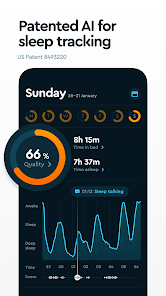
Sleep trackers use sensors to measure body movements, heart rate, breathing, and sometimes temperature. There are three main types:
- Wearable devices: Smartwatches, fitness bands, and rings sit on your wrist or finger.
- Bedside monitors: Devices placed under your mattress or on your nightstand.
- Mobile apps: Use your phone’s sensors and microphone.
Most trackers use actigraphy, which senses movement. Some add heart rate sensors and advanced algorithms to guess sleep stages.
Common Sensors In Sleep Trackers
- Accelerometer: Detects movement. Stillness usually means sleep.
- Heart rate monitor: Lower heart rate suggests deeper sleep.
- SpO2 sensor: Measures blood oxygen, sometimes used for sleep apnea.
- Temperature sensor: Tracks changes in skin temperature.
Some trackers combine these sensors for more detailed data. But none directly measure brain waves, which is the true way to identify sleep stages.
Can Sleep Trackers Track Sleep Cycles?
This is the big question. Sleep cycles are defined by changes in brain activity, not just movement or heart rate. The gold standard for measuring sleep is polysomnography (PSG), used in sleep labs. PSG uses electrodes to track brain waves (EEG), eye movement, muscle activity, breathing, and heart rate.
Sleep trackers do not record brain waves. They use algorithms to guess sleep stages based on movement and heart rate patterns. These guesses are not always accurate.
Comparing Sleep Trackers To Polysomnography
Here’s a comparison of how sleep trackers and PSG measure sleep:
| Feature | Polysomnography (PSG) | Sleep Trackers |
|---|---|---|
| Measures brain waves | Yes (EEG) | No |
| Measures eye movement | Yes (EOG) | No |
| Measures movement | Yes (EMG) | Yes (Accelerometer) |
| Measures heart rate | Yes | Yes |
| Identifies sleep stages | Accurate | Estimated |
As you can see, sleep trackers estimate sleep cycles, but their data is not as precise as PSG.
How Accurate Are Sleep Trackers?
Most sleep trackers are good at detecting total sleep time and wake periods. They are less accurate at identifying deep sleep and REM sleep. Studies show that trackers can misjudge sleep stages by 20–30 minutes or more.
Example: Accuracy Data
| Tracker Type | Total Sleep Time Accuracy | Sleep Stage Accuracy |
|---|---|---|
| Wearable (Smartwatch) | 85–90% | 60–70% |
| Bedside Monitor | 80–85% | 55–65% |
| Mobile App | 70–80% | 50–60% |
One non-obvious insight: Trackers often overestimate deep sleep, especially for people who are restless or move a lot at night. Also, REM sleep is hard to estimate without measuring eye movement or brain activity.
Sleep Tracker Algorithms: How They Guess Sleep Stages
Trackers use algorithms that look for patterns in your movement and heart rate. For example:
- Deep sleep: Your body is very still, heart rate is low.
- REM sleep: Heart rate increases, breathing changes, but you are still.
- Light sleep: Some movement, moderate heart rate.
These patterns are not always clear. Some people have high heart rates even in deep sleep. Others move during REM. This makes it hard for trackers to be accurate for everyone.
Example Algorithm Process
| Sensor | Data Collected | Sleep Stage Estimated |
|---|---|---|
| Accelerometer | Low movement | Deep sleep |
| Heart Rate Monitor | Elevated heart rate | REM sleep |
| Accelerometer + Heart Rate | Moderate movement, moderate heart rate | Light sleep |
Non-obvious tip: If you have a medical condition that affects your heart rate, such as arrhythmia, your sleep tracker may give less reliable results.
Pros And Cons Of Sleep Trackers
There are benefits and limitations to using sleep trackers. Here’s what you should consider:
Benefits
- Motivation: Seeing your sleep data can encourage you to improve habits.
- Sleep awareness: You notice patterns—when you go to bed, wake up, and how sleep changes.
- Detecting problems: Some trackers show signs of sleep apnea or insomnia.
Limitations
- Accuracy: Sleep stages are estimates, not exact.
- Over-reliance: People may worry too much about tracker data (“orthosomnia”).
- Variation: Results can change based on device placement, firmware updates, and personal factors.
One mistake beginners make: Believing sleep tracker results are scientific facts, when they are only guesses. Use tracker data as a guide, not a diagnosis.
Choosing The Right Sleep Tracker
If you want a sleep tracker, consider these factors:
- Sensor quality: Devices with heart rate and movement sensors are more accurate.
- Comfort: You must wear it all night. Rings and wristbands are popular.
- Data privacy: Check how your data is stored and shared.
- Integration: If you use other health apps, choose a tracker that syncs easily.
- Battery life: Some trackers need daily charging; others last a week or more.
Don’t just buy the most expensive device. Think about which features really matter to you. For example, if you only care about sleep duration, a simple tracker is enough. If you want detailed sleep stage data, look for a device with advanced sensors.
Improving Sleep Without Trackers
Sleep trackers can motivate you, but good sleep comes from healthy habits:
- Go to bed and wake up at the same time.
- Avoid screens before bed.
- Keep your bedroom cool and dark.
- Limit caffeine and alcohol.
If you have serious sleep problems, such as insomnia or sleep apnea, see a doctor. Trackers can help you notice issues, but only a professional can diagnose and treat sleep disorders.
Research And Future Trends
Recent studies show that sleep trackers are improving. New devices use AI and machine learning to analyze more data. Some trackers are now using sound, temperature, and even breathing patterns to refine sleep stage estimates.
There is also a trend toward combining tracker data with health records, giving doctors more information about your sleep. But privacy and accuracy remain concerns. For more details on sleep tracker research, visit Sleep Foundation.
Frequently Asked Questions
How Do Sleep Trackers Estimate Sleep Cycles?
Sleep trackers use sensors to collect movement, heart rate, and sometimes breathing data. Algorithms analyze these patterns to estimate when you move between light, deep, and REM sleep. They do not measure brain waves, so their sleep cycle data is only an estimate.
Are Sleep Trackers Accurate For Tracking Rem Sleep?
No, most sleep trackers are not very accurate at detecting REM sleep. REM is defined by brain activity and eye movement, which trackers cannot measure. They use heart rate and stillness as clues, but this can be wrong for many people.
Can Sleep Trackers Help Diagnose Sleep Disorders?
Sleep trackers can show signs of sleep problems, such as frequent waking or low sleep quality. However, they cannot diagnose disorders like sleep apnea or insomnia. Only a doctor, using medical tests, can diagnose sleep disorders.
Should I Trust My Sleep Tracker’s Data?
Use your sleep tracker as a guide, not as the absolute truth. Trackers are good for measuring total sleep time and wake periods. Sleep stage data may be inaccurate. If you notice big changes or problems, talk to a healthcare professional.
What Is The Best Sleep Tracker For Tracking Sleep Cycles?
The best tracker depends on your needs. Devices with heart rate sensors and advanced algorithms are more accurate. Popular options include smartwatches, rings, and bed monitors. Read reviews, check sensor quality, and choose a device that fits your lifestyle.
Getting enough sleep is important for health, energy, and mood. Sleep trackers can help you learn about your patterns, but remember their limits. Use your tracker to make positive changes, but rely on medical advice for serious issues. Better sleep starts with good habits, not just technology.


