
Many people want to know how well they sleep. Today, sleep trackers are everywhere. You see them on wrists, under pillows, and even built into phones. One of the most common questions is: can these devices actually detect movement during sleep? The answer is not as simple as yes or no. Understanding how sleep trackers work, what they measure, and their accuracy can help you decide if they are right for you.
How Sleep Trackers Measure Movement
Most sleep trackers use sensors to collect data about your body. The most popular sensor is the accelerometer. This tiny device measures movement in all directions. When you toss, turn, or shift, the accelerometer records it. Some trackers use gyroscopes for extra detail. Others use piezoelectric sensors placed under mattresses to detect pressure changes.
There are two main types of sleep trackers:
- Wearable trackers (like smartwatches and fitness bands)
- Non-wearable trackers (placed under the mattress or on the bedside)
Wearables detect movement from your wrist. Non-wearables sense movement from your body or bed. Both types can record when you move, but their accuracy depends on the sensor and placement.
How Data Is Used
Sleep trackers collect movement data and then use algorithms to guess your sleep stages. For example, if you move a lot, the tracker may think you are awake or in light sleep. If you stay still, it may guess you are in deep sleep. This is called actigraphy — using movement to estimate sleep.
Accuracy Of Sleep Trackers In Detecting Movement
Detecting movement is the easiest task for sleep trackers. Accelerometers are very sensitive. They can pick up tiny twitches or big changes, like turning over. Research shows that most trackers can detect movement with over 90% accuracy. However, the challenge comes when using movement to estimate sleep quality.
Many people believe that less movement means better sleep. While this is sometimes true, there are exceptions. For example, some people move a lot but still feel rested. Others hardly move but wake up feeling tired. Sleep trackers cannot tell the difference between restless movement and normal shifting.
Examples Of Movement Detection
- Fitbit Charge 5: Tracks movements every second and uses them to mark awake, light, deep, and REM sleep.
- Oura Ring: Uses both accelerometer and body temperature to improve accuracy.
- Withings Sleep Analyzer: Senses body movements using pressure sensors under the mattress.
These devices show movement data as graphs. You can see spikes when you move and flat lines when you stay still.
Limitations Of Movement-based Sleep Tracking
Movement detection is only part of the story. Sleep trackers cannot measure brain activity like medical sleep tests. They use movement as a clue, but it is not always correct. For example:
- False positives: If you get up to use the bathroom, the tracker may mark it as awake time.
- False negatives: If you lie still but are awake, the tracker may think you are in deep sleep.
Some sleep disorders, like sleep apnea, cause brief movements that trackers may miss. Also, if you sleep with someone else or have pets in bed, non-wearable trackers might record their movements instead of yours.
Comparison: Sleep Trackers Vs Polysomnography
Polysomnography (PSG) is the gold standard for sleep measurement. It uses sensors on your head and body to measure brain waves, eye movement, and breathing. Sleep trackers only use movement, so their results are less accurate. Here’s a quick comparison:
| Feature | Sleep Trackers | Polysomnography |
|---|---|---|
| Movement Detection | Very Good | Excellent |
| Sleep Stages | Estimated | Measured |
| Accuracy | Moderate | High |
| Cost | Low to Medium | High |
| Ease of Use | Easy | Difficult |
Extra Sensors: Improving Movement Detection
Some modern sleep trackers use more than just movement. They add heart rate, respiratory rate, and temperature sensors. This extra data helps the tracker guess sleep stages more accurately. For example, your heart rate drops during deep sleep. Combining movement and heart rate gives a clearer picture.
Popular Devices With Multiple Sensors
- Apple Watch Series 8: Uses accelerometer, heart rate, and blood oxygen sensors.
- Oura Ring Gen 3: Adds temperature and blood oxygen for better sleep stage detection.
- Fitbit Sense 2: Combines movement with heart rate and skin temperature.
When choosing a sleep tracker, look for devices with multiple sensors. They often provide better results, especially if you want to know more than just movement.
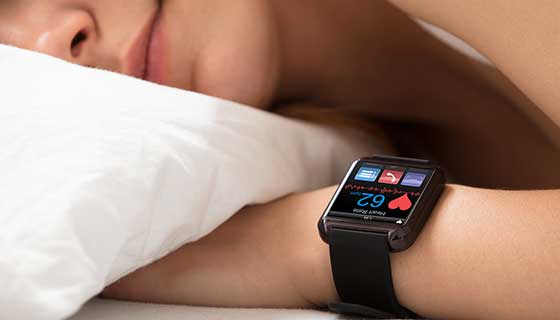
Data Presentation: How Movement Is Shown
Sleep trackers present movement data in different ways. Most use graphs or charts. You can see when you moved, how often, and during which parts of the night.
| Device | Movement Data Format | Sleep Stage Estimation |
|---|---|---|
| Fitbit | Bar graph | Algorithm-based |
| Oura Ring | Line graph | Multi-sensor algorithm |
| Withings Sleep Analyzer | Heat map | Pressure sensor-based |
Some trackers let you download your raw movement data. This can be useful for people who want to study their patterns more deeply.
Common Myths About Sleep Tracker Movement Detection
Many people have wrong ideas about what sleep trackers can do. Here are some common myths:
- Myth: Sleep trackers always know when you are awake.
- Trackers can miss periods when you are awake but not moving.
- Myth: More expensive trackers detect movement better.
- Price does not always mean more accurate movement detection. Sensor quality matters more.
- Myth: Movement equals poor sleep.
- Not all movement is bad. Some shifting is normal and healthy.
- Myth: All movement is detected.
- Trackers may miss small movements, especially if placed under the mattress.
Real-world Examples And Data
Studies show that sleep trackers are good at recording movement but less good at telling sleep stages. For example, a 2022 study found that the Fitbit Charge 5 matched movement detection with medical devices 93% of the time. However, its sleep stage estimation was only correct about 73% of the time.
Another study compared the Oura Ring to polysomnography. The ring detected movements with high accuracy but failed to identify some awakenings.
These examples show that movement detection is reliable, but sleep quality interpretation has limits.
Practical Tips For Using Sleep Trackers
If you want to use a sleep tracker to monitor movement, consider these tips:
- Wear it properly: Make sure your tracker fits snugly but comfortably.
- Avoid sharing beds with pets or children: Extra movement can confuse non-wearable trackers.
- Check settings: Some devices let you adjust sensitivity.
- Look at trends, not single nights: Patterns over weeks are more useful than one night’s data.
- Combine with other data: Heart rate and breathing can help confirm sleep stages.
Comparing Popular Sleep Trackers For Movement Detection
Here’s a side-by-side comparison of some leading devices for movement detection:
| Tracker | Sensor Type | Movement Detection Accuracy | Extra Features |
|---|---|---|---|
| Fitbit Charge 5 | Accelerometer | Very Good | Heart Rate, GPS |
| Oura Ring Gen 3 | Accelerometer, Temp | Excellent | Blood Oxygen, HR |
| Withings Sleep Analyzer | Pressure Sensor | Good | Snore Detection |
| Apple Watch Series 8 | Accelerometer, HR | Very Good | Blood Oxygen, ECG |
Two Insights Beginners Often Miss
Many beginners think movement tracking is the same as sleep tracking. In reality, movement detection is just one part. Sleep trackers estimate sleep stages based on movement and other data, but they cannot directly measure sleep quality.
Another insight: sleep trackers often need calibration. If you change your sleeping position, wear the tracker differently, or sleep in a new environment, your data may change. Always allow a few nights for adjustment.
When Sleep Trackers Are Most Useful
Sleep trackers are helpful for people who want to understand their sleep patterns. If you often feel tired or wake up at night, movement data can show restless periods. Athletes use movement tracking to optimize recovery. People with sleep disorders sometimes use trackers to show changes to their doctor.
However, if you want medical-grade sleep information, you may need a sleep study. Sleep trackers are not substitutes for professional diagnosis.
Future Trends In Sleep Movement Detection
Technology is improving fast. New trackers use AI algorithms to make sense of movement, heart rate, and breathing. Some even use sound or radar to detect movement without touching your body. As these tools get better, movement detection will become more detailed and reliable.
Researchers are also working on combining movement with smart home devices. For example, your smart bed or room lighting could adjust based on your movement during sleep. This could improve comfort and sleep quality.
If you want to see more about the science behind sleep trackers, visit Wikipedia’s Sleep Monitor page for deeper research.

Frequently Asked Questions
Can Sleep Trackers Detect All Movements During Sleep?
Most sleep trackers can detect large movements and many small movements. However, tiny twitches or movements deep inside the mattress may not be recorded, especially by non-wearable devices.
How Accurate Are Sleep Trackers In Detecting Movement?
Sleep trackers are usually 90% or more accurate in movement detection. Accuracy depends on sensor quality, placement, and whether the device is wearable or non-wearable.
Do Sleep Trackers Confuse Movement With Waking Up?
Sometimes, yes. If you move a lot, trackers may mark it as awake time. If you lie still but are awake, they may think you are sleeping. Algorithms try to reduce these mistakes, but they are not perfect.
Can Sleep Trackers Help Diagnose Sleep Disorders?
Sleep trackers can show movement patterns that may signal sleep problems. But they cannot diagnose disorders like sleep apnea or insomnia. For diagnosis, you need medical tests.
What’s The Difference Between Movement Detection And Sleep Stage Detection?
Movement detection records how much you move. Sleep stage detection uses movement (and sometimes heart rate or breathing) to guess whether you are in light, deep, or REM sleep. Only medical tests can directly measure sleep stages.
Sleep trackers are useful tools for monitoring movement during sleep. They offer helpful insights but have limits. With the right expectations, they can help you understand your sleep patterns and improve your rest. As technology evolves, movement detection will get even better, making sleep tracking more useful for everyone.

