
Can Smartwatches Track Blood Pressure?
Technology is changing how we care for our health. Today, many people wear smartwatches to count steps, check heart rate, and even track sleep. But a new question is rising: Can these smartwatches track blood pressure accurately? Blood pressure is an important number for your health, especially for those with heart problems or high blood pressure. The idea of checking it from your wrist, anytime, seems perfect. But is it really possible? Let’s look deeply into how smartwatches measure blood pressure, what the science says, and what you should know before trusting your watch for this important task.
How Blood Pressure Is Usually Measured
To understand what smartwatches try to do, it helps to know how blood pressure is measured by doctors. Normally, a nurse wraps a cuff around your upper arm. The cuff fills with air and tightens, then slowly lets the air out. This device is called a sphygmomanometer. It listens for the sounds of blood flow in your artery. The numbers you get — like 120/80 mmHg — are your systolic (higher) and diastolic (lower) blood pressure. This method is trusted worldwide.
Why do doctors use the upper arm? Because arteries there are big and close to the heart, so the reading is accurate. The cuff blocks the blood for a moment, then measures how hard your heart pushes the blood with each beat.
How Smartwatches Try To Measure Blood Pressure
Smartwatches don’t have a big air cuff. Most are slim and sit on your wrist. So, how do they try to measure blood pressure?
Optical Sensors (ppg Technology)
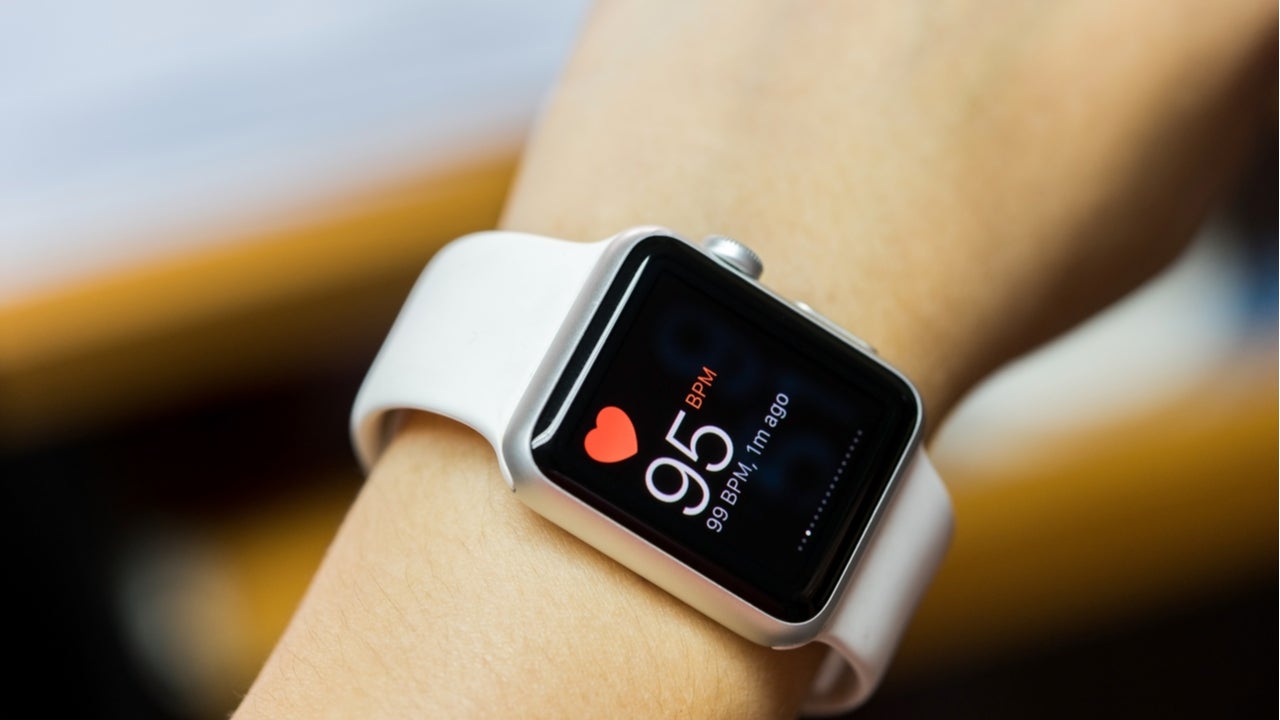
Most smartwatches use a method called photoplethysmography (PPG). This means shining a green or red light into your skin. The light bounces back differently with each heartbeat. The watch counts the beats and checks how blood flows in your wrist. From this, it tries to guess your blood pressure.
Pulse Transit Time (ptt) Method
Some advanced watches use pulse transit time (PTT). These watches have two sensors: one for your heart’s electrical signal (ECG) and one for the light signal (PPG). When your heart beats, the ECG sensor notices it instantly. The PPG sensor measures how long the pulse takes to reach your wrist. The time difference changes if your blood pressure goes up or down.
Calibration With Cuff
Most smartwatches need a real cuff-based blood pressure reading for calibration. You measure your blood pressure using a standard cuff, then enter the numbers into your smartwatch. The watch uses this as a “starting point.” Over time, it checks how your pulse changes and tries to adjust, but you need to recalibrate regularly.

Which Smartwatches Claim To Track Blood Pressure?
Not all smartwatches offer blood pressure features. Here are some popular models that do:
| Smartwatch | Blood Pressure Feature | How It Works | Needs Calibration? |
|---|---|---|---|
| Samsung Galaxy Watch (Active2, Watch 3, 4, 5, 6) | Yes | PPG + PTT | Yes |
| Huawei Watch D | Yes (Inflatable Cuff in strap) | Oscillometric (like doctor) | No |
| Omron HeartGuide | Yes (Inflatable Cuff in watch) | Oscillometric | No |
| Fitbit Sense, Versa 3 | Experimental (not for diagnosis) | PPG | Yes |
| Apple Watch (Series 6, 7, 8, Ultra) | No direct feature (third-party apps only) | PPG + apps | Yes |
Some smartwatches have a real inflatable cuff built into the strap or watch. These are more like a mini blood pressure machine on your wrist, but they are bulkier and cost more.
How Accurate Are Smartwatch Blood Pressure Readings?
Accuracy is the biggest question. People hope smartwatches will be as good as a doctor’s cuff. The truth is, it depends on the watch, the technology, and how you use it.
What Studies Show
Some smartwatches, like the Huawei Watch D and Omron HeartGuide, use real cuffs. Studies show they are nearly as accurate as a doctor’s reading if you use them correctly.
Watches that use only light sensors (PPG) are less accurate. Research shows they can be off by 10-15 mmHg in some cases. That’s enough to make a healthy person look like they have high blood pressure, or miss a real problem.
One study in the Journal of Medical Internet Research found that the Samsung Galaxy Watch 4 was accurate within 5 mmHg for about 80% of users, but only when recalibrated often and used in quiet settings.
Factors That Affect Accuracy
- Skin color: Darker skin can block some of the light, changing readings.
- Hair and tattoos: Can confuse the optical sensor.
- Wrist size and shape: Slim or thick wrists affect the fit.
- Movement: Moving your arm, walking, or even talking can change results.
- Calibration: Skipping calibration makes the readings worse over time.
What Doctors And Experts Say
Most doctors agree that smartwatches are not a replacement for a medical blood pressure monitor. They can be helpful for tracking trends, like if your blood pressure is rising over weeks. But for diagnosis or medicine changes, you need an approved monitor.
The U. S. Food and Drug Administration (FDA) has cleared a few models, like Omron HeartGuide, but not most smartwatches. The American Heart Association warns not to trust smartwatch readings alone.
Why People Want Blood Pressure On Their Wrist
For many, the idea of checking blood pressure anytime, anywhere, is exciting. Here’s why:
- Convenience: No need for a big cuff or to visit the clinic.
- Frequent checks: Useful for people with high blood pressure who need to check often.
- Spotting patterns: See how stress, exercise, or sleep affects your numbers.
- Motivation: Seeing your numbers can remind you to eat better, move more, or take medicine.
But, this convenience also has risks if the numbers are wrong. You might worry for no reason or miss a real problem.
Limitations Of Blood Pressure Tracking With Smartwatches
Despite all the promises, there are real limits to what smartwatches can do.
Not For Diagnosis
Smartwatch makers usually say their blood pressure feature is for wellness or reference only. It is not meant to diagnose or treat disease. This warning is important.
Need For Regular Calibration
Most models require you to use a real cuff-based monitor every few weeks. If you skip this, the numbers can drift and become very inaccurate.
Errors From Movement
Even small movements — talking, typing, or turning your wrist — can change the readings. You need to sit still and stay quiet for 30 seconds to get a good result.
Not For Everyone
People with certain medical conditions (like irregular heartbeats, diabetes, or vascular disease) may get wrong results. Also, children and pregnant women should not use smartwatch readings for medical decisions.
Data Privacy
Smartwatches often send your health data to the cloud. Make sure you trust the company with your information. Read their privacy policy and adjust settings as needed.
How To Use A Smartwatch For Blood Pressure (best Practices)
If you want to try blood pressure tracking on your smartwatch, follow these steps for the best results:
- Read the manual: Each watch is different. Follow the maker’s advice.
- Calibrate regularly: Use a trusted, upper-arm cuff monitor for calibration.
- Sit still: Rest for 5 minutes before measuring. Sit with your feet flat, back supported, and arm on a table.
- Keep the watch snug: Not too tight, not too loose.
- Measure at the same time daily: Morning and evening are best.
- Track trends, not single numbers: Watch for rises or drops over days, not single high or low readings.
- Check with your doctor: If you see a big change, use a medical device and talk to a healthcare professional.
Comparing Smartwatch Blood Pressure Features
Here’s a side-by-side look at popular models and what they offer for blood pressure tracking:
| Brand/Model | Blood Pressure Method | Accuracy | Calibration Needed | Price Range (USD) |
|---|---|---|---|---|
| Samsung Galaxy Watch 4/5/6 | PPG + PTT | Moderate | Yes | $250–$400 |
| Huawei Watch D | Mini Cuff | High | No | $350–$500 |
| Omron HeartGuide | Mini Cuff | High | No | $400–$500 |
| Apple Watch (with app) | PPG + App | Low/Experimental | Yes | $399–$799 |
| Fitbit Sense/Versa 3 | PPG | Low/Experimental | Yes | $200–$300 |
Real-world Examples: Who Uses Smartwatch Blood Pressure Features?
To see how people use these features, let’s look at a few real-life examples.
Case 1: Middle-aged Man With Hypertension
John, age 52, has high blood pressure. His doctor told him to check his numbers at home. He uses a Samsung Galaxy Watch 4, calibrated with a real cuff. He checks his pressure twice a day, sitting quietly. The watch helps him notice when his numbers rise after salty meals or stress.
When his watch showed a sudden spike, he confirmed with his cuff monitor and called his doctor. The watch helped him spot the change early, but he relied on his medical monitor to make decisions.
Case 2: Busy Professional
Maria, 38, has a stressful job. She uses a Fitbit Sense to track her wellness. It gives her a rough idea of blood pressure trends, but she knows it’s not for diagnosis. She likes seeing how her numbers change with sleep and exercise but visits her doctor for real checks.
Case 3: Tech Enthusiast
David, 29, loves gadgets and tracks everything. He has a Huawei Watch D. He likes the mini cuff, which feels like a real device. He compares readings with his home monitor and finds they match closely. For him, the extra cost is worth the peace of mind.
These stories show that smartwatch readings can help with awareness and motivation, but not replace medical advice.
Insights Beginners Often Miss
Many new users make mistakes when using smartwatches for blood pressure. Here are two important insights:
- Calibration is not a one-time task: Most smartwatches need you to recalibrate every 2–4 weeks. If you forget, your readings may become useless. Many beginners think the first setup is enough.
- Blood pressure changes naturally: Your numbers go up and down during the day — after eating, exercising, or even after coffee. A smartwatch may show these changes, but it is normal. Beginners often panic at a single high reading, but doctors look for patterns, not single numbers.

Are Smartwatches For Blood Pressure Worth It?
If you want a rough idea of your blood pressure trends and are willing to calibrate often, a smartwatch can be helpful. If you have a medical condition and need accurate numbers for diagnosis or medicine, stick to an upper-arm cuff.
Smartwatches offer convenience and motivation but are not a medical device for everyone. If you want the best of both worlds, look for watches with a real cuff, like Omron HeartGuide or Huawei Watch D. These are pricier but more reliable.
For most people, it’s best to use a smartwatch for tracking and awareness, and a medical monitor for real decisions.
Future Of Blood Pressure Tracking In Wearables
The technology is improving quickly. Researchers are working on better sensors, smarter algorithms, and even flexible cuffs that fit inside a normal-looking watch. In the next few years, we may see smartwatches that can match the accuracy of a doctor’s device.
Companies like Apple, Samsung, and Omron are investing in studies and new patents. The goal is to make blood pressure monitoring simple, reliable, and part of everyday life. But for now, limits remain.
If you want to learn more about future trends and research, you can read updates from the Wikipedia: Blood Pressure page.
Frequently Asked Questions
What Is The Most Accurate Smartwatch For Blood Pressure?
Currently, the Omron HeartGuide and Huawei Watch D are the most accurate. They use a small inflatable cuff, like a doctor’s device. Most other smartwatches use light sensors, which are less accurate.
Do I Still Need A Regular Blood Pressure Monitor If I Have A Smartwatch?
Yes. For medical decisions, you need an approved upper-arm cuff monitor. Smartwatches are good for tracking trends, but not for diagnosis or changing medicine.
How Often Should I Calibrate My Smartwatch For Blood Pressure?
Usually, every 2–4 weeks, or as your watch recommends. If you skip calibration, your readings can become wrong over time.
Can Smartwatches Detect High Blood Pressure Early?
They can help you see trends, like slowly rising numbers. But they may not catch sudden spikes or be accurate enough for diagnosis. Always check with a medical device and your doctor.
Is Blood Pressure Data From Smartwatches Safe And Private?
Most big brands protect your data, but it is sent to the cloud. Read the privacy policy and adjust your settings. Avoid sharing health data with third-party apps you do not trust.
Smartwatches for blood pressure are a step forward in personal health, but the technology is not perfect. Use them wisely, stay informed, and always confirm important readings with a trusted medical device. This balanced approach keeps you safe and helps you get the most from new technology.

