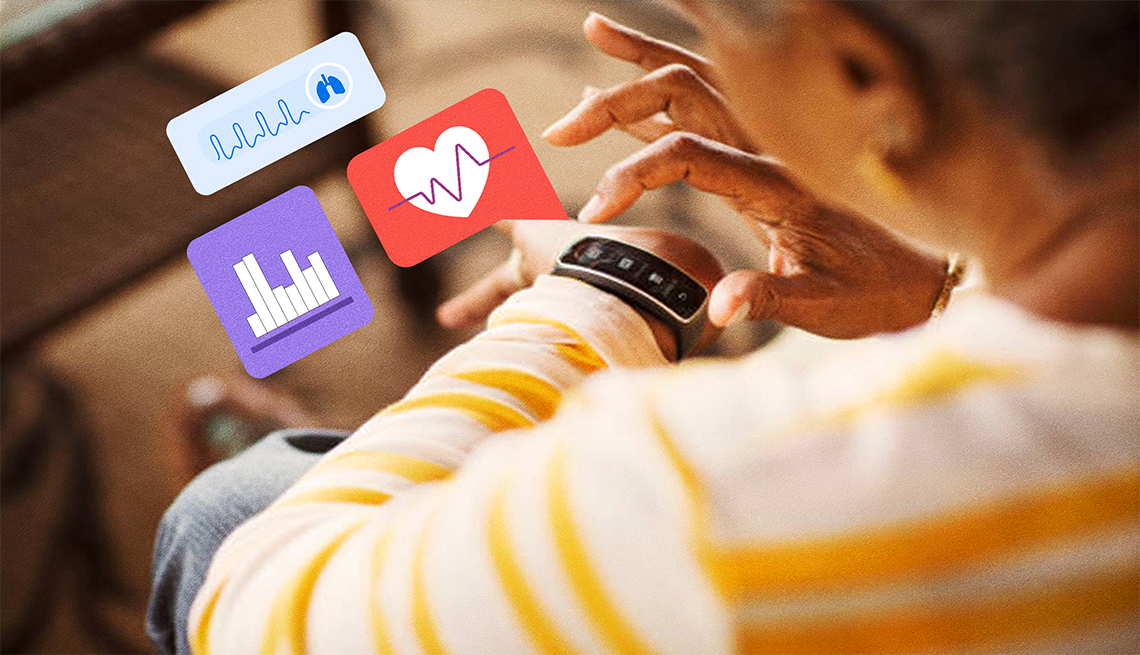
Smartwatches have changed the way people understand their health and fitness. Today, millions use these small devices not just to check the time or messages, but to track workouts, sleep, heart rate, and even stress. But how do smartwatches actually measure all this information?
The answer is a mix of sensors, software, and science. Knowing how smartwatches track fitness can help you trust your data, use your watch better, and avoid common mistakes.
Let’s dive into the world behind the screen—discovering the technology, accuracy, and little-known facts about fitness tracking on smartwatches. By the end, you’ll understand how your watch turns simple movement into real, useful health insights.
The Core Sensors Inside Every Smartwatch
The magic of fitness tracking starts with the sensors inside the watch. These tiny parts collect raw data every second you wear the device. Most modern smartwatches include several key sensors:
1. Accelerometer
This sensor detects movement in three directions (up-down, left-right, forward-backward). Every step, jump, or swing of your arm is measured by the accelerometer. It’s the main sensor for counting steps and recognizing basic activities like walking or running.
2. Gyroscope
While the accelerometer measures straight movement, the gyroscope senses rotation and tilt. This helps your watch understand the angle of your wrist or if your hand is spinning in a circle, which is useful for tracking activities like cycling, swimming, or yoga.
3. Optical Heart Rate Sensor
This uses tiny green LEDs and sensors to shine light into your skin and measure the blood flow underneath. Every time your heart beats, the amount of light reflected changes, and the sensor counts these changes to estimate your heart rate.
4. Barometer
A barometer measures air pressure. This helps the watch know if you are climbing stairs, hiking up a hill, or moving down. It’s important for tracking elevation changes and counting floors climbed.
5. Gps
The Global Positioning System pinpoints your location on Earth. GPS in smartwatches tracks how far you move and the route you take outdoors, which is vital for running, cycling, or hiking.
6. Spo2 Sensor (pulse Oximeter)
This sensor shines red and infrared light into your skin to estimate the level of oxygen in your blood. It can warn you if your oxygen drops during sleep or exercise.
7. Skin Temperature Sensor
Some smartwatches measure your skin temperature to track changes that can signal illness, stress, or a change in your workout intensity.
8. Ecg Sensor
Higher-end smartwatches may have an Electrocardiogram (ECG) sensor to record your heart’s electrical activity. This can detect irregular heart rhythms or signs of heart problems.
Each sensor plays a specific role. Together, they let your smartwatch build a detailed picture of your daily activity and health.
How Smartwatches Count Steps And Movement
The most basic fitness feature is step counting. Here’s how it works:
- The accelerometer senses movement in three axes.
- The watch’s software looks for patterns that match a step—usually a sharp up-and-down motion.
- Every time this pattern is detected, the watch adds one to your step count.
It may sound simple, but the software must ignore movements that aren’t steps (for example, waving your hand). This is why step counts can sometimes be off—if you’re washing dishes or riding in a car, your wrist moves but you’re not really walking.
Non-obvious insight:
Most smartwatches use advanced algorithms that learn your movement style over time. This means step tracking often gets more accurate after a few weeks of use. Also, if you wear your watch on your non-dominant hand, it may track steps more accurately because that hand moves less during daily tasks.
Tracking Workouts: Beyond Basic Steps
Fitness tracking goes far beyond counting steps. Smartwatches can now recognize dozens of activities and workouts. Here’s how:
- Motion patterns: The accelerometer and gyroscope combine to spot unique movement patterns. For example, the motion of swinging a tennis racket is different from running.
- Heart rate changes: The watch checks if your heart rate spikes, which signals exercise.
- User input: Some watches ask you to select the workout type, which helps the software apply the right detection method.
Example: How Running Is Tracked
When you start running, your wrist bounces in a regular pattern. The watch notices this rhythm, then looks for a higher heart rate and rapid arm swings. GPS checks your speed and distance. By combining these signals, the watch can tell if you’re jogging, sprinting, or just walking fast.
Example: Swimming
Waterproof smartwatches use gyroscope data to see your arm’s rotation. They count laps by detecting changes in direction at the end of each pool length. Some watches even spot the type of stroke you use.
Practical tip:
If your smartwatch lets you choose a workout before you start, always do it. This helps the device use the right sensors and improves tracking accuracy.
Heart Rate Monitoring: Science On Your Wrist
Heart rate is a key health and fitness signal. Most smartwatches use optical sensors (PPG: photoplethysmography) to measure it. Here’s how it works:
- The watch shines green LEDs into your skin.
- Blood absorbs green light. When your heart beats, blood flow increases, absorbing more light.
- The sensor measures how much light bounces back between beats.
- The watch counts these changes to estimate your pulse.
This method works best when the watch is snug on your wrist and your arm is still. During intense exercise, movement can cause errors.
Non-obvious insight:
Many people don’t realize that tattoos, very dark skin, or loose straps can affect heart rate accuracy. Also, cold weather can make your blood vessels smaller, making it harder for the sensor to read your pulse.
Comparing Heart Rate Accuracy
Here’s a look at how smartwatch heart rate sensors compare to chest straps (the gold standard):
| Device Type | Resting HR | Moderate Exercise | High-Intensity Exercise |
|---|---|---|---|
| Chest Strap | Very Accurate | Very Accurate | Very Accurate |
| Smartwatch (Optical) | Accurate | Mostly Accurate | Sometimes Inaccurate |
For most people, a smartwatch is good enough for general fitness. But serious athletes may still prefer a chest strap for high-intensity training.
Gps Tracking: Measuring Distance And Routes
When you run, cycle, or hike outdoors, GPS is the main tool for tracking your distance and route. The watch connects to a group of satellites orbiting the Earth. By measuring how long it takes for signals to reach your watch, it can calculate your exact position.
- Distance: The watch plots your location every second. By adding up the changes in position, it measures how far you travel.
- Route mapping: Many apps show your path on a map, so you can review your workout.
- Pace: The watch calculates your speed at each moment, showing your current and average pace.
Gps Accuracy Factors
GPS is very good outdoors but less reliable in these situations:
- Dense forests or tall buildings (signal blocked)
- Indoors (signal is weak or absent)
- Cloudy weather (minor effect)
Pro tip:
To get the best GPS accuracy, wait a few seconds after starting your workout for the watch to find enough satellites. Also, keep your watch’s software updated, as brands often improve GPS algorithms.
Gps Vs. Phone Tracking
Some smartwatches use the phone’s GPS instead of their own. Here’s a quick comparison:
| Feature | Built-in GPS Watch | Phone-GPS Watch |
|---|---|---|
| GPS Accuracy | Usually Higher | Depends on Phone |
| Battery Life | Drains Watch Battery | Drains Phone Battery |
| Convenience | No Phone Needed | Must Carry Phone |
If you value freedom during workouts, choose a watch with built-in GPS.
Calorie Tracking: Turning Data Into Energy Estimates
Smartwatches estimate calories burned by combining sensor data with your personal details:
- Movement: Steps, distance, and activity type from the accelerometer and gyroscope.
- Heart rate: Higher heart rate means more calories burned.
- Personal info: Age, weight, height, gender.
The watch uses formulas called METs (Metabolic Equivalent of Task) to guess how much energy you use during each activity.
How Accurate Is Calorie Tracking?
No smartwatch can measure calories perfectly. Studies show that most watches are within 10-20% of the real value for common activities like walking or running. Errors can be larger during activities with lots of arm movement (like boxing) or when biking (since your wrist moves less).
Experience-based tip:
Don’t rely on smartwatch calorie counts to guide eating or weight loss alone. Use them as a rough guide, not exact numbers.

Sleep Tracking: How Watches Monitor Your Rest
Many people use smartwatches to watch their sleep patterns. But how does the watch know if you’re awake or dreaming?
Sensors Used In Sleep Tracking
- Accelerometer: Detects if your body is still or moving.
- Heart rate sensor: Your pulse slows and changes patterns during deep sleep.
- SpO2 sensor: Some watches check blood oxygen, which can drop during sleep apnea.
What Sleep Data Means
The watch’s app divides your sleep into stages: light, deep, and REM (dream) sleep. It shows when you fell asleep, woke up, and how long you spent in each stage.
Limitations And Practical Advice
Smartwatches are good at spotting when you fall asleep or wake up. But they can’t perfectly measure sleep stages—medical sleep studies use brainwave sensors for this. If you want to improve sleep, focus on your total sleep time and regular sleep schedule, not just the exact numbers for each stage.
Non-obvious insight:
Your watch may mistake lying still while reading or watching TV for light sleep. If you want the most accurate results, start your sleep tracking only when you’re ready to close your eyes.
Stress And Wellness Tracking
Some watches offer stress tracking by measuring changes in your heart rate and its variability (HRV). HRV measures the small differences in time between each heartbeat. Low HRV can signal stress or tiredness.
- High HRV: Usually means you’re relaxed.
- Low HRV: Can mean stress, overtraining, or illness.
Skin temperature and SpO2 are also used for wellness tracking. Sudden changes may signal fever, sickness, or recovery needs.
How To Use These Features
- Use stress tracking as a daily check-in, not a diagnosis.
- If your watch shows repeated signs of high stress or low oxygen, it’s a good idea to rest or talk to a doctor.
Common Limitations And How To Get The Best Results
Smartwatches are powerful, but they have limits. Here’s what to watch out for:
- Sensor placement: Always wear your watch snugly, about one finger above your wrist bone.
- Skin conditions: Tattoos, scars, or dark skin may affect sensor readings.
- Battery life: Using GPS, heart rate, and SpO2 together drains the battery fast.
- Data privacy: Your health data is valuable. Set up privacy controls and know how your data is used.
Getting More Accurate Fitness Data
- Calibrate your watch: Some watches let you calibrate step length or GPS. Do this for better results.
- Update regularly: Brands often fix bugs or improve accuracy with software updates.
- Choose the right activity: Always select your activity before starting a workout for the best sensor use.
- Stay consistent: Wear your watch on the same wrist every day.
The Role Of Apps And Cloud Services
After sensors collect data, your smartwatch sends it to an app on your phone or to the cloud. Here, powerful algorithms analyze your information.
- Pattern recognition: The app looks for trends, like improved fitness or missed workouts.
- Goal setting: Apps help you set and track goals—steps, workouts, sleep, or calories.
- Social sharing: Many platforms let you share achievements or join challenges.
Some watches also use machine learning to get smarter about your habits over time. For example, they may remind you to move if you’re sitting too long or suggest a workout based on your recent activity.
Comparing Popular Smartwatches For Fitness Tracking
Let’s look at how some leading models compare in fitness features:
| Feature | Apple Watch Series 8 | Samsung Galaxy Watch 5 | Garmin Forerunner 255 |
|---|---|---|---|
| Step Tracking | Yes | Yes | Yes |
| Heart Rate Sensor | Optical + ECG | Optical + ECG | Optical |
| GPS | Built-in | Built-in | Built-in |
| Sleep Tracking | Yes | Yes | Yes |
| SpO2 | Yes | Yes | Yes |
| ECG | Yes | Yes | No |
| Battery Life | ~18 hours | ~40 hours | ~14 days |
Key insight:
If you want long battery life and advanced sport features, Garmin is a top choice. For daily health tracking and smart features, Apple or Samsung may suit you better.
How Smartwatches Use Artificial Intelligence
Modern smartwatches don’t just track—they learn. Artificial intelligence (AI) helps watches recognize new activity patterns, detect falls, and even warn about possible health issues.
- Personalized feedback: AI analyzes your habits to suggest better workouts or warn you if your heart rate is abnormal.
- Fall detection: Some watches use accelerometer and gyroscope data, plus AI, to spot dangerous falls and alert emergency contacts.
- Irregular rhythm notifications: AI checks heart rate patterns for signs of atrial fibrillation or other heart problems.
Non-obvious insight:
AI features get more accurate as you use your watch. The more data it collects, the better it understands your unique patterns.
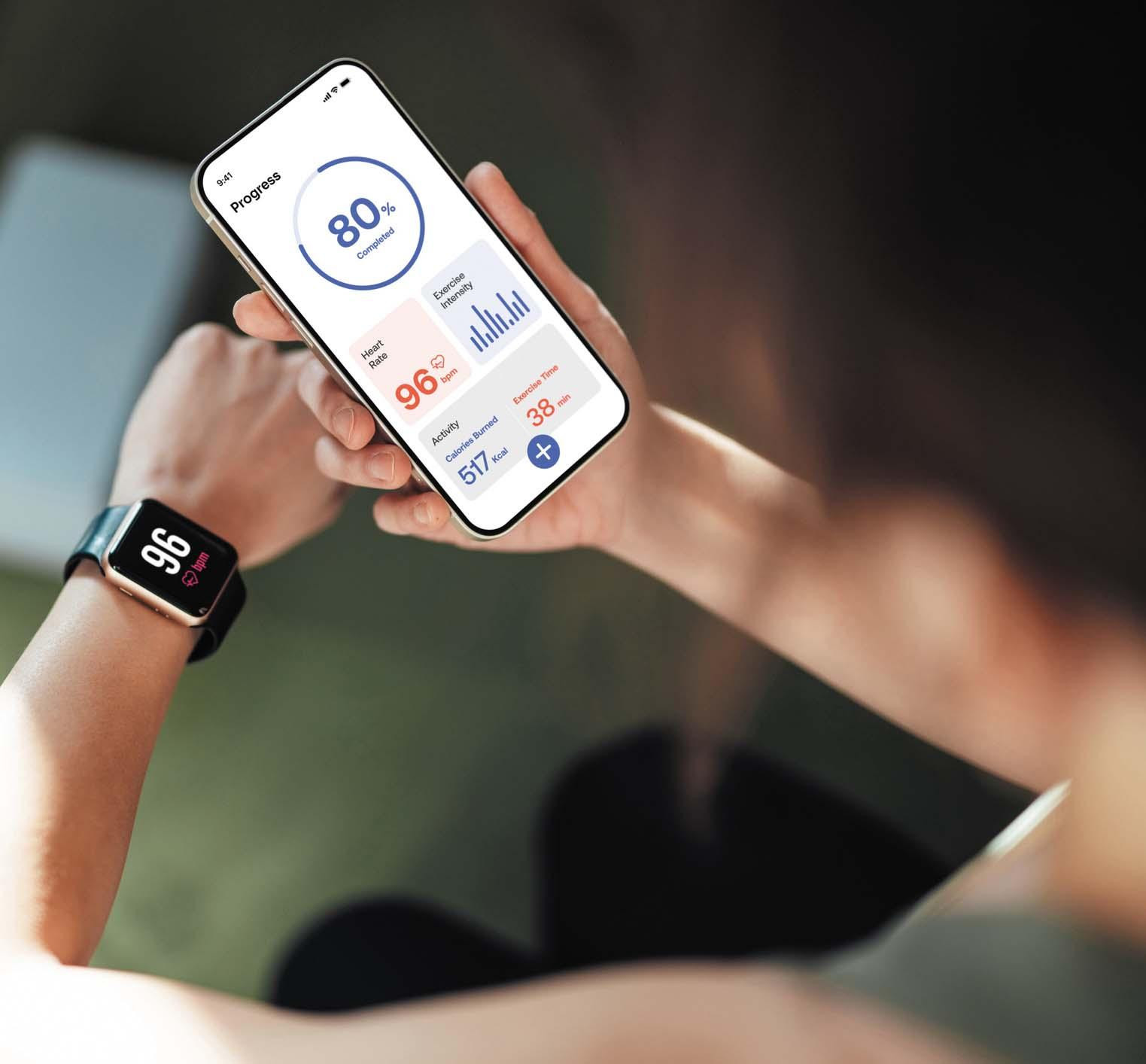
The Future Of Fitness Tracking In Smartwatches
Technology is moving fast. Here’s what’s coming soon:
- More medical sensors: Blood sugar, hydration, and blood pressure sensors are in development.
- Better accuracy: Improved AI and sensor fusion will cut down on errors.
- Deeper insights: Watches will help predict illness, injury risk, and recovery needs.
If you want to read about current research in wearable sensors, visit Wikipedia’s Wearable Technology page.
Frequently Asked Questions
How Accurate Are Smartwatches At Tracking Steps?
Smartwatches are usually accurate within 5-10% for step counts during regular walking or running. Movements like waving your arms or driving can cause small errors. Accuracy improves when you wear the watch snugly and consistently.
Can A Smartwatch Replace Medical Devices For Heart Monitoring?
No, while smartwatches are great for daily checks, they are not medical devices. They can spot trends or warn you of changes, but for serious heart issues, always use certified medical equipment and talk to a doctor.
Do Smartwatches Track Calories Burned Correctly?
Calorie tracking is an estimate. For most people, smartwatches are within 10-20% of the real value for walking or running. They may be less accurate for weightlifting, cycling, or activities with little arm movement.
How Do Smartwatches Track Sleep Stages?
Watches use movement, heart rate, and sometimes SpO2 sensors to guess your sleep stage. They are best at spotting when you’re awake or asleep but less accurate for deep or REM sleep compared to medical sleep studies.
Is My Data Safe On Fitness Tracking Apps?
Most big brands use strong security, but your data is often stored in the cloud. Always use a strong password, set privacy settings, and read the app’s policy to know how your data is used.
Smartwatches have made health tracking simple and personal. Understanding how they work helps you get the most from your device and trust the data it gives you. As technology grows, these tools will only become more powerful and accurate—helping everyone take charge of their health, one step at a time.