
Choosing the best BCAA supplement can feel confusing, especially with so many options on the market. If you’ve ever walked into a supplement store or browsed online, you’ve seen bottles with big claims—“Faster recovery!” “Build muscle!”—but how do you know which one is right for you?
Whether you’re a beginner or an experienced athlete, understanding what makes a BCAA supplement effective will help you get the most value for your money and support your fitness goals.
In this guide, you’ll learn exactly what to look for when picking a BCAA supplement. We’ll cover the science behind BCAAs, explain the key factors to consider, show you how to compare products, and highlight mistakes that even experienced users often make.
You’ll finish this article with the confidence to make a smart, informed choice—no matter your fitness level.
What Are Bcaas And Why Do They Matter?
BCAAs stands for branched-chain amino acids. These are three essential amino acids: leucine, isoleucine, and valine. Your body can’t make them, so you need to get them from food or supplements.
BCAAs play a key role in:
- Muscle growth: Leucine especially helps trigger muscle protein synthesis.
- Recovery: They may help reduce muscle soreness after exercise.
- Energy: BCAAs can serve as fuel during long workouts, delaying fatigue.
Many people use BCAA supplements to speed up recovery, improve endurance, and support muscle growth. However, not all supplements are created equal. Quality, dosage, and other ingredients matter more than you might think.
Main Factors To Consider When Choosing A Bcaa Supplement
To find the best BCAA supplement, you need to look beyond marketing. Here are the most important factors to consider:
1. Bcaa Ratio
The ratio tells you how much leucine, isoleucine, and valine are in each serving. The most common ratios are 2:1:1, 4:1:1, and 8:1:1 (leucine:isoleucine:valine).
- 2: 1:1 is widely studied and balanced for most people. It matches the ratio found in natural food sources.
- 4: 1:1 and 8:1:1 have extra leucine. Some claim this boosts muscle building, but research is mixed.
For most, a 2:1:1 ratio is best, especially if you’re new to BCAAs or want something backed by science. More leucine isn’t always better; extremely high ratios can waste the benefits of isoleucine and valine.
2. Total Bcaa Content Per Serving
Check the total grams of BCAAs per serving. Most products offer 5–7 grams per scoop, which is enough for noticeable effects.
A supplement with at least 5 grams of BCAAs per serving is a good starting point. If you train very hard or are larger in size, you might benefit from a higher dose.
3. Quality And Purity
Look for products with high purity and minimal fillers. Some brands add cheap ingredients to bulk up the powder, which does nothing for your results.
- Choose supplements that use fermented BCAAs. These are usually made from plant sources and are cleaner than animal-based or chemically produced BCAAs.
- Avoid products with unnecessary additives like artificial colors, too much sugar, or excessive flavoring.
A simple ingredient list is a good sign of quality.
4. Other Ingredients
Many BCAA supplements add extra ingredients. Some are helpful, but others are just marketing.
Common extra ingredients:
- Electrolytes (like sodium, potassium, magnesium): Useful for hydration, especially during long workouts.
- Beta-alanine, glutamine, or citrulline malate: These can support endurance and recovery, but are not essential in a basic BCAA supplement.
- Caffeine: Provides energy, but not everyone wants or needs a stimulant.
Think about your goals. If you only want BCAAs for muscle recovery, avoid products with too many extras.
5. Taste And Mixability
If a supplement tastes bad or doesn’t dissolve well, you probably won’t use it regularly.
- Look for reviews about taste and mixability.
- Some users prefer unflavored powders to add to shakes or smoothies.
Remember, taste is personal, but if many people complain about the flavor, it’s a red flag.
6. Brand Reputation And Testing
Trust matters in supplements. Some companies cut corners, but others invest in quality.
- Pick brands that do third-party testing for purity and label accuracy. Look for seals like NSF Certified, Informed-Sport, or USP.
- Check the brand’s history and user reviews.
A respected brand is less likely to sell a poor-quality product.
7. Price And Value
Price isn’t everything, but it does matter. Compare the cost per serving, not just the price per bottle.
Calculate value by dividing the price by the number of servings. Sometimes, a more expensive product is actually cheaper per serving if the dose is higher or the quality is better.
8. Dietary Restrictions
If you are vegetarian, vegan, or have allergies, check the label carefully. Not all BCAAs are plant-based, and some may contain hidden animal products, soy, gluten, or dairy.
Many brands now offer vegan BCAAs made from fermented corn or other plant sources.
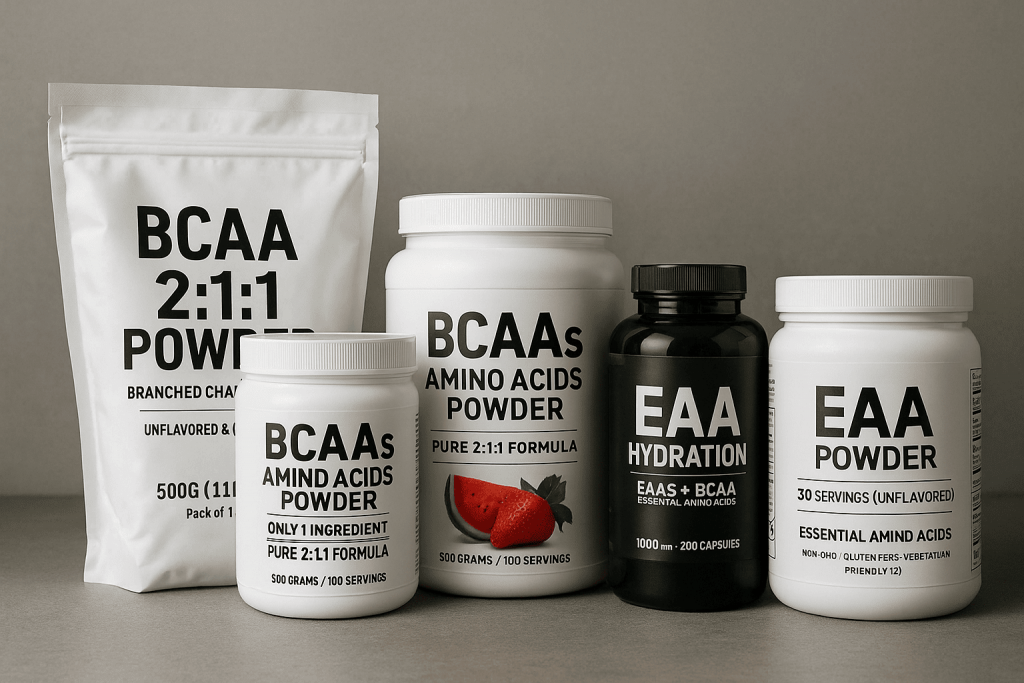
Comparing Popular Bcaa Supplements: Example Table
To help you see the differences, here’s a comparison of three well-known BCAA supplements:
| Brand | BCAA Ratio | BCAAs per Serving | Third-Party Tested? | Vegan-Friendly? | Approx. Cost per Serving |
|---|---|---|---|---|---|
| Scivation Xtend | 2:1:1 | 7g | Yes | No | $0.60 |
| Bulk Supplements BCAA | 2:1:1 | 6g | No | Yes | $0.35 |
| Optimum Nutrition BCAA | 2:1:1 | 5g | Yes | No | $0.50 |
This table shows why you should check several details—not just the brand name or price.
When Should You Use A Bcaa Supplement?
You might wonder if you actually need a BCAA supplement. Here are some cases where they can help:
- During fasted workouts: If you train without eating, BCAAs can help protect muscle.
- After intense or long training sessions: They may speed up recovery and reduce soreness.
- If your diet is low in protein: Vegetarians, vegans, or people on calorie-restricted diets can benefit.
- For endurance sports: Runners and cyclists sometimes use BCAAs to delay fatigue.
However, if you already eat enough high-quality protein (like meat, eggs, or dairy), you may get plenty of BCAAs from your diet alone.
How To Read A Bcaa Supplement Label
Understanding the label is key to making a smart choice. Here’s how to check what matters:
Serving Size And Dosage
Look for the serving size in grams and how many servings are in the container. Make sure you’re getting at least 5 grams of BCAAs per serving.
Amino Acid Breakdown
A good label should show the exact amount of leucine, isoleucine, and valine. If the label only shows a “BCAA blend” without the amounts, be cautious.
Other Ingredients
Check for:
- Artificial sweeteners (like sucralose, aspartame)
- Colors and flavorings
- Other amino acids or performance ingredients
If you want a pure product, stick with a short ingredient list.
Certification Seals
Look for seals like:
- NSF Certified for Sport
- Informed-Choice
- USP Verified
These prove that the product has been tested for quality and safety.
Key Differences: Bcaa Powder Vs. Capsules
You’ll see BCAA supplements sold as powders and capsules. Which is better? Here’s a quick comparison:
| Form | Pros | Cons |
|---|---|---|
| Powder | – Easy to mix in drinks – Can dose flexibly – Usually better value per serving |
– Some flavors can taste artificial – Not as portable – May not dissolve well |
| Capsules | – Convenient for travel – No taste – Simple to take |
– More expensive per serving – Need to swallow many capsules for full dose |
Most athletes use powder for regular training and capsules for travel or convenience.
Common Mistakes When Choosing A Bcaa Supplement
- Ignoring the BCAA ratio: Some products hide the ratio or use unbalanced formulas. Always check for a clear 2:1:1 ratio unless you have a specific reason to choose otherwise.
- Falling for big marketing claims: “Ultra muscle growth!” is not a guarantee. Focus on ingredients and quality, not flashy promises.
- Choosing based on taste alone: Flavor matters, but don’t pick a product just because it tastes like candy if it has weak doses or lots of sugar.
- Buying the cheapest option: Low price often means low quality or tiny servings. Calculate cost per serving and check for third-party testing.
- Not checking for allergens or animal products: If you have allergies or follow a vegan diet, check every label. Many BCAAs are made from animal sources.
- Not considering your own goals: If you want BCAAs for recovery only, skip products loaded with caffeine or extra stimulants.
Advanced Insights: What Beginners Often Miss
Even experienced users sometimes overlook these points:
- Leucine threshold: For muscle building, you need about 2–3 grams of leucine per serving. Some cheap supplements provide less, reducing the benefit.
- Synergy with protein intake: BCAA supplements work best when your overall protein intake is slightly below optimal. If you already eat a lot of complete protein, adding BCAAs may have little effect.
- Absorption speed: BCAAs are absorbed faster than whole protein, which is helpful before or during workouts. But for general muscle building, total daily protein matters more.
Understanding these finer details can help you get the most out of your supplement and avoid wasting money on products that don’t fit your actual needs.
Questions To Ask Before Buying
Before you buy, ask yourself:
- What is my main goal—muscle growth, recovery, energy, or something else?
- Do I have any dietary restrictions or allergies?
- Am I already getting enough BCAAs from food?
- Do I need a pure supplement, or do I want added ingredients like electrolytes?
- Do I prefer powder or capsules?
Being clear about your answers will help you pick the right product without regret.
Comparing Bcaa Supplements: Key Factors At A Glance
Here’s a quick reference to sum up the most important points to compare:
| Factor | Why It Matters | What to Look For |
|---|---|---|
| BCAA Ratio | Balance of amino acids affects results | 2:1:1 for most users |
| Grams per Serving | Ensures you get an effective dose | At least 5g total BCAAs |
| Purity and Additives | Less filler means better quality | Short ingredient list, no artificial colors |
| Testing | Confirms safety and label accuracy | Third-party tested products |
| Dietary Suitability | Prevents allergic reactions or diet conflicts | Clear vegan/vegetarian labeling if needed |
| Brand Reputation | Reduces risk of low-quality supplements | Trusted, established brands |
| Price per Serving | Helps you get the best value | Compare cost, not just bottle price |
Keep this reference handy when comparing products online or in stores.
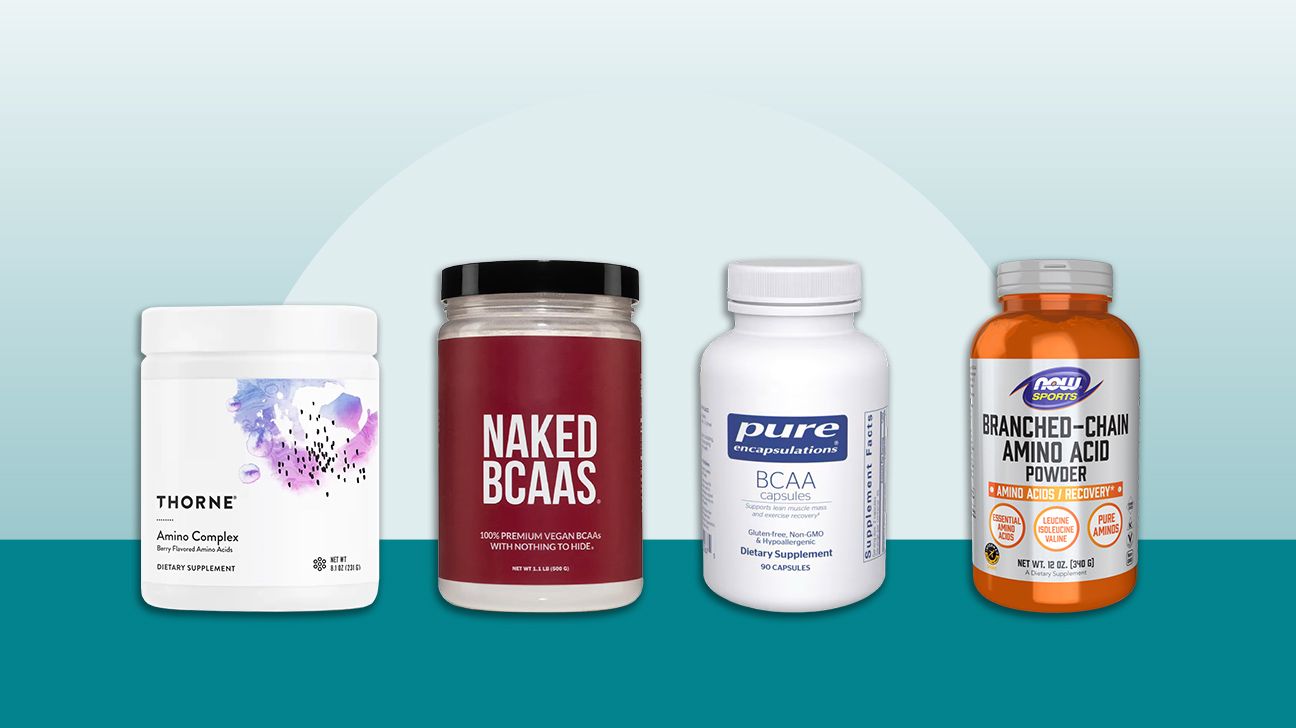
Real-world Example: Choosing A Bcaa Supplement
Let’s imagine you’re an athlete training 4–5 times per week, and you want a supplement for muscle recovery.
You look at two options:
- Option A: 2:1:1 ratio, 6g BCAAs per serving, no artificial flavors, third-party tested, $0.55 per serving, vegan.
- Option B: 4:1:1 ratio, 4g BCAAs per serving, artificial colors, not tested, $0.40 per serving, not vegan.
Which is better? Even though Option B is cheaper, Option A gives you a better dose, cleaner ingredients, and is safer due to testing. For most people, Option A is the smarter choice.
Should You Combine Bcaas With Other Supplements?
Some athletes combine BCAAs with protein powder, creatine, or pre-workout supplements. This can work well, but it’s not always necessary.
- If you already take a whey protein supplement after training, you may not need extra BCAAs.
- If you use a pre-workout with added BCAAs, check the label so you don’t double up.
- BCAAs can be useful alone before or during long workouts, especially for endurance sports.
Always check for overlapping ingredients to avoid taking too much or wasting money.
Science And Research Behind Bcaas
Do BCAA supplements really work? Research shows mixed results:
- Muscle growth: BCAAs can help trigger muscle protein synthesis, but a complete protein source (like whey) is usually more effective for growth.
- Recovery: Some studies show that BCAAs reduce muscle soreness after intense exercise, especially in people new to training.
- Endurance: BCAAs may delay fatigue in long workouts, but effects are moderate.
BCAAs are not a magic solution, but they can help support your goals—especially if your diet is lacking, or you train hard and often.
To read more, check this overview from the Examine.com research site.
Frequently Asked Questions
1. What Is The Best Time To Take Bcaa Supplements?
Most people take BCAAs before, during, or after workouts. If your goal is muscle recovery, after training is ideal. For energy or to prevent muscle breakdown, take them before or during exercise. The timing isn’t critical for most people—consistency matters more.
2. Are Bcaa Supplements Safe?
BCAA supplements are generally safe for healthy adults when used as directed. However, people with certain medical conditions, such as liver or kidney disease, should consult a doctor before use. Avoid extremely high doses, as there is no added benefit and it may cause digestive upset.
3. Can I Get Enough Bcaas From Food?
Yes, if you eat plenty of high-protein foods like meat, eggs, dairy, or soy, you probably get enough BCAAs. Supplements are most helpful for people who have low protein intake, follow vegan diets, or want extra support during intense training.
4. Should Women Use Bcaa Supplements?
Women can benefit from BCAA supplements just like men, especially for muscle recovery and reducing soreness. The same rules for choosing a product and dosing apply to both men and women.

5. How Do I Know If My Bcaa Supplement Is Working?
Signs that your BCAA supplement is effective include faster recovery, less muscle soreness, and better workout performance. Keep in mind, changes are often subtle. If you don’t notice any benefits after a few weeks, review your diet and training for other possible improvements.
Choosing the best BCAA supplement is about more than picking a popular brand or the lowest price. By focusing on the ratio, dosage, quality, and your own needs, you can make a smart choice that supports your fitness journey. With the knowledge from this guide, you’ll be ready to compare products confidently and avoid common mistakes.
Remember, supplements only work as part of a balanced diet and consistent training. Use them wisely, and you’ll see real results.

