
Many people in the fitness world talk about BCAA supplements. You may see them in gyms, on health websites, or in the hands of athletes. But what are BCAAs, and why do so many people use them? If you have ever wondered if these supplements are helpful, or if they are just a trend, you are not alone.
Many beginners and even regular gym-goers feel confused about their real benefits.
BCAAs, or Branched-Chain Amino Acids, are not a magic shortcut, but they do offer some real advantages. They play a special role in muscle health, exercise recovery, and even energy levels. This article will give you a clear, complete guide to the benefits of BCAA supplements. Whether you want to build muscle, recover faster, or just feel less tired, you will learn how BCAAs might help—and what science says about them. Let’s look at why these three simple amino acids have become so popular, and how you can use them wisely.
What Are Bcaa Supplements?
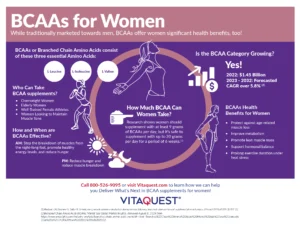
BCAA supplements are powders, capsules, or drinks that contain three special amino acids: leucine, isoleucine, and valine. These three are called “branched-chain” because of their unique chemical shape. Your body cannot make them itself; you must get them from food or supplements.
Here are some key facts:
- Leucine is the most important for muscle growth.
- Isoleucine helps with energy and blood sugar control.
- Valine supports muscle repair and reduces fatigue.
You find BCAAs in foods like meat, dairy, and eggs. But some people use supplements for a quick and easy way to get higher amounts, especially around workouts.
Main Benefits Of Bcaa Supplements
1. Support Muscle Growth
One of the main reasons people use BCAA supplements is for muscle building. Leucine, in particular, is known to start the process of making new muscle protein. This process is called muscle protein synthesis.
When you exercise, your muscles break down. To grow bigger and stronger, your body needs to rebuild them. BCAAs, especially leucine, act like a signal to start this repair and growth. Studies have shown that taking BCAAs after exercise can help muscles rebuild faster, especially when combined with enough protein in your diet.
However, it’s important to know that BCAAs alone are not better than a complete protein source (like whey protein), but they can be helpful if your diet is low in protein, or you want a quick, light supplement before or after exercise.
2. Reduce Muscle Soreness
Many people feel sore after a hard workout, sometimes for days. This muscle pain is called delayed onset muscle soreness (DOMS). Research shows that BCAA supplements can help reduce this soreness.
BCAAs do this by lowering muscle damage during exercise and speeding up the repair process. If you take BCAAs before or after a tough workout, you may feel less sore and recover more quickly. This means you can get back to your next session sooner, which is very important for athletes or anyone training several times a week.
A study in the *Journal of International Society of Sports Nutrition* found that people who took BCAA supplements after weightlifting felt less muscle soreness and recovered faster than those who did not.
3. Decrease Exercise Fatigue
Feeling tired during exercise can stop you from doing your best. BCAAs can help reduce this exercise-related fatigue. When you work out, your body uses up its BCAA stores for energy. As BCAA levels drop, your brain gets more of another amino acid called tryptophan, which makes you feel tired.
By taking BCAA supplements, you keep your blood levels higher, which can delay the feeling of tiredness. This means you may be able to train longer or harder before you feel exhausted.
A practical example: Many endurance athletes, like runners or cyclists, use BCAAs during long sessions to help them keep going when they would normally slow down.
4. Prevent Muscle Loss
Losing muscle is a common problem during long-term dieting, illness, or when you can’t exercise because of injury. BCAA supplements can help protect muscle tissue in these situations.
When you eat less, your body sometimes breaks down muscle for energy. BCAAs supply your muscles with what they need, so your body is less likely to “eat” its own muscle. This is especially important for older adults, who naturally lose muscle with age (a problem called sarcopenia).
BCAA supplements are often used in hospitals for people who are very sick, to help them keep their strength. For athletes on a calorie-cutting diet, BCAAs help them lose fat without losing much muscle.
5. Support Weight Loss
Some research shows that BCAA supplements may help with weight loss, especially when combined with exercise and a healthy diet.
BCAAs can help in two ways:
- They keep your muscles strong, which helps your body burn more calories.
- They may reduce appetite, making it easier to stick to your eating plan.
A 2016 study found that wrestlers who took BCAAs lost more body fat and kept more muscle compared to those who only cut calories. However, BCAAs are not a miracle fat-burner. They support weight loss best when you eat fewer calories and exercise regularly.
6. Improve Immune Function
Intense exercise can sometimes weaken your immune system, making it easier to get sick. BCAAs play a role in keeping your immune system strong.
Your body uses BCAAs to make important cells that fight infection. Athletes who train hard often have lower BCAA levels, which may put them at risk for illness. Taking BCAA supplements can help replace what is lost, especially during long or repeated exercise sessions.
For example, marathon runners often use BCAAs during training season to avoid getting sick before a big race.
7. Promote Better Recovery
Recovery is not just about less soreness—it’s about how quickly your whole body can return to normal after exercise. BCAAs help with muscle repair, energy balance, and even mood after tough workouts.
If you recover faster, you can train more often and make better progress. BCAA supplements are popular among people who do high-intensity training, like CrossFit or heavy weightlifting, because they help the body bounce back between sessions.
A non-obvious tip: BCAAs are also helpful for people who do sports with several events in one day (like tournaments), because recovery time between events is very short.
8. May Lower Muscle Wasting In Illness
Some medical situations, like cancer, liver disease, or after surgery, lead to muscle wasting (loss). Doctors sometimes use BCAA supplements to help patients keep their muscle mass and strength.
For example, people with liver disease may have trouble processing other amino acids but can still use BCAAs for energy and repair. BCAAs are also used in some nutrition drinks for patients who cannot eat enough real food.
This benefit is most important for people with health problems, but it shows how powerful BCAAs are for protecting muscle.
9. May Help With Certain Medical Conditions
Beyond fitness, BCAAs are used as part of treatment for specific medical conditions. For example, people with liver cirrhosis (serious liver damage) may get BCAA supplements to improve their nutrition and brain function.
Research shows that BCAA supplements can reduce some symptoms, like mental confusion, in these patients. While this is not a reason for healthy people to use them, it shows the wide range of effects BCAAs can have in the body.
If you have a health problem, always ask your doctor before using BCAA supplements.
10. Easy And Convenient Nutrition
Sometimes, getting enough BCAAs from whole food is hard, especially if you are busy or have a restricted diet (like vegan or vegetarian). BCAA supplements are quick, easy, and portable.
You can mix a BCAA powder with water and drink it before, during, or after exercise. It is lighter than a full protein shake, and easier to digest if you have stomach trouble during workouts.
This convenience is a big reason many athletes use BCAAs, even if they also eat a good diet.
%20(1).png)
How Do Bcaas Work In The Body?
BCAAs are unique compared to other amino acids. Most amino acids are processed in the liver first, but BCAAs go straight to your muscles. This means your muscles can use them quickly for energy or repair.
Here’s what happens:
- During exercise, muscles break down protein, releasing BCAAs.
- BCAA supplements replace what is lost and provide extra for muscle building and energy.
- Leucine starts muscle protein synthesis, while isoleucine and valine help with energy and reduce tiredness.
This fast pathway is why BCAA supplements are often used around workouts.
Food Sources Vs. Supplements
You can get all the BCAAs you need from food, especially if you eat enough protein. The highest amounts are in:
- Chicken breast
- Beef
- Eggs
- Fish
- Dairy products (milk, cheese, yogurt)
Vegetarians and vegans can get BCAAs from:
- Soy products (tofu, tempeh, soy milk)
- Beans and lentils
- Nuts and seeds
But the amount in plant foods is lower, so supplements can help people who do not eat much animal protein.
Here’s a quick look at BCAA content in common foods (per 100g):
| Food | Leucine (mg) | Isoleucine (mg) | Valine (mg) |
|---|---|---|---|
| Chicken breast | 1700 | 1100 | 1000 |
| Eggs | 1100 | 700 | 900 |
| Tofu | 800 | 500 | 500 |
| Milk | 350 | 210 | 240 |
Supplements are useful when it is hard to eat enough of these foods, or when you want BCAAs without extra calories.
Types Of Bcaa Supplements And How To Use Them
BCAA supplements come in different forms:
- Powders (mix with water or juice)
- Capsules or tablets
- Ready-to-drink beverages
Most products have a ratio of 2:1:1 (leucine:isoleucine:valine). This is close to what your muscles need.
How much should you take? For most people, 5-10 grams before or after exercise is enough. Some athletes use more, but higher doses do not always give better results.
Here’s a comparison of BCAA supplement forms:
| Form | Pros | Cons |
|---|---|---|
| Powder | Customizable dose, mixes easily, affordable | May taste bitter, not as portable |
| Capsule | No taste, easy to carry, precise dosing | Usually more expensive, may need to swallow many pills |
| Ready-to-drink | Very convenient, good for travel | More expensive, may have added sugars |
Choose the form that fits your routine and budget.
Are Bcaa Supplements Safe?
For most healthy adults, BCAA supplements are safe when used as directed. They are natural nutrients your body uses every day.
Some things to watch for:
- Do not take very high doses (over 20-30 grams/day) unless a doctor tells you.
- People with certain medical conditions (like ALS, kidney disease, or maple syrup urine disease) should avoid BCAA supplements.
- BCAAs are not a replacement for a healthy diet. Too many supplements can make you forget about real food.
A non-obvious insight: Some people may get mild stomach upset or bloating from BCAA powders, especially on an empty stomach. Start with a small dose to test your tolerance.
Who Should Use Bcaa Supplements?
BCAA supplements are most useful for:
- Athletes training hard or often
- People on low-protein diets (vegans, vegetarians, or during calorie restriction)
- Older adults trying to keep muscle
- Anyone recovering from illness or injury
If you already eat enough high-quality protein (chicken, fish, eggs, dairy), you may not need extra BCAAs.
Common Myths About Bcaa Supplements
There are many claims and misunderstandings about BCAA supplements. Here are some common myths:
- BCAAs build muscle on their own. In reality, you need enough total protein and resistance exercise for muscle growth.
- More BCAAs are always better. Higher doses do not always work better and can waste money.
- Only bodybuilders need BCAAs. Anyone who trains hard or eats little protein can benefit.
- BCAAs can replace all protein. They help, but whole food protein is still important.
Understanding these points can help you avoid mistakes that beginners often make.
Practical Tips For Using Bcaa Supplements
If you decide to use a BCAA supplement, here are some tips for the best results:
- Take BCAAs before or after workouts for muscle support.
- Mix BCAA powder with water and add a little lemon juice to improve taste.
- Combine BCAAs with a small snack (like a banana) if you feel stomach upset.
- Do not skip meals just because you use BCAAs—food gives other important nutrients.
- If you are trying to lose weight, use BCAAs to protect muscle during calorie cuts.
Bcaas Vs. Other Supplements
Many people wonder how BCAA supplements compare to other popular supplements like whey protein or EAAs (essential amino acids).
Here’s a simple comparison:
| Supplement | Main Benefit | Best For | Notes |
|---|---|---|---|
| BCAAs | Muscle repair, reduce fatigue | Quick support during/after workouts | Works best with enough protein |
| Whey Protein | Complete protein, muscle growth | Meal replacement, building muscle | Gives all EAAs, not just BCAAs |
| EAAs | All 9 essential amino acids | People with low protein intake | More complete than BCAAs, often more expensive |
If your diet is already high in protein, BCAA supplements are optional. If you struggle to get enough protein, a complete protein powder or EAA supplement may be better.
What Science Says: Research And Evidence
Most research supports the benefits of BCAA supplements for muscle soreness, fatigue, and muscle protection—especially for people with lower protein intake or those under stress (like hard training or illness).
- A review in the Nutrients journal (2019) found that BCAA supplements help reduce muscle damage and speed recovery in both trained and untrained people.
- Another study from Medicine and Science in Sports and Exercise showed BCAAs help reduce mental and physical fatigue during long, hard exercise.
- However, scientists agree: If you eat enough protein, extra BCAA supplements may give only a small benefit.
For a full review of clinical trials, see the National Institutes of Health.
Two Insights Beginners Often Miss
- Timing matters. BCAA supplements work best around your workout, not hours before or after. Sip during or right after training for the biggest benefits.
- Whole food is still king. BCAAs are a useful tool, but they should not replace meals or a well-balanced diet. Supplements are for filling small gaps, not for total nutrition.
:max_bytes(150000):strip_icc()/Health-BCAA-GettyImages-1366492028-Purple-Horiz-v2-44925957da8a446ba8e04064a142bfb3.jpg)
Frequently Asked Questions
What Are Bcaa Supplements Made From?
BCAA supplements are usually made from either animal-based sources (like chicken feathers or dairy) or fermented plant sources (like corn or soy). Many modern products use fermented, vegan-friendly BCAAs. Always check the label if you have dietary restrictions.
Can Bcaa Supplements Help Me Lose Weight?
BCAA supplements can help protect muscle while you lose weight, which is important for keeping your metabolism high. They may also slightly reduce hunger, but they do not directly burn fat. Use them together with exercise and a calorie-controlled diet for best results.
How Much Bcaa Should I Take Each Day?
Most studies and experts suggest 5-10 grams around workouts. You can split this into smaller doses (e.g., 5 grams before and 5 grams after). Taking more does not always mean better results. Always follow the instructions on your supplement.
Do Bcaas Cause Any Side Effects?
Most people do not have problems with BCAA supplements at normal doses. Some may get mild stomach upset or bloating. People with kidney disease or certain rare genetic problems should avoid BCAA supplements unless a doctor says otherwise.
Are Bcaa Supplements Necessary If I Already Eat A Lot Of Protein?
If you eat enough high-quality protein from foods like meat, fish, eggs, or dairy, you are likely getting enough BCAAs. Supplements can be useful for convenience, during long workouts, or if your diet is low in protein, but they are not strictly necessary for everyone.
BCAA supplements are a popular and well-researched tool for anyone serious about fitness, muscle health, or recovery. They offer real benefits—especially for those who train hard, have higher needs, or struggle to get enough protein from food alone. By understanding how they work and using them smartly, you can get the most from your workouts and support your long-term health.
Remember, supplements are a tool—not a replacement for good nutrition, rest, and smart training.

