
Many people who go to the gym or play sports have heard about BCAAs (branched-chain amino acids). You see them on supplement shelves, in sports drinks, and promoted by fitness influencers. The promise is simple: more muscle, faster recovery, and better performance. But there’s one worry that comes up often—can BCAA cause weight gain? This is a common question, especially if you’re trying to lose weight or keep your body lean. There’s a lot of confusion online, and even some myths. Let’s take a close look at what BCAAs are, how they affect your body, and whether they really can make you gain weight.
What Are Bcaas?
BCAAs stand for Branched-Chain Amino Acids. These are a group of three essential amino acids:
- Leucine
- Isoleucine
- Valine
Essential amino acids are nutrients your body cannot produce on its own. You need to get them from food or supplements. BCAAs are called “branched-chain” because of their unique chemical structure.
You find BCAAs naturally in foods like meat, eggs, dairy, and some plant sources like beans and lentils. Many athletes take extra BCAAs as powder or capsules, hoping to boost muscle growth or speed up recovery after exercise.
How Do Bcaas Work In The Body?
To understand if BCAAs can cause weight gain, you need to know how they work. When you eat BCAAs, your body uses them mainly for muscle protein synthesis—the process that builds and repairs muscles. Leucine is especially important for triggering this process.
BCAAs are also used for energy during exercise, especially when your body is low on carbohydrates. Unlike many other amino acids, BCAAs are mostly broken down in the muscles, not the liver. This makes them unique and popular for athletic performance.
Calories In Bcaa Supplements
It’s easy to think of BCAAs as “zero-calorie” because they’re often sold in flavored, sugar-free powders. But every gram of protein or amino acids has about 4 calories. That means BCAA supplements do contain calories—even if the label doesn’t always make it clear.
Here’s a simple example:
| Serving Size | BCAA Content | Estimated Calories |
|---|---|---|
| 1 scoop (5g) | 5g BCAAs | ~20 calories |
| 2 scoops (10g) | 10g BCAAs | ~40 calories |
While 20–40 calories may not seem like much, these can add up if you take BCAAs several times per day, especially if you don’t adjust your food intake.
Can Bcaas Directly Cause Weight Gain?
The simple answer: BCAAs alone are unlikely to cause significant weight gain unless they push you into a calorie surplus.
Weight gain happens when you eat more calories than your body burns. BCAAs, like any other nutrient that provides calories, can add to your total daily intake. But the calories in a typical serving of BCAAs are quite low.
However, there are situations where BCAA supplements could indirectly lead to weight gain:
- Added Calories Go Unnoticed: If you add BCAAs to your diet without reducing calories elsewhere, you may slowly gain weight over time.
- Sugary BCAA Drinks: Some ready-to-drink BCAA products have added sugars. These can have 50–100+ calories per bottle, which adds up quickly.
- Increased Appetite: Some people notice they feel hungrier after taking BCAAs, possibly because amino acids signal the body to build muscle, which uses more energy.
But by themselves, BCAAs are not a magic weight gainer. They simply provide a small amount of energy.
Bcaas And Muscle Gain Vs. Fat Gain
One important thing to remember: weight gain can mean two things—muscle or fat. BCAAs are often used by people who want to gain muscle, not fat.
When you combine BCAAs with strength training and enough calories, you may gain weight in the form of muscle. This is usually a good thing for athletes and fitness fans.
But if you eat too many calories, whether from BCAAs or other sources, you can gain fat. The body doesn’t care where the extra calories come from; it stores them as fat if you don’t burn them.
Here’s a comparison to make it clearer:
| Situation | Possible Result |
|---|---|
| BCAAs + strength training + calorie surplus | Muscle gain (and possibly some fat) |
| BCAAs + calorie surplus, no exercise | Fat gain |
| BCAAs + calorie deficit | No fat gain, possible muscle retention |
Scientific Studies On Bcaas And Weight Gain
Let’s look at what research says. Most studies on BCAAs focus on muscle growth and exercise recovery, not weight gain. However, here are some key findings:
- A study in the Journal of Nutrition found that BCAA supplementation improved muscle growth when combined with resistance training, but did not lead to fat gain** if total calories were controlled.
- Another study from 2012 showed that people with higher BCAA intake had lower rates of obesity compared to those with low intake, after adjusting for total calories and activity.
- Some animal studies suggest that very high BCAA intake, especially with high-fat diets, may lead to insulin resistance or fat gain, but these results have not been clearly shown in humans.
So, current science suggests BCAAs themselves are not a direct cause of weight gain in healthy adults who manage their calories.
Hidden Factors That Can Lead To Weight Gain With Bcaas
Sometimes, people experience weight gain after starting BCAAs, even if the supplements themselves are low-calorie. Here are two non-obvious factors that are easy to overlook:
- Water Retention: BCAAs can increase muscle recovery and glycogen storage. Glycogen holds water in the muscles. This can cause a small, temporary increase in weight, but it’s not fat gain.
- Misjudging Serving Sizes: Some people use more than the recommended amount, thinking “more is better.” This can double or triple the calorie intake from BCAAs.
If you’re tracking your progress and notice a small bump in weight after starting BCAAs, it’s often water, not fat.
Bcaas In Sports Drinks And Shakes
A key detail many beginners miss: not all BCAA products are created equal. Some BCAA drinks or powders are mixed with sugars, sweeteners, or other additives. Here’s a quick comparison:
| Product Type | BCAA Content | Added Sugar | Total Calories |
|---|---|---|---|
| Pure BCAA powder | 5g | 0g | ~20 |
| BCAA sports drink | 4g | 10g | ~60 |
| BCAA + protein shake | 6g | 2g | ~120 |
Always check the label. If you’re watching your weight, choose BCAA products without added sugar.
Who Should Be Careful With Bcaa Supplements?
Most healthy adults can use BCAAs without worrying about weight gain, if they manage their calories. But some people should be cautious:
- People with kidney disease: Extra amino acids can stress the kidneys.
- Those with liver problems: The liver helps process amino acids.
- Anyone with a history of eating disorders: Supplements may cause anxiety about weight.
If you’re in any of these groups, talk to your doctor before using BCAA supplements.
Smart Ways To Use Bcaas Without Gaining Unwanted Weight
If you want the benefits of BCAAs—better recovery, reduced muscle loss—without the risk of weight gain, here are some practical tips:
- Track Your Calories: Add BCAA calories to your daily total, just like food.
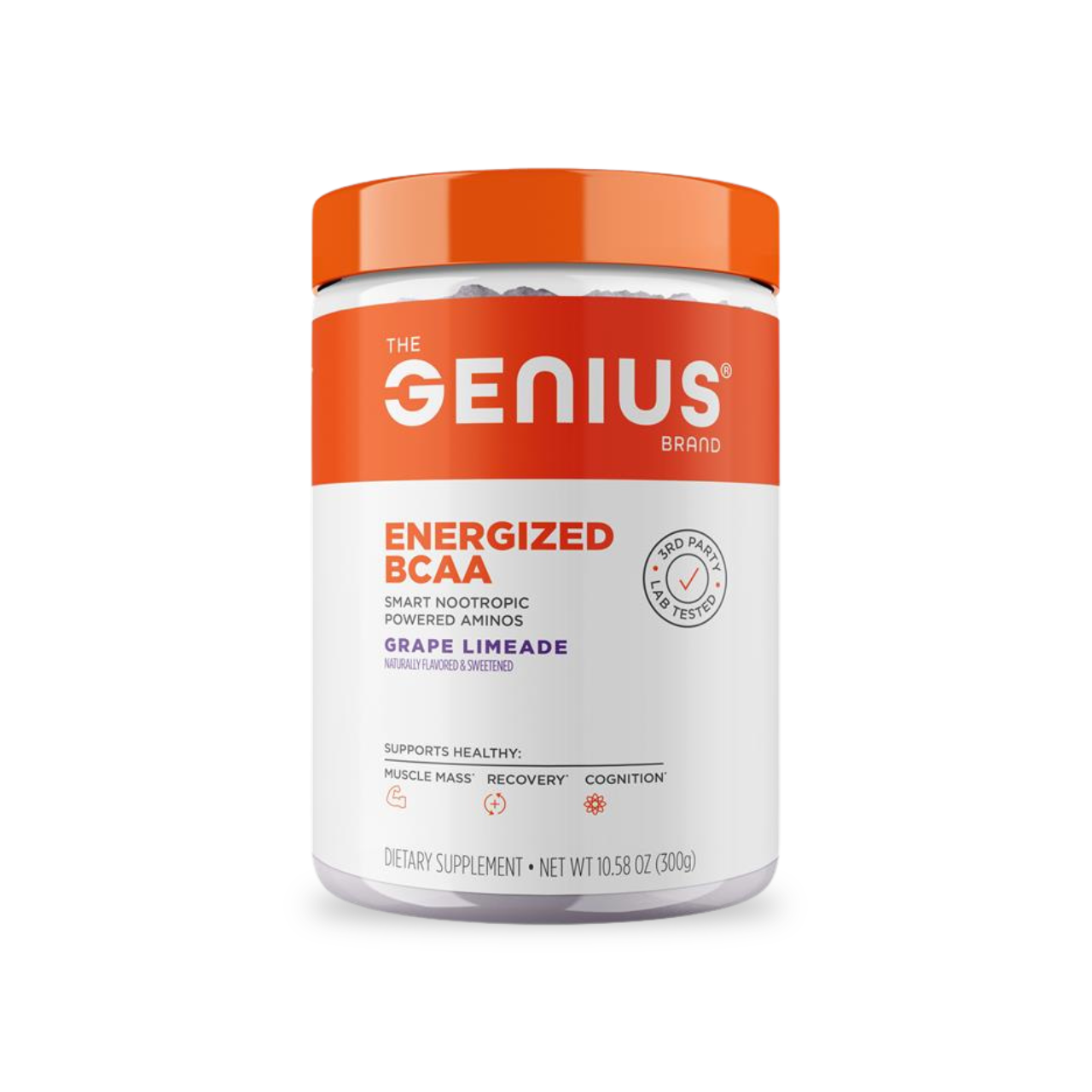
- Choose Sugar-Free Options: Pick BCAA powders or capsules with no added sugar.
- Use the Right Dose: Most people need 5–10 grams per day. More is not always better.
- Pair With Exercise: BCAAs work best when combined with strength or endurance training.
- Don’t Rely Only on Supplements: Get most of your amino acids from whole foods.
Bcaas Compared To Other Supplements
There are many supplements for fitness and weight control. How do BCAAs compare to other common options?
- Whey Protein: Contains all essential amino acids, including BCAAs. Higher in calories per serving but more complete.
- Creatine: Helps with strength and power. Does not directly cause weight gain, but increases water in muscles.
- Pre-Workout Supplements: Often high in caffeine and sometimes sugar. Some can add extra calories.
BCAAs are unique because they’re low calorie (if pure) and target muscle recovery, but they’re not a magic bullet for weight loss or gain.
Common Myths About Bcaas And Weight Gain
There’s a lot of misinformation about BCAAs. Let’s clear up a few myths:
- Myth 1: BCAAs are calorie-free. As explained, they have calories like any other amino acid.
- Myth 2: BCAAs cause fat gain. Only if they contribute to a calorie surplus.
- Myth 3: You need huge amounts for results. Most people get enough BCAAs from a balanced diet.
- Myth 4: BCAAs are only for bodybuilders. They can help anyone doing exercise, but are not essential for everyone.
What Beginners Often Overlook
Two less obvious insights for people new to supplements:
- Real Food Sources: Many foods already provide plenty of BCAAs. For example, a single chicken breast has about 6–7g of BCAAs. You might not need supplements if your diet is rich in protein.
- Total Diet Matters: People sometimes add BCAA supplements but forget to adjust their meal portions. Always think about your whole day’s food and drink.
Practical Examples: When Bcaas Might Affect Weight
Let’s look at two real-life examples to show how BCAAs could play a role in weight changes.
Example 1: The Gym Newbie
Sarah starts going to the gym and buys a BCAA drink. She drinks two bottles per day. Each bottle has 80 calories from added sugar. She keeps eating her usual meals. After one month, she gains about 1 kg. The likely cause?
Not the BCAAs themselves, but the extra 160 calories per day, mostly from sugar.
Example 2: The Dieting Athlete
Mike is on a calorie-controlled diet and lifts weights. He adds a pure BCAA powder (20 calories per day) to protect his muscles. He counts the BCAA calories in his daily total. He loses weight as planned and keeps his muscle.
In this case, BCAAs do not cause weight gain.
Special Cases: Bcaas And Women
Women often ask if BCAAs can cause bloating or make them look “bulky. ” There’s no evidence that BCAAs alone do this. However, some women may notice temporary water retention in muscles, which is not fat. BCAAs do not have hormones, so they can’t change your body shape in the way steroids might.
How To Choose A Quality Bcaa Supplement
With so many options, picking the right BCAA supplement can be confusing. Here’s what matters:
- Check the ingredient list: Pure BCAAs should have few extra ingredients.
- Avoid unnecessary fillers: Some powders use cheap additives to bulk up the product.
- Look for trusted brands: Choose companies that test their products for quality and purity.
- Watch the flavoring: Some flavors have hidden sugars or artificial sweeteners.
If you’re unsure, ask a nutrition expert or look for third-party tested products.
Can Bcaas Help With Weight Loss?
You might wonder—if BCAAs don’t cause weight gain, can they help with weight loss? There’s no strong evidence that BCAAs directly burn fat. However, they can help you keep muscle while dieting, which helps maintain a healthy metabolism. Losing muscle during dieting can slow down your calorie burn, making it harder to lose weight.
BCAAs may also help reduce muscle soreness, so you can exercise more often. But for real fat loss, focus on your overall calorie intake and exercise routine, not just supplements.
Should You Use Bcaas If You’re Not An Athlete?
BCAAs are most useful for people who:
- Do intense strength training or endurance sports
- Are on a strict calorie diet and want to protect muscle
- Have higher protein needs (like older adults)
If you’re a casual exerciser and eat enough protein, you may not need extra BCAAs. Whole foods like meat, eggs, and dairy give you all the essential amino acids your body needs.
The Bottom Line: Do Bcaas Cause Weight Gain?
BCAAs, by themselves, are not likely to cause weight gain unless they make you eat more calories than you burn. The calories in pure BCAA supplements are low, but sugary BCAA drinks can add up. If you’re careful with your total daily calories and choose the right products, BCAAs can be part of a healthy fitness plan—without making you gain unwanted weight.
If you want to read more about the science behind BCAAs, you can check this article from the Healthline.
Frequently Asked Questions
Can Bcaas Make You Fat?
BCAAs alone do not make you fat. They have some calories, but not enough to cause fat gain unless you go over your daily calorie needs. Sugary BCAA drinks, however, can add extra calories that lead to fat gain if you’re not careful.
How Many Calories Are In A Typical Bcaa Supplement?
A 5-gram serving of BCAA powder has about 20 calories. Ready-to-drink BCAA beverages can have much more, especially if they contain added sugars—sometimes 50–100 calories per bottle.
Will Taking Bcaas At Night Cause Weight Gain?
The time you take BCAAs does not matter for weight gain. What matters is your total calorie intake for the day. Taking them at night won’t cause weight gain unless it pushes you over your calorie limit.
Do I Need Bcaas If I Already Eat Enough Protein?
If your diet includes enough high-quality protein from foods like meat, eggs, dairy, or legumes, you probably get enough BCAAs naturally. Supplements may not provide extra benefits in this case.
Are Bcaa Supplements Safe For Everyone?
BCAA supplements are safe for most healthy people when used as directed. If you have kidney or liver problems, or are pregnant or breastfeeding, check with your doctor before using them.
Making smart choices about BCAAs will help you get the benefits without unwanted weight gain. Remember, no supplement can replace a balanced diet and regular exercise. Stay informed, read labels carefully, and listen to your body as you work toward your health goals.

