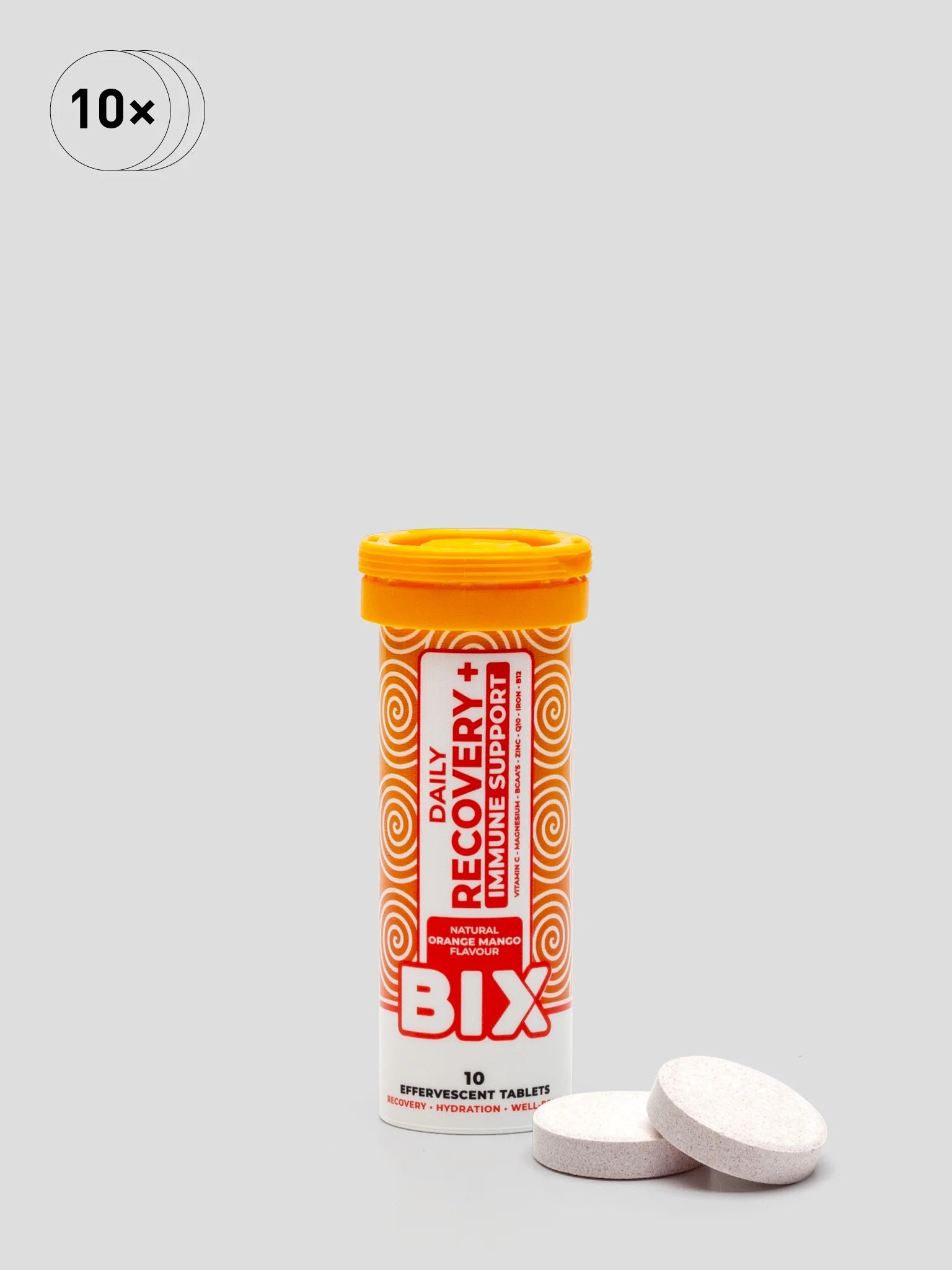
Staying hydrated is a basic need for everyone, but it’s especially important for people who are active, such as athletes, gym-goers, and manual workers. In recent years, BCAA supplements have become very popular among fitness enthusiasts. Many people believe that these supplements can do more than just help with muscle recovery—they think BCAAs can also help with hydration. But is this really true? Can BCAA supplements replace water or sports drinks, or are their effects on hydration just a myth?
This article will guide you through everything you need to know about BCAA supplements and hydration. We’ll explore what BCAAs are, how your body handles hydration, what the science says, and whether these supplements deserve a place in your hydration plan.
If you’re hoping to boost your performance, recover better, or simply stay healthy, understanding the relationship between BCAAs and hydration is essential.
What Are Bcaa Supplements?
BCAA stands for branched-chain amino acids. These are three specific amino acids: leucine, isoleucine, and valine. Your body cannot make these amino acids on its own, so you need to get them from your diet.
BCAAs are found naturally in foods like meat, eggs, dairy, and some plant sources such as legumes. However, many people take them in supplement form, usually as a powder or capsule, to get a concentrated dose.
People use BCAA supplements mainly to:
- Support muscle growth and repair
- Reduce muscle soreness after exercise
- Prevent muscle breakdown during intense or long workouts
Some supplement companies also claim that BCAAs help with hydration, but this idea needs a closer look.
Understanding Hydration: Why It Matters
Hydration means having enough water in your body for it to function well. Water is vital for:
- Controlling body temperature
- Moving nutrients in your body
- Removing waste
- Lubricating joints
- Helping muscles contract and relax
Even mild dehydration can affect how you feel and perform. For example:
- Losing just 2% of your body weight in water can reduce exercise performance.
- Dehydration can cause headaches, tiredness, dizziness, and slower thinking.
For athletes and active people, staying hydrated is critical to performing at your best and avoiding health problems.
How Does The Body Stay Hydrated?
Your body keeps water levels balanced through a mix of drinking fluids, eating foods with water, and losing water through sweat, urine, and breathing. Here’s how it works:
- Fluid Intake: You drink water, juice, sports drinks, or eat foods with high water content (like fruits and vegetables).
- Absorption: Water is absorbed in your gut and sent into your bloodstream.
- Distribution: Water moves into your cells to help them work.
- Losses: You lose water through urine, sweat, and breathing. The more you exercise or are in hot weather, the more you sweat and lose water.
To stay in balance, you need to replace the water you lose.
What Role Do Electrolytes Play In Hydration?
Hydration is not only about water. Electrolytes—minerals like sodium, potassium, and magnesium—are also crucial. They help your body:
- Keep the right amount of water inside and outside your cells
- Send electrical signals in nerves and muscles
- Support heart and muscle function
When you sweat, you lose both water and electrolytes. That’s why sports drinks often contain both.
BCAA supplements usually don’t contain significant amounts of electrolytes unless they are added by the manufacturer.

Do Bcaa Supplements Help Hydration? What The Science Says
The main question: Are BCAA supplements good for hydration? Let’s look at the scientific evidence and expert opinions.
What Bcaas Actually Do
BCAAs are important for muscle metabolism. They can be used as a quick energy source by muscles during exercise. They also help reduce muscle breakdown and support muscle repair.
However, these amino acids do not directly influence how much water your body absorbs or retains. They are not electrolytes, and they do not act like sodium or potassium, which pull water into your cells.
What The Research Shows
Scientific studies on BCAAs and hydration are limited. Most research focuses on how BCAAs affect muscle growth, soreness, and exercise performance—not hydration.
Some small studies suggest that amino acids in general might help the body absorb water and electrolytes a little faster, especially when combined with glucose (sugar) and electrolytes in oral rehydration solutions. But these effects are minor compared to the role of sodium and other electrolytes.
For example, a review in the “Journal of the International Society of Sports Nutrition” found no strong evidence that BCAA supplements improve hydration status during or after exercise. Water and electrolytes remain the main factors.
Comparing Bcaa Supplements To Hydration Drinks
To help you see the difference, here is a simple comparison:
| Product | Main Ingredients | Main Purpose | Hydration Effect |
|---|---|---|---|
| BCAA supplement | BCAAs (leucine, isoleucine, valine) | Muscle repair, reduce soreness | Minimal (unless electrolytes added) |
| Sports drink | Water, sodium, potassium, sugar | Rehydrate, replace electrolytes and energy | Strong |
| Plain water | Water | Hydration | Strong (no electrolytes) |
As you can see, most BCAA supplements do not provide key electrolytes needed for hydration.
Key Insight: Not All Bcaa Powders Are The Same
Some BCAA products now include added electrolytes, such as sodium and potassium. These blends are marketed as hydration formulas. While these products can help with hydration, it’s not the BCAAs doing the work—it’s the added electrolytes.
If you use a BCAA product with no added electrolytes, it will not hydrate you better than plain water.
Can Bcaa Supplements Cause Dehydration?
This is a common question. Most healthy people will not become dehydrated just from taking BCAA supplements. However, there are a few things to watch for:
- High doses: Taking much more than the recommended amount might put extra strain on your kidneys, which filter waste from amino acids. This could be a concern if you have kidney problems.
- Mixing with little water: Some people mix BCAA powders into very small amounts of water. If you do this often, you are not getting enough fluid, which could affect your hydration.
- Ignoring other fluids: Some people focus on BCAA drinks and forget to drink enough water or eat foods with water.
In normal use, BCAAs do not directly cause dehydration. But they also do not protect you from it.
The Importance Of Water And Electrolytes For Hydration
When it comes to hydration, nothing can replace water and electrolytes. Here’s why:
- Water is absorbed quickly and hydrates your body efficiently.
- Electrolytes like sodium, potassium, and magnesium help keep fluids balanced in and around your cells.
- After intense exercise or heavy sweating, you need to replace both water and these minerals.
If you are exercising for less than an hour, plain water is usually enough. For longer, high-intensity workouts or sports in hot weather, a drink with electrolytes is often better.
BCAA supplements, unless they contain added electrolytes, do not provide these key minerals.
Do Bcaas Help Muscle Recovery Through Hydration?
Some people believe that BCAAs help recovery by keeping muscles hydrated. The truth is, BCAAs help recovery by supporting muscle repair and reducing soreness, not by hydrating muscle cells.
Muscle cells need both water and electrolytes to recover well. BCAAs can support the process, but they are not a substitute for hydration.
Are There Any Situations Where Bcaa Supplements Might Support Hydration?
There are a few special cases to consider:
- Combined Products: Some supplement brands mix BCAAs with electrolytes and promote them as all-in-one recovery and hydration formulas. These can be useful during long workouts or competitions.
- Palatability: Flavored BCAA drinks can encourage some people to drink more fluids, which can help with hydration—especially if you dislike plain water.
- Reduced Muscle Soreness: By helping you recover faster, BCAAs might let you train harder or longer, which could increase your fluid needs.
However, in all these cases, the hydration benefit comes from drinking more fluid (and sometimes added electrolytes), not from BCAAs themselves.
Myths And Misunderstandings About Bcaas And Hydration
There are several myths about BCAAs and hydration. Let’s clear up the most common ones.
Myth 1: Bcaas Hydrate Like Electrolytes
Fact: BCAAs are not electrolytes. They do not help your body retain water or balance fluids.
Myth 2: Bcaa Powders Replace Sports Drinks
Fact: Most BCAA powders do not contain enough electrolytes to replace what you lose through sweat. Only use BCAA products labeled as hydration formulas if you want both amino acids and electrolytes.
Myth 3: Bcaas Prevent Dehydration
Fact: BCAAs do not prevent dehydration. Water and electrolytes are what you need to avoid dehydration.
Myth 4: Bcaa Drinks Are Good For Every Workout
Fact: For short, low-intensity workouts, water is all you need. For long or intense workouts, focus on hydration first.
Myth 5: All Bcaa Products Are The Same
Fact: There are many types of BCAA supplements. Always check the label for added ingredients like electrolytes.
How To Choose A Bcaa Supplement If Hydration Is Your Goal
If you want both BCAAs and hydration support, look for products that include both amino acids and electrolytes. Here are some tips:
- Read the label carefully. Look for sodium, potassium, magnesium, or other electrolytes.
- Check the dosage. Make sure the amount of electrolytes is similar to what is found in sports drinks.
- Avoid products with lots of sugar or artificial additives unless you need fast energy.
- If you have kidney or liver problems, consult your doctor before using BCAA supplements.
Here is a comparison of typical ingredients:
| Product Type | BCAAs (per serving) | Sodium (per serving) | Potassium (per serving) | Sugar (per serving) |
|---|---|---|---|---|
| Standard BCAA powder | 5g | 0mg | 0mg | 0g |
| BCAA + electrolyte powder | 5g | 200mg | 100mg | 0-2g |
| Popular sports drink | 0g | 150mg | 50mg | 20g |
Practical Tips For Staying Hydrated (with Or Without Bcaas)
- Drink water regularly throughout the day, not just during workouts.
- Monitor your urine color. Pale yellow means you’re hydrated; dark yellow means you need more fluids.
- Weigh yourself before and after exercise. Any weight loss is mostly water and needs to be replaced.
- Use sports drinks or electrolyte-rich fluids for long, intense, or hot workouts.
- Don’t rely on BCAA supplements alone for hydration. Use them for muscle recovery, not as your main hydration source.
- Read supplement labels. If hydration is your goal, look for added electrolytes.
- Eat water-rich foods like fruit and vegetables for extra hydration.
- Set reminders to drink if you often forget during busy days.
- Be careful with caffeine and alcohol, which can increase fluid loss.
- Listen to your body: Thirst, dry mouth, and fatigue are early signs of dehydration.
Special Cases: Who Might (and Might Not) Benefit From Bcaas For Hydration?
Who Might Benefit:
- Endurance athletes (marathon runners, triathletes) who use BCAA + electrolyte products during long events
- People who dislike plain water and drink more fluids when their drink is flavored
- Athletes training multiple times per day who need extra muscle support and fluid replacement
Who Likely Won’t Benefit:
- People doing short or moderate workouts (less than 60 minutes)
- People with normal diets who already get enough protein and fluids
- Anyone looking for a pure hydration solution—water and electrolyte drinks are better
Two Non-obvious Insights About Bcaas And Hydration
- Palatability Drives Hydration: For some people, the flavor of BCAA drinks encourages more regular sipping during exercise, which can indirectly improve hydration compared to plain water, especially for those who dislike unflavored fluids.
- Added Ingredients Matter More Than BCAAs: In most hydration-focused supplements, it’s the added sodium and potassium—not the BCAAs themselves—that make a real difference for hydration. Always check the label before assuming a supplement hydrates.

Common Mistakes To Avoid
- Thinking BCAAs replace water or sports drinks: They don’t. Hydration needs water and electrolytes.
- Ignoring label details: Not all BCAA products contain electrolytes. Always check.
- Taking BCAA supplements with little fluid: Always mix with enough water.
- Using high-sugar products when not needed: Extra sugar is only helpful for very long workouts.
- Skipping medical advice: People with kidney, liver, or metabolic issues should check with a doctor before using BCAA supplements.
Frequently Asked Questions
How Do Bcaa Supplements Compare To Sports Drinks For Hydration?
BCAA supplements are not designed for hydration unless they contain added electrolytes. Sports drinks are made to replace both water and electrolytes lost through sweat, making them much more effective for hydration during and after intense exercise. If your main goal is hydration, a standard sports drink or electrolyte solution is usually better than a plain BCAA supplement.
Can Taking Bcaa Supplements Cause Dehydration?
Generally, BCAA supplements do not cause dehydration if taken as directed and mixed with enough water. Problems may arise if you use very concentrated powders with little water or ignore your fluid needs during exercise. Always drink enough fluids to support your activity.
Are There Benefits To Combining Bcaa Supplements With Electrolyte Drinks?
Combining BCAA supplements with electrolyte-rich drinks can support both muscle recovery and hydration, especially during long or intense training sessions. Some brands now offer all-in-one formulas, but you can also mix a plain BCAA powder with a sports drink. Just watch out for excessive sugar or unnecessary additives.
Should I Use Bcaa Supplements If I Only Do Short Workouts?
For workouts under 60 minutes, you usually don’t need BCAA supplements or special hydration drinks. Plain water and a balanced diet are enough for most people. BCAA supplements are more useful for longer, harder sessions or for people with higher protein needs.
Where Can I Find More Scientific Information About Bcaas And Hydration?
You can read more about BCAAs, hydration, and exercise on trusted websites like the Wikipedia entry on BCAAs, which includes research sources and links to scientific studies.
Staying well-hydrated is essential for health and performance, and while BCAA supplements play an important role in muscle recovery, they are not a substitute for water and electrolytes. If hydration is your goal, focus on drinking enough fluids and replacing lost electrolytes, especially during long or intense exercise. BCAAs can be useful, but only as part of a bigger plan for recovery and performance. Always read supplement labels carefully and make choices based on your personal needs.