
Are Bcaa Supplements Necessary?
Many people in fitness and bodybuilding circles talk about BCAA supplements. You see them on gym shelves, in online stores, and on the ingredient list of many popular sports drinks. But do you really need them? Or are they just another product in a long line of sports nutrition trends? This article explores BCAA supplements in detail, looking at the science, real-world use, and whether they are essential for most people. If you are confused about BCAAs, their benefits, or if you should spend money on them, read on for a clear, honest answer.
What Are Bcaas?
BCAA stands for branched-chain amino acids. There are three BCAAs: leucine, isoleucine, and valine. These are called “branched-chain” because their chemical structure has a branch off the main chain. Your body cannot produce them, so you must get them from food or supplements.
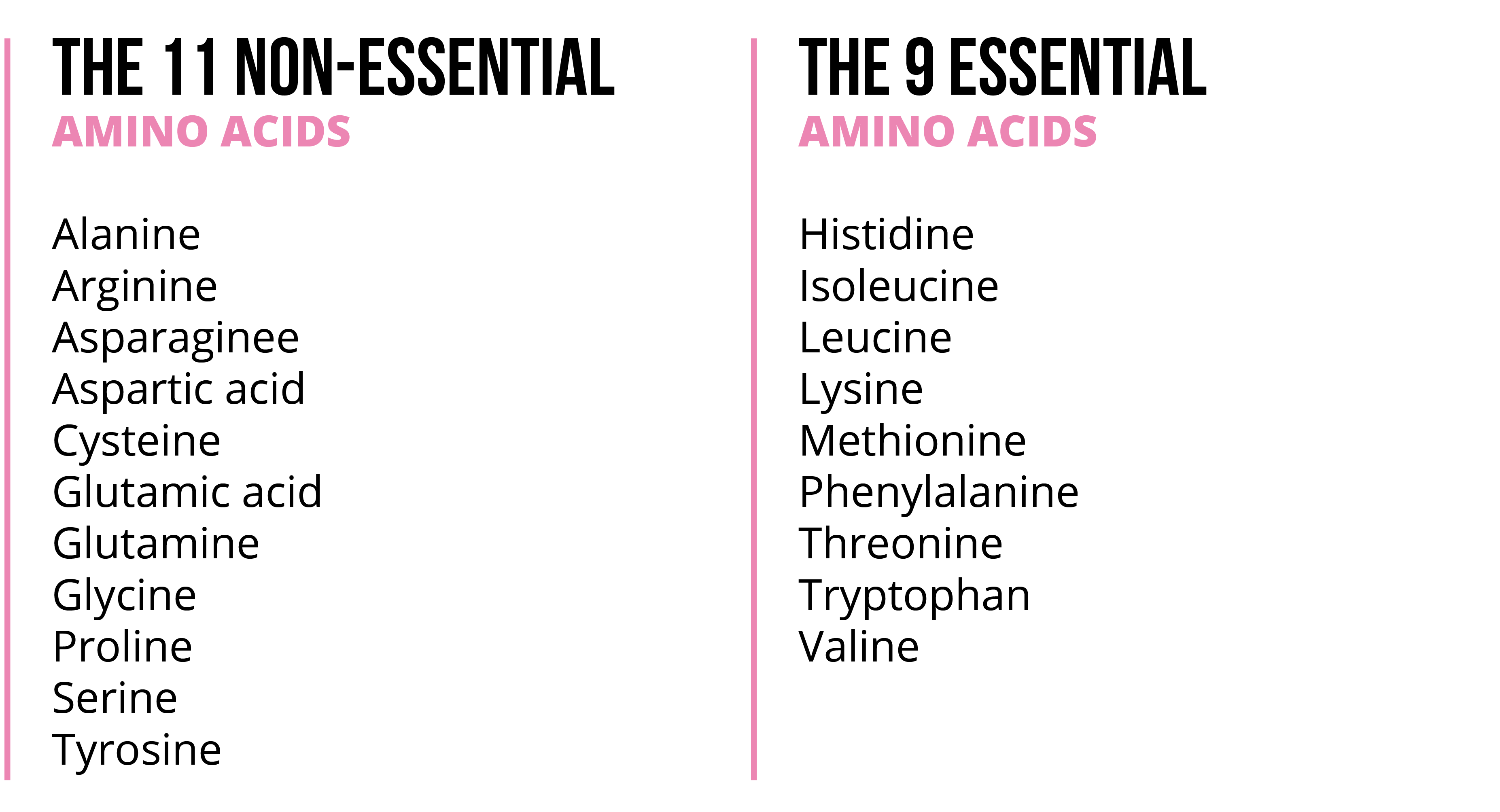
Amino acids are the building blocks of protein. There are 20 amino acids, but only 9 are “essential,” meaning your body cannot make them. BCAAs are three of those 9 essential amino acids.
Why Do People Take Bcaa Supplements?
BCAAs have become popular because they are linked to muscle growth, reduced muscle breakdown, and better exercise recovery. Many gym-goers and athletes use BCAA powders or capsules before, during, or after their workouts hoping to build more muscle or recover faster.
How Do Bcaas Work In The Body?
When you eat protein-rich foods, your body breaks down the protein into amino acids. These amino acids are then used to repair and build muscle, make hormones, and support many other body functions.
BCAAs, especially leucine, play a special role in turning on the process called muscle protein synthesis. This is the body’s way of building new muscle. Some studies show that BCAAs can help reduce muscle breakdown and provide energy during long or hard workouts.
However, muscle building and recovery need all essential amino acids—not just BCAAs. This is a key point that many beginners miss.
Bcaas From Food Vs. Supplements
Many foods—especially animal-based sources—are rich in BCAAs. For example, chicken, beef, fish, eggs, and dairy all contain high levels. Even plant-based sources like soy, beans, and lentils have BCAAs, though in lower amounts.
Here’s a quick look at BCAA content in common foods:
| Food | BCAAs per 100g |
|---|---|
| Chicken breast | 5.9g |
| Eggs | 1.7g |
| Greek yogurt | 2.0g |
| Soybeans (cooked) | 2.3g |
| Lentils (cooked) | 1.3g |
As you can see, getting BCAAs from food is not difficult if you eat enough protein.
Are Supplements Better Than Food?
Supplements are concentrated and easy to use—just mix with water. But they only provide three amino acids, not the full range your body needs for muscle growth and repair. Most experts agree that getting BCAAs from whole foods or a complete protein supplement (like whey protein) is usually better.
Claimed Benefits Of Bcaa Supplements
BCAA supplement makers claim several benefits. Let’s look at the most common ones and see what science says.
1. Muscle Growth
BCAAs, especially leucine, can stimulate muscle protein synthesis. But research shows this works best when all essential amino acids are present. BCAAs alone may start the process, but without the rest, your body cannot build complete proteins.
For example, a 2017 study found that BCAAs increased muscle protein synthesis by about 22%, but whey protein (which has all essential amino acids) increased it by 50% or more.
2. Reduced Muscle Soreness
Some research shows that BCAAs can reduce muscle soreness after intense workouts. This may be because BCAAs help decrease muscle damage. However, the effect is often small, and results are mixed. Other recovery methods like stretching, sleep, and balanced nutrition are also important.
3. Less Muscle Breakdown
BCAAs may help reduce muscle breakdown during very long or hard exercise. This is more important for athletes who train fasted, or for people on very low-calorie diets. For the average gym-goer who eats enough protein, the effect is probably minor.
4. Better Exercise Performance
Some studies say BCAAs can help reduce fatigue during exercise by lowering tryptophan and serotonin levels in the brain. However, the effect is usually small and may not be noticeable for most people.
5. Weight Loss Support
BCAA supplements are sometimes marketed for fat loss. There is little strong evidence that BCAAs directly help with weight loss. A calorie deficit, regular exercise, and enough protein are far more important.
Do You Need Bcaa Supplements?
This is the big question. The answer depends on your diet, goals, and training style.
If You Eat Enough Protein
If you get enough protein from your diet (about 1. 2–2. 0 grams per kg of body weight for active people), you are almost certainly getting enough BCAAs. For example, eating 3-4 servings of high-protein foods per day easily covers your BCAA needs.
Most people who eat animal proteins or use a whey protein supplement do not need extra BCAA supplements. Their diet already provides all the amino acids needed for muscle growth, repair, and recovery.
If You’re Vegan Or Vegetarian
Some plant-based proteins are lower in one or more essential amino acids. However, eating a variety of plant foods (beans, lentils, soy, whole grains, nuts) usually covers all needs. If your diet is very low in protein or you skip meals, BCAA supplements could help, but it’s better to improve your overall protein intake first.
Fasted Training Or Intense Endurance
If you train very early and do not eat before exercise (fasted cardio), or if you do very long endurance workouts, BCAAs might help reduce muscle breakdown. But even in these cases, a small protein-rich snack is usually better.
Cutting Calories Hard
During aggressive dieting (for example, bodybuilders before a show), BCAAs may help protect muscle. But this applies to a small group of people. For general weight loss, focus on total protein and calories.
Comparing Bcaa Supplements To Other Protein Sources
Let’s compare BCAA supplements to other protein options.
| Product | BCAAs per 10g serving | Other Essential Amino Acids | Complete Protein? |
|---|---|---|---|
| BCAA Powder | 7g | None | No |
| Whey Protein | 2.5g | 6.5g | Yes |
| Chicken Breast | 1.8g | 6.2g | Yes |
| Soy Protein | 2.2g | 6.0g | Yes |
Notice that whey protein, chicken, and soy all provide BCAAs plus the other essential amino acids. This is why most sports nutrition experts recommend whole protein over isolated BCAAs.
The Science: What Do Studies Say?
Many studies have tested BCAA supplements, but not all are high quality. Here’s what we know from research:
- BCAAs can help stimulate muscle protein synthesis, but only if other essential amino acids are available.
- BCAA supplements may reduce muscle soreness and fatigue, but effects are small.
- For most people who eat enough protein, BCAA supplements offer little extra benefit for muscle growth or recovery.
- In rare cases (very low-protein diets, extreme endurance, or strict calorie cuts), BCAAs may help reduce muscle loss.
A 2017 review in the journal *Frontiers in Physiology* concluded that BCAA supplementation does not improve muscle mass or strength if total protein intake is sufficient. Most large studies agree with this finding.
Real-world Examples: Who Might Benefit From Bcaas?
While most people do not need BCAA supplements, there are a few groups who might benefit:
- Elite endurance athletes doing long events (marathons, triathlons) with limited food intake during exercise.
- Bodybuilders in extreme calorie deficits before competitions.
- People with medical conditions that limit protein intake or digestion.
But for the average gym-goer, athlete, or person wanting to lose fat or gain muscle, BCAAs are not necessary if protein needs are met.
Common Misconceptions About Bcaa Supplements
Many beginners and even some experienced gym-goers believe myths about BCAA supplements. Here are some of the most common misunderstandings:
- More BCAAs = More Muscle: This is not true if you already eat enough protein. Your body can only use so many amino acids at once.
- BCAAs replace protein: BCAAs are just three amino acids. They cannot replace whole protein, which provides all essential amino acids.
- You must sip BCAAs during every workout: The timing is less important than your total daily protein intake.
- BCAA drinks are low calorie and good for weight loss: Some BCAA drinks are loaded with sugar or artificial ingredients. Read labels carefully.
Are There Any Risks Or Side Effects?
BCAA supplements are generally safe for healthy adults in normal doses. Some people may experience:
- Digestive issues: Bloating, nausea, or stomach discomfort.
- Imbalance: Taking large amounts of BCAAs and little of other amino acids may cause imbalances over time.
- Interaction with medical conditions: People with certain medical issues (like maple syrup urine disease or liver/kidney problems) should avoid BCAA supplements.
Always talk to a doctor before starting any new supplement, especially if you have health problems or take medications.
Cost Vs. Benefit: Are Bcaa Supplements Worth It?
BCAA supplements are not cheap. A single tub can cost $20–$40 or more, and some people use them daily. For most active people, spending money on high-quality protein powder or better whole foods gives more value.
Here is a simple comparison for what you get per dollar:
| Product | Average Price per 10g BCAAs | Other Nutrients Provided |
|---|---|---|
| BCAA Supplement | $1.50 | None |
| Whey Protein | $0.80 | Other amino acids, vitamins, minerals |
| Chicken Breast | $0.60 | Other amino acids, vitamins, minerals |
As you can see, BCAA supplements often cost more and provide less nutrition than whole protein sources.
Practical Tips: How To Get Enough Bcaas Without Supplements
If you want to get enough BCAAs without buying supplements, focus on eating a balanced, protein-rich diet. Here are some tips:
- Eat protein with every meal: Include chicken, fish, eggs, dairy, tofu, beans, or lentils.
- Mix animal and plant proteins: This helps cover all amino acids.
- Check your total protein: Aim for 1.2–2.0 grams per kg body weight if you are active or trying to build muscle.
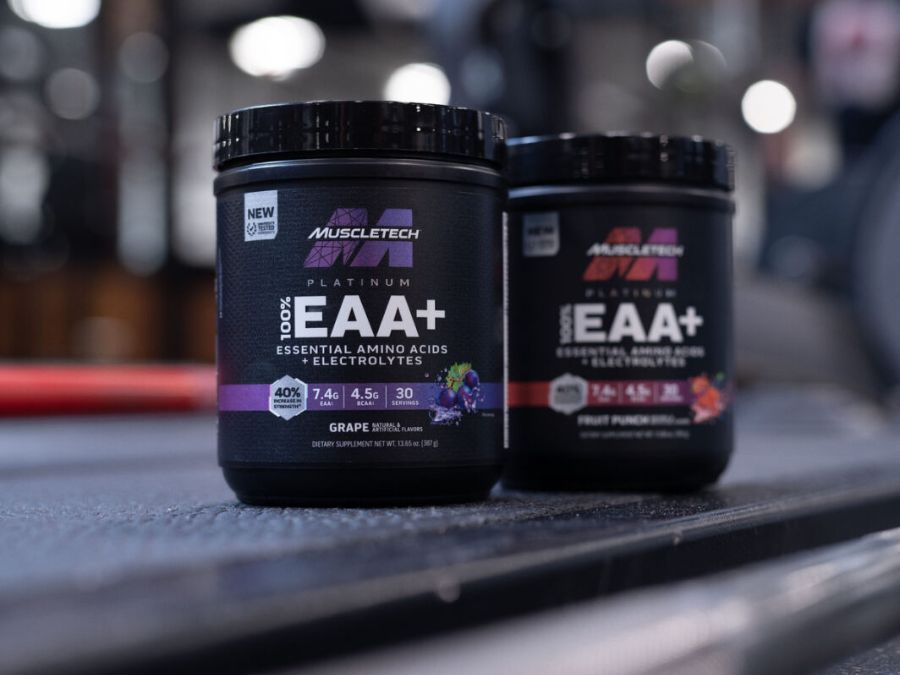
- Use a complete protein powder if needed: Whey, casein, or soy protein powders are better than BCAA-only powders for most people.
- Eat after workouts: A meal or snack with protein after exercise helps muscle recovery.
Non-obvious Insights Most Beginners Miss
- BCAAs alone cannot build muscle: Your body needs all nine essential amino acids to build new muscle tissue. BCAAs (leucine, isoleucine, valine) help start the process, but without the other six, the building stops. Think of BCAAs as the “ignition”—you still need “fuel” (other amino acids) to drive growth.
- Whole protein sources are more effective: Studies show that whey protein or a mixed meal with protein and carbs stimulates more muscle growth than BCAA supplements alone. This is because whole proteins provide all the essential ingredients your muscles need.
When Might Bcaa Supplements Make Sense?
Although most people do not need BCAA supplements, here are some special cases where they might help:
- You are fasting for long periods and still want to train hard.
- You are on a very restricted diet for medical or athletic reasons.
- You have trouble eating enough protein due to appetite, allergies, or digestion issues.
- You are an endurance athlete and need quick, light nutrition mid-event.
But in these cases, discuss with a sports nutritionist or doctor first.
What To Look For If You Decide To Try Bcaa Supplements
If you still want to try a BCAA supplement, look for these features:
- Clean ingredient list: Few fillers, no added sugar or artificial dyes.
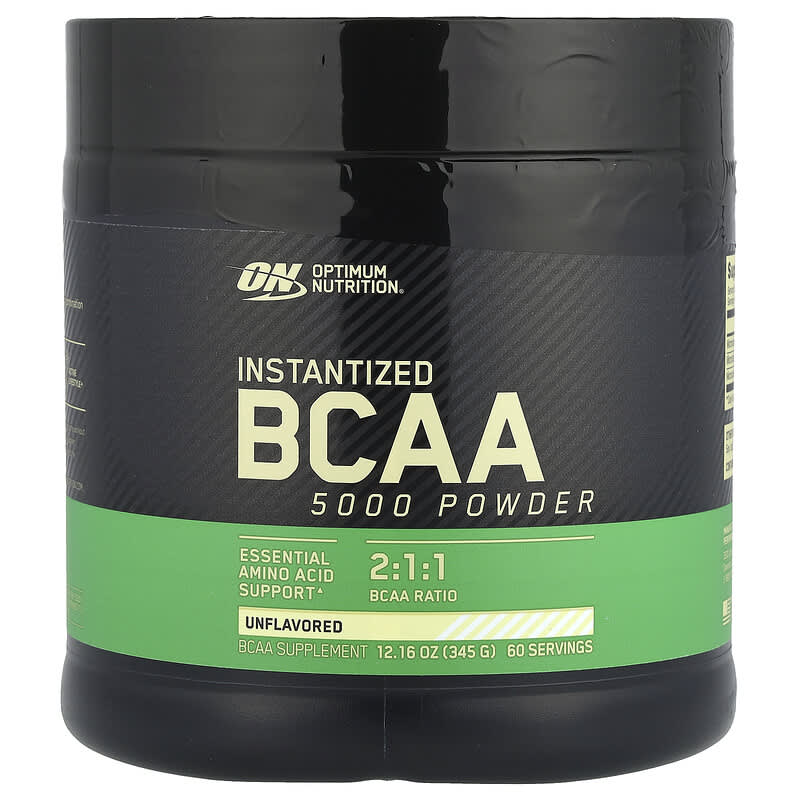
- Ratio: A 2:1:1 ratio of leucine:isoleucine:valine is standard.
- Third-party tested: Choose products tested for quality and purity.
- Cost per serving: Compare with protein powder and real food.
And remember, supplements are never a substitute for a healthy, balanced diet.
Frequently Asked Questions
What Are The Main Benefits Of Bcaa Supplements?
The main benefits are reduced muscle soreness, less muscle breakdown, and possibly improved exercise performance, especially in long or intense workouts. However, most of these benefits are small if you already eat enough protein. Whole food and complete protein sources usually work better for building muscle and recovery.
Can Bcaa Supplements Replace Protein Shakes?
No, BCAA supplements only provide three amino acids. Protein shakes (like whey or soy protein) give you all essential amino acids needed for muscle building and repair. If you must choose, a complete protein shake is usually the smarter choice.
Are Bcaa Supplements Safe For Everyone?
BCAA supplements are safe for most healthy adults in normal doses. People with certain medical conditions, like liver or kidney disease, should avoid them. Always check with a doctor if you have health concerns or take medications.
How Much Bcaas Do I Need Per Day?
There is no strict daily requirement for BCAAs alone, but most adults need 10–20 grams per day from all protein sources. If you eat enough total protein, you easily cover this amount. Supplementing with extra BCAAs is not needed for most people.
Where Can I Learn More About Bcaas And Nutrition?
A good place to start is the Wikipedia page on Branched-chain amino acids, which includes scientific references and more details for advanced readers.
Final Thoughts
BCAA supplements are everywhere in the fitness world, but for most people, they are not necessary. If you eat enough protein from food or complete protein supplements, you will get all the BCAAs and other essential amino acids your body needs.
BCAA powders might help in rare situations—like extreme fasting or calorie cutting—but for most gym-goers, athletes, and those trying to build muscle or lose fat, they offer little extra benefit.
Focus on a balanced diet with plenty of protein, train consistently, and get enough rest. Save your money for better food, quality protein, or other essentials. Supplements can never replace the basics of good nutrition and smart training.

