
Can Beginners Take Bcaa Supplements?
Many people who start working out want to get results quickly. You might hear about different supplements, and BCAA is one of the most popular. But if you are new to fitness, you might wonder: “Can beginners take BCAA supplements?” This is a smart question, and the answer is not as simple as yes or no. Let’s explore what BCAA supplements are, how they work, and whether they are right for someone just starting their fitness journey.
What Are Bcaas?
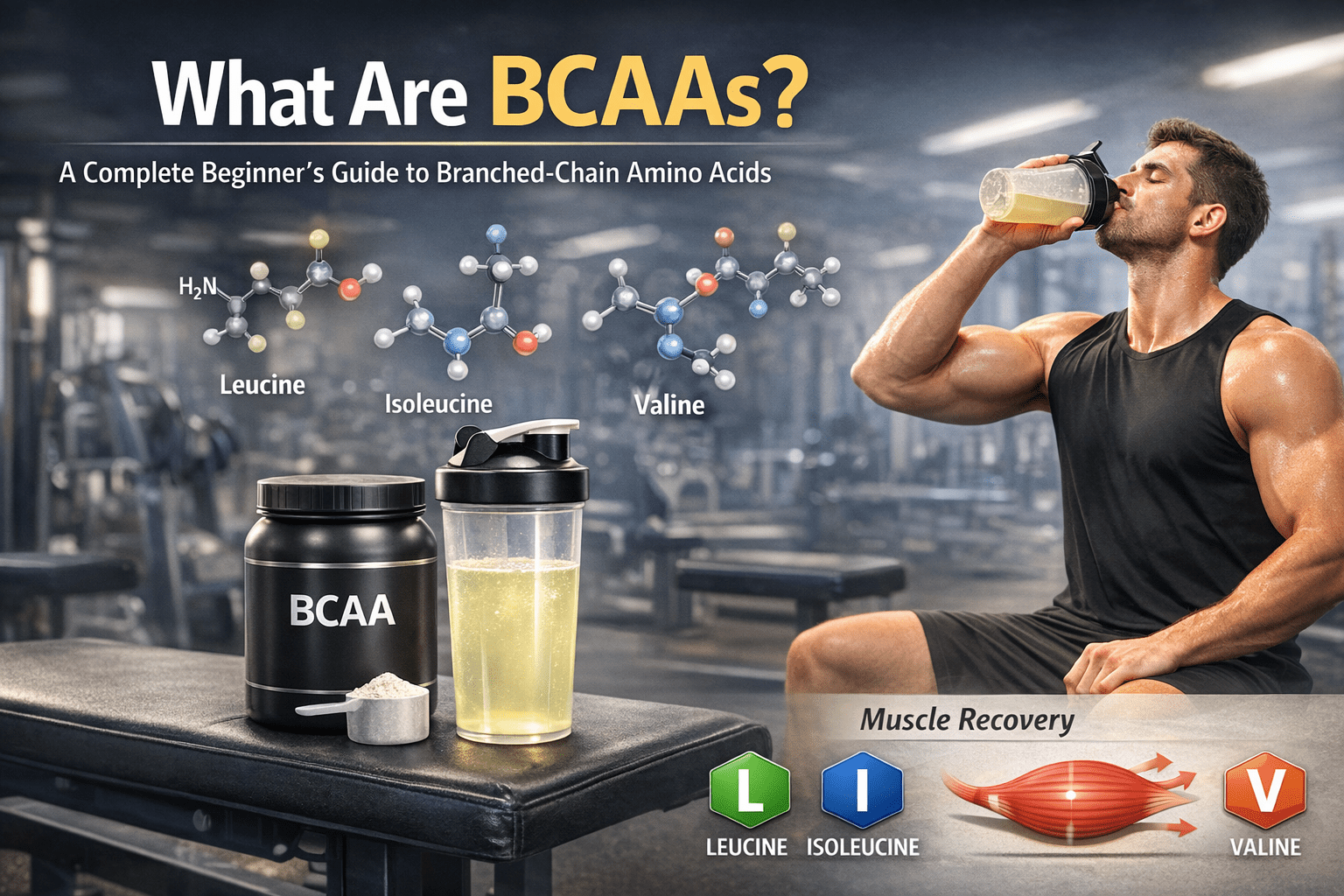
BCAA stands for branched-chain amino acids. These are special building blocks of protein. There are three main BCAAs:
- Leucine
- Isoleucine
- Valine
Your body cannot make these amino acids, so you must get them from food or supplements. They are called “branched-chain” because of their unique shape.
BCAAs are found in protein-rich foods like chicken, eggs, fish, dairy, and beans. Some people use supplements to get more BCAAs, especially when training hard. These supplements often come as powders, capsules, or drinks.
How Do Bcaas Work In The Body?
When you exercise, especially with weights, your muscles break down a little bit. After exercise, your body repairs and builds your muscles stronger. This process is called muscle protein synthesis. BCAAs, especially leucine, play a big role in turning on this repair process.
Here’s what BCAAs do in your body:
- Help build muscle by starting muscle protein synthesis.
- Reduce muscle breakdown during exercise.
- Support energy because your body can use BCAAs as fuel, especially during long workouts.
- Lessen muscle soreness after training.
BCAAs are quickly absorbed by your muscles, which is why some people take them before, during, or after workouts.
Why Are Bcaa Supplements Popular?
Fitness influencers, bodybuilders, and many gym-goers often talk about BCAAs. Here’s why these supplements are so popular:
- Convenience: Quick way to get amino acids, especially if you do not eat enough protein.
- Claimed benefits: Many brands say BCAAs help with muscle growth, recovery, and fat loss.
- Flavor: BCAA drinks often come in tasty flavors, making it easy to drink more water.
However, popularity does not always mean necessity, especially for beginners.
Are Bcaas Necessary For Beginners?
If you are just starting to exercise, it is easy to think that supplements will make a big difference. But for most beginners, BCAA supplements are not essential. Here’s why:
You Get Bcaas From Food
Most people who eat enough protein from food already get plenty of BCAAs. For example, if you eat chicken, fish, eggs, dairy, or beans, you are already getting these amino acids. A normal diet with enough protein usually covers your needs.
Muscle Growth Is About More Than Bcaas
For beginners, the most important thing for building muscle is consistent training and eating enough protein. If you focus on these basics, you will make good progress. Adding BCAA supplements usually does not make a big difference unless you are not eating enough protein.
Research On Bcaa Supplements
Many studies show that BCAA supplements do not have special benefits if your protein intake is already high. In fact, some research suggests that getting all essential amino acids (not just BCAAs) is better for muscle growth. A complete protein source (like whey or chicken) gives you all the amino acids your body needs.
When Might A Beginner Need Bcaa Supplements?
There are a few cases where a beginner might benefit from BCAA supplements:
- Vegan or vegetarian diet: Plant proteins often have fewer BCAAs than animal proteins.
- Low appetite: If you cannot eat enough protein-rich food.
- Fasting or calorie restriction: If you are trying to lose weight and eating less food.
- Unusual workout schedules: If you train multiple times a day.
For most beginners, these situations are rare. Usually, you can get all the BCAAs you need from a balanced diet.

Bcaas Vs. Other Protein Supplements
Many beginners wonder: “Should I take BCAAs or whey protein?” Let’s compare them.
| Supplement | Main Contents | Best For | Common Use |
|---|---|---|---|
| BCAA | Leucine, Isoleucine, Valine | Short workouts, low protein diets | During exercise |
| Whey Protein | All essential amino acids | Muscle gain, meal replacement | After exercise or as a snack |
| Plant Protein Powder | Varied, sometimes lower BCAAs | Vegans, lactose intolerant | Meal or post-workout |
Key point: Whey and other complete protein powders give you all the amino acids, including BCAAs. So, if you already use a protein powder, you are getting BCAAs.
Common Myths About Bcaa Supplements
There are many claims and beliefs about BCAA supplements. Let’s clear up some common myths:
1. “bcaas Are Needed For Muscle Gain”
Truth: As long as you get enough complete protein from your diet, extra BCAAs are not needed for most people.
2. “bcaas Burn Fat Fast”
Truth: BCAAs alone do not burn fat. Losing fat comes from eating fewer calories than you burn.
3. “bcaas Give You Energy Like Caffeine”
Truth: BCAAs are not stimulants. They can be used for energy during long workouts, but do not give a “kick” like caffeine.
4. “everyone Needs Bcaa Supplements”
Truth: Most beginners and even many advanced athletes do not need BCAA supplements if they eat enough protein.
Possible Benefits Of Bcaa Supplements For Beginners
Even though they are not essential, BCAA supplements may offer some benefits in certain cases. Here’s what some beginners might notice:
1. Reduced Muscle Soreness
Some studies suggest that BCAAs can help lower delayed onset muscle soreness (DOMS) after new or hard workouts. This could help beginners feel less stiff after starting a new program.
2. Help During Fasted Training
If you exercise early in the morning without eating, BCAAs may help protect your muscles. They give your body some building blocks, even if you have not had breakfast.
3. Easy Way To Increase Protein Intake
If you do not like eating protein-rich foods or have a small appetite, BCAA drinks can help you reach your daily protein goal.
4. Encourage Hydration
Flavored BCAA drinks can make it more fun to drink water, which is important for performance and recovery.
Risks And Side Effects Of Bcaa Supplements
BCAA supplements are usually safe for most people when used in normal amounts. But there are some things beginners should know:
- Digestive issues: Some people get nausea, bloating, or stomach discomfort, especially if they use too much.
- Imbalanced nutrition: Relying on BCAA supplements may mean you miss out on other important nutrients found in whole foods.
- Possible health risks: People with certain medical conditions (like ALS or maple syrup urine disease) should not take BCAA supplements.
- Unknown long-term effects: There is not much research on the long-term use of high-dose BCAA supplements.
If you are healthy and use BCAA supplements as directed, side effects are rare. Still, it is always best to talk to a doctor or nutritionist before starting any supplement.
How To Use Bcaa Supplements Safely
If you decide to try BCAA supplements as a beginner, here are some practical tips:
1. Choose A Trusted Brand
Look for brands that test their products for purity and quality. This helps avoid harmful substances.
2. Follow The Recommended Dose
Most BCAA supplements suggest 5-10 grams per serving. Taking more does not mean better results.
3. Time Your Intake
You can take BCAAs before, during, or after your workout. Some people prefer sipping during exercise, especially if training is long or intense.
4. Combine With A Good Diet
Do not use BCAA supplements as a replacement for meals or healthy foods. They should be a small part of your overall nutrition.
5. Watch For Sweeteners
Some BCAA drinks use artificial sweeteners. If you are sensitive, check the label.
Natural Sources Of Bcaas
Instead of buying supplements, you can get BCAAs from food. Here are some common foods high in BCAAs:
| Food | BCAAs (per 100g) | Type of Protein |
|---|---|---|
| Chicken breast | 5.9g | Animal |
| Eggs | 3.3g | Animal |
| Greek yogurt | 2.2g | Animal |
| Lentils | 1.6g | Plant |
| Tofu | 2.4g | Plant |
As you can see, both animal and plant foods can provide BCAAs. Eating a variety of these foods can cover your needs.
How Much Protein Do Beginners Need?
Knowing your daily protein needs is more important than focusing only on BCAAs. General guidelines for beginners:
- 0.8–1.2 grams of protein per kilogram of body weight per day for most healthy adults who exercise.
- For example, if you weigh 70kg (about 154 lbs), aim for 56–84 grams of protein daily.
This can usually be met with regular meals. If you are unsure, tracking your food for a few days can help.
How Bcaa Needs Change With Training Experience
When you are a beginner, your body responds quickly to exercise. You do not need special supplements to make progress. Over time, as you get stronger and train harder, your protein and amino acid needs might go up a little.
Still, most athletes focus on total protein, not just BCAAs.
Here’s a simple comparison:
| Training Level | Key Focus | BCAA Supplement Needed? |
|---|---|---|
| Beginner | Consistent exercise, basic nutrition | Not usually |
| Intermediate | Higher training volume, protein timing | Sometimes, if protein is low |
| Advanced | Intense training, recovery, fine-tuning nutrition | Possibly, in special cases |
The most important thing at any level is total protein and a balanced diet.
Two Insights Beginners Often Miss
Many beginners get excited about supplements and miss some simple truths:
1. Real Progress Comes From Consistency
Supplements can only help a little. The real results come from regular workouts and steady nutrition. Do not let supplements distract you from building good habits.
2. Whole Foods Provide More Than Just Bcaas
Whole foods give you vitamins, minerals, fiber, and other nutrients that supplements do not. For example, chicken gives you BCAAs, but also iron and zinc. Beans offer BCAAs plus fiber and antioxidants. Getting your nutrition from real food is almost always better for overall health.
How To Decide If You Should Use Bcaa Supplements
Here are some questions to help you decide:
- Are you eating enough protein every day?
- Do you follow a vegan or vegetarian diet with few complete protein sources?
- Are you training hard for long periods without eating?
- Do you have trouble recovering from workouts, even with a good diet?
If you answer “yes” to some of these, BCAA supplements may be useful. If not, focus on food and training first.
What To Look For In A Bcaa Supplement
If you choose to buy a BCAA supplement, check for these features:
- Leucine-rich ratio: Leucine is the most important BCAA for muscle building. Look for a 2:1:1 ratio (leucine:isoleucine:valine).
- No unnecessary fillers: Avoid products with lots of sugar, artificial colors, or unneeded ingredients.
- Third-party tested: This means an independent group checked the product for quality.
For more guidance on safe supplements, you can visit the National Institutes of Health.
Alternatives To Bcaa Supplements
You do not have to use BCAA supplements to get results. Here are some alternatives:
- Whey or plant protein powder: Gives you all essential amino acids, including BCAAs.
- High-protein snacks: Greek yogurt, cottage cheese, or a handful of nuts.
- Meal planning: Make sure each meal has a source of protein.
These options are often more cost-effective and nutritious.
Frequently Asked Questions
1. Are Bcaa Supplements Safe For Beginners?
Yes, BCAA supplements are generally safe for healthy people. However, they are not necessary for most beginners if you eat enough protein. If you have health conditions or take medicines, ask your doctor first.

2. Can I Take Bcaas Every Day?
You can take BCAA supplements daily if you want, but it is usually better to focus on total daily protein from food. Taking high doses for a long time is not recommended without medical advice.
3. Will Bcaas Help Me Lose Weight Faster?
BCAAs do not directly cause fat loss. Losing weight requires eating fewer calories than you burn. BCAAs may help you keep muscle while dieting, but they are not a magic solution.
4. Should I Take Bcaas Before Or After My Workout?
You can take BCAAs before, during, or after exercise. There is no strong evidence that timing makes a big difference for beginners. Use what feels best for your routine.
5. What Is The Best Bcaa Ratio?
A 2:1:1 ratio (leucine:isoleucine:valine) is popular and supported by research. Leucine is especially important for muscle building.
Starting a fitness journey is exciting, and it is normal to want the best results. Remember, you do not need to buy many supplements to make progress. Focus on regular training, good sleep, and a balanced diet with enough protein.
If you choose to use BCAA supplements, use them as a small part of your plan, not the main focus. For most beginners, food-first is the best approach.

