
Many people today use protein powder to help build muscle, lose weight, or support their health. Walking through any gym or supermarket, you will see shelves full of tubs with labels like “Whey,” “Soy,” or “Plant-Based.” The idea is simple: add extra protein to your diet quickly and easily. But not everyone talks about the possible downsides. Are there side effects to using protein powder? Could it harm your body or cause problems you did not expect?
This article explores the real side effects of protein powder. We will look at what science says, share examples, and explain both common and less-known issues. Whether you are a fitness lover, a busy professional, or just want to understand more before buying, you will get clear, honest answers here.
What Is Protein Powder And Why Is It Popular?
Protein powder is a concentrated source of protein. The most common types are made from milk (whey or casein), eggs, or plants (like soy, pea, or rice). People mix it with water, milk, or in shakes to get more protein without cooking or eating large amounts of food.
Why do so many people use it? There are several reasons:
- Convenience: It is quick and easy, especially after a workout.
- Muscle building: Protein is important for muscle repair and growth.
- Weight management: High-protein diets can help you feel full and eat less.
- Special diets: Vegetarians or vegans may use it to meet their daily needs.
But while protein powder can be helpful, it is not risk-free. Next, let’s look at the possible side effects.
Common Side Effects Of Protein Powder
Protein powder is usually safe for most healthy people when used in moderation. Still, some side effects are quite common, especially if you take more than your body needs or choose a type that does not suit you.
Digestive Issues
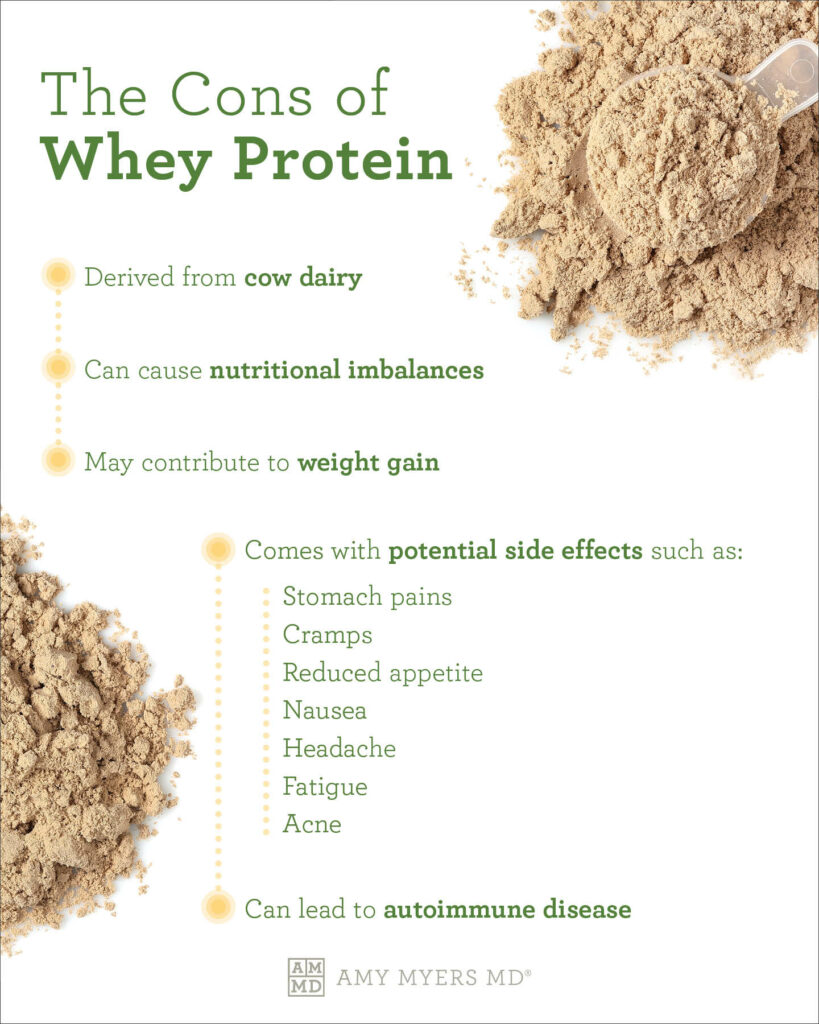
Many people experience digestive problems like bloating, gas, or stomach cramps after using protein powder. This is especially true with whey or casein, which come from milk.
Why Does This Happen?
- Lactose intolerance: Many protein powders contain lactose, a sugar found in milk. People who lack the enzyme to digest lactose may feel discomfort.
- Added fibers or sugar alcohols: Some powders add these to improve taste or texture, but they can cause bloating or gas for sensitive people.
Allergic Reactions
Some powders contain ingredients that can trigger allergies. Common allergens include:
- Milk proteins (whey, casein)
- Soy
- Egg
Symptoms may include itching, rash, swelling, or difficulty breathing. If you notice these symptoms, stop using the powder and see a doctor.
Increased Bowel Movements Or Constipation
High-protein diets can change your digestion. Some people get constipation if they do not drink enough water. Others experience more frequent or loose stools, especially with powders that have added fibers or sugar alcohols.
Weight Gain
While protein is linked to weight loss, using too much protein powder can have the opposite effect. Each scoop contains calories. If you add it on top of your regular food without adjusting your diet, you might gain weight instead of losing it.
Bad Breath
High-protein diets can cause bad breath (also called “keto breath”). This is because your body produces chemicals called ketones when it burns fat for energy. The smell can be strong and unpleasant.
Less-known Or Serious Side Effects
Not all side effects are easy to notice right away. Some problems can develop over time, especially with very high protein intake or certain health conditions.
Kidney Strain
There is a common belief that too much protein can damage your kidneys. For healthy people, there is little evidence that normal use of protein powder is dangerous. However, those with pre-existing kidney problems may be at risk.
Why? Kidneys help remove waste from protein breakdown. If they already work poorly, extra protein can make them work harder and worsen kidney function. People with kidney disease should always talk to a doctor before using protein supplements.
Liver Stress
Like kidneys, the liver helps process protein. For healthy adults, protein powder is unlikely to cause liver damage. But in rare cases, people with liver disease can have problems if they take too much protein. It is best to consult a healthcare provider if you have any liver concerns.
Dehydration
Digesting protein requires extra water. If you use high amounts of protein powder without increasing your fluid intake, you might become dehydrated. Signs include dark urine, dry mouth, or headaches. Always drink plenty of water with protein supplements.
Nutrient Imbalance
Focusing too much on protein powder can cause you to eat less of other foods, leading to nutrient deficiencies. For example, you might miss out on fiber, vitamins, or minerals if you replace meals with shakes too often.
Bone Health Concerns
There is debate about whether high-protein diets can weaken bones. Some early studies suggested extra protein can cause the body to lose calcium, which is important for bones. However, recent research shows that, for most healthy people, protein does not harm bone health if you eat enough calcium-rich foods.
Heavy Metal Contamination
Some protein powders, especially those made from plants, have been found to contain heavy metals like lead, arsenic, or cadmium. These come from contaminated soil where plants are grown. Over time, heavy metals can build up in the body and cause health problems. Choosing powders from trusted brands that test for contaminants can lower this risk.
Hormonal Effects
Certain protein powders, especially soy-based ones, contain compounds called phytoestrogens. These can act like weak estrogen hormones in the body. Some people worry that this can affect hormone balance, but most studies show normal soy intake is safe for most adults.
Who Is Most At Risk?
Not everyone will have side effects. Some people are more likely to experience problems:
- People with allergies (milk, soy, eggs)
- Those with kidney or liver disease
- Children and teens (protein needs can usually be met with food)
- Pregnant or breastfeeding women (always consult a doctor before using supplements)
- People taking certain medicines (protein powder can interact with some drugs)
If you have any medical condition, always ask a healthcare professional before starting protein supplements.

Different Types Of Protein Powder And Their Side Effects
There are many kinds of protein powders. Each has its own benefits and risks. Understanding the differences can help you choose the right one and avoid side effects.
Whey Protein
Whey is the most popular type. It is a fast-digesting milk protein and contains all essential amino acids. Common side effects include:
- Digestive issues (bloating, gas) for those with lactose intolerance
- Allergic reactions in people with milk allergies
Casein Protein
Casein is another milk-based protein. It digests slowly, making you feel full longer. Side effects are similar to whey:
- Digestive discomfort for lactose intolerant people
- Allergic reactions for those with milk allergies
Soy Protein
Soy protein is plant-based and suitable for vegans. It contains all essential amino acids. Possible side effects:
- Allergic reactions (soy allergy is common)
- Hormonal effects (phytoestrogens) in sensitive individuals
Pea Protein
Pea protein is popular with people avoiding dairy and soy. It is hypoallergenic and easy to digest. Side effects are rare but may include:
- Mild bloating in some people
Rice Protein
Rice protein is another plant-based option. It is easy to digest but low in one amino acid (lysine). Side effects:
- Possible heavy metal contamination if the rice comes from polluted areas
Egg Protein
Egg protein is made from egg whites. It is low in fat and carbs. Side effects:
- Allergic reactions in people with egg allergies
Collagen Protein
Collagen supports skin, hair, and joints. It is not a complete protein. Side effects:
- Digestive upset (rare)
- Unpleasant taste for some users
Blended Proteins
Some powders mix several sources to improve taste or nutrition. Always check the ingredient list for potential allergens or additives.
Comparing Popular Protein Powders: Side Effects And Suitability
To help you compare, here is a summary of the side effects and best uses for common protein powders.
| Type | Main Side Effects | Best For |
|---|---|---|
| Whey | Bloating, gas, allergic reactions | Muscle building, post-workout |
| Casein | Bloating, gas, allergic reactions | Nighttime use, staying full |
| Soy | Allergic reactions, hormonal concerns | Vegetarians, vegans |
| Pea | Mild bloating | Allergy-sensitive, plant-based diets |
| Rice | Heavy metal risk | Plant-based, hypoallergenic |
| Egg | Allergic reactions | Low-fat, low-carb diets |
| Collagen | Digestive upset | Joint, skin support |
Additives In Protein Powders: What To Watch For
Many protein powders contain more than just protein. Flavors, sweeteners, thickeners, and preservatives can all cause side effects.
Artificial Sweeteners
Ingredients like sucralose, aspartame, or acesulfame potassium are used to make powders taste better without adding calories. Some people get headaches, digestive upset, or a strange aftertaste from these.
Sugar Alcohols
These include xylitol, sorbitol, or maltitol. They are low in calories but can cause gas, bloating, or diarrhea in sensitive people.
Added Fibers
Ingredients like inulin or gum acacia are added to improve texture or nutrition. While usually safe, they can cause digestive problems if you are not used to high fiber.
Flavors And Colors
Artificial flavors or dyes do not add nutrition and can trigger allergies or intolerances in some people.
Comparison Of Common Additives And Their Possible Side Effects
To help you see which additives may cause problems, here is a quick comparison.
| Additive | Why Used | Possible Side Effects |
|---|---|---|
| Sucralose | Sweetener | Digestive upset, headaches |
| Inulin | Fiber, texture | Bloating, gas |
| Xylitol | Sweetener | Gas, diarrhea |
| Artificial flavors | Taste | Allergic reactions (rare) |
| Gum acacia | Thickener | Bloating (rare) |

How Much Protein Powder Is Too Much?
Most people need about 0.8 grams of protein per kilogram of body weight each day. Athletes or those trying to build muscle may need up to 1.6–2.2 grams per kilogram. Protein powder can help, but more is not always better.
Too much protein (especially from powder) can lead to:
- Digestive problems
- Extra calories and weight gain
- Strain on kidneys or liver (in people with health problems)
It is best to get most protein from whole foods like meat, fish, eggs, dairy, beans, or nuts, and use powders only to fill gaps.
Practical Tips To Avoid Side Effects
Protein powders can be safe and useful if you use them wisely. Here are tips to minimize side effects:
- Start with a small amount. Begin with half a serving to see how your body reacts.
- Choose the right type. If you have allergies or intolerances, look for plant-based or hypoallergenic options.
- Check the ingredients. Avoid powders with lots of additives or sweeteners if you are sensitive.
- Drink plenty of water. Extra protein increases your fluid needs.
- Eat a balanced diet. Do not replace all your meals with shakes. Include fruits, vegetables, and other whole foods.
- Monitor your health. If you notice new symptoms, stop the powder and talk to a healthcare provider.
- Buy from trusted brands. Look for companies that test for heavy metals and contaminants.
Hidden Dangers: What Beginners Often Miss
Many beginners focus only on the benefits and miss some important risks:
- Assuming “more is better”: Taking too much protein does not build more muscle and may cause health issues.
- Ignoring ingredient lists: Additives, allergens, or sweeteners can cause problems even if the protein itself is safe.
- Not considering your medical history: Kidney, liver, or digestive issues can make protein powder risky.
- Overlooking hydration: Dehydration can sneak up if you do not increase your water intake.
The Science: What Do Studies Say About Protein Powder Side Effects?
Scientific research shows that, for most healthy adults, moderate use of protein powder is safe. For example, a review in the Journal of the International Society of Sports Nutrition found that up to 2.2 grams per kilogram of body weight per day was safe for athletes.
However, studies also warn about risks:
- A 2018 study by the Clean Label Project found that many plant-based powders contained heavy metals or BPA (an industrial chemical).
- Research from Harvard Health notes that some people experience digestive issues, especially with added ingredients.
These findings show that while protein powder is not dangerous for most, it is important to choose high-quality products and use them wisely. For more on this, see the Harvard T.H. Chan School of Public Health.
Comparing Whole Food Protein Vs. Protein Powder
Is it better to get your protein from food or powder? Here is a quick comparison:
| Source | Pros | Cons |
|---|---|---|
| Whole Food | Complete nutrition, fiber, slow digestion | Preparation time, not always convenient |
| Protein Powder | Convenient, fast, easy to measure | Possible additives, side effects, less filling |
For most people, a mix of both works best. Use protein powder when you are busy or after workouts but rely on whole foods for most of your nutrition.
When To See A Doctor
If you notice any of these symptoms after using protein powder, seek medical advice:
- Swelling of the face, lips, or throat
- Difficulty breathing
- Severe stomach pain or cramps
- Unexplained rash or itching
- Dark urine or yellowing of the skin (possible liver issues)
- Ongoing nausea, vomiting, or diarrhea
It is better to be safe, especially if you have other health problems.
Frequently Asked Questions
Is Protein Powder Safe For Daily Use?
For most healthy adults, yes, using protein powder daily in recommended amounts is safe. Problems usually happen when people use too much, have allergies, or replace whole foods with powder too often.
Can Protein Powder Cause Acne Or Skin Problems?
Some people report more acne after using protein powder, especially whey. This may be due to hormones in milk or changes in digestion. If you notice skin issues, try a plant-based powder or talk to a dermatologist.
Is Protein Powder Safe For Children And Teenagers?
Most children and teenagers get enough protein from food. Extra protein powder is usually not needed unless a doctor suggests it. High amounts can stress the kidneys or affect growth.
Can Protein Powder Harm The Kidneys?
For healthy people, normal use does not harm kidneys. But for those with kidney disease, extra protein can make the condition worse. Always check with your doctor if you have kidney problems.
What Is The Best Way To Choose A Safe Protein Powder?
Look for trusted brands that test for quality and contaminants. Choose a powder with simple ingredients and no unnecessary additives. If you have allergies, check the label carefully.
Protein powder can be a helpful tool, but it is not magic. Use it wisely, listen to your body, and get most of your nutrition from real food. That is the best way to build a strong, healthy body without unwanted side effects.

