
Many people want to boost their metabolism. They hope this will help them lose weight, burn fat, and feel more energetic. Protein powder is often mentioned as a way to do this. You see it in gyms, health stores, and even in many kitchens.
But does protein powder really increase metabolism? Or is it just another health trend that sounds too good to be true?
Let’s dive deep into what science says about protein powder and metabolism. We’ll look at how protein affects your body, how powders compare to whole foods, and whether supplements can make a real difference. If you want facts, not just opinions, you’re in the right place.
What Is Metabolism?
Metabolism is the set of chemical reactions in your body that keep you alive. Every time you breathe, eat, or move, your body uses energy. This process is your metabolism at work. Most people think of metabolism as just how fast they burn calories.
But it’s a bit more complex.
Your metabolism has two main parts:
- Catabolism – breaking down food for energy.
- Anabolism – using energy to build and repair cells.
How fast your metabolism works can depend on your age, sex, muscle mass, activity level, and even your genes. Some people have a faster “resting” metabolism and burn more calories even when doing nothing.
Protein’s Role In Metabolism
The Thermic Effect Of Food (tef)
One big reason protein is linked to metabolism is the thermic effect of food. This is the energy your body uses to digest, absorb, and process what you eat. Protein has a higher TEF than fat or carbs.
- Protein: 20–30% of calories are burned during digestion
- Carbohydrates: 5–10%
- Fat: 0–3%
For example, if you eat 100 calories of protein, your body uses 20–30 calories just to process it. That means fewer calories are available for storage as fat.
Protein And Muscle Mass
Protein helps you build and keep muscle mass. Muscles burn more calories than fat, even when you’re at rest. This means that having more muscle can raise your basal metabolic rate (BMR).
When you eat enough protein, especially combined with strength training, you’re more likely to keep or gain muscle. This can slightly raise your daily calorie burn.
Satiety And Appetite Control
Protein also helps you feel full for longer. This means you might eat less overall, which can help with weight control. Some studies show that high-protein diets reduce appetite and snack cravings.
What Is Protein Powder?
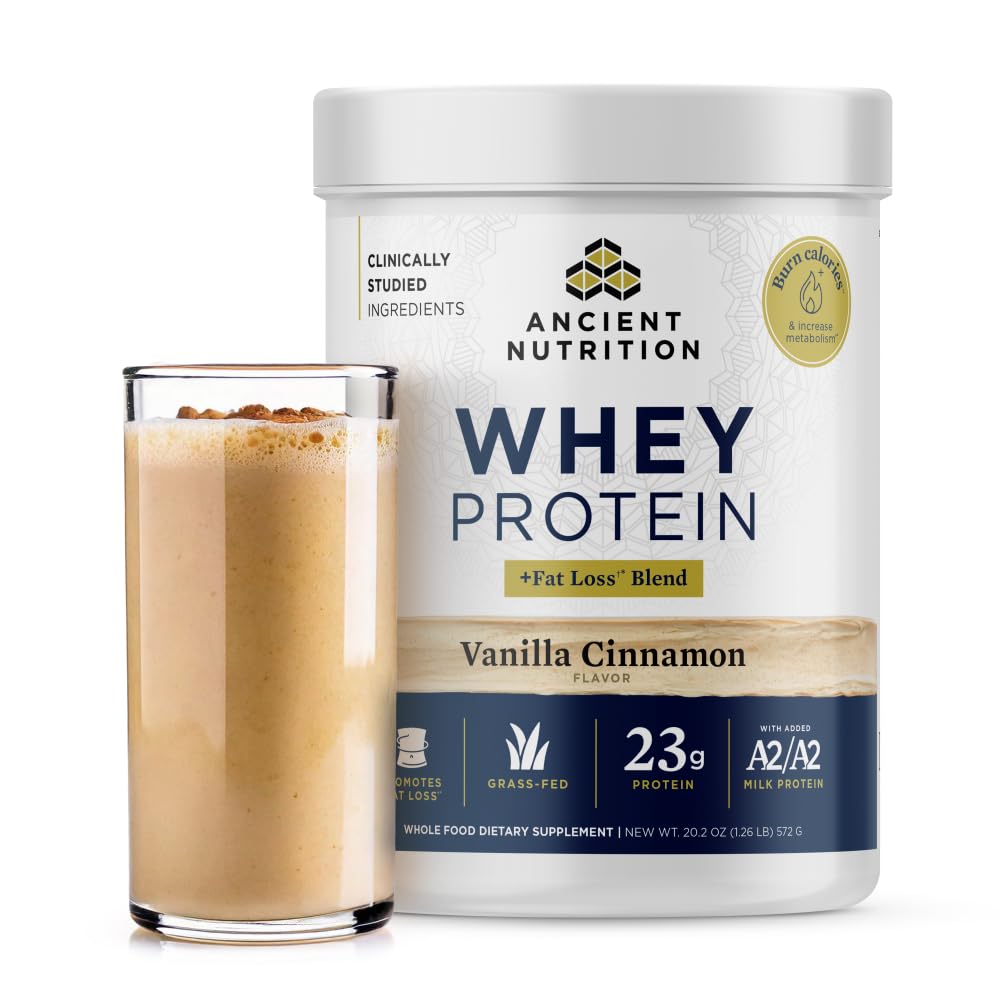
Protein powder is a dietary supplement. It’s made by extracting protein from foods like milk (whey, casein), eggs, peas, rice, or soy. The result is a concentrated powder that’s easy to mix into shakes or recipes.
There are several types:
- Whey protein (from milk) – fast-digesting
- Casein protein (from milk) – slow-digesting
- Soy, pea, or rice protein – plant-based
- Egg protein – from egg whites
People use protein powder for many reasons. Some want to build muscle, others want to lose weight, and many just want a simple way to meet their daily protein needs.
How Protein Powder May Affect Metabolism
So, can adding protein powder to your diet really boost your metabolism? The answer depends on several factors.
1. It Raises The Thermic Effect
Just like whole-food protein, protein powder increases the thermic effect of food. When you add more protein to your meals, your body uses more energy to digest it.
But, the effect is not huge. A shake with 25 grams of protein might burn an extra 20–30 calories compared to carbs or fat. Over time, this small difference can add up, but it will not cause dramatic weight loss on its own.
2. It Helps Preserve Muscle
If you’re trying to lose weight, there’s a risk of losing muscle along with fat. Protein powder can help prevent this. By giving your body enough protein, you keep more muscle, which keeps your metabolic rate higher.
This matters most if you’re on a calorie-reduced diet or doing a lot of exercise. Without enough protein, your body might break down muscle for energy, which slows your metabolism.
3. It Supports Muscle Growth
When combined with strength training, protein powder can help you build new muscle. Muscle tissue burns more calories than fat, even when you’re resting. This means that over time, your daily calorie needs can increase if you gain significant muscle.
However, for the average person, the increase is modest. One pound of muscle burns about 6–10 extra calories per day at rest. So, adding a few pounds of muscle will help, but it won’t double your metabolism.
4. Convenience For High-protein Diets
Some people find it hard to eat enough protein from food, especially if they’re busy, vegetarian, or dislike meat. Protein powder makes it easier to hit high-protein targets, which can help with satiety, muscle maintenance, and the small metabolic boost.
5. Reducing Snacking And Overeating
Protein shakes can help control hunger and reduce cravings. This can lead you to eat less overall, which can help with calorie control and weight loss. This is not a direct metabolic boost, but it supports weight management.
Protein Powder Vs. Whole Food Protein
Is there a difference between protein from powder and protein from chicken, eggs, or beans? Let’s compare.
| Source | Absorption Speed | Other Nutrients | Typical Serving (g Protein) |
|---|---|---|---|
| Whey Protein Powder | Fast | Few | 20–25 |
| Chicken Breast | Moderate | Vitamins, minerals | 25–30 |
| Eggs | Moderate | Fat, vitamins | 6 (per egg) |
| Tofu | Slow | Minerals, fat | 8 (per 100g) |
Protein powder is absorbed faster, especially whey. This can be useful right after exercise. Whole foods, however, give you more nutrients and keep you full longer. For metabolism, both offer the same basic benefits if total protein intake is high enough.
Non-obvious insight: People often forget that protein powder is not “special.” It’s just a convenient form of protein. It doesn’t have magic fat-burning powers beyond what food protein offers.
How Much Protein Do You Need?
The amount of protein you need depends on your goals, body size, and activity level.
- General health: 0.8 grams per kilogram of body weight
- Active people: 1.2–2.0 grams per kilogram
- Weight loss/muscle gain: Up to 2.2 grams per kilogram
For a 70 kg (154 lb) adult, that’s 56–154 grams per day, depending on activity.
Higher protein intakes help with muscle gain, fat loss, and satiety, but more is not always better. Very high amounts (over 2. 5 grams per kg) give little extra benefit for most people.
Does More Protein Always Mean Faster Metabolism?
Not always. There’s a limit to how much your metabolism can rise with more protein. Eating more than you need will not keep boosting your metabolic rate. In fact, extra calories from any source can be stored as fat if you eat more than you burn.
Non-obvious insight: Some people think “if a little is good, more is better.” But after a certain point, extra protein just adds calories and may stress your kidneys if you have pre-existing kidney issues.
What Science Says About Protein And Metabolism
Many studies have looked at how protein affects metabolism, weight, and body composition. Here are some key findings:
- High-protein diets increase the thermic effect of food by 2–3 times compared to low-protein diets.
- Diets with 30% of calories from protein cause people to burn about 260 more calories per day than diets with 10–15% protein.
- Protein helps preserve muscle during weight loss, which keeps metabolism higher.
- The effect of protein powder is similar to the effect of food protein, as long as total intake is high enough.
A study in the *American Journal of Clinical Nutrition* found that people who ate a high-protein diet lost more weight and fat than those who ate less protein, even when calories were matched.
But, the total increase in metabolism is usually small—around 80–100 extra calories per day for most people. That’s about the calories in a small banana.
Who Benefits Most From Protein Powder?
Not everyone needs protein powder. It’s most useful for:
- Athletes and bodybuilders who need more protein than the average person.
- Busy people who can’t eat enough protein from food.
- Vegetarians and vegans who may struggle to get complete protein.
- Older adults to prevent muscle loss (sarcopenia).
- People on weight-loss diets to help keep muscle.
If you already eat enough protein from food, adding more from powder probably won’t boost your metabolism much more.
Common Mistakes With Protein Powder And Metabolism
1. Relying Only On Protein Powder
Some people think drinking shakes will make them burn fat quickly. They forget that total diet, exercise, and sleep matter just as much.
2. Ignoring Calories
Protein powder still has calories. If you add it to your diet without cutting calories elsewhere, you may gain weight, not lose it.
3. Skipping Whole Foods
Whole foods give you fiber, vitamins, and minerals that powders lack. Don’t replace all your meals with shakes.
4. Not Strength Training
Protein helps build muscle, but only if you use your muscles. Without resistance exercise, you won’t gain much muscle or raise your metabolism.
5. Overdosing On Protein
Some people take much more than they need. This doesn’t boost metabolism extra and may lead to digestive issues or kidney stress if you have pre-existing problems.
Practical Ways To Use Protein Powder For Metabolism
If you want to use protein powder wisely, follow these tips:
- Use it to hit your protein goal – Calculate how much you need and fill the gap with powder if needed.
- Have a shake after workouts – This helps muscle repair and growth.
- Replace high-calorie snacks – Swap chips or sweets for a protein shake to lower calories.
- Combine with whole foods – Add powder to oatmeal, smoothies, or yogurt for balanced meals.
- Don’t overdo it – One or two servings per day is enough for most people.
Comparing Protein Powders: Which Is Best For Metabolism?
Not all powders are the same. Here’s a quick look at common types:
| Type | Protein per Scoop (g) | Absorption Speed | Best Use |
|---|---|---|---|
| Whey | 20–25 | Fast | Post-workout |
| Casein | 20–25 | Slow | Before bed |
| Soy | 15–20 | Medium | Anytime |
| Pea/Rice | 15–20 | Medium | Vegan option |
For metabolism, all types help as long as you get enough total protein. Whey is often easiest to digest and is well-studied. Casein is digested slowly and may help prevent muscle loss overnight. Plant proteins are good for those avoiding dairy.
Safety And Side Effects
Protein powder is safe for most people. However, here are a few things to keep in mind:
- Kidney issues: If you have kidney disease, talk to a doctor first. Extra protein may be harmful.
- Digestive upset: Some people get bloating or gas, especially from whey or lactose-containing powders.
- Allergies: Some powders have milk, soy, or egg ingredients. Read labels carefully.
- Quality control: Choose brands that test for purity. Some cheap powders may have contaminants.
Don’t assume more is always better. Aim for balance in your diet.
Non-obvious Insights: What Beginners Overlook
- Protein timing matters less than total amount. Many focus on having shakes right after workouts, but spreading protein intake evenly through the day is more important for muscle and metabolism.
- You can get similar metabolic benefits from high-protein meals. You don’t have to use powders if you can eat enough protein from eggs, meat, dairy, tofu, or beans.
- Metabolism boosts are modest, not dramatic. Protein powder helps, but don’t expect it to replace regular exercise or a balanced diet for weight loss.
Final Thoughts: Does Protein Powder Increase Metabolism?
Protein powder can help increase your metabolism, but only as part of a bigger picture. It works by raising the thermic effect of food, supporting muscle growth, and helping control appetite. For most people, the boost is small—about 80–100 extra calories burned per day if you increase protein from low to high.
If you struggle to eat enough protein, powder is a safe, convenient way to help you reach your goals. But it’s not a magic solution. Combine it with strength training, good sleep, and a balanced diet for the best results.
And remember, whole foods are important too.
To learn more about the science behind protein and metabolism, check out this research article from the National Institutes of Health.
Frequently Asked Questions
Does Protein Powder Burn Belly Fat?
Protein powder does not directly burn belly fat. It can help you feel full and keep muscle while losing weight. This can make it easier to lose fat overall, which includes belly fat. But there is no way to target fat loss in one specific area with protein powder.
Is It Safe To Use Protein Powder Every Day?
For most healthy people, using protein powder daily is safe. Just stay within recommended protein levels (0.8–2.2 grams per kilogram of body weight). If you have kidney issues or other health concerns, talk to a doctor first.
Can Too Much Protein Powder Slow My Metabolism?
No, extra protein powder will not slow your metabolism. But eating more protein than your body needs does not keep raising your metabolism. The extra protein will just add calories and may be stored as fat if you eat more than you burn.
What Is The Best Time To Take Protein Powder For Metabolism?
There is no single “best” time. Total daily protein matters more than timing. However, having protein after exercise or spread across your meals can help with muscle building and appetite control.
Should I Choose Plant Or Animal-based Protein Powder For Metabolism?
Both types can help with metabolism. Animal-based powders (like whey) are absorbed quickly and are high-quality. Plant-based (like soy or pea) are good if you avoid dairy or want a vegan option. The key is hitting your total protein needs each day.


