
After a tough workout, your muscles feel sore, your body is tired, and you might wonder, “Is there anything I can do to recover faster? ” Many athletes and fitness fans reach for a protein shake, hoping it will speed up recovery and reduce soreness.
But can protein powder truly help with recovery after workouts? Or is it just another fitness trend with little science behind it?
The answer is both simple and complex. Protein is essential for muscle repair and growth, but how, when, and why you use protein powder can make a big difference. This article will dive deep into the science, show what really works, and help you decide if adding protein powder to your routine is right for you.
Why Recovery Matters After Exercise
When you exercise, especially with weights or intense cardio, you put stress on your muscles. Tiny tears form in muscle fibers. This damage is normal and even necessary for muscle growth. However, your muscles need time and the right nutrients to repair themselves.
Good recovery means:
- Less muscle soreness (delayed onset muscle soreness, or DOMS)
- Faster return to training
- Lower risk of injury
- Better performance over time
Ignoring recovery can lead to fatigue, poor results, and even overtraining. Proper nutrition is a key part of this process, and protein is often at the center of the conversation.
The Role Of Protein In Muscle Recovery
Protein is made of amino acids, the building blocks your body uses to repair tissue. After a workout, your body enters a state called “muscle protein breakdown.” To rebuild and get stronger, you need enough dietary protein. Your body can pull amino acids from your last meal, but if you’re low on protein, recovery slows down.
Athletes and people who exercise regularly have higher protein needs than those who are inactive. Research suggests that 1.2 to 2.0 grams of protein per kilogram of body weight per day is ideal for those who train hard. For example, a 70 kg (154 lb) person might need 84 to 140 grams daily.

What Is Protein Powder?
Protein powder is a concentrated source of protein, usually made from:
- Whey (from milk)
- Casein (from milk)
- Soy
- Pea
- Rice
- Egg white
It can be mixed with water, milk, or added to smoothies. The main reason people use protein powder is convenience. It’s an easy way to increase protein intake, especially if you’re busy or don’t want to cook.
How Protein Powder May Help With Recovery
Protein powder is not a magic solution, but it can play a helpful role in recovery when used wisely. Here’s how:
- Easy absorption: Many protein powders, especially whey, are quickly absorbed. This means amino acids get to your muscles faster.
- High protein content: A scoop of protein powder (about 30g) often contains 20–25g of protein—enough to stimulate muscle repair.
- Convenience: After a workout, you might not feel like eating a big meal. A shake is an easy alternative.
- Supports muscle protein synthesis: Studies show that eating protein after exercise boosts muscle repair and growth.
But it’s not just about having protein after a workout. Your total daily protein intake matters most. A shake will not help if your overall diet is low in protein.
What The Science Says
Many studies have looked at protein intake and muscle recovery. Here are some key findings:
- Whey protein is absorbed quickly, making it a popular choice for post-workout recovery.
- A 2017 review in the British Journal of Sports Medicine showed that post-exercise protein intake increases muscle mass and strength gains—if you train regularly and get enough protein overall.
- Leucine, an amino acid found in high amounts in whey, is especially important for starting muscle repair.
However, if you already eat enough protein throughout the day, the timing of your shake is less important. A 2013 meta-analysis found that total protein intake had a stronger effect than timing alone.
Comparing Protein Powders: Which Is Best For Recovery?
Different types of protein powders have different effects. Here’s a side-by-side look:
| Type | Absorption Speed | Protein per Scoop (30g) | Best For |
|---|---|---|---|
| Whey | Fast | 24g | Post-workout, muscle building |
| Casein | Slow | 23g | Nighttime, sustained release |
| Soy | Medium | 22g | Vegetarians, vegans |
| Pea | Medium | 21g | Plant-based, allergies |
| Rice | Fast | 20g | Plant-based, sensitive stomachs |
Whey protein is often considered the “gold standard” for recovery, but other types can also help, especially if you have dietary restrictions.
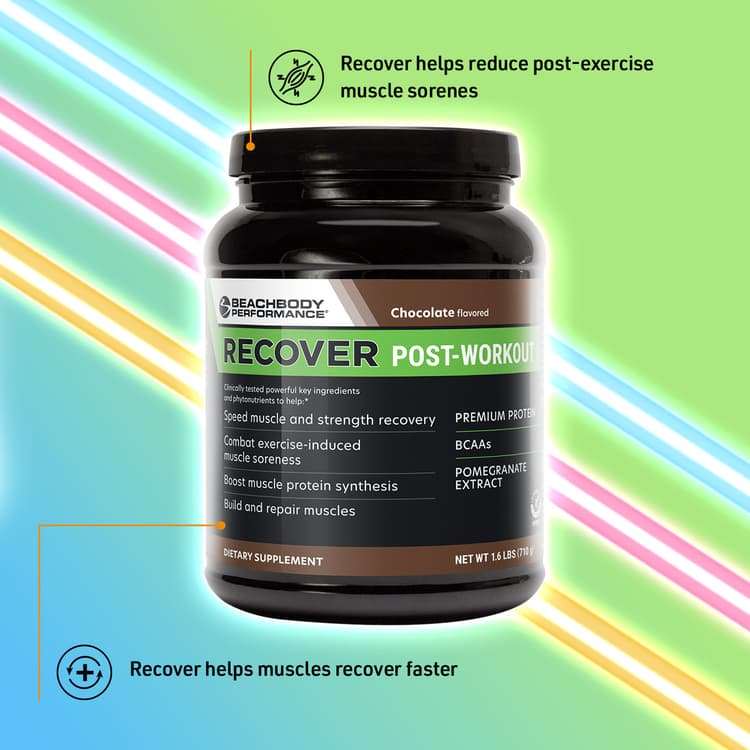
When Should You Take Protein Powder For Recovery?
There’s a lot of talk about the “anabolic window”—a 30–60 minute period after exercise when your body supposedly uses protein best. The truth is more relaxed. Recent studies show that as long as you get enough protein in the hours after training, you’re fine.
- Within 2 hours of finishing exercise is ideal.
- If you had a protein-rich meal before training, you have more time.
What matters most is getting enough high-quality protein throughout the day.
How Much Protein Do You Need After A Workout?
The sweet spot for most people is 20–40 grams of protein after exercise. This amount is enough to support muscle repair for a single session.
Here’s how it breaks down:
- 20 grams: Good for most adults after moderate exercise.
- 40 grams: May help after long or intense workouts, or if you’re bigger.
Most protein powders recommend 1 scoop (20–30 grams of protein). You can also get this from whole foods like chicken, eggs, or tofu.
Protein Powder Vs. Whole Food: Which Is Better?
Both protein powder and whole foods help with recovery, but they have different strengths.
| Protein Powder | Whole Foods |
|---|---|
| Quick, easy to prepare | More vitamins, minerals, fiber |
| Fast absorption (whey, rice) | Slower digestion |
| Portable, long shelf life | More filling, can be tastier |
| Can be expensive per serving | Usually cheaper per gram of protein |
For many, a mix of both works best. Use powder when you’re busy, and whole foods when you have time.
Who Benefits Most From Protein Powder After Workouts?
While anyone can use protein powder, some people get more benefit than others:
- Athletes and bodybuilders: High training load means high protein needs.
- People with little appetite after exercise: A shake is easier to drink than a meal.
- Vegetarians and vegans: Plant-based powders fill gaps in the diet.
- People short on time: Quick option when you can’t prepare food.
- Older adults: Protein shakes can help prevent muscle loss with age.
If you already eat enough protein and recover well, protein powder is less essential—but it’s still convenient.
Common Mistakes With Protein Powder And Recovery
Protein powder is useful, but many people use it incorrectly. Here are mistakes to avoid:
- Relying only on shakes: Your body needs a variety of nutrients. Don’t skip whole foods.
- Taking too much protein: More is not always better. Excess is stored as fat or excreted.
- Ignoring total daily intake: One shake won’t help if your overall protein is low.
- Choosing low-quality powders: Some have added sugar, fillers, or poor protein sources.
- Not drinking enough water: High-protein diets can stress the kidneys if you’re dehydrated.
A common beginner mistake is thinking that timing is everything. If you have a shake but not enough protein during the rest of the day, you won’t get full benefits.
How To Choose A Good Protein Powder For Recovery
With so many options, picking the right protein powder can be confusing. Here’s what matters most:
- Type of protein: Whey is fastest, but plant-based options are good for allergies or dietary reasons.
- Protein content per serving: Aim for at least 20g per scoop.
- Amino acid profile: Look for powders rich in leucine (at least 2g per serving).
- Ingredients list: Fewer ingredients are usually better. Watch for added sugar or artificial flavors.
- Brand reputation: Choose brands that test for safety and quality.
A good powder should mix well, taste good to you, and fit your dietary needs.
Can Protein Powder Reduce Soreness?
Muscle soreness after a workout is common. Protein helps repair muscle, but does it reduce soreness directly?
Studies are mixed. Some research shows that taking protein after exercise can reduce the feeling of soreness, especially when combined with enough carbs and fluids. But don’t expect soreness to disappear overnight. Protein helps your body recover faster, but some soreness is normal.
A non-obvious tip: combining protein with other recovery strategies (like stretching, sleep, and hydration) works better than protein alone.
Does Protein Powder Help With Other Types Of Recovery?
Protein isn’t just for muscles. After endurance exercise (like running or cycling), protein helps repair overall tissue and supports the immune system, which can get stressed after tough sessions. It also helps you feel full, which can stop unhealthy snacking after workouts.
However, for endurance athletes, combining protein with carbohydrates is best. Carbs refill your energy stores, while protein repairs muscles.
Are There Risks Or Side Effects To Using Protein Powder?
For most healthy people, protein powder is safe when used as directed. But there are some things to watch out for:
- Digestive issues: Some powders, especially whey, can cause bloating or gas.
- Allergies: Milk, soy, or egg allergies mean you need to pick another type.
- Kidney stress: High-protein diets can be hard on people with kidney disease.
- Added ingredients: Watch for sweeteners, fillers, or untested herbs.
If you have any health conditions, talk to your doctor before starting supplements.
A non-obvious tip: Try a half scoop to see how your body reacts before using a full serving.
Practical Tips For Using Protein Powder For Recovery
Here’s how to get the most from your protein powder:
- Mix with water or milk: Water for quick absorption, milk for more calories and nutrients.
- Add to smoothies: Combine with fruits, greens, or oats for a balanced post-workout meal.
- Use a shaker bottle: It helps mix powder smoothly and is easy to carry.
- Don’t rely only on shakes: Use them for convenience, not as your main protein source.
- Store properly: Keep powder dry and sealed to prevent clumping or spoilage.
Protein Powder And Special Diets
Not everyone eats the same way. Here’s how protein powder fits into different diets:
- Vegan/vegetarian: Choose soy, pea, or rice protein.
- Lactose intolerant: Use whey isolate (less lactose) or plant-based powders.
- Low-carb/Keto: Some powders are low in carbs; check the label.
- Gluten-free: Most pure protein powders are gluten-free, but check for cross-contamination.
Be sure to match your powder to your needs.
Real-world Examples: How Athletes Use Protein Powder
- Sprinters and weightlifters often use whey protein shakes right after training to jump-start recovery.
- Distance runners may mix protein with fruit and oats to get both carbs and protein.
- Busy professionals use shakes as a meal replacement when short on time.
Professional sports teams often have shakes ready in the locker room, showing how common and accepted this practice is.
How Protein Powder Fits Into A Full Recovery Routine
Protein powder is just one part of good recovery. Other important steps include:
- Rest and sleep: Muscles need time to rebuild.
- Hydration: Water helps your body repair tissue and move nutrients.
- Carbohydrates: Refill energy stores if you train hard.
- Stretching and massage: Reduce stiffness and improve blood flow.
A protein shake is most useful when combined with these habits.
Myths About Protein Powder And Recovery
Let’s clear up some common myths:
- “Protein powder is only for bodybuilders.” In truth, anyone can use it for convenience.
- “More protein means faster recovery.” There’s a limit—your body can’t use unlimited amounts.
- “You must take protein immediately after a workout.” The timing window is flexible.
- “Plant protein is not as good.” Modern plant powders can be just as effective if you get enough.
- “Protein powder will make you gain weight.” Only if you eat more calories than you burn.
Understanding these myths helps you make smart choices.
How To Make Protein Powder Taste Better
Some people don’t like the taste of plain protein powder. Here are easy ways to improve it:
- Mix with low-fat milk or a milk alternative for creaminess.
- Blend with a banana, berries, or a spoon of peanut butter.
- Add a dash of cinnamon or cocoa powder.
- Use in recipes: Add to pancakes, oatmeal, or yogurt.
Experiment to find what you like best.
Reading Protein Powder Labels: What To Watch For
Not all protein powders are created equal. When shopping, check:
- Protein per serving: Aim for 20g or more.
- Leucine content: At least 2g is ideal.
- Added sugars: Less is better.
- Other ingredients: Fewer additives are usually better.
Look for third-party testing (like NSF Certified) for safety and quality.

The Bottom Line: Can Protein Powder Help With Recovery After Workouts?
Yes, protein powder can help with recovery after workouts—if you use it correctly. It’s not a magic bullet, but it’s a convenient, effective way to support muscle repair, especially if you struggle to get enough protein from food alone.
The most important factors are your total daily protein intake, choosing a quality powder, and combining it with other good recovery habits. For most people, protein powder is safe, easy, and helpful—but not absolutely necessary if your diet is already balanced.
For more detailed research and science on protein and recovery, see this National Institutes of Health review.
Frequently Asked Questions
Is Protein Powder Necessary For Recovery If I Already Eat Enough Protein?
No, if you get enough high-quality protein from whole foods, protein powder is not necessary. It’s mainly for convenience or when you can’t meet your needs from food alone.
Can I Use Protein Powder Even If I Don’t Work Out?
Yes, but it’s not always needed. If your diet is low in protein, a powder can help. But for most people who don’t exercise much, food sources are enough.
How Soon After A Workout Should I Take Protein Powder?
Within 2 hours is ideal, but the exact timing isn’t critical if your total daily protein intake is high enough.
Are There Any Side Effects Of Using Protein Powder?
Most people have no problems, but some may experience bloating, allergies, or digestive issues. Always check the ingredients and start with a small amount.
Can I Mix Protein Powder With Other Supplements?
Yes, you can mix it with creatine, BCAAs, or other workout supplements, but always check for interactions and don’t overload your shakes with too many ingredients.
With the right knowledge, you can use protein powder to support your recovery and reach your fitness goals more efficiently. Remember, it’s one tool in your overall recovery toolbox.

