
Many people focus on their protein intake during the day, usually after workouts or with breakfast. But as nutrition science advances, a new question has become more common: Can protein powder be taken at night? If you want to maximize muscle growth, lose weight, or simply improve recovery, understanding when to use protein supplements is important. Nighttime protein is a topic full of myths and mixed advice, so let’s dive into the facts, research, and practical tips to help you decide what’s best for your body and your goals.
Why Timing Matters With Protein
Protein is made of amino acids, which are the building blocks your body uses to repair muscles, make hormones, and support your immune system. While daily protein intake is essential, *when* you consume protein can also influence how your body uses it.
When you sleep, you go for many hours without eating. During this time, your body enters a fasting state. For athletes, bodybuilders, or anyone wanting to gain or maintain muscle, this can be a concern. At night, your body switches from building muscle (anabolism) to breaking down muscle (catabolism) if it doesn’t have enough nutrients.
That’s why some people believe taking protein before bed can help reduce muscle breakdown and improve recovery.
What Happens To Your Body Overnight
Sleep is a time of recovery. Your body repairs tissues, balances hormones, and strengthens the immune system. But if your body doesn’t get enough nutrients before bed, muscle repair can slow down, and muscle loss can happen faster—especially if you train hard.
Here’s a simplified look at what happens:
- Muscle protein breakdown increases because your last meal’s nutrients are used up.
- Growth hormone (important for muscle repair) is released in larger amounts during deep sleep.
- Amino acids from protein can be used to rebuild muscle if they are available in your bloodstream.
If you provide your body with slow-digesting protein before sleep, you may keep amino acid levels higher for longer, helping to protect muscle and boost recovery.
Benefits Of Taking Protein Powder At Night
Many people wonder if it’s just a gym myth, but research shows that there are real advantages to nighttime protein supplementation. Here’s a closer look at the main benefits:
1. Improved Muscle Growth And Recovery
Consuming protein before bed can increase muscle protein synthesis (the process of building muscle) overnight. Studies have shown that people who take casein protein (a slow-digesting type) before sleep see better muscle growth and strength gains over time.
In one study, men who did resistance training and took 40g of casein before bed had 22% more muscle growth compared to those who didn’t. This is because the body uses the amino acids from casein throughout the night to build and repair muscle.
2. Preventing Muscle Breakdown
If you are dieting, aging, or training intensely, you risk losing muscle mass. Taking protein at night gives your body a steady supply of amino acids, which can reduce muscle breakdown. This is especially useful for older adults, who naturally lose muscle as they age.
3. Better Recovery After Exercise
Hard workouts create tiny tears in your muscles. They need protein to heal and grow back stronger. Having protein before sleep can speed up this repair process, so you wake up less sore and ready to train again.
4. Supporting Weight Loss
Protein helps you feel full, even while sleeping. If you struggle with late-night hunger or wake up feeling starved, a bedtime protein shake can keep you satisfied and less likely to snack on unhealthy foods.
Also, protein has a higher thermic effect (your body burns more calories digesting it) compared to carbs or fats. This means you might burn a few extra calories overnight.
5. Supporting Metabolism And Blood Sugar
Eating protein at night can help control your blood sugar during sleep, especially when paired with exercise or for people with diabetes. Stable blood sugar means better sleep quality and less fat storage.
Types Of Protein Powder For Nighttime
Not all protein powders are the same. Some are digested quickly, others slowly. For nighttime, you want a type that releases amino acids over many hours.
Let’s compare the most popular types:
| Protein Type | Digestion Speed | Best For Night? | Notes |
|---|---|---|---|
| Casein | Slow (6-8 hours) | Yes | Great for steady release of amino acids |
| Whey | Fast (1-2 hours) | Not ideal | Better for post-workout or breakfast |
| Soy | Medium (3-4 hours) | Okay | Plant-based option, slower than whey but faster than casein |
| Pea/Rice Blend | Medium | Okay | Good for vegans, not as slow as casein |
Why Casein Is Best At Night
Casein protein is special because it forms a gel in your stomach, slowing down digestion. This slow release means your body gets a steady stream of amino acids all night long. It’s the top choice for nighttime protein.
If you don’t eat dairy or are allergic, a plant-based blend with added fiber can also slow digestion, but it won’t match casein’s effect exactly.
How Much Protein Should You Take Before Bed?
The ideal amount of protein depends on your body size, activity level, and goals. Most research recommends 20-40 grams of protein before sleep. For most adults, 30 grams is a safe and effective amount.
Here’s how that looks in common protein powders:
- 1 scoop (30g) casein protein = about 24g protein
- 1 scoop whey protein = about 24g protein (but digests faster)
- 1 serving of soy protein = about 20g protein
If you eat a high-protein dinner late (like chicken, fish, or tofu), you may not need a full 30g shake at bedtime. But if your dinner is early or low in protein, a supplement can help.
Is It Safe To Take Protein Powder At Night?
For most healthy people, protein powder at night is safe. Your body can digest and use protein at any time. Some worry that eating before bed will cause fat gain, but studies show that extra protein is not easily stored as fat—especially if you stay within your daily calorie needs.
However, here are a few safety tips:
- If you have kidney disease, talk to your doctor before increasing protein intake.
- Some people may feel bloated or gassy with certain protein powders. Try different brands or types if you have issues.
- Avoid protein powders with lots of sugar or artificial ingredients, especially before sleep.
When Not To Take Protein Powder At Night
Nighttime protein isn’t right for everyone. Here are some cases to be careful:
- If you struggle with acid reflux: Eating or drinking late at night can make symptoms worse.
- If you have trouble sleeping: Some people find that eating anything close to bedtime makes it harder to fall asleep, especially if the shake is large or contains caffeine or stimulants.
- If you already meet your protein needs: More protein does not always mean better results. If your diet is already high in protein, an extra shake may not provide more benefit.
Comparing Nighttime Protein To Daytime Protein
It’s a common myth that protein at night is “better” than during the day. The real answer depends on your total daily intake and your training schedule.
| Timing | Best For | Notes |
|---|---|---|
| After Workout | Muscle recovery and growth | Whey or plant protein works well |
| Before Bed | Preventing muscle breakdown during sleep | Casein or slow-digesting protein is best |
| Morning | Breaking overnight fast, boosting metabolism | Any protein source works |
What matters most is your total daily protein—not just the timing. However, nighttime protein can offer an extra edge for those who want to maximize muscle gain, prevent loss, or recover faster.
Common Myths About Protein At Night
Despite growing research, myths still exist. Let’s clear up a few:
Myth 1: Eating Protein At Night Makes You Gain Fat
This is only true if you eat too many calories overall. Protein is less likely to be stored as fat than carbs or fat, especially if you exercise regularly. In fact, protein can help with weight control due to its effect on fullness and metabolism.
Myth 2: Your Body Can’t Digest Protein While Sleeping
Your body digests and absorbs nutrients 24/7. Protein taken at night is slowly broken down and used for repair and growth.
Myth 3: Only Bodybuilders Need Night Protein
Anyone who exercises, is older, or wants to keep their muscles strong can benefit. It’s not only for athletes.
Myth 4: All Protein Powders Work The Same
As shown earlier, casein is best for nighttime. Whey is absorbed quickly and is better used after workouts or in the morning.
Myth 5: Protein Before Bed Hurts Your Kidneys
For healthy people, normal protein intake does not damage kidneys. Problems only happen in people with existing kidney disease.
Who Should Consider Nighttime Protein?
Nighttime protein isn’t necessary for everyone, but it can make a difference for certain groups:
- Athletes and bodybuilders: Helps maximize muscle repair and growth.
- Older adults: Slows down age-related muscle loss (sarcopenia).
- People on a diet: Helps maintain muscle while losing fat.
- Anyone with long gaps between dinner and sleep: Prevents muscle breakdown from extended fasting.
Practical Tips For Taking Protein Powder At Night
If you decide to try protein powder before bed, here are some practical tips:
Choose The Right Type
Pick casein protein or a slow-digesting plant blend. Avoid whey or other fast proteins.
Time It Right
Drink your shake 30-60 minutes before sleep. This gives your body time to start digesting before you lie down.
Watch Your Calories
If you’re trying to lose weight, make sure your shake fits into your daily calorie plan. Don’t add lots of sugar, honey, or high-calorie mix-ins.
Keep It Simple
A basic protein shake with water or milk is usually best. If you want more flavor, add unsweetened cocoa powder, cinnamon, or berries.
Listen To Your Body
If you feel too full, bloated, or have trouble sleeping, reduce the serving size or try a different protein.
Sample Nighttime Protein Shake Recipes
Looking for inspiration? Here are two easy recipes:
Classic Casein Shake
- 1 scoop casein protein powder (vanilla or chocolate)
- 250 ml cold milk or almond milk
- Optional: 1/2 banana or a sprinkle of cinnamon
- Blend and drink 30 minutes before bed
Vegan Slow-release Shake
- 1 scoop plant-based protein blend (look for pea/rice/fiber mix)
- 250 ml soy milk
- 1 tablespoon chia seeds (for extra slow digestion)
- 1/2 cup frozen berries
- Blend and enjoy
Nighttime Protein For Special Groups
For Women
Women often worry that protein will make them bulky. This is a myth—protein helps with lean muscle and fat loss. Nighttime protein is safe and effective for women, especially those who exercise or want to maintain muscle as they age.
For Older Adults
Muscle loss speeds up with age, making protein more important. Studies show that older adults who take casein before bed can keep more muscle and strength, even without heavy exercise.
For People With Diabetes
Nighttime protein can help stabilize blood sugar, but avoid shakes with sugar or high-glycemic carbs. Always check with your doctor or dietitian.
How To Spot A Good Nighttime Protein Powder
Not all protein powders are equal. Here’s what to check:
- Ingredients: Look for short, simple ingredient lists. Avoid added sugars, artificial flavors, or cheap fillers.
- Third-Party Testing: Choose brands tested for quality and purity.
- Protein Content: Aim for at least 20g protein per serving.
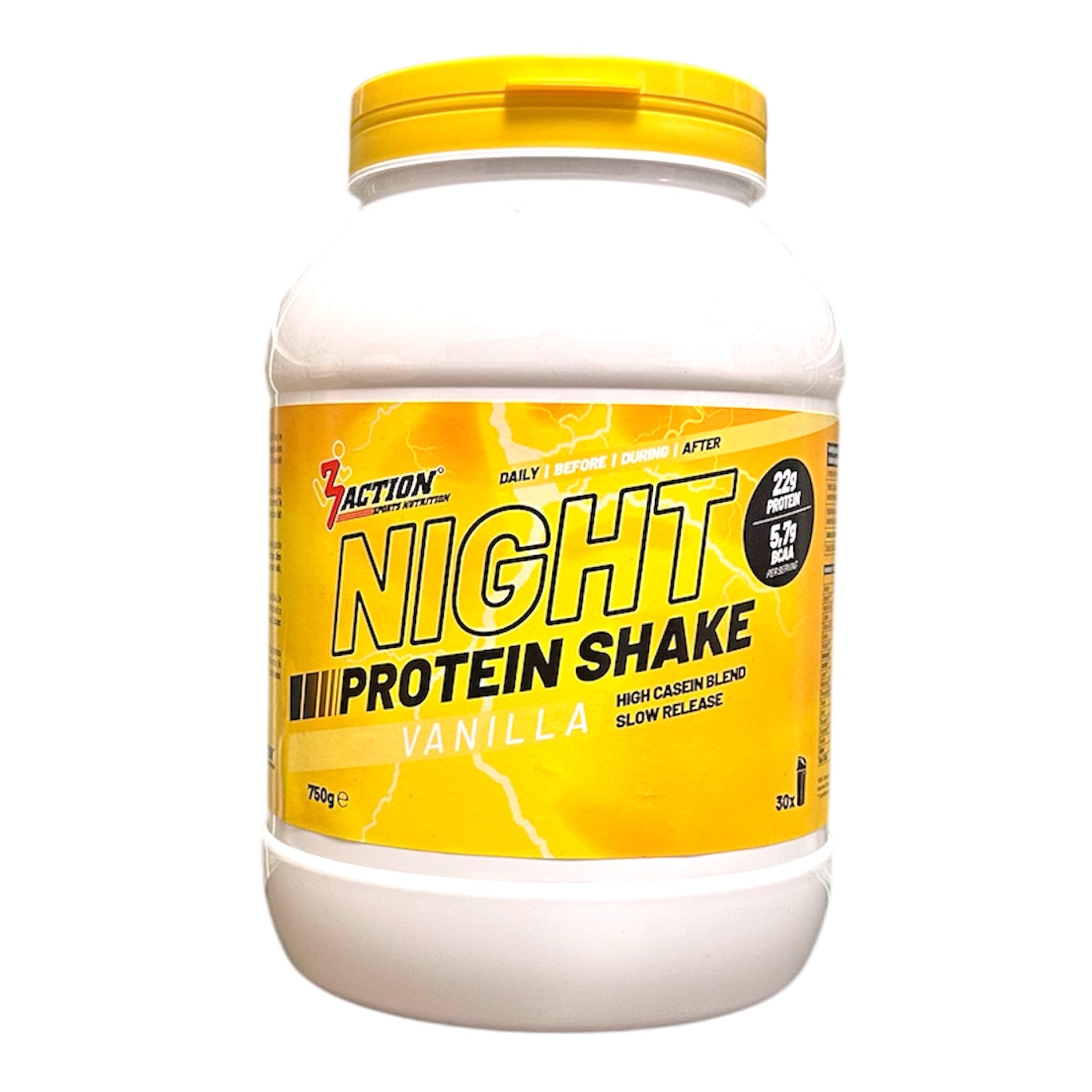
- Type: For night, casein (micellar casein) is best. For plant-based, blends with added fiber digest slower.
- Digestibility: If you have a sensitive stomach, look for powders with added enzymes or probiotics.
Real-world Examples: Who Uses Nighttime Protein?
Many professional athletes and fitness experts use nighttime protein. For example, top bodybuilders often finish their day with a casein shake. Some endurance athletes use it to recover from late-night training sessions.
But you don’t need to be a pro. Many people who want to keep their strength while losing fat or getting older use nighttime protein as a simple, effective tool.
Research And Scientific Evidence
Multiple studies have tested nighttime protein. A well-known trial in the Journal of Nutrition showed that 40g of casein before bed increased muscle growth and strength in young men doing resistance training.
Another study found that older adults who took 30g of casein before sleep reduced muscle loss compared to a control group.
For those interested in the science, you can find a summary of research at Wikipedia: Casein.
How To Fit Nighttime Protein Into Your Routine
Adding nighttime protein doesn’t have to be complicated. Here’s a simple approach:
- Track your protein intake for a few days. Aim for 1.2–2.0 grams per kg of body weight per day, depending on activity level.
- If you fall short, add a nighttime shake.
- Monitor your body—check for better recovery, less soreness, or improved strength over a few weeks.
Possible Downsides And How To Avoid Them
While protein at night is safe for most, some people may notice:
- Digestive discomfort: Try smaller servings or a different protein type.
- Extra calories: Watch out if you add peanut butter, oils, or full-fat milk.
- Sleep issues: Avoid shakes with caffeine (like some chocolate flavors).
Frequently Asked Questions
How Much Protein Should I Take At Night?
Most research suggests 20-40 grams of protein before bed is effective. For most people, 30 grams is a good amount. Adjust based on your body size and daily protein intake.
Can I Take Whey Protein At Night?
Whey protein digests quickly, so it’s not the best for nighttime. Casein protein is better because it digests slowly, providing amino acids all night. If you only have whey, it’s still better than nothing but not ideal.
Will Nighttime Protein Make Me Fat?
Not if you stay within your daily calorie needs. Protein is less likely to be stored as fat compared to carbs or fat. Nighttime protein can help with weight loss by keeping you full.
Is It Safe For People With Diabetes?
Nighttime protein is generally safe, but choose low-sugar options. Protein can help stabilize blood sugar overnight. Always consult your doctor before making changes.
Can I Use Plant-based Protein At Night?
Yes, but choose a blend (like pea and rice) with added fiber for slower digestion. Pure soy protein is also a good choice but not as slow as casein.
Taking protein powder at night can be a smart addition to your routine, especially if you want to maximize muscle growth, recover faster, or prevent muscle loss. Choose the right type, watch your portion size, and listen to your body. With the right approach, nighttime protein can help you reach your health and fitness goals more effectively.


