
Is Protein Powder Safe To Use Daily?
Many people today use protein powder to boost their nutrition or help with fitness goals. You see it in gyms, supermarkets, and online stores. Some athletes, students, and even busy professionals mix it with water, milk, or smoothies. But a big question remains: is protein powder safe to use every day? Or could there be risks with daily use?
Let’s look deeper into this topic, so you can make an informed decision for yourself or your family. We’ll explore what protein powder really is, how it works in your body, the possible benefits and downsides, and what science says about daily use.
Whether you want to build muscle, lose weight, or just stay healthy, this guide will help you understand the facts.
What Is Protein Powder?
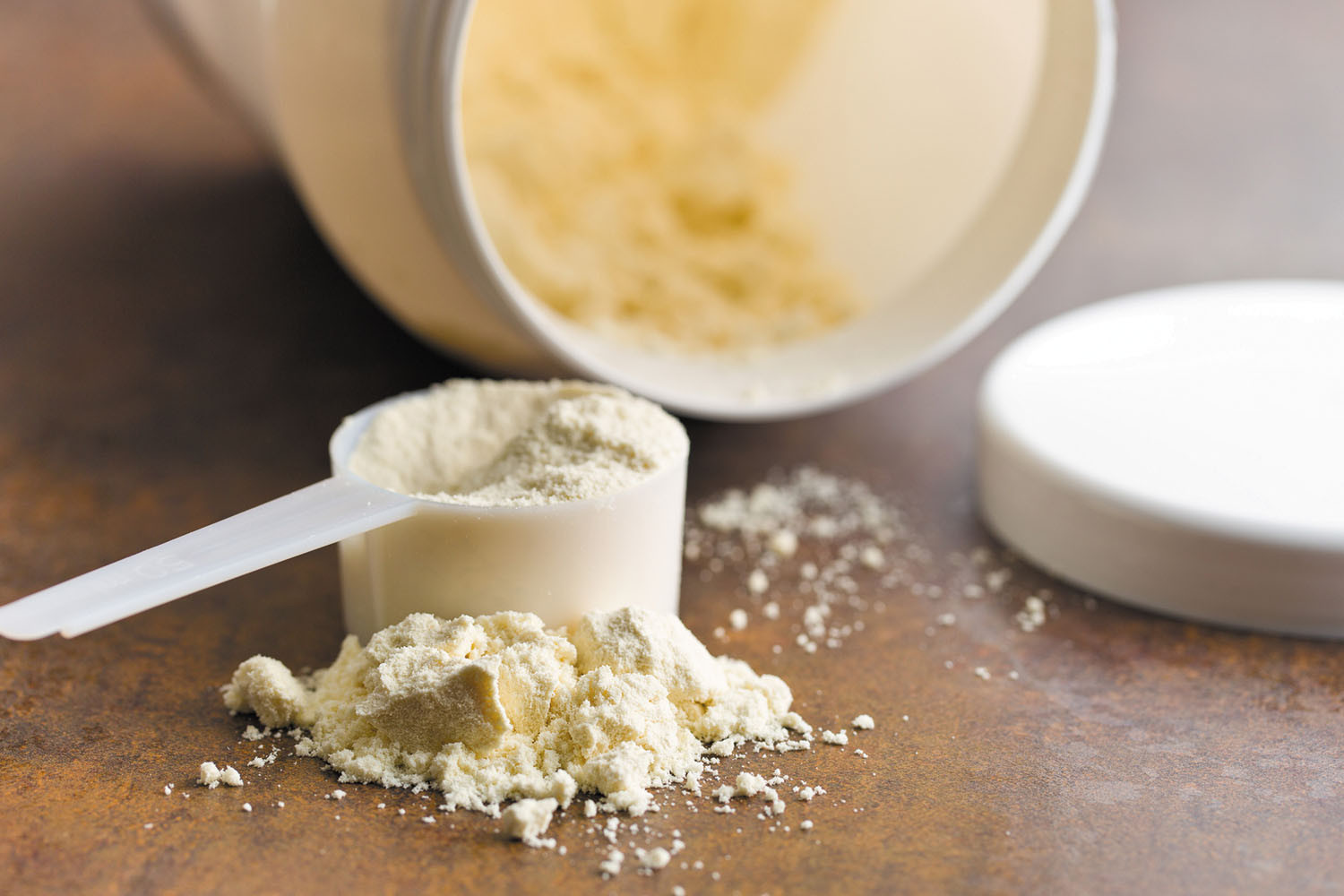
Protein powder is a nutritional supplement. It’s made by extracting protein from foods like milk, eggs, peas, soybeans, or rice. The main goal is to provide a concentrated source of protein in a quick, easy-to-use form. Protein powders come in several types, such as:
- Whey protein (from milk)
- Casein protein (from milk)
- Soy protein
- Pea protein
- Rice protein
- Egg white protein
You can mix these powders with water, milk, or add them to recipes. Most people use protein powder for muscle building, weight management, or to help meet daily protein needs. But why is protein so important?
The Role Of Protein In The Body
Protein is a macronutrient—your body needs it in large amounts. It helps:
- Build and repair muscles, skin, hair, and nails
- Make hormones and enzymes
- Support your immune system
- Give energy when needed
The average adult needs about 0.8 grams of protein per kilogram of body weight daily. Athletes or people doing intense exercise may need more, sometimes up to 1.6–2.2 grams per kilogram.
Why Do People Use Protein Powder Every Day?
There are different reasons people reach for protein powder each day. Some of the most common include:
- Convenience: It’s fast and easy, especially for people with busy schedules.
- Muscle growth: Many athletes use it after workouts to help muscles recover and grow.
- Weight loss: Protein can help you feel full longer, so you may eat less.
- Vegan or vegetarian diets: It can be hard to get enough protein from plants alone.
- Medical needs: Some people need extra protein to recover from illness or surgery.
It’s important to note that not everyone needs protein powder. Many can get enough from normal foods like eggs, chicken, fish, beans, or dairy.

How Much Protein Is Safe Per Day?
Before you decide to use protein powder daily, you should know your own protein needs. Eating too little can cause muscle loss, tiredness, and poor health. Too much can be hard on your kidneys, especially if you already have kidney problems.
Here’s a simple comparison:
| Group | Recommended Protein Intake | Common Sources |
|---|---|---|
| Average Adult | 0.8 g/kg body weight | Eggs, dairy, beans, meat |
| Athlete/Bodybuilder | 1.2–2.2 g/kg body weight | Lean meat, fish, protein powder |
| Elderly | 1.0–1.2 g/kg body weight | Fish, dairy, legumes |
| Pregnant Women | 1.1 g/kg body weight | Dairy, eggs, lean meats |
For most healthy adults, up to 2 grams of protein per kilogram of body weight per day is considered safe. But it’s always best to check with a healthcare provider, especially if you have any health issues.
The Safety Of Daily Protein Powder Use
Scientific Evidence
Research shows that protein powder is generally safe for healthy people if used in normal amounts. Most powders are made from foods people already eat, such as milk or peas. No strong evidence suggests that moderate, daily use causes harm for people with no health problems.
In fact, some studies find that extra protein can help build muscle, support fat loss, and help with healthy aging. For example, a 2018 review found that protein supplements can improve muscle strength, especially in people doing resistance exercise.
However, it’s important to use the right amount. Taking very high doses for a long time may cause problems, especially if you already have kidney disease or other chronic health problems.
Potential Risks Of Daily Use
While many people use protein powder safely, there are a few possible risks:
- Kidney stress: Too much protein can be hard on kidneys, especially for people with existing kidney disease.
- Digestive issues: Some people get bloating, gas, or diarrhea, especially with whey or casein.
- Nutrient imbalance: Relying too much on powder can mean you miss out on other nutrients from whole foods.
- Added sugars and additives: Some powders have a lot of sugar, artificial flavors, or thickeners.
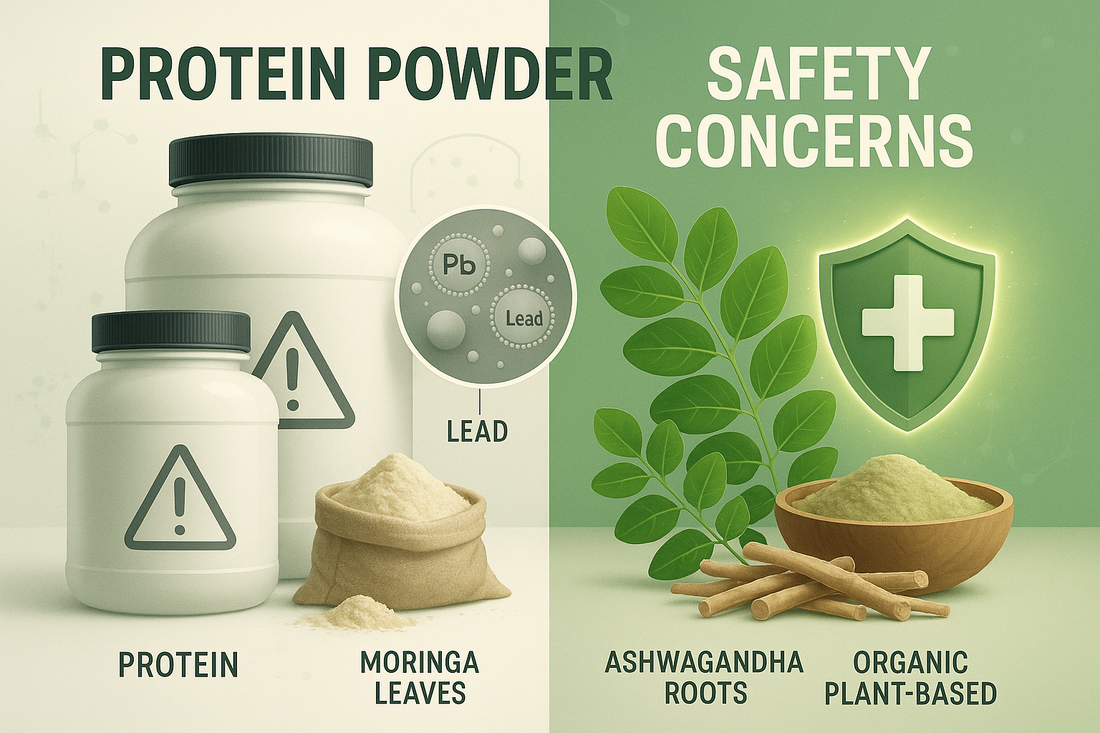
- Heavy metals: Some studies found small amounts of lead, arsenic, or cadmium in certain powders.
Here’s a quick summary:
| Risk | Who Is at Risk? | How to Reduce Risk |
|---|---|---|
| Kidney stress | People with kidney disease | Check with doctor, use normal amounts |
| Digestive issues | Lactose intolerant or sensitive individuals | Choose plant-based or isolate powders |
| Nutrient imbalance | People replacing meals with powder | Eat a varied diet, use powder only as a supplement |
| Heavy metals | Anyone using low-quality products | Choose trusted brands, check for third-party testing |
Not-so-obvious Insights
Most beginners miss these points:
- Protein powder is not regulated like medicine. In many countries, these supplements are not closely checked by the government. This means quality can vary a lot.
- More is not always better. Many think extra protein will always help. But your body can only use so much. The rest is broken down and used for energy or stored as fat.
Who Should Be Careful With Daily Protein Powder?
While most healthy people can use protein powder safely, some groups need to be extra careful:
- People with kidney disease: High protein can make kidney problems worse.
- People with liver disease: Protein puts extra work on the liver.
- Children and teenagers: They should get most protein from foods, not supplements, unless a doctor says otherwise.
- Pregnant and breastfeeding women: Always check with a doctor first.
- People with allergies: Some powders contain milk, soy, or eggs.
If you are in one of these groups, talk to a healthcare provider before using protein powder daily.
How To Use Protein Powder Safely Every Day
If you want to add protein powder to your daily routine, follow these tips:
- Calculate your needs: Know how much protein you need each day. Subtract how much you get from food, and use powder only for the “extra” you need.
- Choose quality products: Look for powders tested by third-party groups like NSF or Informed Choice. This reduces the risk of contaminants.
- Check the ingredients: Choose powders with short ingredient lists. Avoid those with a lot of sugar or artificial additives.
- Don’t skip real food: Use protein powder to “fill the gap,” not as your main source of nutrition.
- Watch for side effects: If you notice stomach pain, bloating, or rash, try a different type or brand.
Example: How To Add Protein Powder To Your Day
Here’s a sample plan for someone who needs 100 grams of protein per day:
- Breakfast: Eggs and toast (20 g protein)
- Lunch: Chicken salad (25 g protein)
- Snack: Greek yogurt (15 g protein)
- Dinner: Fish and rice (25 g protein)
- Protein shake after gym (15 g protein from powder)
In this example, the person gets most protein from food, and uses powder just once.
Comparing Different Types Of Protein Powders
Not all protein powders are the same. Some are better for certain people or needs.
| Type | Main Source | Best For | Common Allergens |
|---|---|---|---|
| Whey | Milk | Muscle gain, fast absorption | Lactose, milk |
| Casein | Milk | Slow-release, night-time use | Lactose, milk |
| Soy | Soybeans | Vegetarians, plant-based diets | Soy |
| Pea | Peas | Vegans, allergies | Rarely allergenic |
| Egg white | Eggs | People with milk or soy allergies | Egg |
| Rice | Brown rice | Vegans, hypoallergenic | Rare |
For most people, whey is popular for muscle building. But if you have lactose intolerance, pea or rice protein may be better.
Are There Benefits To Using Protein Powder Daily?
Daily use of protein powder can have benefits, especially if you have higher protein needs or trouble getting enough from food.
Muscle Growth And Recovery
Many studies show that adding protein powder can help with:
- Faster muscle recovery after exercise
- Increased muscle size and strength when combined with weight training
For example, a 12-week study found that men who took whey protein daily gained more muscle than those who did not, when both groups did the same workouts.
Weight Management
Protein helps you feel full, so you may eat less overall. This is useful for weight loss. One study found that people who got more protein lost more fat and kept more muscle, compared to those who ate less protein.
Healthy Aging
Older adults often lose muscle as they age (sarcopenia). Extra protein from powder can help keep muscles strong and support healthy movement.
Convenience
For busy people, protein powder is an easy way to get more protein. You can take it to work, school, or the gym.
Potential Downsides Of Using Protein Powder Daily
While there are benefits, there are also possible downsides to daily use, especially if you rely too much on powders.
Missing Out On Whole Foods
Whole foods give you more than just protein. They have vitamins, minerals, fiber, and healthy fats. If you use powder instead of meals, you might miss these important nutrients.
Overloading On Calories
Some powders have a lot of sugar or fat. If you don’t check the label, you could end up eating more calories than you need, which can lead to weight gain.
Possible Digestive Problems
Many people experience bloating or stomach upset, especially with whey or casein. Try a smaller amount or a different type if you have these issues.
Contaminants
As mentioned, some powders contain small amounts of heavy metals or other unwanted substances. This is more likely with cheap or poorly regulated brands. Always choose trusted products.
What Science Says: Summary Of Key Studies
Several large studies and reviews have looked at the safety of protein powder:
- A 2013 review in the Journal of the International Society of Sports Nutrition found no evidence of harm from daily protein intake up to 2.0 grams per kilogram for healthy people.
- A 2018 report warned that some powders have contaminants, but the risk is low if you choose quality brands.
- The World Health Organization says there is no clear evidence of harm from moderate protein supplementation in healthy adults.
You can read more at this NIH research summary.
How To Choose A Safe Protein Powder
When picking a protein powder for daily use, consider these factors:
- Type of protein: Pick one that suits your diet (whey, plant-based, etc.)
- Third-party testing: Look for seals from NSF, Informed Choice, or similar.
- Ingredient list: Fewer ingredients are usually better.
- Sugar content: Choose powders with less than 5 grams of sugar per serving.
- Brand reputation: Go with companies that have good reviews and transparent labels.
Never buy powders from unknown sources, as these could be unsafe.
Common Myths About Daily Protein Powder Use
Many people have wrong ideas about protein powder. Let’s clear up a few:
- Myth: Protein powder is only for bodybuilders.
- Fact: Anyone who needs extra protein can use it safely.
- Myth: More protein always means more muscle.
- Fact: Muscle growth also depends on exercise and overall diet.
- Myth: Natural foods are always better.
- Fact: Whole foods are important, but powder is safe when used as a supplement.
- Myth: Protein powder damages your kidneys.
- Fact: For healthy people, normal use is safe.
Signs You Might Be Using Too Much Protein Powder
How do you know if you’re overdoing it? Watch for these signs:
- Frequent stomach problems (bloating, cramps)
- Headaches or dehydration
- Unexpected weight gain
- Loss of appetite for other foods
If you notice these, reduce your intake and focus more on whole foods.
How To Make Protein Powder Part Of A Balanced Diet
The best way to use protein powder is as a tool, not a replacement for meals. Here are some tips:
- Use it after workouts to help muscles recover.
- Add it to smoothies with fruits and vegetables.
- Mix it into oatmeal or yogurt for a protein boost.
- Use it to “fill the gap” if you fall short on protein from food.
Always balance powder with a diet rich in whole grains, fruits, vegetables, lean meats, and healthy fats.
Practical Advice For Different Groups
For Athletes
Daily protein powder can help you reach high protein needs, but focus on timing (before or after workouts) and combine with carbs for better recovery.
For Older Adults
A daily protein shake can help maintain muscle and strength, especially if appetite is low.
For Busy Professionals
A shake in the morning or after work can be an easy, healthy snack. Just avoid using it as your only meal.
For Vegetarians And Vegans
Plant-based powders (pea, soy, rice) are good options. Combine with a variety of foods for a balanced amino acid profile.
Final Thoughts
So, is protein powder safe to use daily? For most healthy adults, the answer is yes—if you use it wisely and don’t overdo it. Start by checking your real protein needs. Get most of your protein from whole foods, and use powder to “top up” as needed. Pick high-quality products, watch for side effects, and talk to a healthcare provider if you have any health issues. Remember, protein powder is a tool—not a magic solution. Used well, it can support your fitness, health, and nutrition goals.
Frequently Asked Questions
Is It Okay To Use Protein Powder Every Day?
Yes, most healthy people can use protein powder daily, as long as they don’t go over their total protein needs. Use it to supplement your diet, not replace whole foods.
Can Protein Powder Harm My Kidneys?
For people with healthy kidneys, normal amounts of protein powder are safe. But if you have kidney disease, you should talk to your doctor before using it daily.
What Is The Best Time Of Day To Take Protein Powder?
Many people take protein powder after exercise to help muscle recovery. But you can use it any time—morning, afternoon, or evening—based on your routine and needs.
Are Plant-based Protein Powders As Good As Whey?
Plant-based powders like pea or soy can be just as effective as whey for most people. The key is getting enough total protein and a variety of amino acids.
How Do I Know If A Protein Powder Is Safe?
Choose brands that use third-party testing, have clear ingredient lists, and low added sugar. Read reviews, and check for any recalls or safety warnings. For more guidance, see this FDA supplement page.
With the right information and choices, daily protein powder can be a safe, effective way to support your nutrition. Always listen to your body and consult a healthcare professional if you’re unsure.

